Insights onDry Ice Blasting, Technology, Applications, and Production

Engineering deep-dives, technology comparisons, and how-to guides on dry ice blasting, dry ice production, CO₂ recovery, and carbon capture from Cold Jet engineers and industry specialists.

Lead Story

dry ice blasting setup and requirements
Dry Ice Blasting

Dry Ice Blasting Startup Guide: Essential Equipment and Requirements

To get started with dry ice blasting, operators need to acquire the following: quality dry ice blasting machine, aftercooler unit, industrial air compressor (runs 30 to 100 CFM at 80 PSI), adequate dry ice supply, consistent 100-240V AC power at 50 to 60Hz, safety equipment, and professional training on how to use all mentioned equipment effectively.

Jonathan DeanBy Jonathan Dean
Apr 17, 202610 min read
Read the story

Editor's Picks

3 stories
Safety First written on the road
How-To GuidesDry Ice ManufacturingDry Ice Blasting

The Comprehensive Dry Ice Safety Guide: Precautions, Handling, & More

Following proper dry ice safety precautions including proper ventilation, PPE usage, and first aid measures to ensure safe handling of frozen CO2 is paramount across various applications. While using dry ice is generally considered safe, mishandling or error can lead to skin injuries, breathing issues, dizziness, and heachaches. Careful handling and controlled exposure are ideal to stay safe.

Matt Caminiti
Matt Caminiti
5 min read

Laser cleaning’s primary disadvantages are high upfront costs, slow cleaning speeds on large surfaces, more limitations on cleaning sensitive surfaces, and significant safety risks requiring a designated Laser Safety Officer. Dry ice blasting addresses these issues with faster cleaning of surfaces without disassembly, more cleaning versatility, and less safety protocol concerns.

Technology Explained

What Are the Disadvantages of Laser Cleaning? What to Know

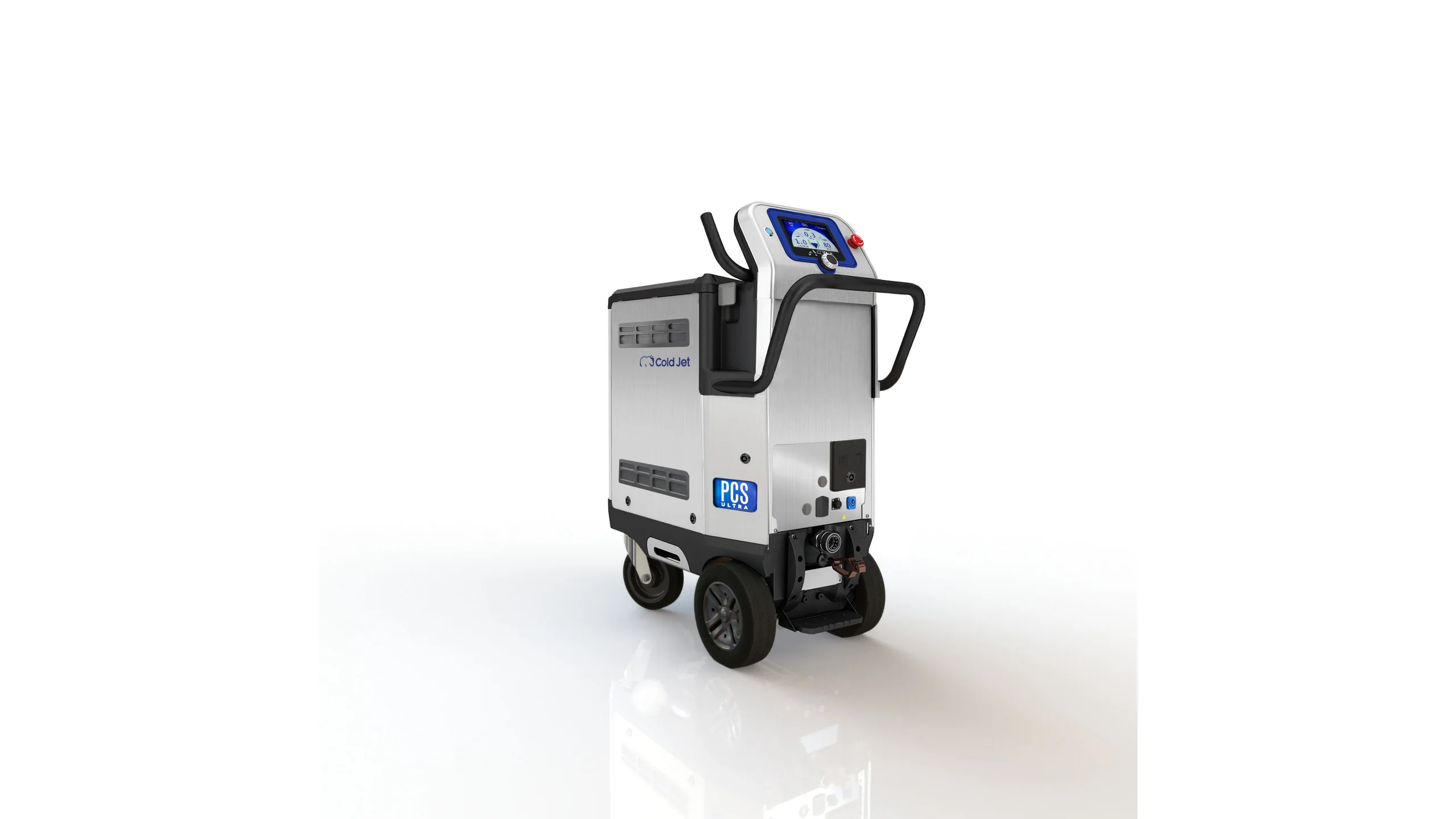
Cold Jet Aero2 PCS ULTRA
Product News

Best Dry Ice Blaster 2026: Why the Cold Jet Aero2 PCS ULTRA Leads

The Cold Jet Aero2 PCS ULTRA leads dry ice blasting equipment in 2026. This dry ice blaster has adjustable particle sizing, programmable cleaning settings, consistent SureFlow feeding, defrost protection, and durable components. These features support precise cleaning, reduced dry ice and air consumption, easier maintenance, and lower operating costs despite a higher initial investment.

Matt Caminiti
Matt Caminiti
7 min read

More Cold Jet Insights

13 storiesPage 1 of 2
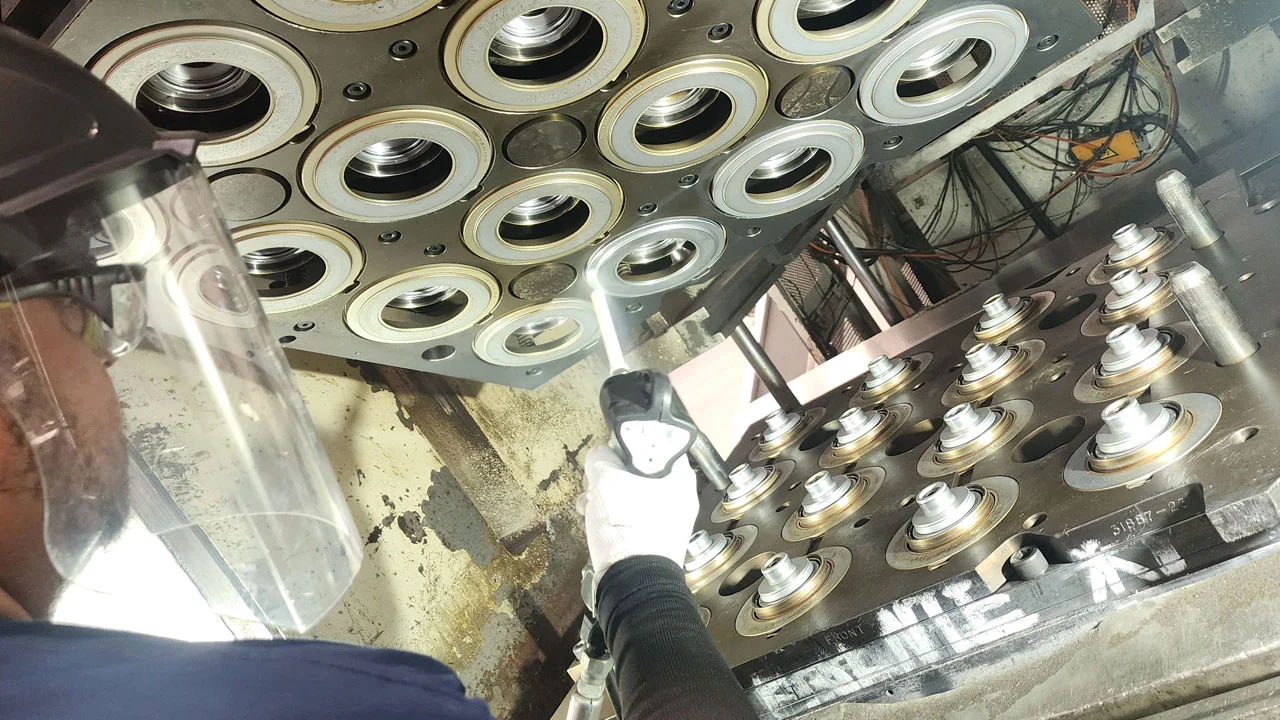
Cleaning injection mold with dry ice blasting
Industry InsightsDry Ice Blasting

Why Dry Ice Blasting Is Preferred for Injection Mold Cleaning

Dry ice blasting cleans injection molds faster, safer, and with less downtime between cycles and allows for efficient in-place cleaning without delaying production. Cleaning with dry ice is the preferred choice for plastic and rubber manufacturers due to its non-abrasive nature and ability to clean sensitive mold surfaces and machine electronics.

Jonathan Dean
Jonathan Dean
8 min read
Dry ice blasting CTDI
Industry InsightsDry Ice Blasting

How Dry Ice Blasting Revolutionizes Semiconductor Manufacturing

Traditional cleaning methods for semiconductor manufacturing equipment are slow and often hazardous for machines and personnel. Dry ice blasting revolutionizes semiconductor manufacturing equipment cleaning by achieving superior cleanliness, reducing downtime, and enhancing safety without exposing workers to harmful chemicals, creating secondary waste, or harming sensitive surfaces and machinery.

Matt Caminiti
Matt Caminiti
5 min read
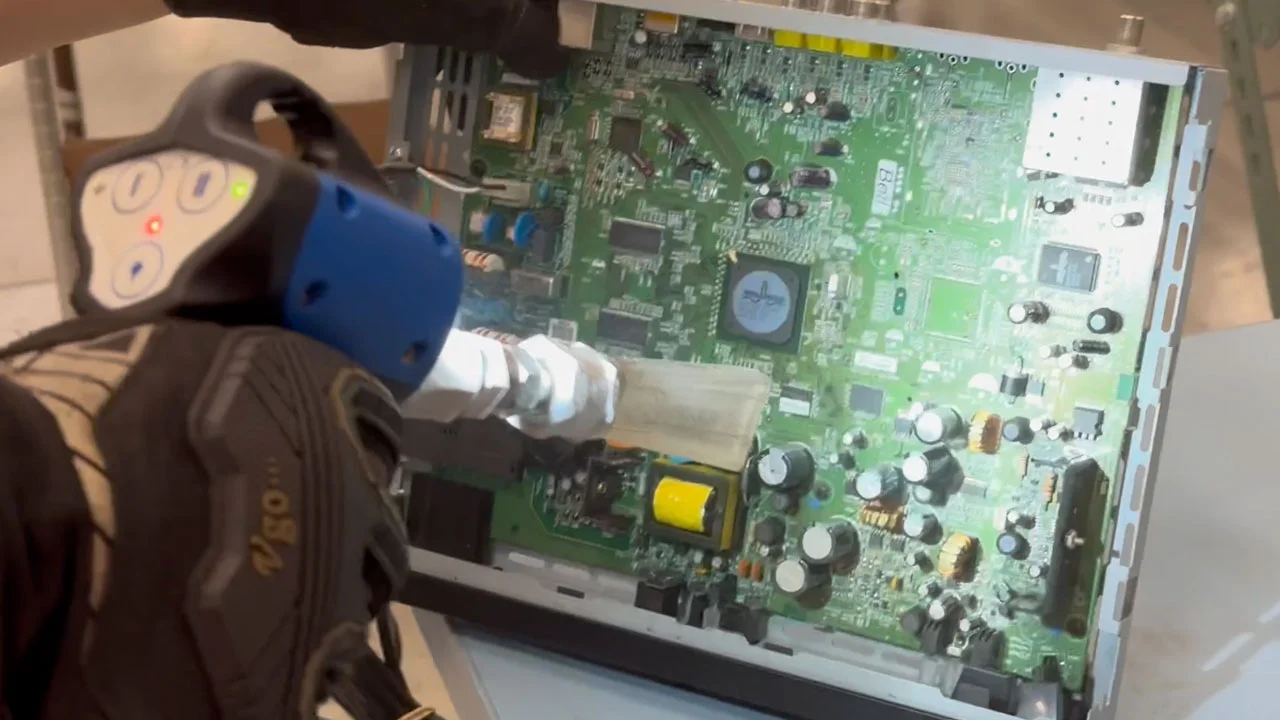
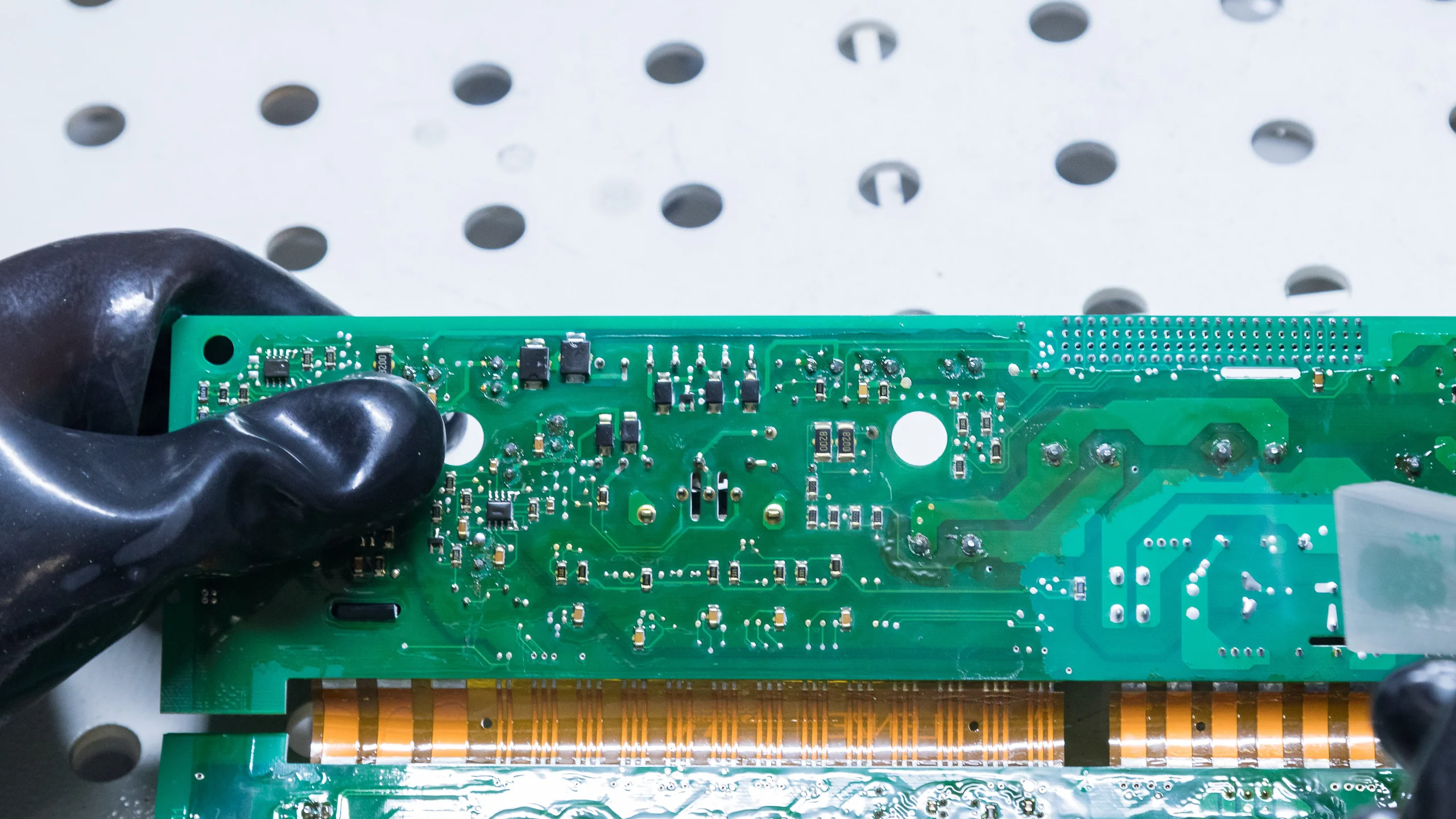
dry ice blasting electronics
Industry InsightsDry Ice Blasting

Clean Delicate Electronic Components Safely with Dry Ice Blasting

Dry ice blasting accurately cleans components without damaging delicate mechanics, cleans tight spaces without time-consuming disassembly and reassembly, and meets a high standard of environmental safety. Cleaning with dry ice uses no water, eliminating the need to meticulously cover electronic components prior to cleaning sessions. Additionally, workers are not exposed to harsh chemicals.

Rachael Barnes
Rachael Barnes
5 min read
carbon dioxide sustainability eco-friendly
Industry InsightsDry Ice Blasting

Is Dry Ice Cleaning Eco-Friendly: CO2 as a Sustainable Solution

Dry ice blasting offers an environmentally-sustainable cleaning solution by utilizing recycled CO2 as a non-abrasive cleaning medium while reducing emissions. CO2 does not leave secondary waste behind or introduce harmful chemicals into the work environment. Agencies like the EPA and CARB confirm that dry ice cleaning does not contribute to greenhouse gas emissions.

Rachael Barnes
Rachael Barnes
6 min read
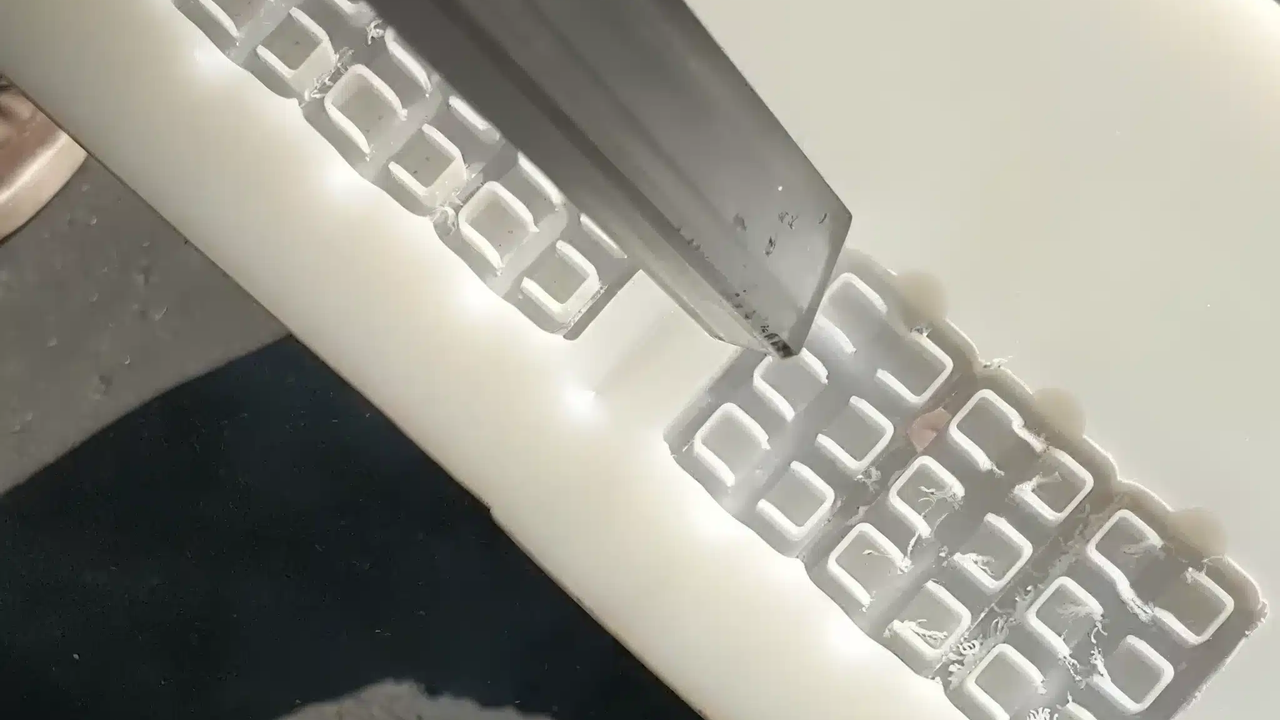
Dry ice plastic deburring tool removing burrs from machined part
Industry InsightsDry Ice Blasting

Is Dry Ice Blasting a Good Solution for Deburring and Deflashing?

Dry ice blasting is the most effective method for deflashing and deburring products by quickly removing the unwanted leftovers from the manufacturing process. Due to their non-abrasive nature, dry ice particles ensure that the geometries of the finished part are maintained without damaging or altering the surface. Deburring and deflashing can also be automated with dry ice blasting.

Steve Wilson
Steve Wilson
5 min read
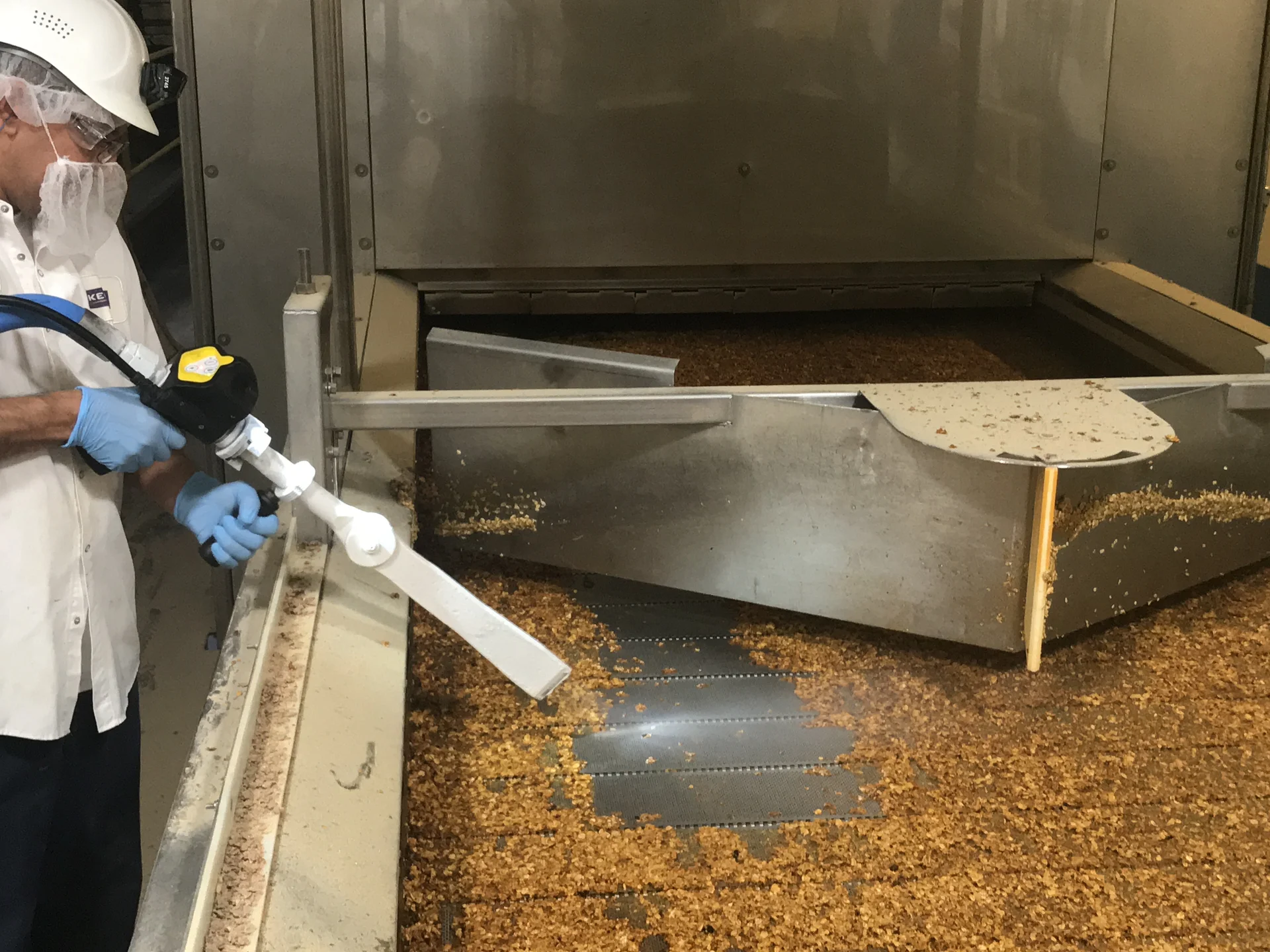
Dry ice blasting in food and beverage
Industry InsightsDry Ice Blasting

Dry Ice Blasting vs. Alternative Cleaning Methods: Which is Best?

Dry ice blasting outperforms sandblasting, soda blasting, pressure washing, chemical cleaning, and hand tools across multiple critical factors in industrial cleaning. Unlike alternative cleaning methods, dry ice blasting is non-abrasive, waste-free, non-toxic, non-conductive, and environmentally safe. Additionally, dry ice blasting allows equipment to be cleaned in-place without disassembly.

Matt Caminiti
Matt Caminiti
10 min read
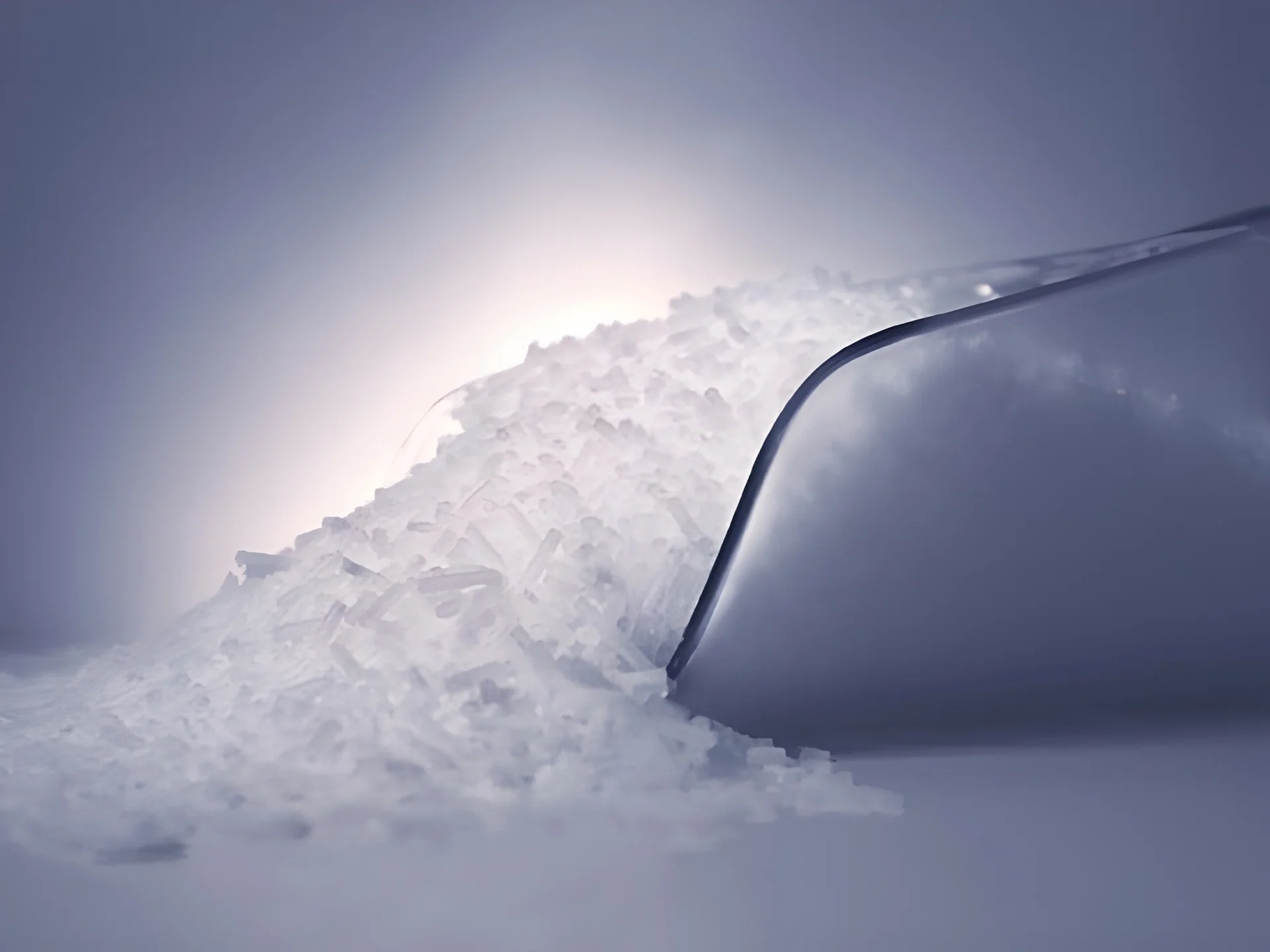
dry ice with scoop
Industry InsightsDry Ice ManufacturingDry Ice Blasting

Dry Ice FAQs: Answers to Your Questions About Dry Ice and Its Uses

Dry ice is made from solidified carbon dioxide (CO2) that is frozen at −109.3°F (−78.5°C) and must be stored in special totes to stay fresh for up to a week. Dry ice is used commercially for cleaning industrial equipment (dry ice blasting), as a cooling medium for food and medical transportation, product finishing (ex. deburring), and surface preparation in manufacturing.

Rachael Barnes
Rachael Barnes
6 min read
Dry ice pellets held in hands
Industry InsightsDry Ice ManufacturingDry Ice Blasting

The Comprehensive Guide to Dry Ice, Its Uses, and How It's Made

Dry ice is the solid form of CO2, a naturally occurring gas in our atmosphere. To become dry ice, recycled liquid CO2 is compressed and flash-frozen at -109° F (-78° C) to produce blocks or pellets for use. As a cleaning and cooling medium, dry ice is non-abrasive, non-toxic, tasteless, and creates no secondary waste product or residue.

Rachael Barnes
Rachael Barnes
7 min read
Removing sulfur deposits with dry ice blasting
Industry InsightsDry Ice Blasting

What Can Dry Ice Blasting Clean in the Oil and Gas Industry?

Dry ice blasting technology is transforming oil and gas maintenance with non-abrasive, waste-free cleaning that extends equipment lifespans and reduces downtime. The top five cleaning applications revolutionizing industry operations include frac pump radiators, heat recovery steam generators (HRSG), fin fans, surface preparation for coating and painting, and heavy hydrocarbon deposit removal.

Rachael Barnes
Rachael Barnes
6 min read

About This Editorial

Cold Jet's blog is the editorial record for dry ice blasting, dry ice production, CO₂ recovery, and carbon capture technology. Every post is written by Cold Jet dry ice experts and grounded in measurable outcomes: cleaning time reductions, dry ice production costs and capacity, CO₂ reuse economics, ROI windows, and the regulatory standards that drive equipment decisions. It exists so the people who run these operations can make decisions with real numbers.

We publish for the people who run, spec, and approve dry ice equipment: maintenance technicians, plant engineers, operations leaders, and procurement teams. Anyone evaluating dry ice blasting against pressure washing, sandblasting, or chemical cleaning, or comparing dry ice blasting systems against each other, will find comparable data here.

Every article draws on Cold Jet engineering data, field test results, customer deployment outcomes, or technical literature cited inline. Coverage spans dry ice blasting, dry ice production, CO₂ recovery, carbon capture, and automated dry ice systems. We report measurable performance, including cleaning time reduction, downtime avoided, throughput gains, and cost per pound of dry ice produced, and we document the conditions behind the numbers: compressor sizing, pellet size, substrate, and contaminants.

Posts are reviewed by Cold Jet's dry ice experts before publication and updated when standards or product specs change.


Contact

Ready to Get Started?

Contact us today to discover how our dry ice cleaning machines can enhance your process.