Insights onDry Ice Blasting, Technology, Applications, and Production

Engineering deep-dives, technology comparisons, and how-to guides on dry ice blasting, dry ice production, CO₂ recovery, and carbon capture from Cold Jet engineers and industry specialists.

Lead Story

dry ice blasting setup and requirements
Dry Ice Blasting

Dry Ice Blasting Startup Guide: Essential Equipment and Requirements

To get started with dry ice blasting, operators need to acquire the following: quality dry ice blasting machine, aftercooler unit, industrial air compressor (runs 30 to 100 CFM at 80 PSI), adequate dry ice supply, consistent 100-240V AC power at 50 to 60Hz, safety equipment, and professional training on how to use all mentioned equipment effectively.

Jonathan DeanBy Jonathan Dean
Apr 17, 202610 min read
Read the story

Editor's Picks

3 stories
Safety First written on the road
How-To GuidesDry Ice ManufacturingDry Ice Blasting

The Comprehensive Dry Ice Safety Guide: Precautions, Handling, & More

Following proper dry ice safety precautions including proper ventilation, PPE usage, and first aid measures to ensure safe handling of frozen CO2 is paramount across various applications. While using dry ice is generally considered safe, mishandling or error can lead to skin injuries, breathing issues, dizziness, and heachaches. Careful handling and controlled exposure are ideal to stay safe.

Matt Caminiti
Matt Caminiti
5 min read

Laser cleaning’s primary disadvantages are high upfront costs, slow cleaning speeds on large surfaces, more limitations on cleaning sensitive surfaces, and significant safety risks requiring a designated Laser Safety Officer. Dry ice blasting addresses these issues with faster cleaning of surfaces without disassembly, more cleaning versatility, and less safety protocol concerns.

Technology Explained

What Are the Disadvantages of Laser Cleaning? What to Know

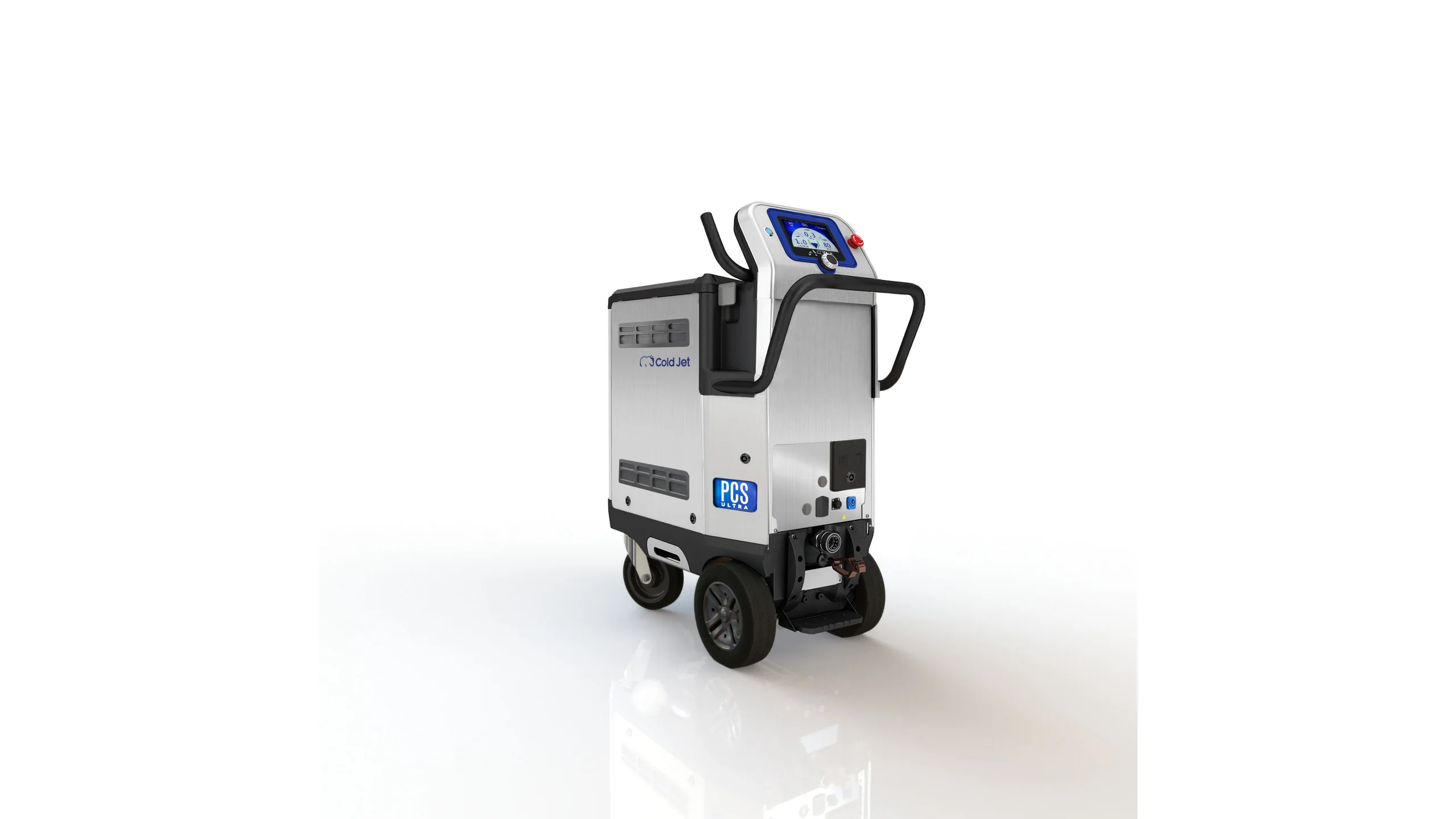
Cold Jet Aero2 PCS ULTRA
Product News

Best Dry Ice Blaster 2026: Why the Cold Jet Aero2 PCS ULTRA Leads

The Cold Jet Aero2 PCS ULTRA leads dry ice blasting equipment in 2026. This dry ice blaster has adjustable particle sizing, programmable cleaning settings, consistent SureFlow feeding, defrost protection, and durable components. These features support precise cleaning, reduced dry ice and air consumption, easier maintenance, and lower operating costs despite a higher initial investment.

Matt Caminiti
Matt Caminiti
7 min read

More Cold Jet Insights

5 stories
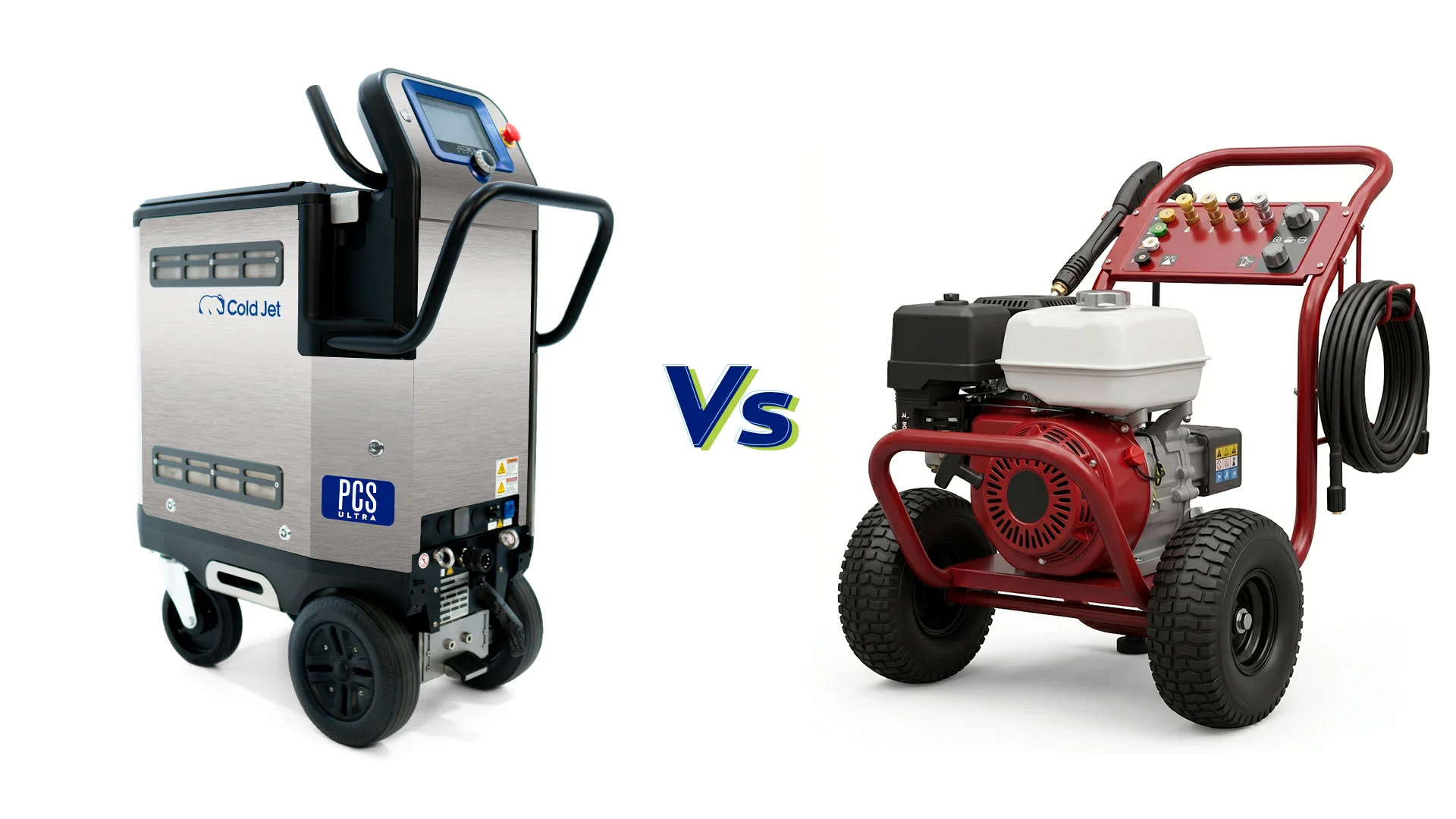
Dry Ice Blaster vs Pressure Washer
ComparisonsDry Ice Blasting

Dry Ice Blasting vs. Pressure Washing: A Complete Comparison

Dry ice blasting and pressure washing both use high-velocity kinetic impact to strip contaminants from surfaces. However, pressure washing generates contaminated wastewater that must be contained and disposed of, leaving surfaces wet enough to need hours of drying. Dry ice blasting produces no secondary waste, so equipment can be cleaned in place and returned to service almost immediately.

Jonathan Dean
Jonathan Dean
15 min read
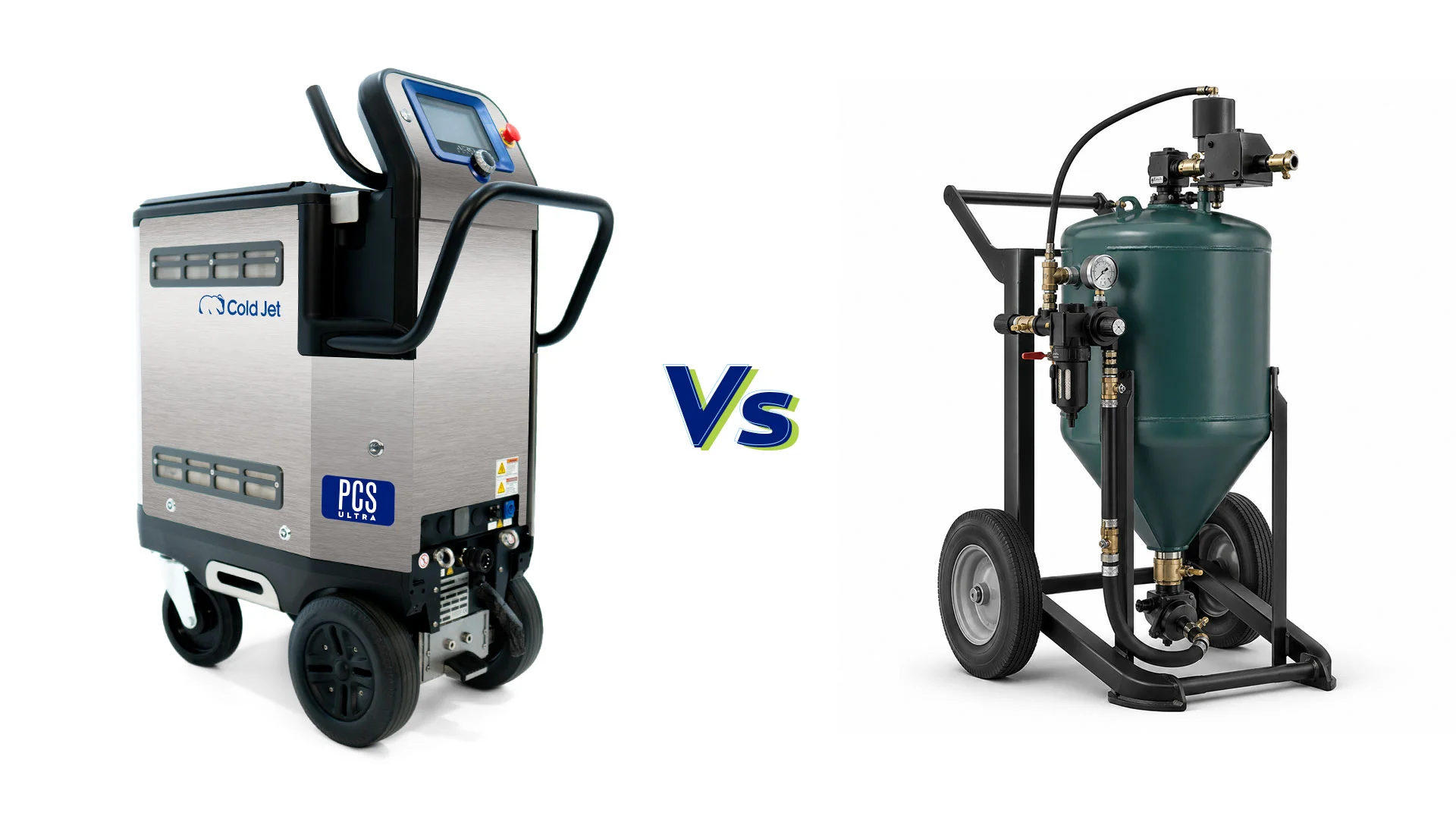
Dry Ice Blaster vs Sandblaster
ComparisonsDry Ice Blasting

Dry Ice Blasting vs. Sandblasting: A Complete Comparison

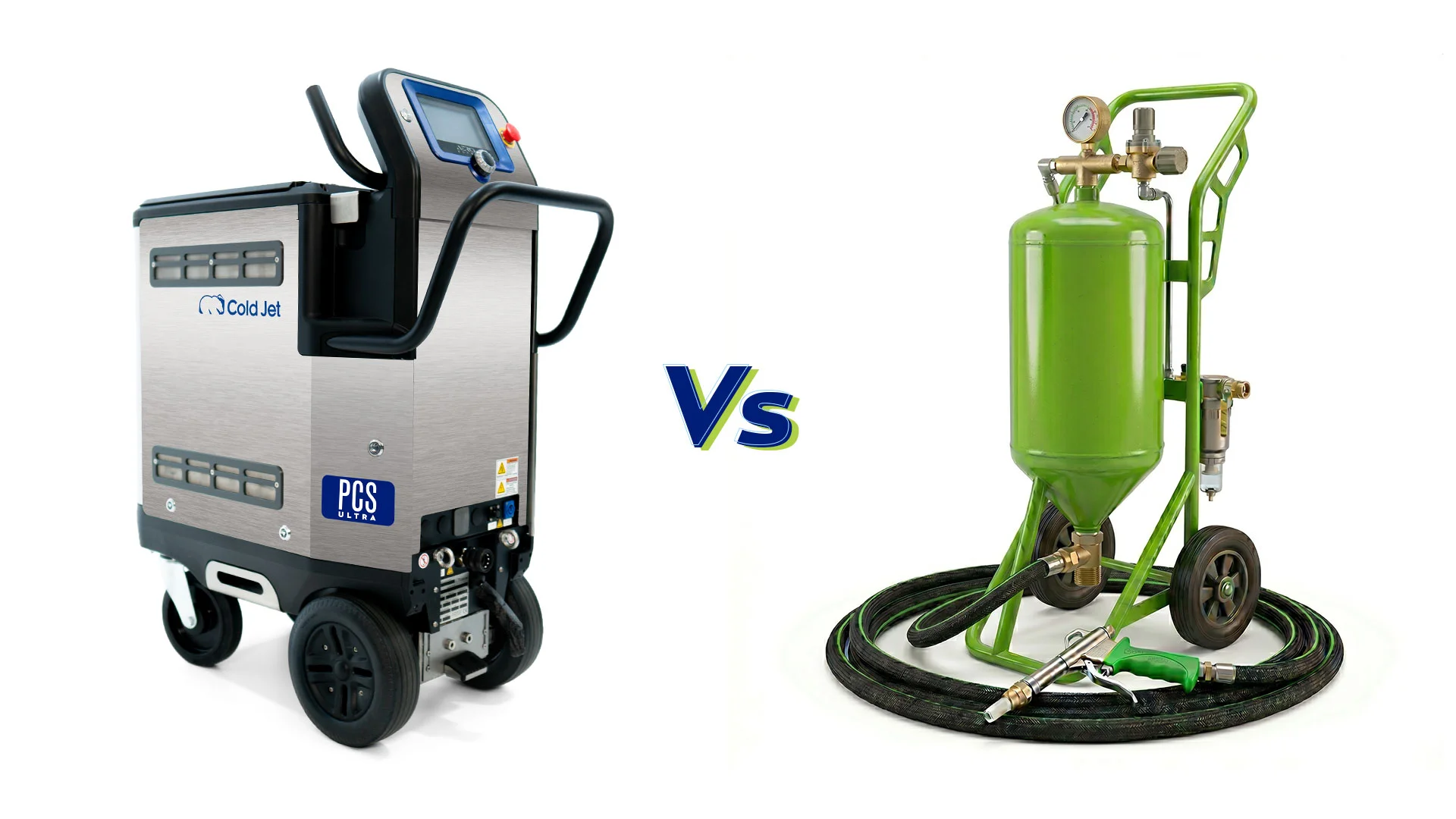
Dry ice blasting and sandblasting are very different in their cleaning mechanisms. Dry ice blasting uses kinetic impact, thermal embrittlement, and rapid gas expansion to separate contaminants from substrates. Sandblasting uses pure kinetic impact with a grinding effect to scrape contaminants away. Sandblasting can be messy and time-consuming, whereas dry ice blasting is quick and efficient.

Jonathan Dean
Jonathan Dean
10 min read
Dry Ice Blaster vs Soda Blaster
ComparisonsDry Ice Blasting

Dry Ice Blasting vs. Soda Blasting: A Complete Comparison

Dry ice blasting is a popular choice because of its ability to clean effectively in a non-abrasive way, produces no secondary waste, can clean equipment in-place, and is suitable for many applications. Soda blasting has also remained a popular option in industrial cleaning, but produces toxic waste, has limited applications, and still requires shutdown and disassembly of equipment for cleaning.

Jonathan Dean
Jonathan Dean
12 min read
Dry Ice Blaster vs Ultrasonic Bath
ComparisonsDry Ice Blasting

Dry Ice Blasting vs. Ultrasonic Cleaning: A Complete Comparison

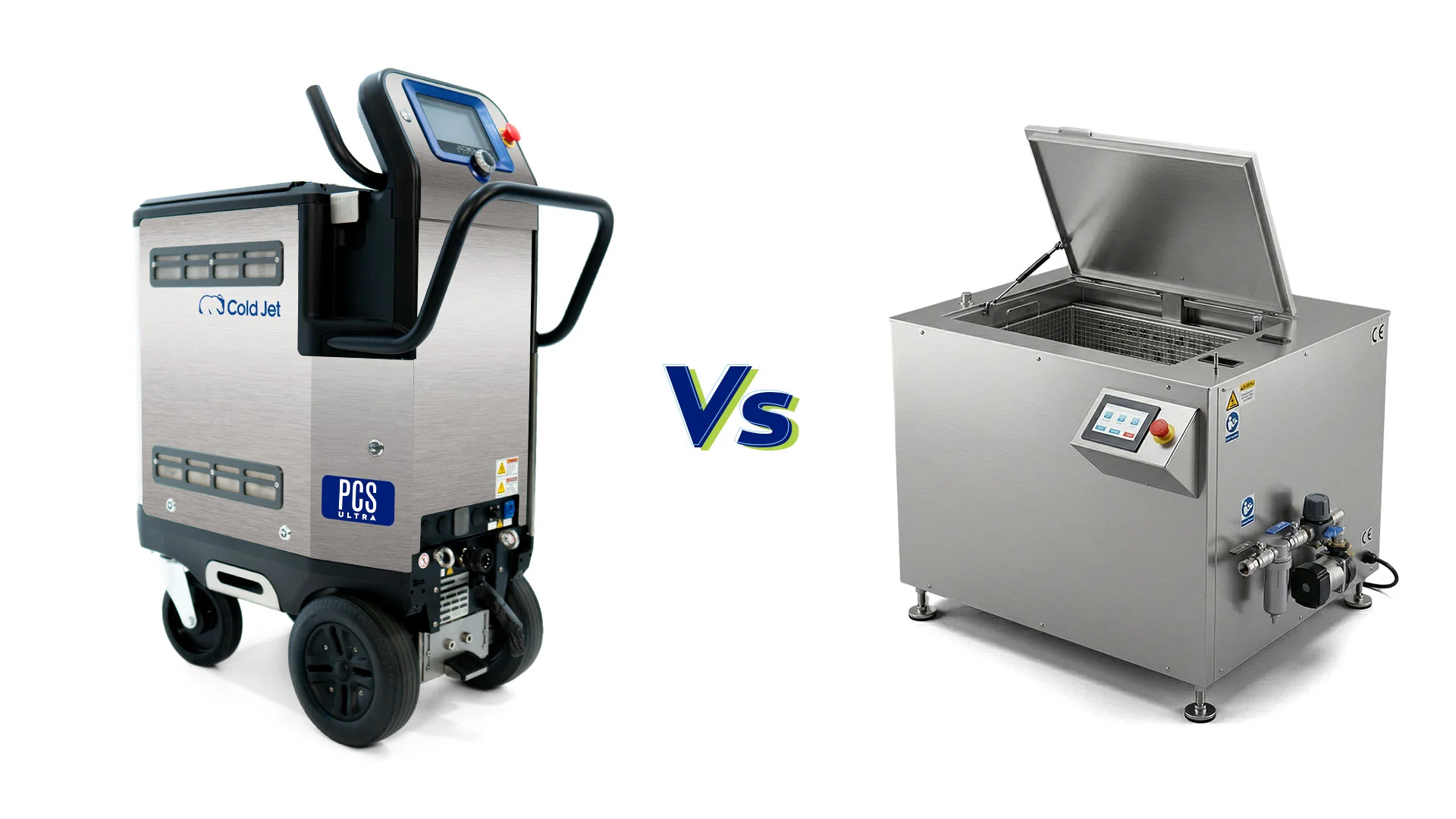
Dry ice blasting is more versatile and practical over ultrasonic cleaning for portability, minimal downtime, and non-conductivity. Dry ice blasting cleans large machinery in-place without shutdown, disassembly, or moisture with no secondary waste. Ultrasonic cleaning is effective for small, removable parts fully submerged, but it cannot clean porous materials or very large items.

Jonathan Dean
Jonathan Dean
13 min read
premium dry ice blaster vs budget dry ice blaster
ComparisonsDry Ice Blasting

True Cost of Ownership: Premium vs. Budget Dry Ice Blasters

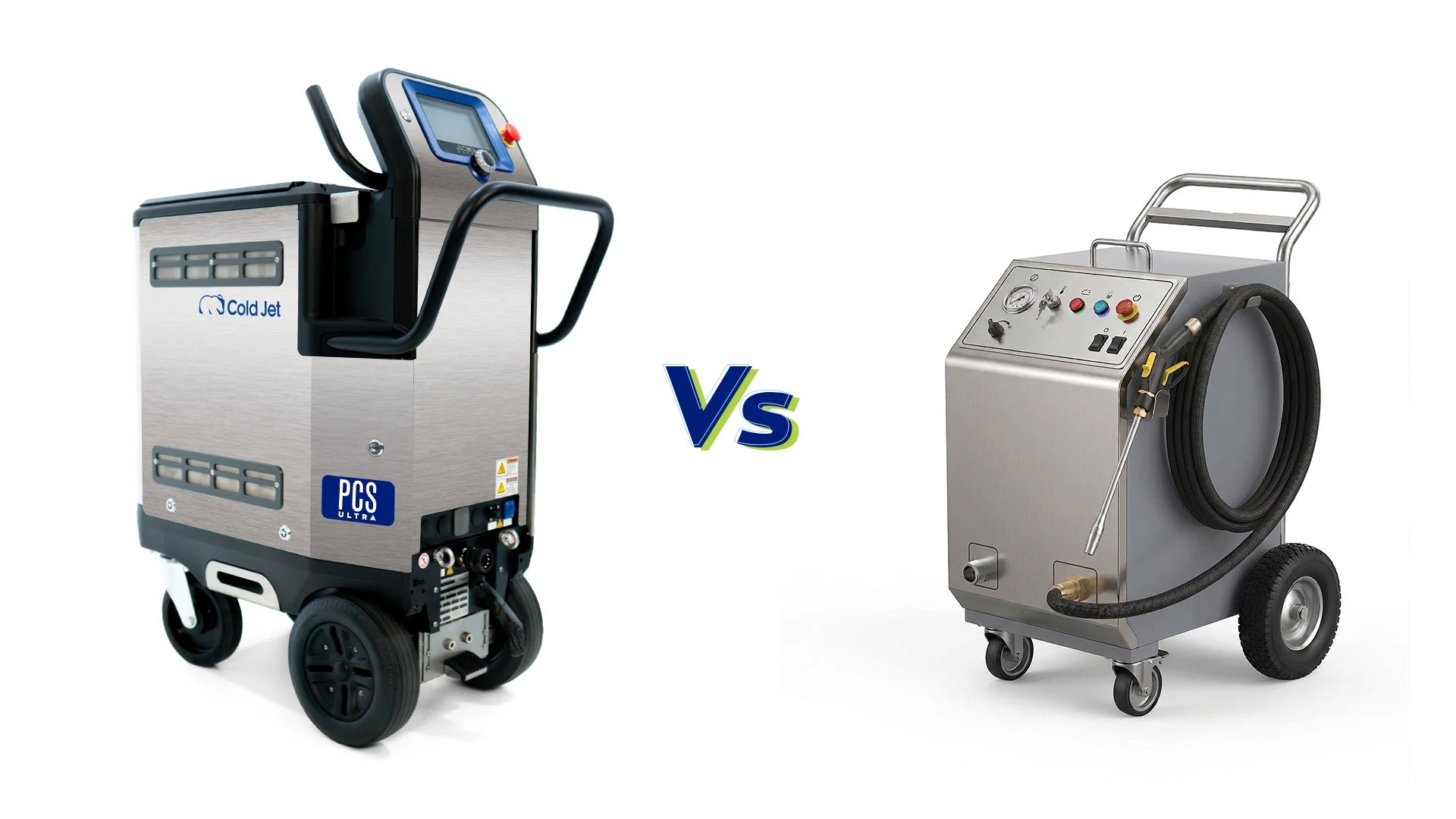
Budget dry ice blasters can be attractive due to a lower initial investment, but the true cost of ownership is often much more over the service life of the machine due to part failures, breakdowns, and freeze-ups. Premium dry ice blasters offer better ROI value through high quality builds, more efficient air and feeding systems, and more part availability.

Jonathan Dean
Jonathan Dean
8 min read

About This Editorial

Cold Jet's blog is the editorial record for dry ice blasting, dry ice production, CO₂ recovery, and carbon capture technology. Every post is written by Cold Jet dry ice experts and grounded in measurable outcomes: cleaning time reductions, dry ice production costs and capacity, CO₂ reuse economics, ROI windows, and the regulatory standards that drive equipment decisions. It exists so the people who run these operations can make decisions with real numbers.

We publish for the people who run, spec, and approve dry ice equipment: maintenance technicians, plant engineers, operations leaders, and procurement teams. Anyone evaluating dry ice blasting against pressure washing, sandblasting, or chemical cleaning, or comparing dry ice blasting systems against each other, will find comparable data here.

Every article draws on Cold Jet engineering data, field test results, customer deployment outcomes, or technical literature cited inline. Coverage spans dry ice blasting, dry ice production, CO₂ recovery, carbon capture, and automated dry ice systems. We report measurable performance, including cleaning time reduction, downtime avoided, throughput gains, and cost per pound of dry ice produced, and we document the conditions behind the numbers: compressor sizing, pellet size, substrate, and contaminants.

Posts are reviewed by Cold Jet's dry ice experts before publication and updated when standards or product specs change.


Contact

Ready to Get Started?

Contact us today to discover how our dry ice cleaning machines can enhance your process.