
How Do You Handle Dry Ice and CO2 Safely?
As you begin your journey with dry ice blasting or dry ice production, it's essential to understand that while dry ice cleaning is safe for operators, it does involve handling carbon dioxide (CO2) in its solid form (dry ice), which requires specific safety considerations.
This comprehensive guide will walk you through operator safety and provide everything you need to know about safely handling dry ice during blasting or production operations, including proper ventilation requirements and the use of personal protective equipment (PPE).
By reading these essential CO2 safety guidelines, you'll be able to harness the impressive cleaning and cooling power of dry ice while keeping yourself and your team protected from potential hazards.
Dry Ice and CO2 Safety Considerations
There are a few safety considerations that must be followed when using or storing dry ice in your facility.
Follow All Safety Guidelines
Review and follow all safety guidelines that your dry ice or liquid CO2 supplier provides you.
- Ensure all operators and supervisors are familiar with CO2's physiological effects as outlined in local/national regulatory documentation
- Place informative warning signs at entry points to areas where CO2 might accumulate
- Implement workplace safety protocols specific to dry ice handling
CO2 Safety Precautions
Ensure proper ventilation
CO2 is heavier than ordinary atmospheric air so, when CO2 is present, it displaces oxygen in insufficiently ventilated rooms. It is colorless and essentially odorless and tasteless so it is difficult to detect without specialized equipment.
Proper ventilation is essential when working with large concentrations of CO2.
- Ensure adequate ventilation in all areas where CO2-emitting machines operate
- Only use dry ice production or dry ice blasting equipment in properly ventilated spaces that comply with local/national regulatory standards
Monitor and Limit Exposure
Follow established exposure guidelines set by OSHA.
- Over an 8-hour workday, the average concentration of CO2 in the air you’re breathing should not exceed 5,000 parts per million (ppm)
- Acute exposure limit of 30,000 ppm for no more than 15 minutes
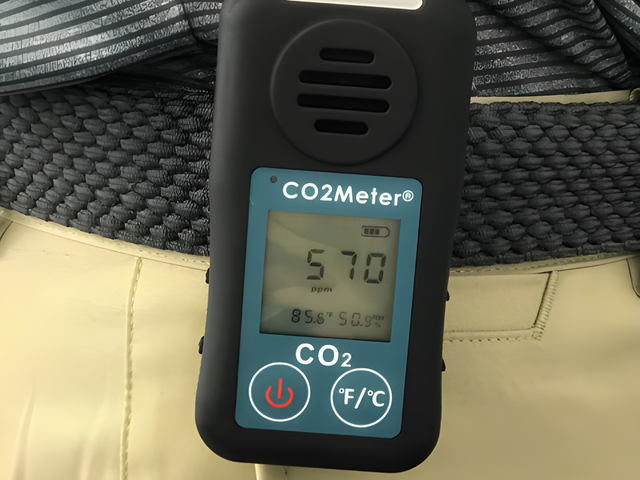
- Always use CO2 monitoring devices when operating CO2 emitting equipment in confined spaces
Symptoms to Watch For
- CO2 concentrations of 3-5% cause headaches, rapid breathing, and discomfort
- Higher concentrations (8-10%) lead to headaches, nausea, cramps, and potentially may cause unconsciousness, suffocation, or respiratory arrest
Effective CO2 Ventilation Strategies
Exhaust Ventilation
- Generally, the most efficient method
- Creates negative pressure to pull contaminated air out
- Exhausts air safely away from intake areas
- Brings in fresh air to replace extracted air
Supply Ventilation
- Blows fresh air into the space
- Pushes contaminated air outside
- Requires careful setup to avoid "short-circuiting" (inadequate air circulation)
CO2 Monitoring
- Install air monitoring devices to track CO2 concentrations
- Place monitors near dead areas and remote corners with minimal ventilation
- Provides accurate measurement of actual CO2 accumulation
- Essential for workplace safety when using CO2 emitting machines
First Aid for CO2 Exposure
Active safety programs and safety-conscious personnel significantly reduce the likelihood of CO2 accidents. To minimize potential injury, operators should be trained for prompt emergency response.
If an incident does occur, employees must follow guidelines for a proper response.
- Never attempt rescue without knowing CO2 concentration levels or without wearing proper breathing apparatus
- Move affected individuals to fresh air immediately
- Seek urgent medical attention
- If breathing has stopped, administer artificial respiration
- For difficult breathing, qualified personnel should provide oxygen
Important: While effects from brief CO2 exposure are reversible, prolonged or high-concentration exposure can cause permanent damage.
Dry Ice Handling Safety
Dry Ice Storage
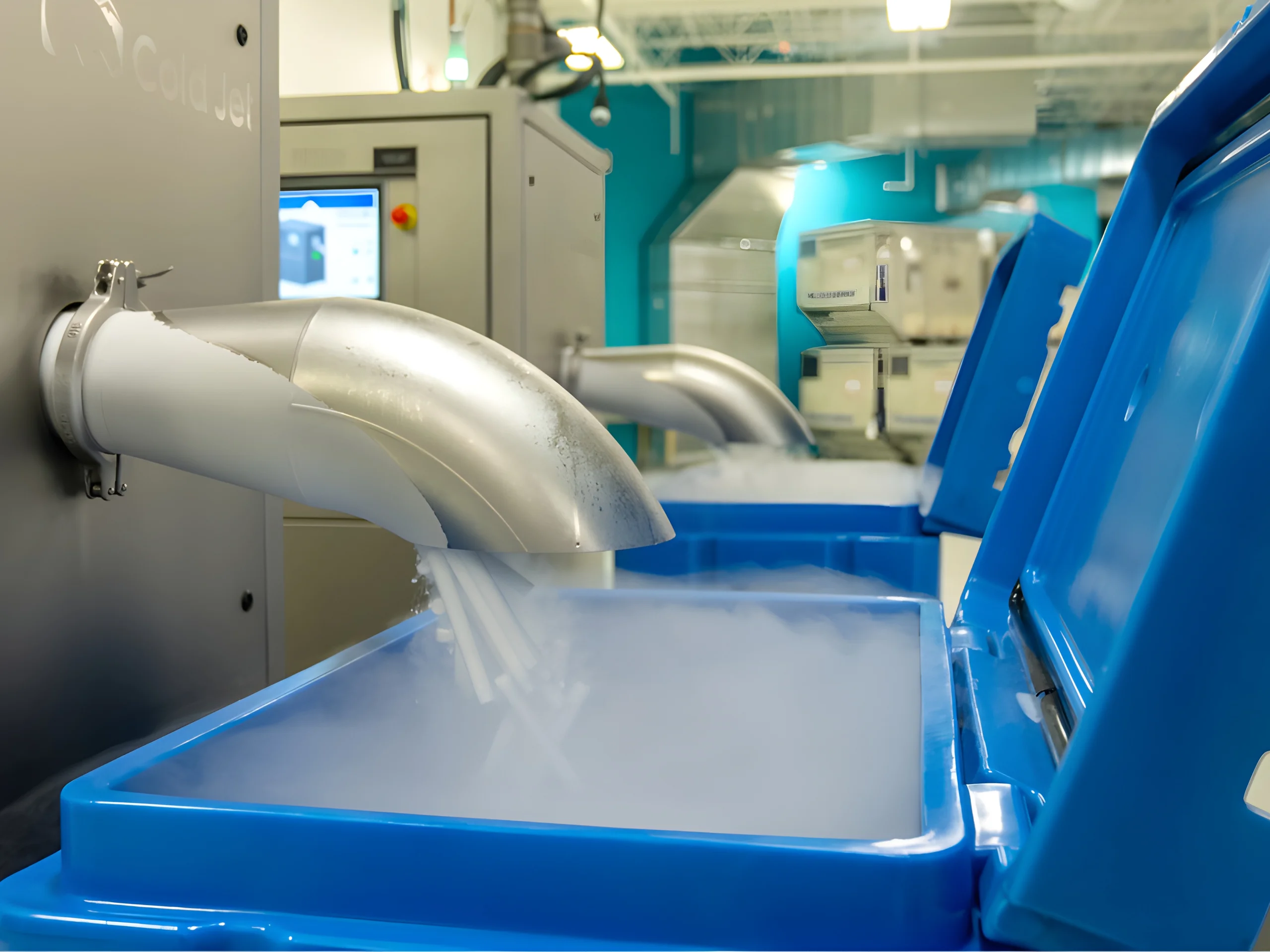
- Never store or transport dry ice in tightly sealed containers
- Sublimation creates pressure that can cause container rupture
Safety Documentation
- Always obtain and review the CO2 safety data sheet when purchasing liquid or solid CO2
- Follow all recommended dry ice blasting safety guidelines provided by suppliers of dry ice blasting equipment
Personal Protective Equipment (PPE)
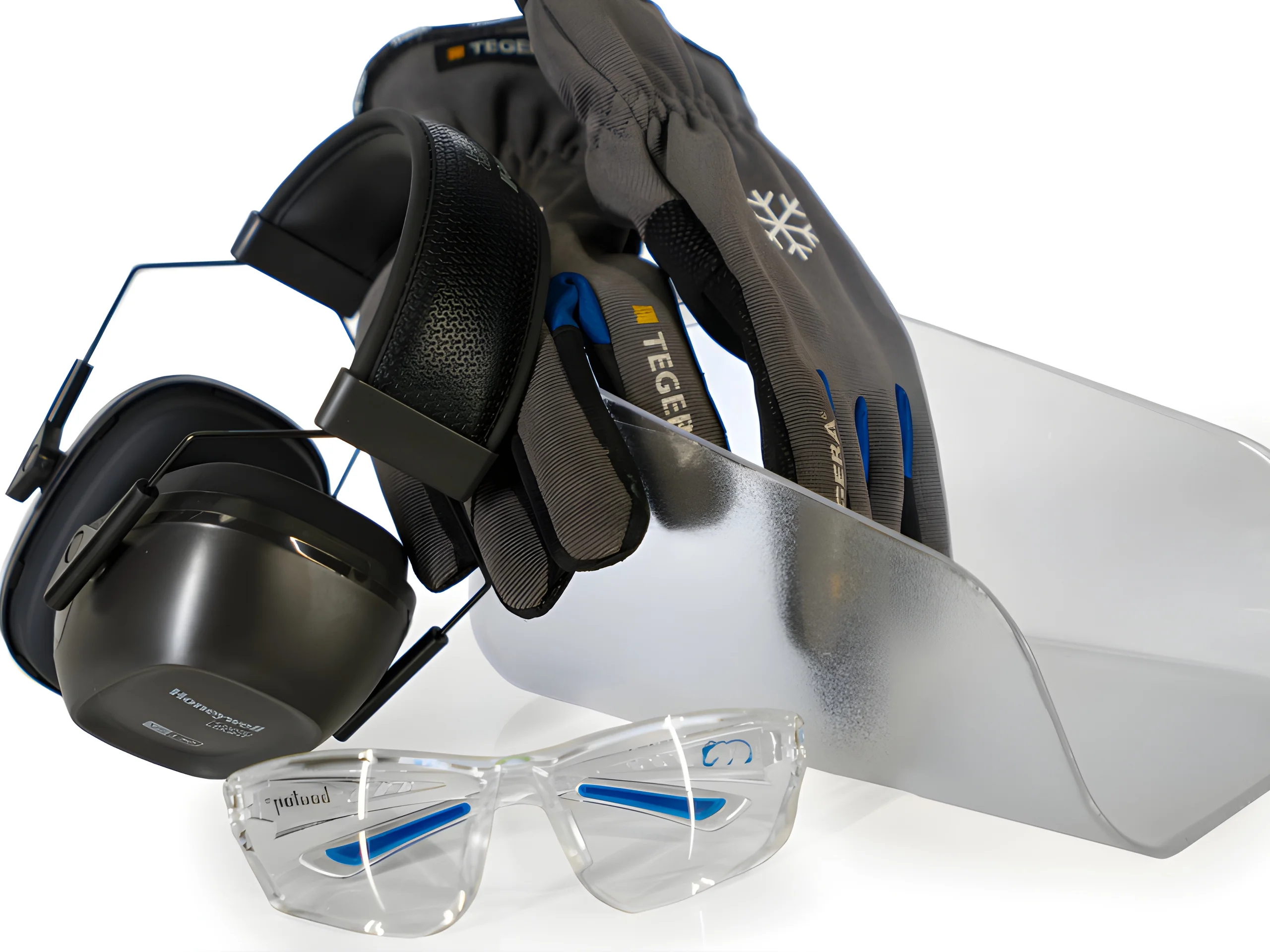
Dry ice safety is straightforward with the proper equipment! When operating dry ice blasting machines, you will need:
- Protective gloves or tongs: Protect your hands from burns and potential injuries from the blasting process
- Eye protection: Safety eyewear should also be worn when dry ice is in motion, such as when dry ice blasting or when operating dry ice manufacturing equipment without a chute
- Ear plugs: Safeguard your hearing from the loud noise generated by the dry ice blasters
Final Takeaway: Implement Proper Safety Protocols for Your Dry Ice Operations
While dry ice offers numerous practical applications, its unique properties require careful handling. By adhering to the safety guidelines outlined, from proper storage and ventilation to the use of appropriate protective gear, you can confidently and safely utilize dry ice for your cleaning needs.
Remember, a little precaution goes a long way in preventing potential hazards and ensuring a safe and successful experience with Cold Jet machines.
Check out the Ultimate Guide to Choosing The Right Dry Ice Blasting Machine