Summary
Cold Jet dry ice blasting cleans oil and gas processing, heat transfer, and electrical equipment in-place without water, chemicals, moisture, or secondary waste. The non-abrasive, non-conductive process removes heavy oil, bitumen, carbon, and salts across the value chain – extending asset life, preventing corrosion, and preparing surfaces for coating or NDT.
What is dry ice blasting used for in the oil and gas industry?
Dry ice blasting is a non-abrasive, non-conductive, moisture-free cleaning method used across the oil and gas value chain—upstream, midstream, and downstream—to clean heat exchangers, HRSGs, fin fans, frac pump radiators, pumps, pipelines, tanks, turbines, motors, and electrical equipment. Solid CO₂ sublimates to gas on impact, removing heavy oil, bitumen, paraffin, carbon, soluble salts, chlorides, sulfur, failed coatings, and light corrosion without water, chemicals, abrasion, or secondary waste. Because it adds no moisture and leaves no embedded fouling, surfaces can be repainted or inspected immediately, making it ideal for surface preparation before non-destructive testing and recoating. Equipment is cleaned online without shutdown, extending asset life and reducing corrosion and downtime. The non-conductive process safely cleans energized systems and meets the highest environmental, health, and safety standards. Cold Jet has more than 24,000 machines installed globally.
Clean Without Moisture, Chemicals, or Shutdown
Dirty oilfield and refinery equipment creates real risk. Heavy oils, bitumen, paraffin, acids, and chemicals cause corrosion on pipelines and operational assets, and equipment that isn't regularly cleaned degrades in performance, fails, and creates unsafe conditions.
Dry ice blasting is an environmentally friendly cleaning and maintenance solution that delivers a high quality clean, results in zero moisture or humidity, and meets the highest environmental, health, and safety standards.
Zero
Dust Clouds or Silica
Safer
For Employees
Non-Abrasive
No Equipment Damage
Fewer
Unplanned Stops
Benefits of Dry Ice Blasting for Oil and Gas Companies
Dry ice blasting revolutionizes cleaning and maintenance in Oil and Gas operations by reducing downtime and enhancing operational performance.
The unique characteristics of dry ice make it an ideal industrial cleaning solution in Oil and Gas, Petrochemical, and Refinery operations. The non-abrasive nature of dry ice protects valuable assets from corrosion and damage that would otherwise occur with abrasive or water-based cleaning methods, extending equipment life and reducing maintenance costs.
Dry ice sublimates upon impact, or disappears into the atmosphere. This eliminates hazardous waste streams, moisture, media entrapment, and extensive pre-job preparation.
 Non-Abrasive
 and Safe for Equipment
Dry ice cleaning is non-abrasive. It extends substrate life and prolongs asset longevity in Refinery, Oilfield, and Midstream environments. Unlike traditional cleaning and maintenance methods, it causes no caustic etching, acidic damage to surfaces, or abrasion. The industrial cleaning process is safe for even the most delicate components, such as heat exchanger fins, electrical motors, generator windings, transformers, switch gears, circuitry, and wiring.
 Dry Process
Zero Moisture and No Secondary Waste
Dry ice blasters add zero moisture or secondary waste. The dry cleaning process does not use water, solvents, or harmful media like silica and because dry ice sublimates, there is no left over media that must be contained, collected, and disposed of. Dry ice sublimates upon contact with the substrate, so there is no risk of media entrapment or water damage to sensitive parts and equipment. This results in a safer environment for workers and surrounding ecosystems, reduced disposal costs, and minimal pre-job preparation.
 Reduce Downtime
Clean Online and In-Place
Dry ice blasting can clean operational equipment while it remains operational, eliminating or drastically reducing disassembly requirements, production downtime, and the risk of equipment failure. The in-situ cleaning method enables Upstream, Midstream, and Downstream operators to clean and maintain equipment year-round, not just during shutdown or turnaround periods.
 Productivity
Improve Efficiency of Operating Equipment
By maintaining Oil and Gas operating equipment at peak efficiency through more frequent and effective cleaning, companies can significantly reduce the risk of unplanned production stoppages and costly emergency repairs. This translates to increased operational uptime, improved productivity, and enhanced safety standards across Oil and Gas extraction, transportation, and refining operations—ultimately delivering substantial cost savings and operational benefits throughout the production lifecycle.
 Safety
Employee and Environmentally Safe
Dry ice blast cleaning delivers superior safety benefits for both workers and the environment. The industrial maintenance and cleaning process does not use chemicals, solvents, or harmful cleaning media. By eliminating water, it reduces the risk of slippery or muddy work environments and because dry ice is non-conductive, it prevents damage, electrical shorts, and potential fires when cleaning sensitive equipment. Additionally, dry ice does not produce dust clouds, which can be inhaled by employees. Dry ice cleaning creates a safer workspace while maintaining environmental compliance in all Oil and Gas environments.
 Better Clean
More Effective Cleaning
Dry ice blasting equipment delivers superior cleaning results compared to traditional methods. The process requires less labor while achieving faster and more thorough cleaning outcomes. Unlike conventional techniques, dry ice cleaning will not lead to embedded fouling and leaves no chemical residue or moisture behind, which reduces the risk of corrosion and abrasion. The cleaning process also eliminates micro-organisms, which can lead to coating and paint failure on vital piping and pipelines.
What Can Dry Ice Blasting Clean in Oil and Gas?
Dry ice cleaning delivers superior results across the entire oil and gas value chain, from upstream exploration and production to midstream transport and storage to downstream refining and processing.
- Upstream Oil & Gas
- Midstream Oil & Gas
- Downstream Oil & Gas
Heavy Oil, Carbon, Bitumen, and Paraffin Buildup Removal
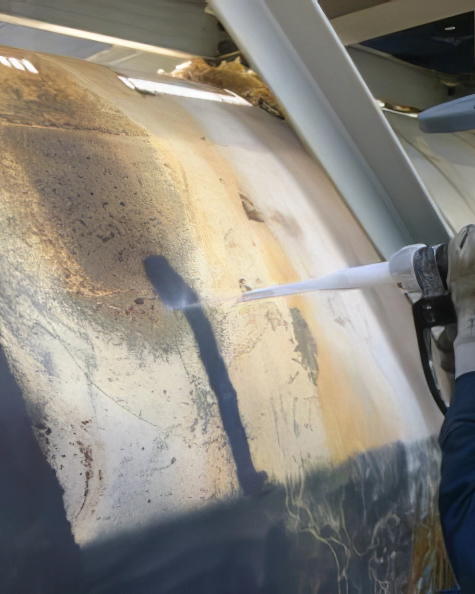
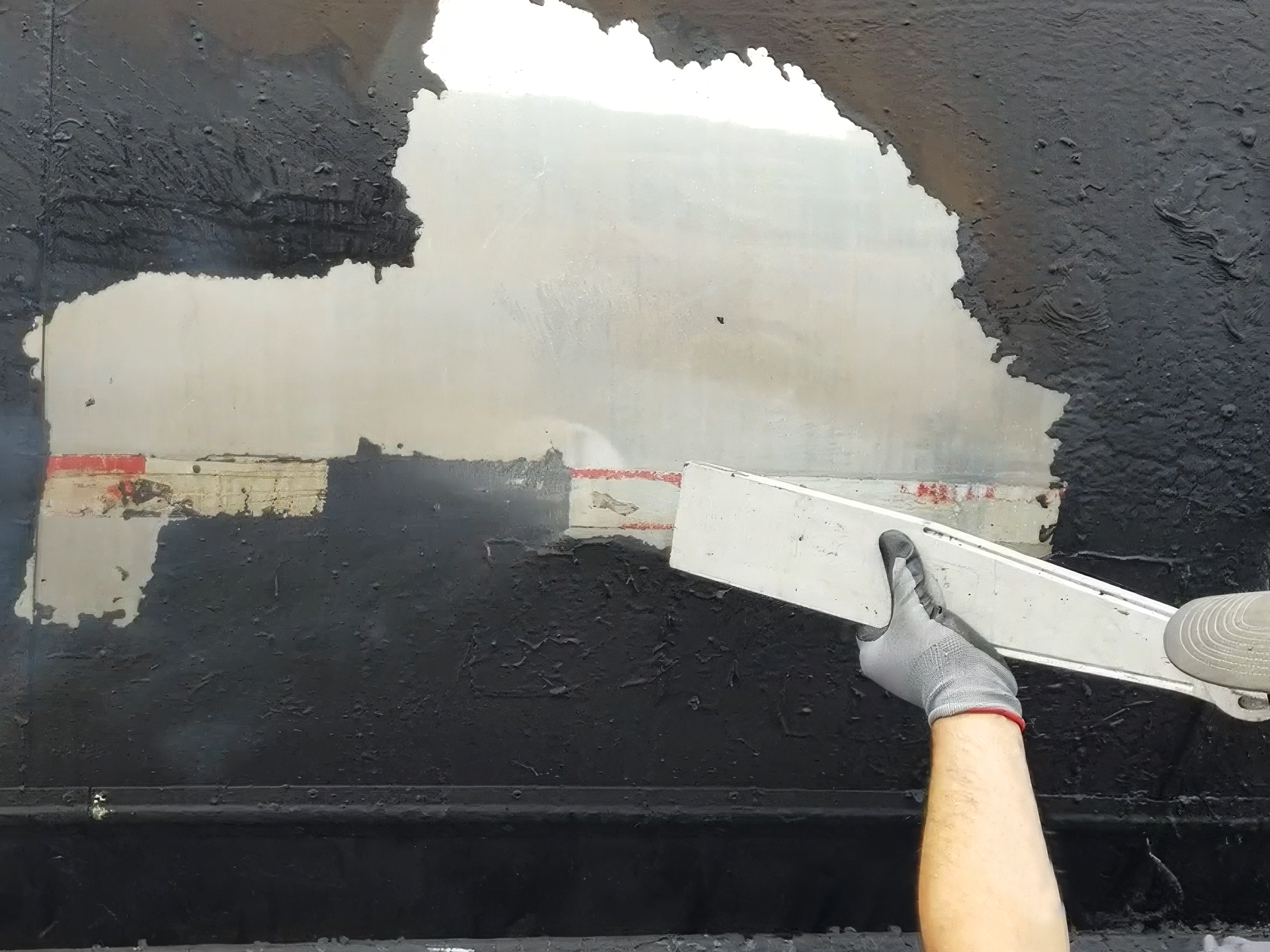
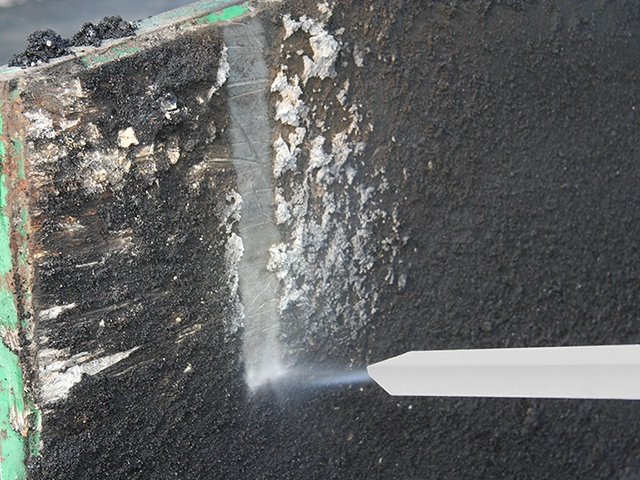
Dry ice blasting provides an efficient solution for removing heavy oils, bitumen, carbon, paraffin, and corrosive agents from oil and gas operational assets. Because the process is non-abrasive and completely dry, it clears unwanted deposits from heat exchangers, pumps, vessels, motors, and piping while preserving the structural integrity of the equipment being cleaned.
The versatility of dry ice blasting makes it a single solution for a wide range of oil and gas maintenance tasks, reducing the need for multiple cleaning methods and returning equipment to service faster.
Heavy Oil and Bitumen Removal
Strip thick, tacky hydrocarbon buildup from processing equipment, tanks, and piping without solvents or wastewater.
Carbon and Coke Removal
Remove carbonized deposits from heat exchangers, burners, and combustion equipment to restore heat transfer efficiency.
Paraffin and Wax Removal
Clear paraffin accumulation from pumps, valves, and flow lines that would otherwise restrict throughput.
Soluble Salt and Chloride Removal
Eliminate salt and chloride buildup that accelerates corrosion and premature coating failure on exposed steel surfaces.
- Heat Exchangers
- Pumps
- Vessels
- Motors
- Piping
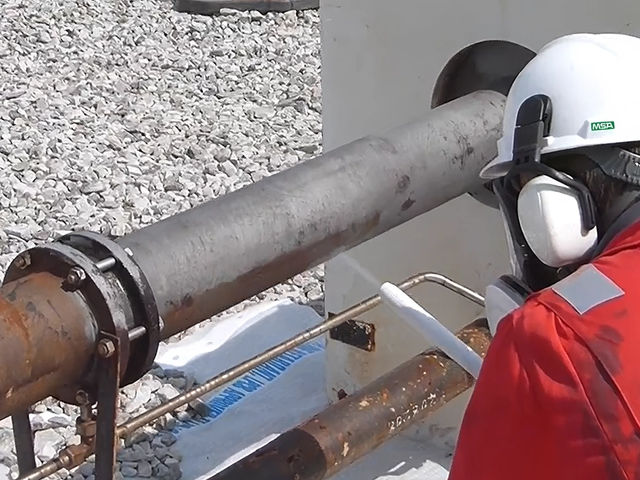
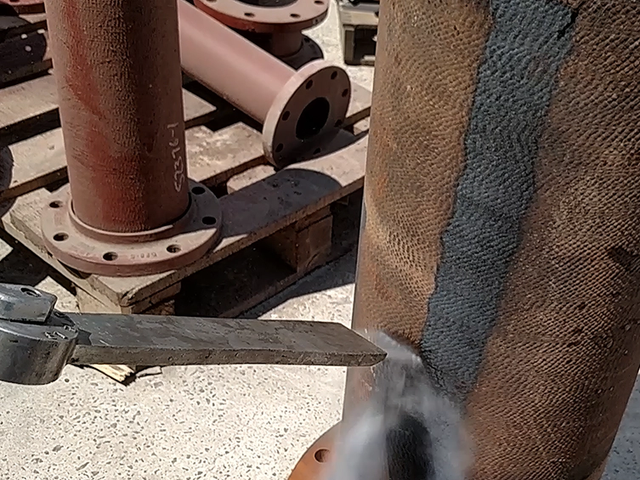
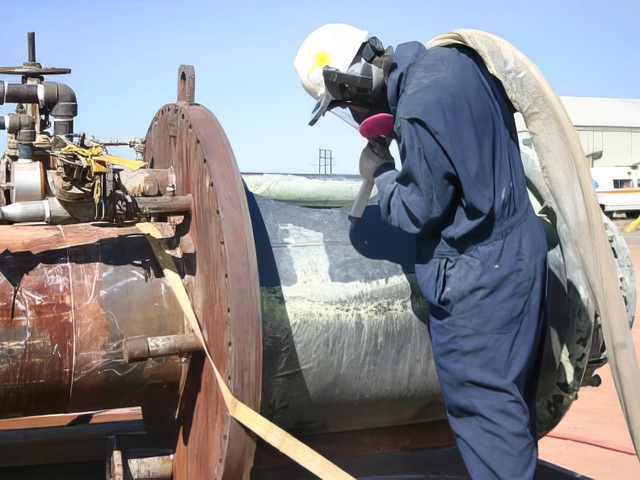
Clean And Prepare Surfaces For Maintenance, Repair, And Repainting
Surface preparation is a critical responsibility for fabric maintenance teams, particularly ahead of non-destructive testing, pre-inspection cleaning, and recoating on pipelines, tanks, and vessels. Dry ice blasting is an ideal solution in upstream, midstream, downstream, and offshore environments. Dry ice penetrates pores and crevices in steel, removing contaminants that sandblasting and water blasting can embed into the substrate.
Because dry ice blasting requires no equipment or line shutdown, fabric maintenance work can proceed more frequently and inspections can happen on schedule. This matters because uncontrolled corrosion can lead to leaks, service interruptions, and costly environmental damage.
Non-Destructive Testing Preparation
Clean weld seams, joints, and inspection areas to bare metal without altering the surface, giving inspectors an accurate view of the substrate.
Pre-Inspection Cleaning
Remove oils, grime, and surface buildup from pipelines, tanks, and vessels so integrity inspections can be completed without delay.
Failed Coating and Corrosion Removal
Strip failed paint, flaking coatings, and light corrosion from steel surfaces while preserving the base material.
Recoating Preparation
Leave surfaces clean, dry, and free of embedded contaminants, allowing immediate repainting or recoating and a stronger coating bond.
- Pipelines
- Tanks
- Vessels
Clean Heat Transfer, Heat Exchanger, And Power Generation Equipment
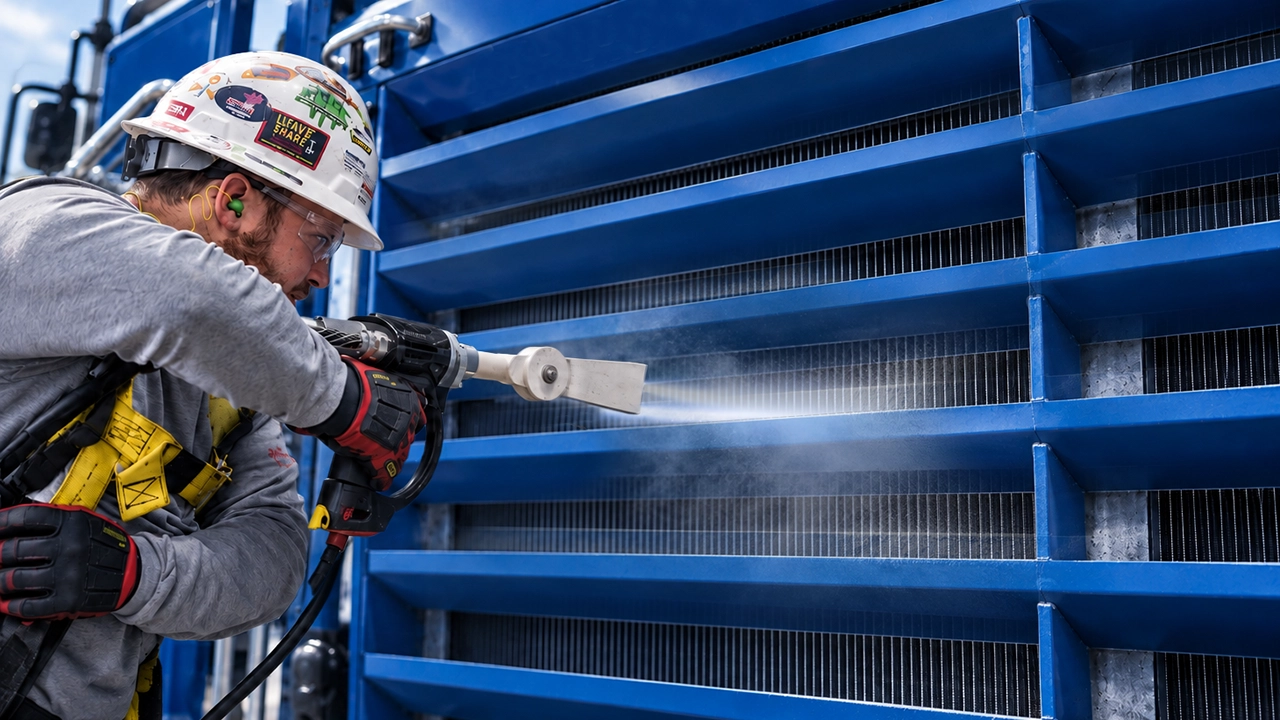
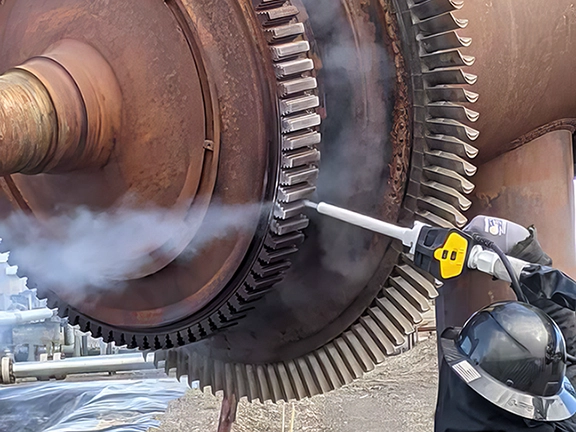
Dry ice blasting equipment is a proven method of cleaning heat exchangers, boiler tubes, radiator fins, generators, motors, pumps, and heat transfer equipment.
Dry Ice Blasting for Frac Pump Radiators
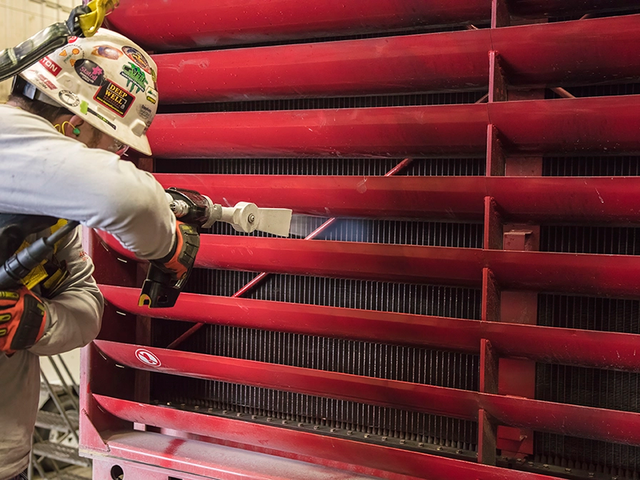
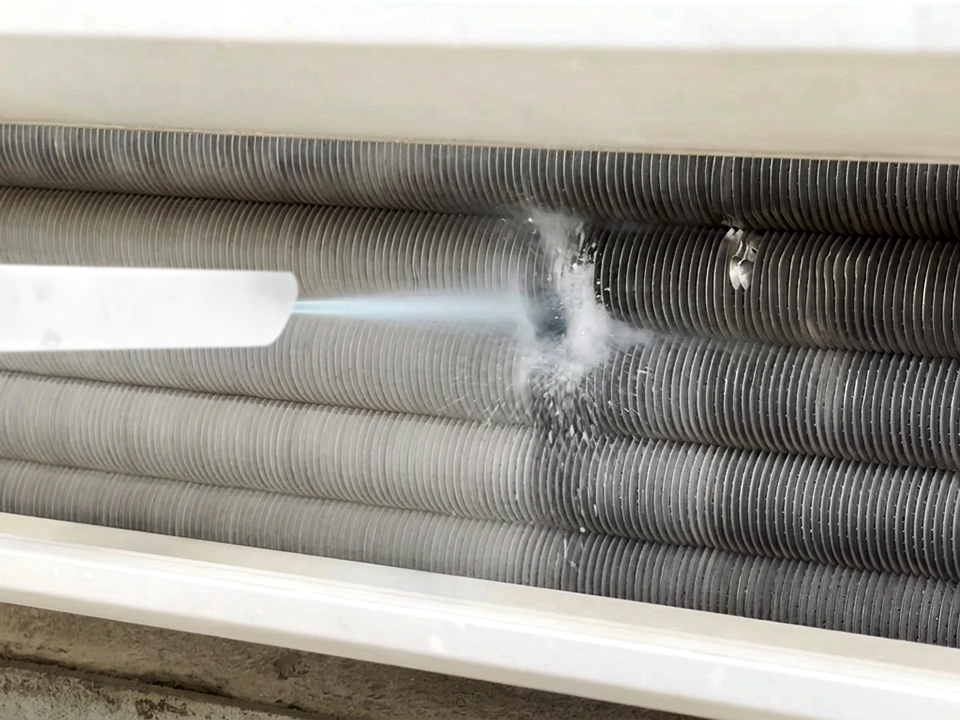
Dry ice cleaning is effective at cleaning radiator fins on frac pump trucks. The industrial cleaning process requires little to no disassembly compared to alternative methods, does not utilize water or produce secondary waste, and it will not damage the delicate radiator fins.
HRSG Cleaning with Dry Ice Blasting
Dry ice cleaning provides superior cleaning and maintenance for Heat Recovery Steam Generators (HRSGs) by thoroughly cleaning finned tubes to restore optimal efficiency. The process enables quicker cleaning operations without costly disassembly or risk to tube bundle welds or pressure parts, making dry ice blasters a safe, effective alternative for HRSG cleaning. Dry ice cleaning does not produce secondary waste or use water, which maintains a dry state and easy cleanup.
Dry Ice Blasting for Fin Fan Cleaning
Dry ice blasting machines offer significant advantages for fin fan heat exchanger cleaning in energy value chain. The non-abrasive cleaning method can improve fin fan efficiency by removing years of accumulated dust and debris, allowing air to flow freely through the fins. The gentle cleaning method prevents damage to critical components such as motors, bearings, and instrumentation and can be performed while systems remain online, eliminating costly downtime.
- Heat Exchangers
- Boiler Tubes
- Radiator Fins
- Generators
- Motors
- Pumps
- Heat Transfer Equipment
What Do Oil and Gas Companies Need for Dry Ice Cleaning?
When implementing dry ice blasting for cleaning and maintenance in oil field, offshore oil, transportation, or refinery operations, you will need equipment beyond just the dry ice blast cleaning machine. The following components are essential for a safe and efficient dry ice cleaning program in Oil and Gas:
Step 01
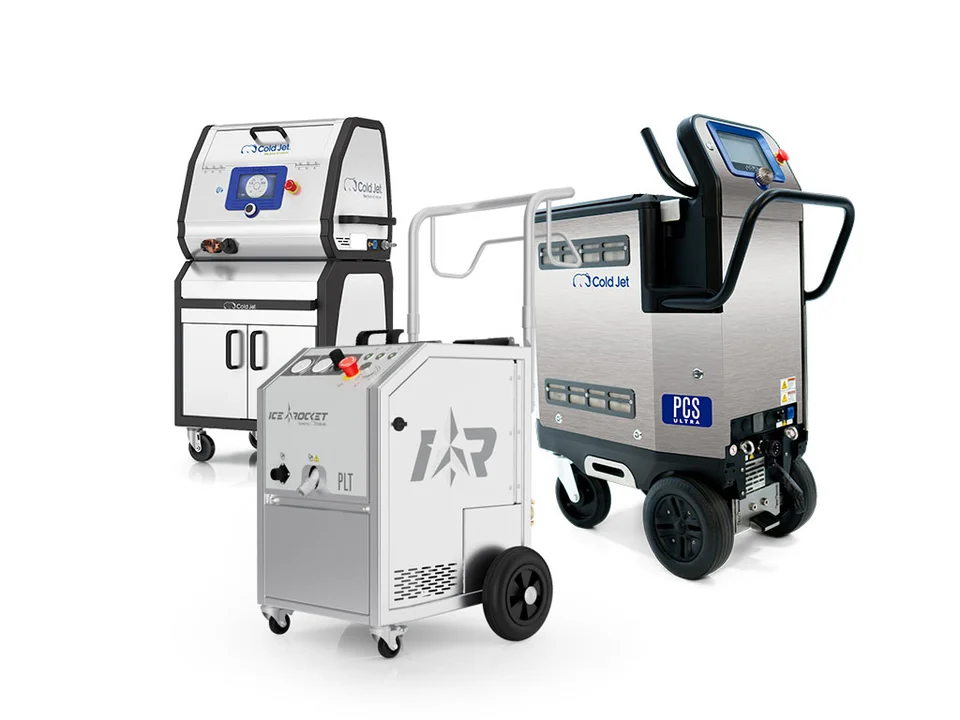
Portable and Durable Dry Ice Blaster
The foundation of your industrial cleaning and maintenance program starts with a reliable and easy to use dry ice blasting system. Cold Jet offers a variety of dry ice blasting cleaning machine models to choose from, including models with feature adjustable blasting pressures, stainless steel components, and rugged and durable frames. The systems will come complete with an applicator, a blast and air hose, and a nozzle that is best suited for your Oil and Gas application.
- 01. Portable and Durable Dry Ice Blaster — The foundation of your industrial cleaning and maintenance program starts with a reliable and easy to use dry ice blasting system. Cold Jet offers a variety of dry ice blasting cleaning machine models to choose from, including models with feature adjustable blasting pressures, stainless steel components, and rugged and durable frames. The systems will come complete with an applicator, a blast and air hose, and a nozzle that is best suited for your Oil and Gas application.
- 02. Air Compressor — Compressed air can be supplied from an existing filtered air system or from a dedicated mobile compressor with appropriate filtration. For oil field services and refining operations, air quality is critical. Systems should include moisture separation and oil filtration to ensure consistent operation. Cold Jet dry ice cleaning systems require 100 cfm (2.8 m³/min) at 80 psi (5.5 bar).
- 03. After Cooler (Recommended) — An after cooler may be useful if you are using a portable diesel compressor as your air source. An after cooler removes most of the moisture from the system and can cool the air within 15°F (-9.4°C) of the surrounding air. This is primarily dependent on humidity levels.
- 04. Reliable Dry Ice Supply — Regular access to dry ice is essential for maintaining continuous cleaning operations. Average consumption is approximately 88 lbs. per hour. Partner with suppliers who can establish a reliable delivery schedule aligned with your cleaning and maintenance schedules.
- 05. Machine and Operator Training — Proper training is essential for cleaning, oil field services, and fabric maintenance teams when using dry ice blasting in upstream, midstream, and downstream oil environments. Cold Jet offers a training course designed to equip your team with the skills to operate the machine correctly. The course covers important safety guidelines, essential operation techniques, and effective cleaning methods.
- 06. Personal Protective Equipment (PPE) — Oil and Gas cleaning and maintenance teams should be equipped with personal protective equipment, including: gloves, face shields or safety glasses, and hearing protection.
How Dry Ice Blasting Compares to Alternatives
See how dry ice blasting stacks up against traditional cleaning methods across the criteria that matter most in oil and gas operations.
| Criteria | Dry Ice Blasting Best | Chemical Cleaning | Manual Cleaning | Sand Blasting | Laser Cleaning |
|---|---|---|---|---|---|
| Secondary Waste | None – sublimates to gas, no residue | High – spent solvents and wastewater | Moderate – used solvents, rags, debris | High – spent abrasive media and dust | Low – vaporized residue needs extraction |
| Speed | Fast – cleans online, no disassembly | Slow – soak and rinse cycles | Slow – labor intensive | Slow – masking and cleanup add time | Slow – point-by-point on large assets |
| Equipment Damage | None – no etching, abrasion, or moisture | Possible – caustic/acidic damage | High – scraping wears surfaces | High – abrasive, embeds debris | Possible – heat can alter surfaces |
| Regulatory Compliance | Strong – meets EHS, non-conductive | Limited – solvent and disposal rules | Inconsistent – operator dependent | Limited – silica/dust exposure rules | Limited – VOC exposure |
| Downtime | Minimal – clean online, no shutdown | High – disassembly and soak time | High – teardown and drying | High – containment and cleanup | Moderate – setup per surface |
| Environmental Impact | Low – no water/chemicals, reclaimed CO₂ | High – hazardous chemical disposal | Moderate – water and chemical use | High – dust and spent media disposal | Moderate – generates VOC & energy intensive |
What is the best machine for dry ice blasting in Oil and Gas?
Cold Jet offers a comprehensive range of dry ice blasting machines for the entire Oil and Gas value chain. Our durable, reliable, and user-friendly machines effectively clean operational equipment without disassembly or secondary waste, helping you minimize downtime while ensuring the highest environmental, health, and safety standards.
Aero2® PCS® ULTRA
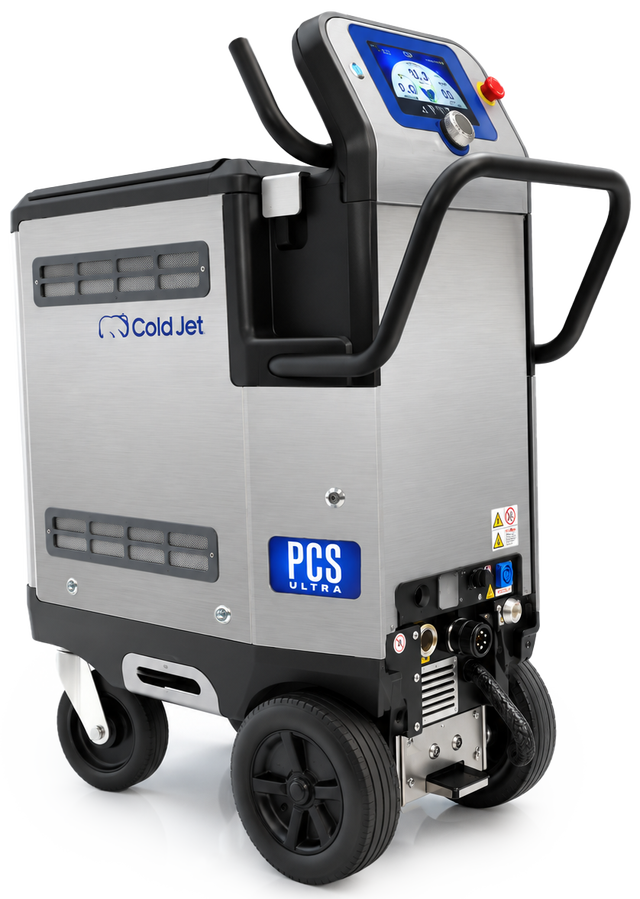
The Aero 2 PCS ULTRA is a versatile machine for a variety of applications in the Oil and Gas value chain, from gentle cleaning with MicroParticle dry ice to aggressive cleaning with 3 mm dry ice granules.
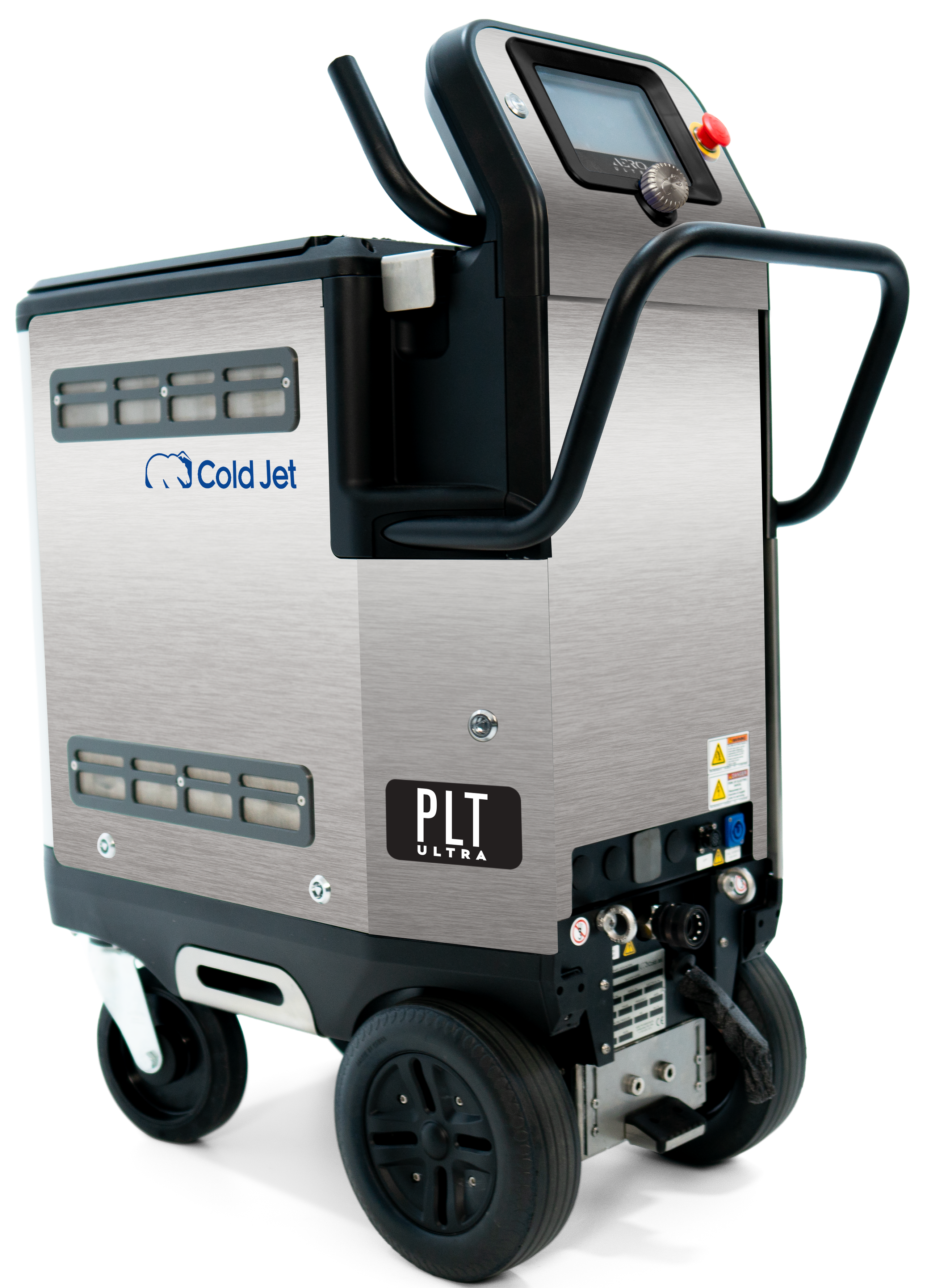
Aero2® PLT® ULTRA
The Aero2 PLT ULTRA is a full pellet dry ice blaster that delivers up to 250 PSI of blast pressure, making it ideal for removing hardened bitumen, heavy carbon, and stubborn buildup from oil and gas equipment. Programmable application recipes ensure consistent results across cleaning crews.
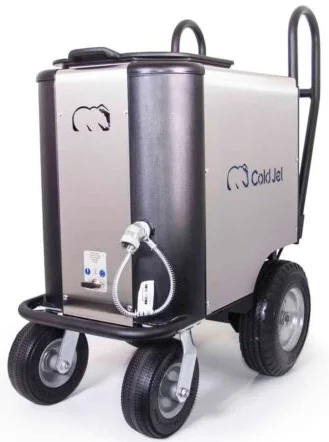
Aero® 40FP
The Aero 40FP offers greater power to tackle even the most stubborn contaminant like heavy oil and bitumen. Its innovative air system allows for consistently powerful, pulse-free blasting.
How Do These Dry Ice Blasters Compare for Oil & Gas?
Side-by-side specs for the Cold Jet blasters suited to oil and gas maintenance, so you can match each machine to heat exchangers, valves, rigs, and refinery equipment.
| Specification | Aero2® PCS® ULTRA | Aero2® PLT® ULTRA | Aero® 40FP |
|---|---|---|---|
| Particle Control | Variable(0.3mm to 3.0mm, 28 sizes) | Standard(3mm) | Standard(3mm) |
| Controls | Digital(7" LCD, Recipes, IoT) | Digital(7" LCD, Recipes, IoT) | Analog / Standard |
| Feeder Technology | Two-Stage + Defrost Cycle | Two-Stage + Defrost Cycle | Advanced Radial Feeder |
| Application Intensity | Versatile(Precision to Aggressive) | Highly Aggressive / High Power | Moderate to Aggressive |
| Automation & Integration Capable | Yes | Yes | No |
| Hopper Capacity | 60 lbs(27 kg) | 60 lbs(27 kg) | 40 lbs(18 kg) |
Why Invest in Cold Jet Machines for Oil and Gas
Investing in Cold Jet dry ice blasting equipment enhances operational efficiency and safety in Oil and Gas environments. When evaluating this capital investment, consider both the return on investment (ROI) and operational benefits specific to your operations. Cold Jet machines deliver faster ROI and greater value through:
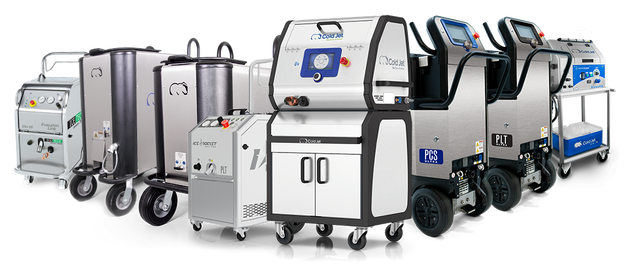
Durable and Efficient Dry Ice Blasters
Our machines are built for all types of upstream, midstream, and downstream environments and are significantly more durable and have a longer machine life than competitor dry ice blasters.
Lower Operational Costs
Cold Jet machines use significantly less consumables than competitors: dry ice, compressed air, and electricity. Effectively reducing your maintenance and cleaning expenses.
Accessories for All Applications
Cold Jet has the most comprehensive range of nozzles, applicators, blast hoses, and accessories for Oil and Gas applications.
Industry Leading Reliability
With more than 24,000 machines installed globally, we are the trusted dry ice blaster provider for Oil and Gas companies and Oil Field Services companies.
Unmatched Service and Training
Our regional sales and service teams understand the unique challenges in Oil and Gas environments and are always within reach. Our teams provide both service and professional operation training.
Oil and Gas companies around the world rely on Cold Jet
With a global install base of 24,000+ that consists of companies large and small – Cold Jet delivers real value across the entire energy value chain.






Oil and Gas Success Stories
Dry Ice Blasting Cleans a Decade of Buildup from TüPRAS Train Wagons
Summary
TüPRAS, Turkey's largest industrial company, needed to safely clean a decade of contamination from 149 petroleum railway wagons without hazardous chemicals near an active refinery. Dry ice blasting with four Cold Jet Aero 40FP systems let a 13-person crew clean every wagon over six months, restoring normal delivery schedules without fire risk or chemical waste.
Meeting Environmental, Health & Safety Standards
Dry ice blasting helps oil and gas operations meet environmental, health, and safety requirements without water, chemicals, or secondary waste.
Waste and Environmental Reporting
Water- and chemical-based cleaning generate wastewater, solvent waste, and spent media that carry disposal and environmental-reporting obligations.
Dry ice blasting uses no water or chemicals and leaves no secondary waste stream, helping operations meet the highest environmental standards with reclaimed CO₂.
Electrical & Fire Safety
Cleaning energized motors, generators, and switchgear requires a method that will not introduce moisture or cause shorts and fires.
Dry ice is non-conductive and moisture-free, safely cleaning energized equipment without electrical shorts or fire risk, and produces no dust clouds for workers to inhale.
Corrosion & Slip Prevention
Water-based cleaning introduces moisture that accelerates corrosion and creates slippery, muddy work environments.
Dry ice sublimates on contact, adding zero moisture – preventing corrosion and eliminating slip hazards while leaving surfaces dry and ready for coating.