Carbon Capture
Biogas Carbon Capture
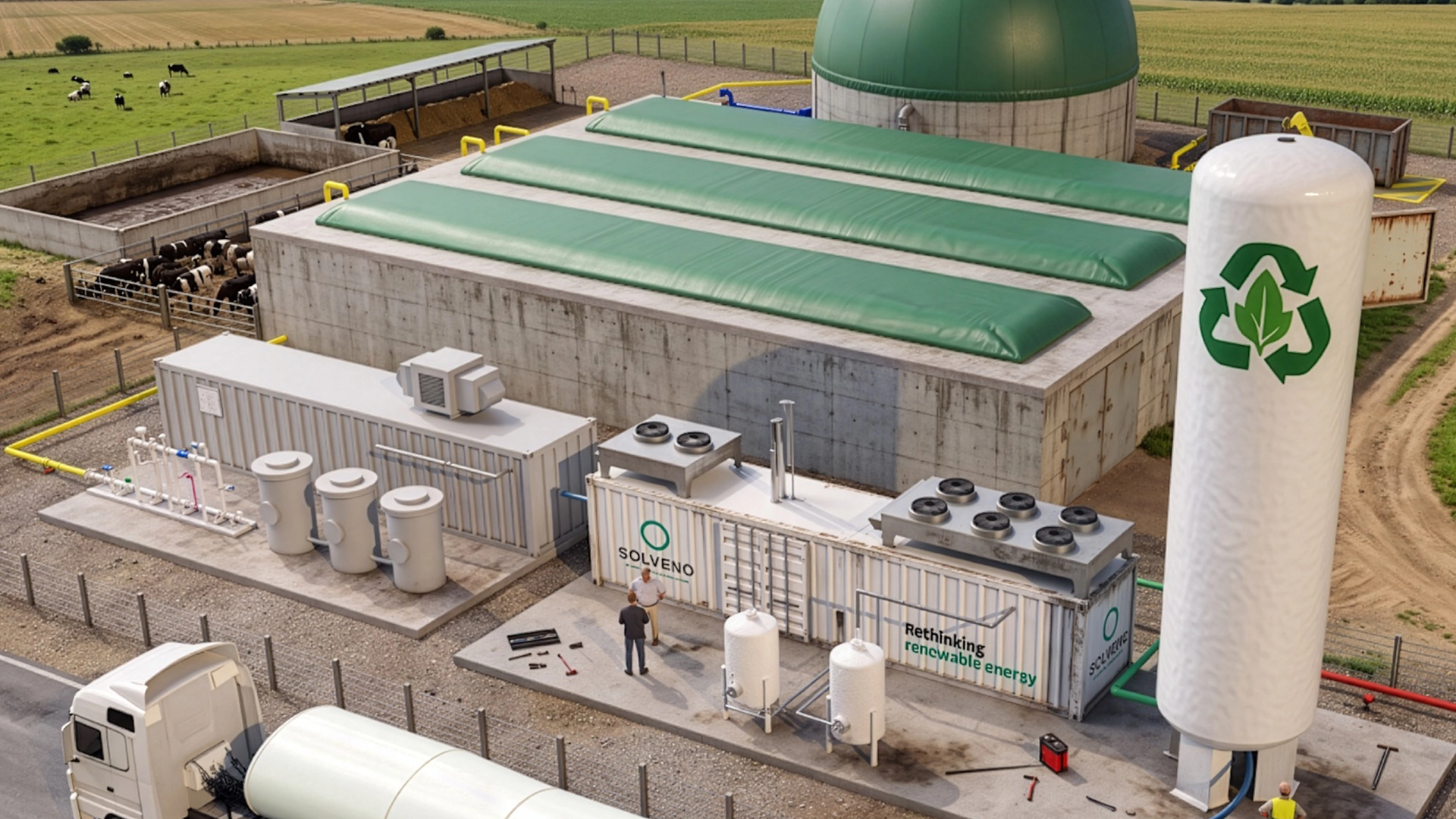
Capture the CO₂-rich off-gas from biogas upgrading, recover residual methane, and liquefy the CO₂ into a food-grade product.
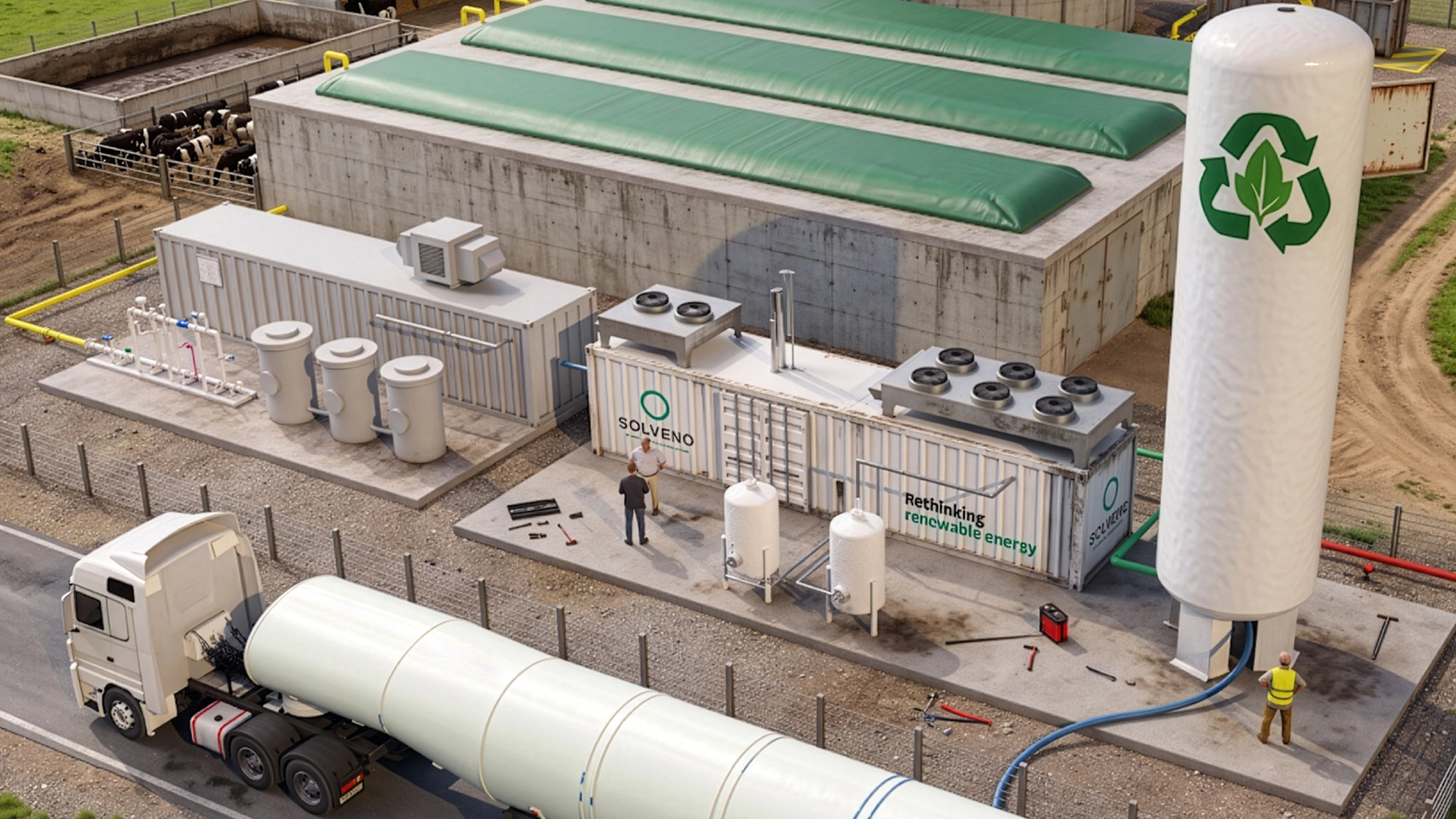
Stop venting your upgrading off-gas. Cold Jet CB systems capture and liquefy biogenic CO₂ into food-grade product, return the methane to your plant with zero methane slip, and open the door to liquid CO₂ and dry ice markets.
Zero
Methane Slip
28 t/day
Food-Grade LCO₂
3–4x
Dry Ice Revenue
Summary
Cold Jet CB carbon capture systems connect to your biogas upgrading unit, capture the CO₂-rich off-gas you vent today, and purify, compress, liquefy, and distill it into food-grade liquid CO₂. Residual methane returns to your plant for zero methane slip and a lower CI score, and the liquid CO₂ becomes a new revenue stream — or feedstock for on-site dry ice production.
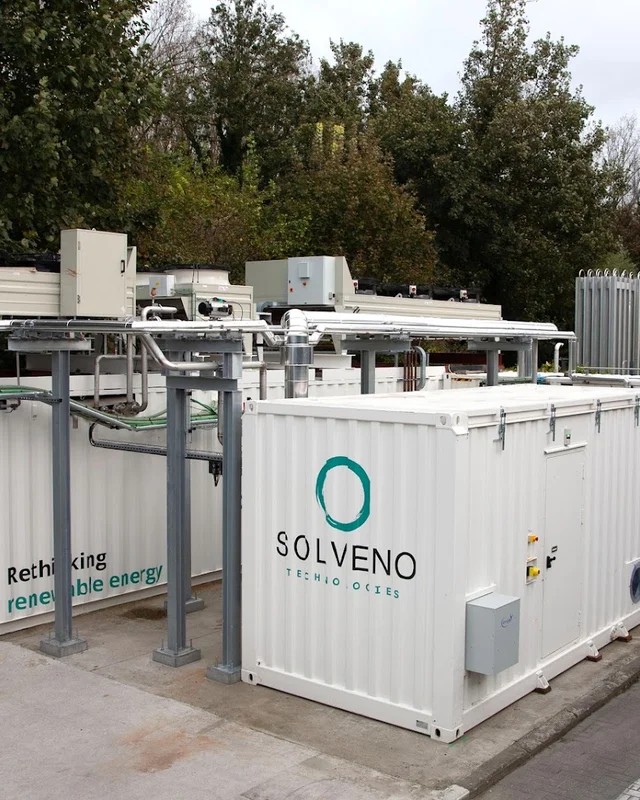
Carbon capture for biogas is the recovery of the CO₂ separated from raw biogas during upgrading to biomethane. Raw biogas is a mix of methane and CO₂; after upgrading, the CO₂ stream is usually vented, carrying residual methane with it. A Cold Jet CB system takes that off-gas at 0–0.3 barg and runs it through compression, cooling, liquefaction, and a proprietary distillation step, producing food-grade liquid CO₂ at 18 barg. Its closed-loop design returns removed impurities — including methane — to the plant, so nothing slips to atmosphere. The containerized, fully autonomous units use natural CO₂ (R744) as refrigerant and about 180 kWh per ton of liquid CO₂.
Biogenic CO₂ is in demand — from greenhouses and beverage producers to dry ice manufacturers and emerging e-fuel projects — and independent dry ice producers are continually looking for reliable CO₂ sources. Capturing it also recovers methane that would otherwise slip away, improving plant efficiency and your CI score.
Zero
Methane Slip
180
kWh
Energy per Ton LCO₂
1,000–4,500
kg/hr
Configurable Capacity
Natural R744
Refrigerant
Carbon capture turns your vented off-gas into food-grade liquid CO₂ revenue while recovering the biomethane you are losing today
Upgrading separates raw biogas into biomethane and a CO₂-rich off-gas that most plants simply vent. That off-gas still carries methane, a potent greenhouse gas that raises your CI score and represents RNG you produced but never sold. Cold Jet CB systems, in partnership with Solveno Technologies, capture that stream, return the methane to your plant, and liquefy the CO₂ into a product you can sell — or turn into dry ice.
 Revenue
Captured off-gas is purified, liquefied, and distilled into food-grade CO₂ you can sell to greenhouses, beverage and food producers, dry ice manufacturers, and e-fuel projects — a second product alongside your RNG.
 Efficiency
The closed-loop design returns removed impurities, including residual methane, back to the plant instead of venting them — so gas you already paid to produce is no longer lost with the CO₂ stream.
 Sustainability
Eliminating methane slip and capturing CO₂ that would otherwise be vented drastically reduces the carbon intensity score of your upgraded biogas, strengthening the value of your RNG.
 Revenue
Add a Cold Jet Dry Ice Production Hub and convert liquid CO₂ into dry ice on site. Cold Jet's analysis shows dry ice revenue can be three to four times greater than liquid CO₂.
 Operations
CB systems arrive in containers, need no extra building infrastructure, handle variations in feed flow, and run with minimal operator intervention once commissioned.
 Efficiency
About 180 kWh per ton of liquid CO₂, natural CO₂ (R744) refrigerant, and oil-free reciprocating pumps keep operating and maintenance costs low.
Captured biogenic CO₂ is a product, not a waste stream. Sell food-grade liquid CO₂ into established markets, or convert it into dry ice for even greater value.
Capture the CO₂-rich off-gas from biogas upgrading, recover residual methane, and liquefy the CO₂ into a food-grade product.
Supply greenhouses, beverage and food producers, fire suppression, e-fuel projects, and dry ice manufacturers with food-grade biogenic CO₂.
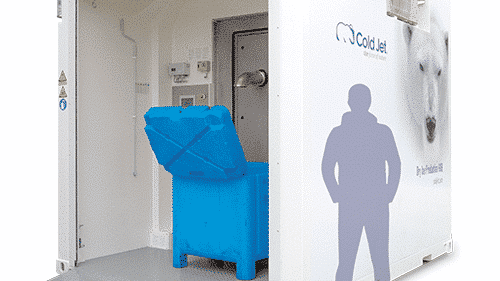
Convert liquid CO₂ into dry ice on site with a Dry Ice Production Hub and sell into blasting and cold chain markets.
The CB system connects directly after your upgrading unit, taking the off-gas you vent today and separating it into food-grade liquid CO₂ and recovered gas that returns to your plant.
The CB unit accepts CO₂ off-gas at 0–0.3 barg and −30 to 55°C directly from membrane or other upgrading systems — up to 600 Nm³/hr on the CB 12 and 850 Nm³/hr on the CB 17 — and easily handles variations in feed flow.
A closed-loop design returns every removed impurity, including residual methane, back to the biogas plant. Methane no longer escapes with the CO₂ stream, improving productivity and lowering your CI score.
Compression, cooling, liquefaction, and a final proprietary distillation step deliver a high CO₂ recovery rate and food-grade liquid CO₂ at 18 barg and −30°C, with a pressure dew point of −40°C or lower.
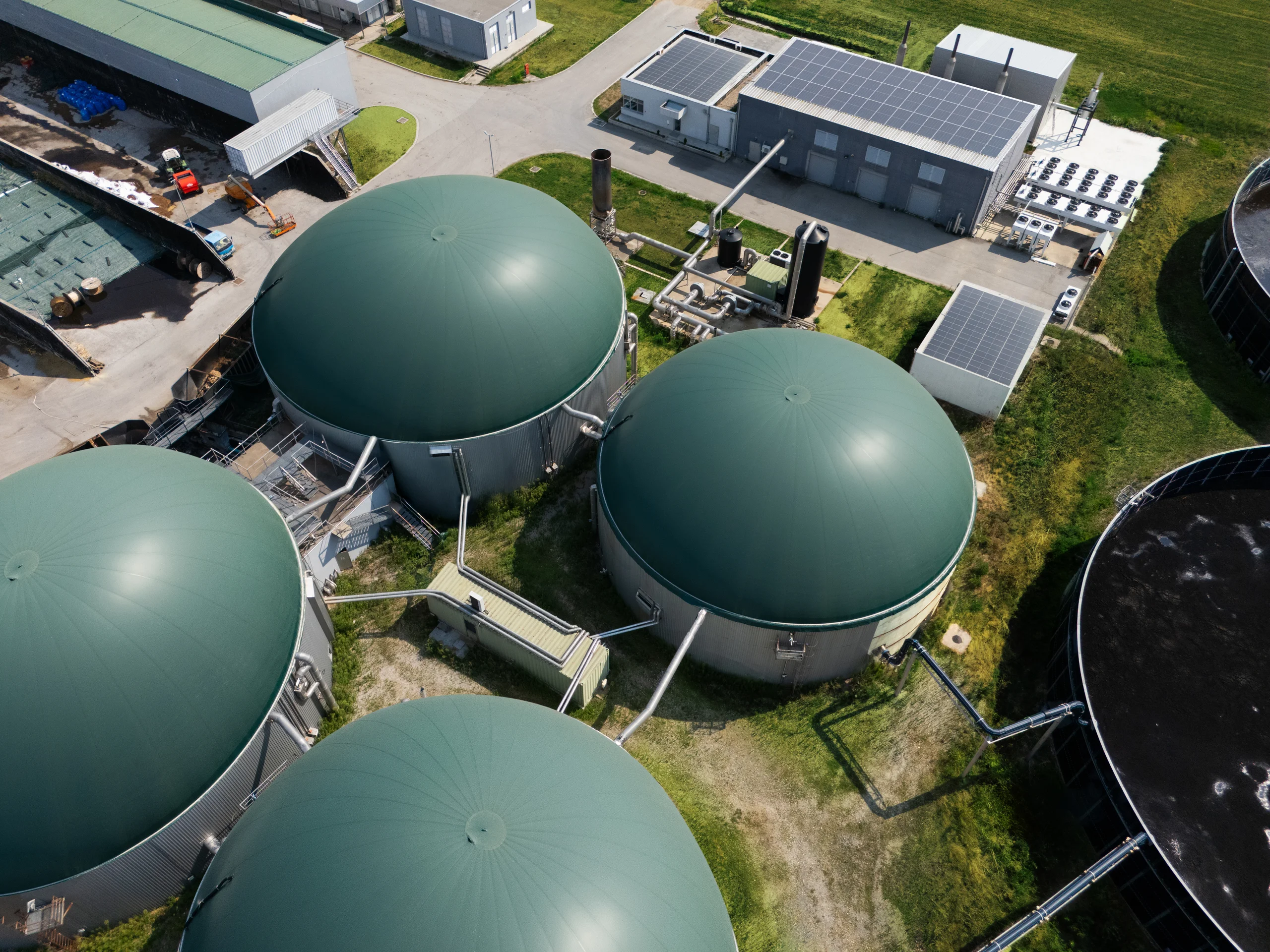
CO₂ demand is growing, and biogenic CO₂ from your plant can serve established markets today and emerging e-fuel and carbon removal markets tomorrow.
Sell food-grade liquid CO₂ for beverage carbonation and food processing, greenhouse and horticulture enrichment, and fire suppression — industries that already buy CO₂ every day.
Independent dry ice producers continually seek reliable CO₂ sources — or you can produce dry ice yourself. A Dry Ice Production Hub beside your CB system converts liquid CO₂ into dry ice for blasting and cold chain customers.
New CO₂ applications such as eMethanol, eMethane, sustainable aviation fuels, carbon capture and storage, and mineralization are expected to generate significant demand on the path to 2050 net zero.
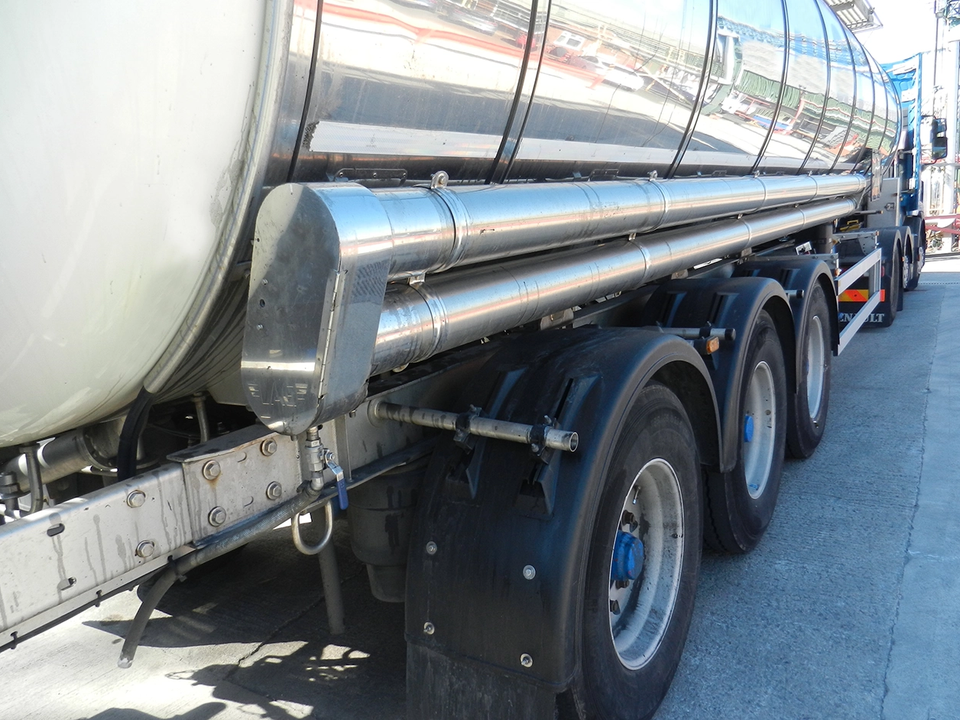
Cold Jet can help you identify demand for liquid CO₂ and dry ice in your area and connect you with potential partners and customers.
A CB carbon capture installation connects directly after your upgrading unit. When adding carbon capture to your plant, the following components work together:
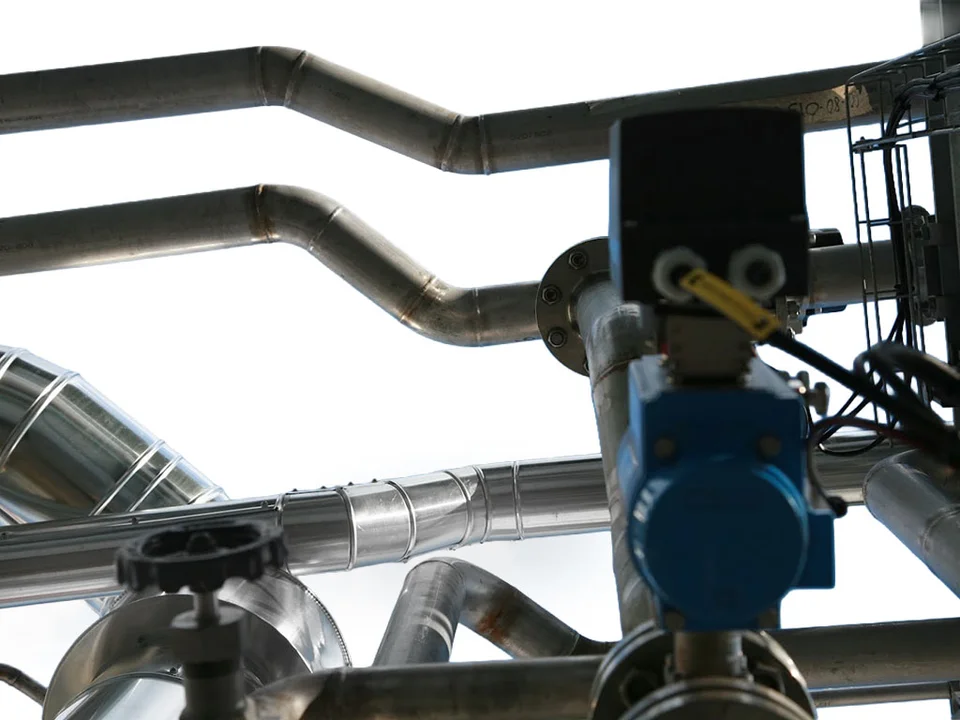
Step 01
0–0.3 bargOff-Gas Feed
Connection to Your Upgrading Unit
The CB system takes its feed from the CO₂-rich off-gas leaving your upgrading unit — up to 600 Nm³/hr for the CB 12 and 850 Nm³/hr for the CB 17 — and is designed around your biogas composition.
See how capturing and liquefying your off-gas compares with venting it or burning off its methane in a thermal oxidizer.
| Criteria | CB Capture + Dry Ice Hub Best | CB Capture (Liquid CO₂) | Venting Off-Gas | Thermal Oxidation |
|---|---|---|---|---|
| Methane Slip | Zero — recovered to plant | Zero — recovered to plant | Residual methane vented | Destroyed, not recovered |
| CO₂ to Atmosphere | Captured and sold | Captured and sold | All vented | All vented, plus combustion CO₂ |
| Revenue From Off-Gas | Dry ice — 3–4x liquid CO₂ | Food-grade liquid CO₂ | None | None — added operating cost |
| CI Score | Drastically reduced | Drastically reduced | Highest — slip counts against CI | Reduced, but CO₂ still vented |
| Recovered Biomethane | Returned to the plant | Returned to the plant | Lost | Burned |
| Site Infrastructure | Containerized — no new buildings | Containerized — no new buildings | None | Oxidizer and fuel supply |
Cold Jet CB systems capture and liquefy upgrading off-gas from 600 to 850 Nm³/hr, with platforms up to 4,500 kg/hr on request — and the Dry Ice Production Hub turns your liquid CO₂ into dry ice on site.
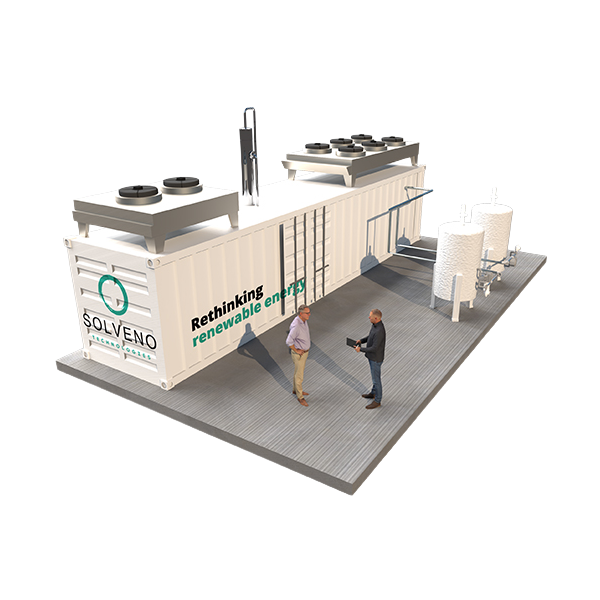
CB 12 Biogas Carbon Capture System
The CB 12 captures up to 600 Nm³/hr of upgrading off-gas and liquefies up to 2,619 lb (1,188 kg) per hour of food-grade CO₂ — about 28 tons a day — in a single 40 ft container.
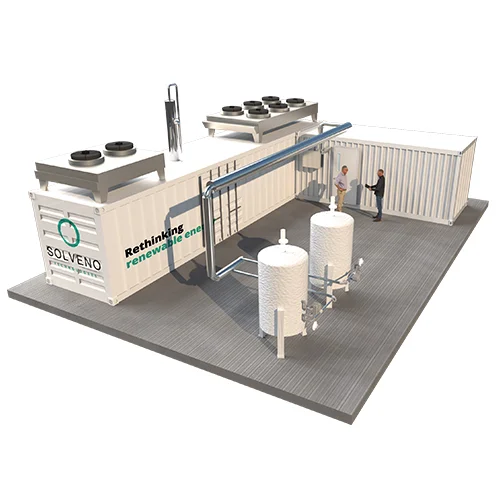
CB 17 Biogas Carbon Capture System
The CB 17 captures up to 850 Nm³/hr of off-gas and liquefies up to 3,710 lb (1,683 kg) per hour of food-grade CO₂ for larger biomethane plants.
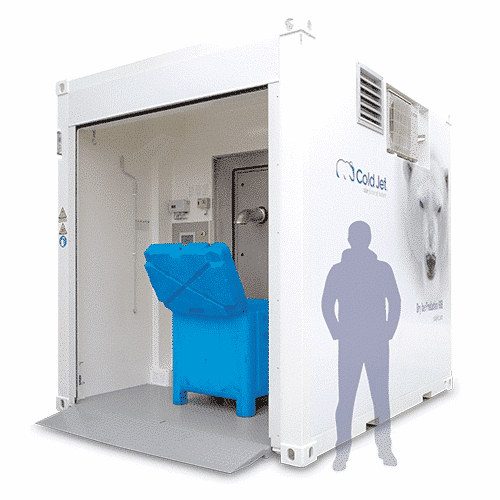
Dry Ice Production Hub
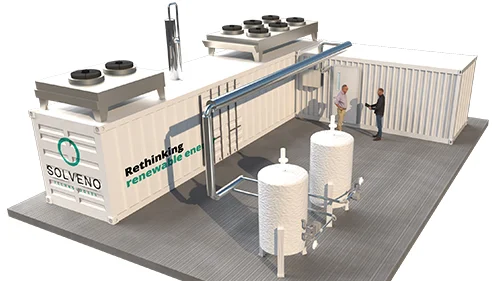
A complete dry ice plant in a 10 ft High Cube ISO container. Pair it with your CB system to turn liquid CO₂ into up to 350 kg of dry ice per hour on site.
Side-by-side specs for the Cold Jet systems that capture your CO₂ and turn it into liquid CO₂ and dry ice.
Carbon capture for biomethane plants
Carbon capture for large biogas plants
Turns liquid CO₂ into dry ice on site
| Specification | CB 12 | CB 17 | Dry Ice Production Hub |
|---|---|---|---|
| Production | |||
| Role in the Operation | Captures and liquefies off-gas | Captures and liquefies off-gas | Turns liquid CO₂ into dry ice |
| Maximum Output | 1,188 kg/hr food-grade LCO₂ | 1,683 kg/hr food-grade LCO₂ | 350 kg/hr dry ice(PR350H) |
| Feed / Input | Up to 600 Nm³/hr CO₂ gas | Up to 850 Nm³/hr CO₂ gas | Liquid CO₂ at 13–18 bar |
| Product | Food-grade liquid CO₂ | Food-grade liquid CO₂ | Pellets or nuggets, 3–16 mm |
| Methane Slip | Zero | Zero | Not published |
| Energy Use | 180 kWh per ton LCO₂ | 180 kWh per ton LCO₂ | Max. 11 kW |
| Installation | |||
| Setup | 1 × 40 ft container | 1 × 40 ft + 1 × 20 ft containers | 10 ft High Cube ISO container |
| Power | 300 kVA | 500 kVA | 3-phase, 35 A fuse |
| Machine Controls | |||
| Operation | Fully autonomous | Fully autonomous | One-button, three-step operation |
| Remote Support | Remote technical support | Remote technical support | Cold Jet CONNECT |
Specs from Cold Jet CB 12, CB 17, and Dry Ice Production Hub spec sheets. "—" means not applicable. Contact a Cold Jet specialist to size a system for your plant.
If your upgrading unit vents CO₂ today, you are losing both a sellable product and methane you already paid to produce.
When evaluating carbon capture, look at your off-gas flow, biogas composition, local CO₂ and dry ice demand, and CI score goals. Cold Jet will size the system, support your engineering, and help you find buyers for your CO₂.
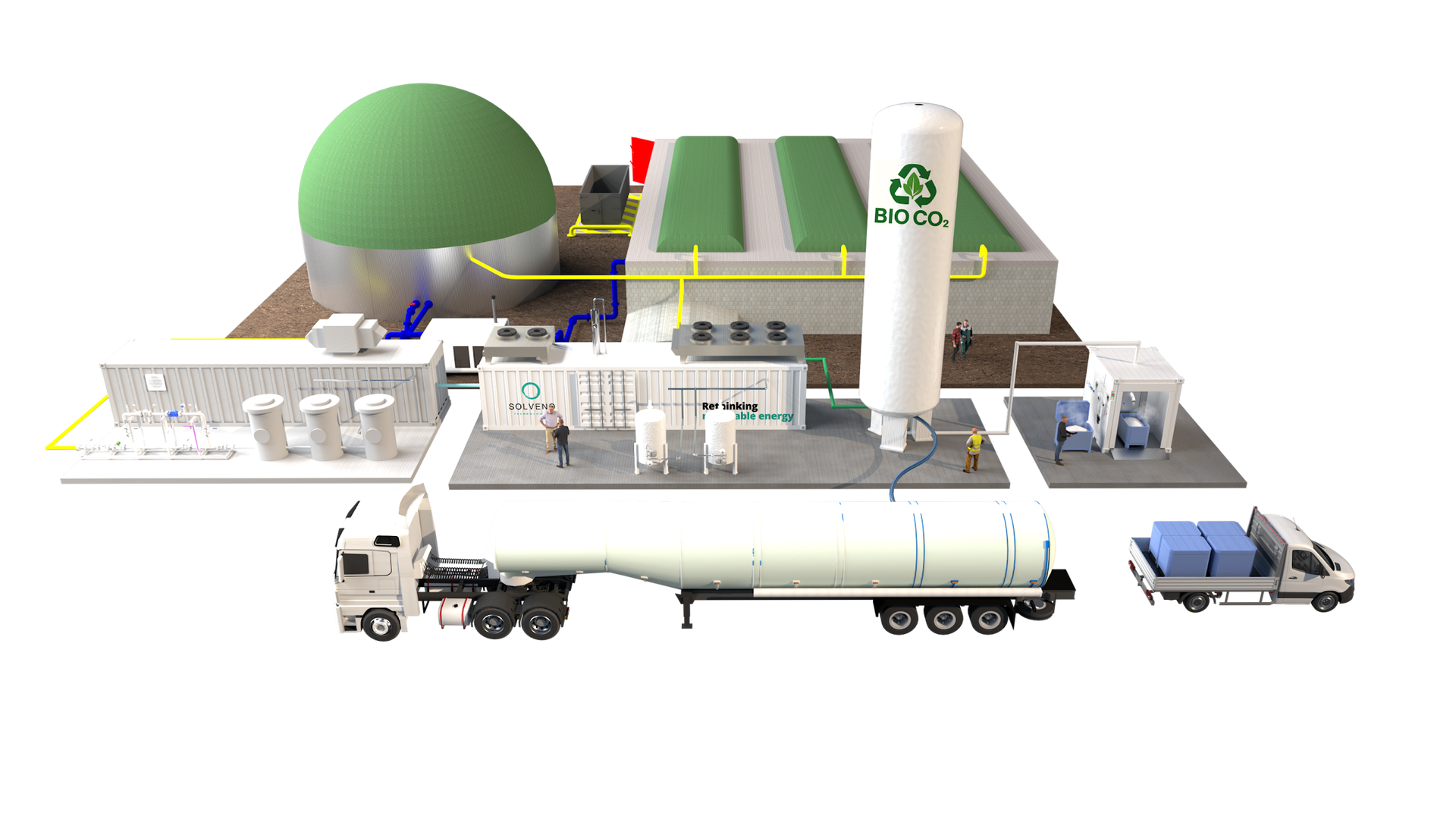
Capture Technology Built for Biogas
Through our partnership with Solveno Technologies, CB systems are designed specifically for biomethane plants — zero methane slip, food-grade output, and proprietary distillation.
From CO₂ Capture to Dry Ice
Cold Jet covers the full CO₂ value chain — capture and liquefaction, dry ice production, CO₂ recovery, and dry ice blasting — so your plant can grow from liquid CO₂ into dry ice.
Help Finding Buyers
Cold Jet helps RNG sites identify demand for CO₂ and dry ice in their local areas and connects them with potential partners and customers.
Autonomous, Low-Energy Operation
Containerized, fully autonomous CB units use about 180 kWh per ton of liquid CO₂ and natural R744 refrigerant, with oil-free pumps that keep maintenance low.
Engineering and Remote Support
Client-side utilities, piping, and electrical engineering support, preventive maintenance, and remote technical support — backed by 16 service centers in 11 countries.
Sized to Your Plant
Choose the CB 12 or CB 17, configure a platform from 1,000 to 4,500 kg/hr, and add options such as ESG reporting, a gas dryer, or an energy efficiency package.
See What Customers Say About Cold Jet Dry Ice Production
The Cold Jet dry ice production equipment produces the purest dry ice available.
Carbon capture helps RNG producers eliminate methane slip, document emissions reductions, and deliver CO₂ that meets food-grade expectations.
Zero Methane Slip
Methane is a potent greenhouse gas, and residual methane vented with upgrading off-gas is under growing scrutiny from regulators and RNG buyers.
The CB closed-loop design returns removed methane to the biogas plant instead of venting it, delivering zero methane slip.
Lower CI Score for Your RNG
Low-carbon fuel programs value RNG by its carbon intensity, and methane lost from the plant counts against that score.
Recovering methane and capturing CO₂ drastically reduces the CI score of your upgraded biogas, improving plant efficiency and RNG value.
Purity for Food & Beverage Buyers
Beverage, food, and dry ice buyers expect CO₂ that meets food-grade specifications, and biogas-derived CO₂ carries trace impurities that must be removed.
A multi-stage process ending in proprietary distillation produces high-purity liquid CO₂ with the potential to meet food-grade specifications, at a pressure dew point of −40°C or lower.
Measurable Emissions Reductions
Investors, RNG offtakers, and regulators increasingly ask producers to document emissions reductions with reliable data.
The optional CO₂ Emissions Reporting Package measures input and output flows to report the CO₂ emissions your plant captures and saves.
Safe Handling of Captured CO₂
Liquid CO₂ and dry ice production require ventilation, CO₂ monitoring, and trained operators — CO₂ concentrations above OSHA's 0.5% 8-hour limit are hazardous.
CB systems are containerized and fully autonomous, and the Dry Ice Production Hub includes ventilation and a three-level CO₂ alarm; Cold Jet provides engineering support and training.
Contact us today. We will review your off-gas flow and biogas composition, size the right CB system, and help you identify local buyers for liquid CO₂ and dry ice.