
Overview
Summary
Onsite dry ice production gives biopreservation operations direct control over the availability, format, quality, and cost of the dry ice that protects temperature-sensitive biological material. Cold Jet production systems convert liquid CO₂ into fresh pellets or high-density slices on demand, with 12–14% better conversion efficiency than the market standard. Paired with an integrated dosing system, they can deliver a pre-programmed quantity directly into a shipping parcel, with no manual handling of the ice.
What is onsite dry ice production for biopreservation?
Onsite dry ice production is the practice of manufacturing dry ice at your own facility instead of buying it from a third-party supplier. Liquid CO₂ is delivered to a reservoir on site, piped into a Cold Jet production system, and released to atmospheric pressure, where it forms CO₂ snow that the machine compresses into pellets, nuggets, or high-density slices. In biopreservation that ice goes into validated shippers holding cell and gene therapies, mRNA and other vaccines, clinical trial samples, banked tissue, and diagnostic specimens. Dry ice holds -109.3°F (-78.5°C), roughly three times the refrigeration power of water ice, and sublimates directly from solid to gas, so there is no meltwater in the box and no residue on primary packaging. Producing onsite means the ice reaching your packing line is hours old rather than days old, which matters because dry ice sublimates continuously from the moment it is made. It also means a schedule change, a format change, or a re-icing request is handled at the push of a button instead of a purchase order. Dry ice is made from recycled CO₂ captured at industrial and biogas facilities, and the California Air Resources Board has confirmed that using this recycled CO₂ does not add to the end user’s carbon footprint.

Challenge
Why biopreservation needs a cooling medium you control
Biological material is time and temperature sensitive, low in volume, high in value, and increasingly made to order for a single patient. Industry estimates put the share of healthcare product lost to temperature excursions in the 1% to 5% range, and for an autologous therapy the loss is not replaceable at any price. Buying dry ice from a third party means paying for delivery, paying for storage, and absorbing the sublimation loss between the supplier’s plant and your dock — while accepting whatever quantity and quality arrives. By producing your own dry ice, you gain complete control over availability, quality, and cost at the one point in the cold chain that is still yours to control.
-109.3°F
Dry Ice Temperature
-78.5°C
12–14% Better
LCO₂ Conversion vs. Market Standard
On Demand
Production Schedule
3x Water Ice
Cooling Power
Benefits
What Are the Benefits of Onsite Dry Ice Production for Biopreservation?
Onsite production gives you control of the cooling medium your cold chain depends on
Cell and gene therapies, mRNA vaccines, clinical trial samples, and banked tissue all have to be held below freezing from the moment they are made until the moment they are administered. Most of that cold chain sits outside your building: a courier, a ground handler, a customs queue, a delayed flight. The one part you can control is the cooling medium going into the box, and for most organizations that is bought from a third party on a delivery schedule that has nothing to do with the shipping schedule.
Producing dry ice onsite closes that gap. You make what you need, in the format your shippers take, hours before it goes in the box rather than days. Dry ice holds -109.3°F (-78.5°C) with roughly three times the refrigeration power of water ice, it sublimates to gas instead of melting, and it keeps working with no power source and no battery to fail. Dosed automatically into validated packaging, it becomes a cold chain step that is measurable, repeatable, and documented.
 Reliability
Secure Your Dry Ice Availability
Dry ice availability has long been the limiting factor in cold chain planning. A supplier outage, a delivery window that misses your packing schedule, or a sudden re-icing requirement can hold up a shipment that cannot wait. Producing onsite, you respond in minutes rather than waiting on a supplier’s next run. Cold Jet systems start up in under five minutes and are designed for continuous operation.
 Quality
Denser Dry Ice That Lasts Longer in the Box
Dry ice sublimates from the moment it is made, so every hour spent in a delivery truck or a holding container is cooling you paid for and did not get. Cold Jet’s patented production technology extrudes the highest density dry ice on the market, which sublimates more slowly, extends the number of days a payload can stay in its shipping box, and lowers the poundage of dry ice needed per shipment.
 Product Viability
Reduce Temperature Excursion Risk
Dry ice needs no power, no battery, and no charge cycle, so it keeps cooling through a delayed flight, a customs hold, or a shipper stranded in transit. When paired with innovative packaging and automated dosing, this approach has been used to move billions of vaccine doses with zero reported temperature excursions.
 Safety
Automated Dosing With No Human Contact
Dry ice is a solid, which makes it far easier to contain and automate than liquid nitrogen. Integrated dosing systems meter a pre-programmed quantity straight into the shipping parcel, so the ice never has to be handled, weighed, or cut by an operator. That removes a cryogenic handling hazard and makes the loaded quantity repeatable across every shipment and every shift.
 Sustainability
Cooling Made From Recycled CO₂
Dry ice is the product of a carbon capture and utilization process. CO₂ that would otherwise have been released as waste at an industrial or biogas facility is captured, recycled, and converted into a cooling medium. The California Air Resources Board has confirmed that this CO₂ does not add to the end user’s carbon footprint. Dry ice also replaces refrigerants and single-use gel packs, and because it sublimates in transit, loads get lighter as they travel.
Applications
Where Is Dry Ice Used in Biopreservation?
Dry ice does the cooling work between the freezer and the patient. It holds cell and gene therapies, vaccines, clinical trial samples, and banked tissue at temperature through packing, transit, customs, and last-mile delivery.
Validated For
- EPA, FDA, and USDA Approved for Use Around Food
- IATA Dangerous Goods Regulations (UN 1845)
- Good Distribution Practice (GDP) Aligned
- CARB: No Impact on Your Carbon Footprint
- Made From Recycled CO₂
Hold Biological Material at Temperature From Manufacture to Administration
Advanced therapies, vaccines, and research samples share the same profile: time and temperature sensitive, low volume, high value, made to order, and shipped through a chain that expects end-to-end visibility.
Cooling that does not depend on power
Powered and battery-based shippers work well until they do not. If a container malfunctions or a shipment sits in a customs queue or on a tarmac longer than planned, the treatment does not reach the patient. Dry ice keeps cooling with no charge cycle and no failure mode beyond sublimation, which makes shipments more scalable and lets them reach the furthest corners of the globe.
Matched to the temperature the payload requires
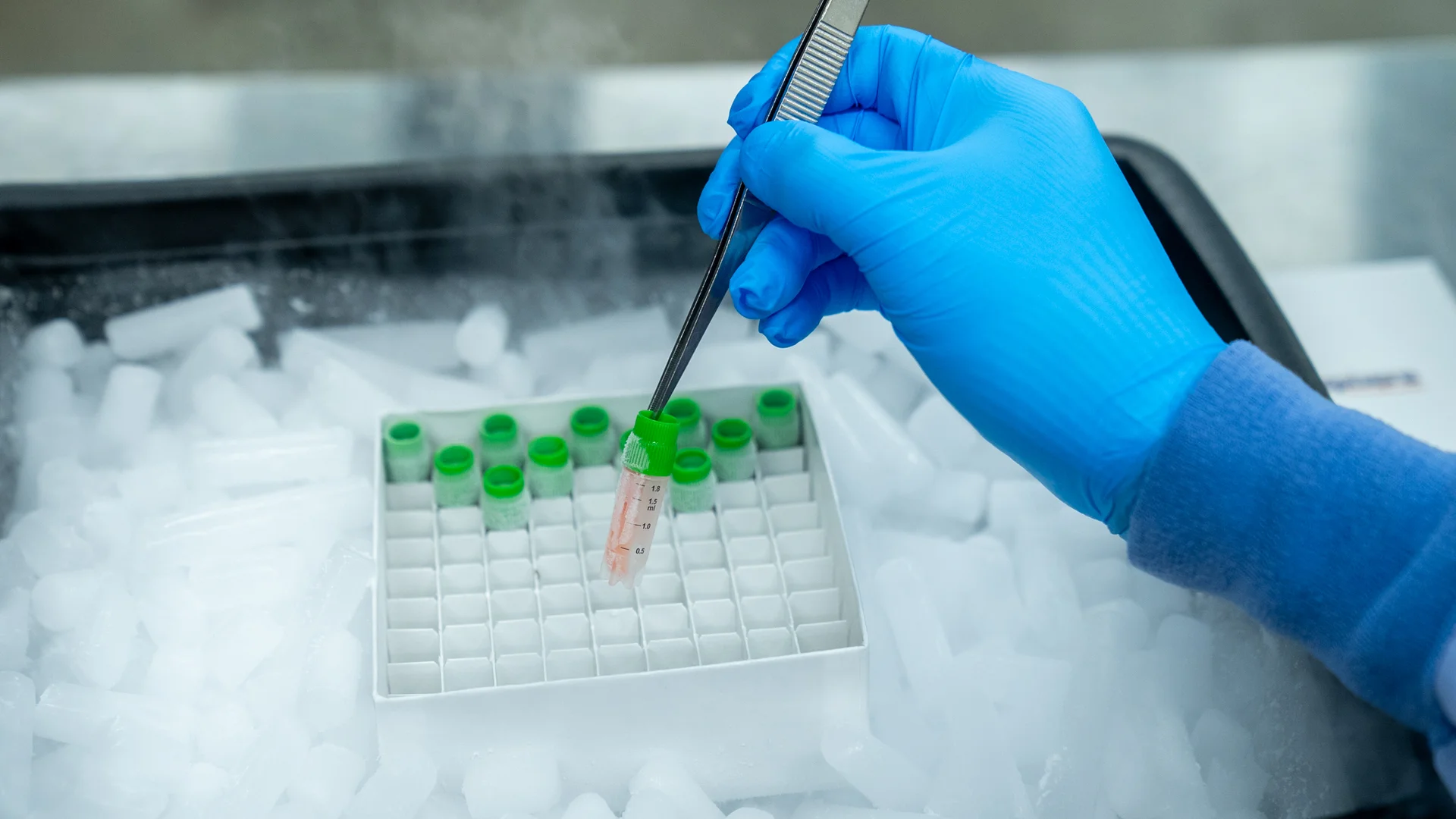
Different modalities sit in different windows. Dry ice covers the -60°C to -80°C band that in-vivo gene therapies, mRNA vaccines, tissue banks, and most clinical trial samples require, and published research has shown it can serve as a reliable alternative to liquid nitrogen for shipping cryopreserved cell products where the supply chain is properly analyzed.
No meltwater and no residue
Dry ice sublimates directly from solid to gas. There is no pooling water to compromise secondary packaging or labeling, no spill risk in transit, and nothing transferred to a vial, a bag, or a cassette. It is non-toxic, non-flammable, tasteless, and odorless, and it is approved by the EPA, FDA, and USDA for use around food and consumable products.
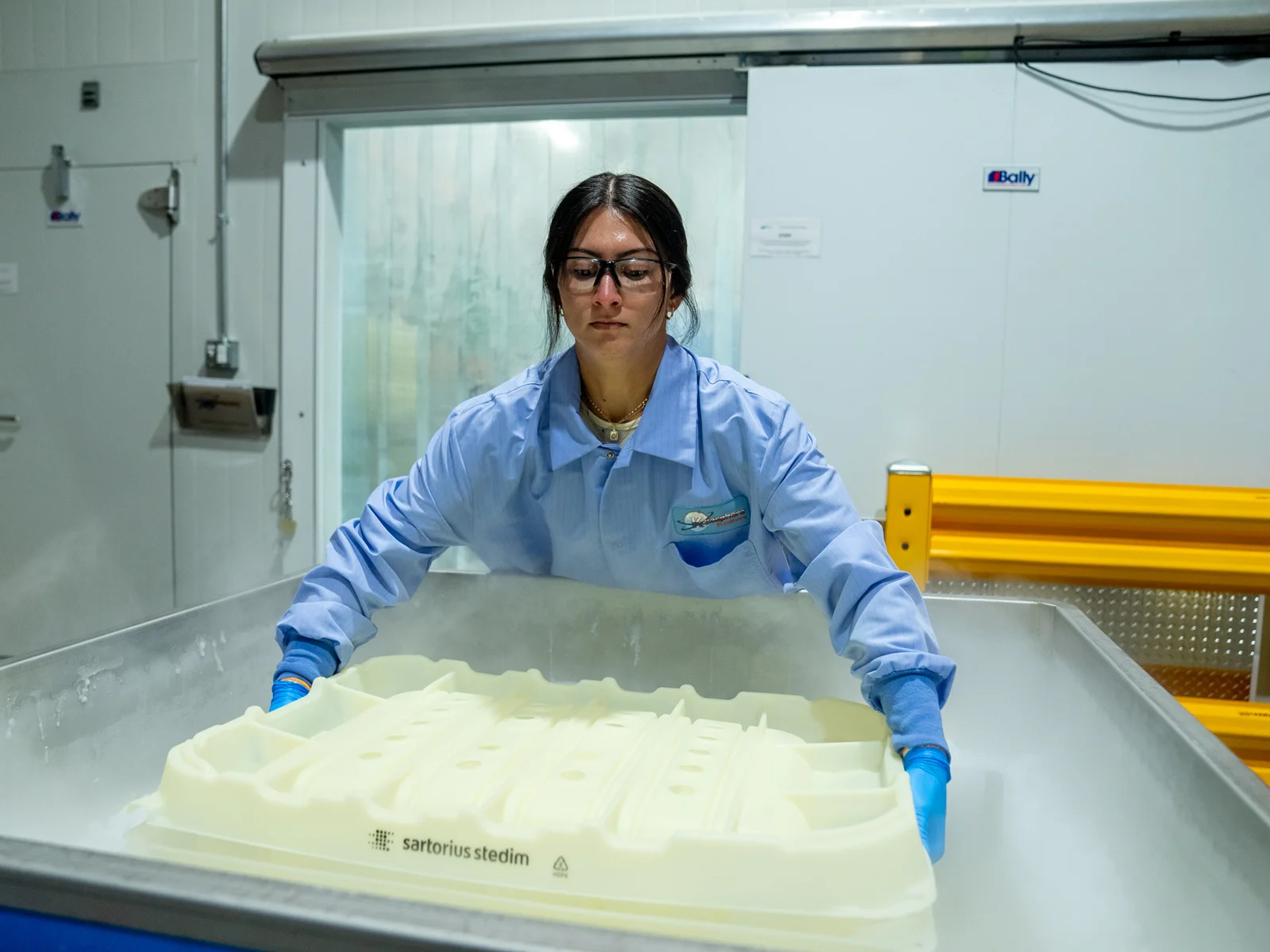
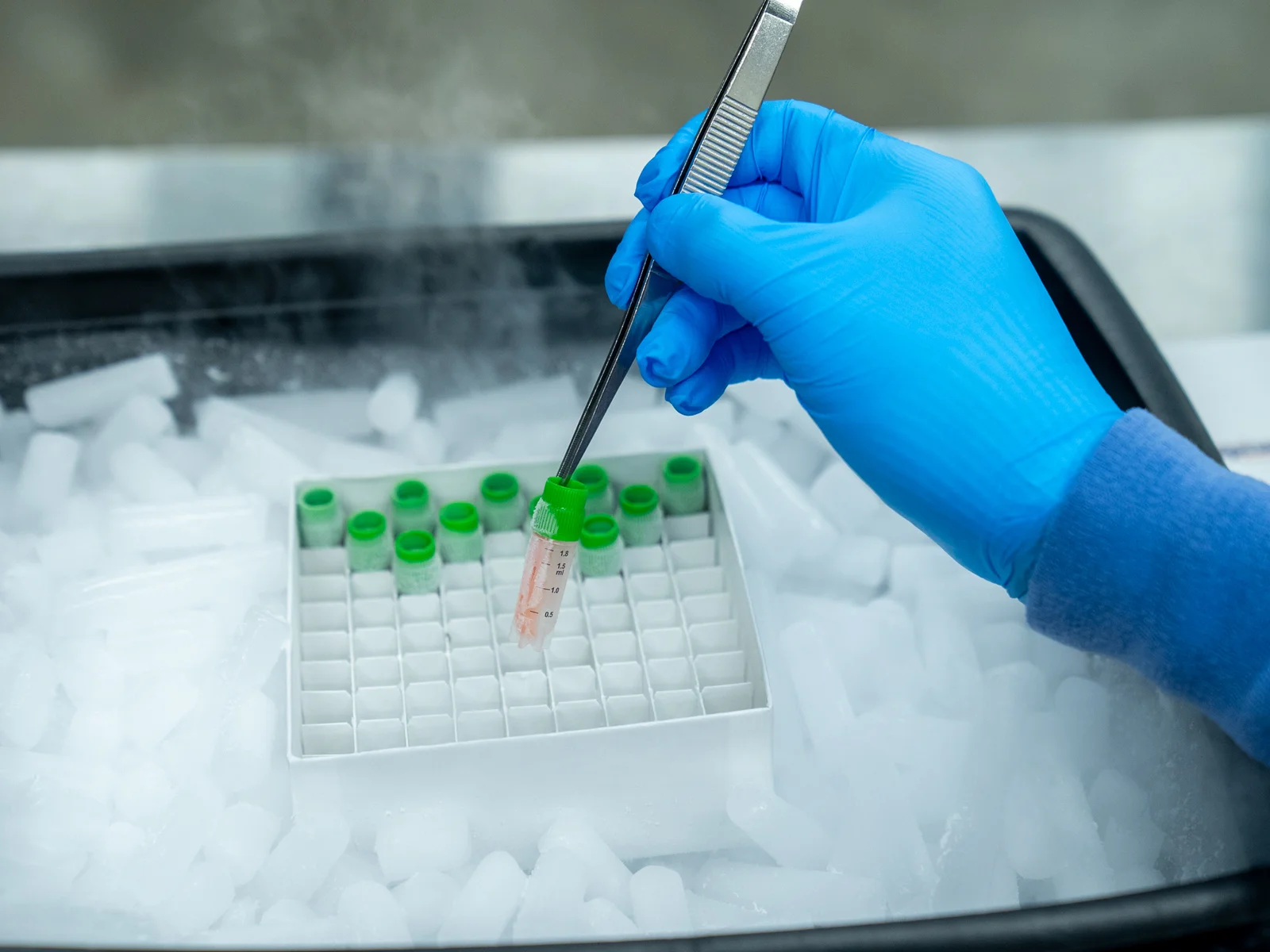

Payloads and Temperature Ranges
- mRNA Based Vaccines: -70°C
- In-Vivo Gene Therapy: -60°C to -78°C
- Tissue Banks: -60°C to -78°C
- Clinical Trial Samples: 8°C to -80°C
- Allogeneic Cell Therapy: 2°C to 8°C and -60°C to -196°C
- Autologous Cell Therapy: -150°C to -196°C
- Diagnostic and Laboratory Specimens
- Biopharmaceutical Drug Product and Drug Substance
- Stem Cells and Cell Banks
- Last-Mile and Direct-to-Patient Deliveries
Produce the Exact Format and Volume Your Cold Chain Needs, When You Need It
Availability has always been the limiting factor in the use of dry ice. Onsite production removes it, and replaces a purchased consumable with a controlled, documented process step.
Match the format to the shipper
Cold Jet pelletizers change extruder die plates automatically, so one machine can produce 3 mm pellets for tight-packing shippers or 10 mm and 16 mm nuggets for larger parcels. Reformers and direct slice systems press that ice into high-density slices for bulk and pallet shipping, with programmable slice weights from 0.5 to 2.2 lbs (0.25 to 1 kg).
Produce to the shipping schedule, not the delivery schedule
Fully automated one-button operation and start-up in under five minutes mean production runs against the day’s actual releases and pickups. An urgent clinical shipment or an unplanned re-icing stops being a supply problem and becomes a production run.
Dose directly into the parcel
Integrated dosing systems meter a pre-programmed quantity of dry ice straight into shipping containers or bulk parcels, and automated bagging systems produce individually bagged pellets and nuggets for last-mile deliveries. Neither requires an operator to handle, weigh, or cut the ice.
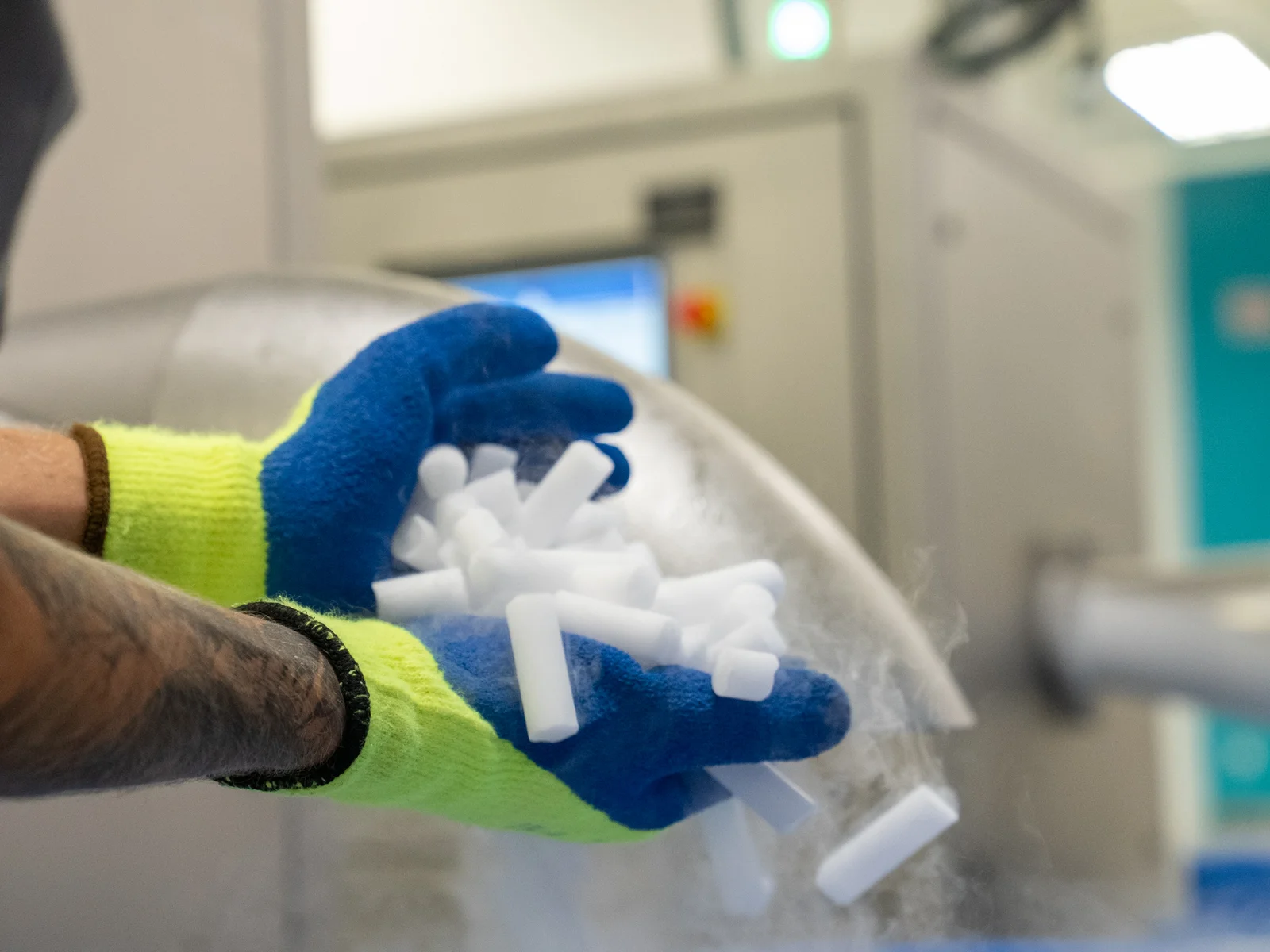
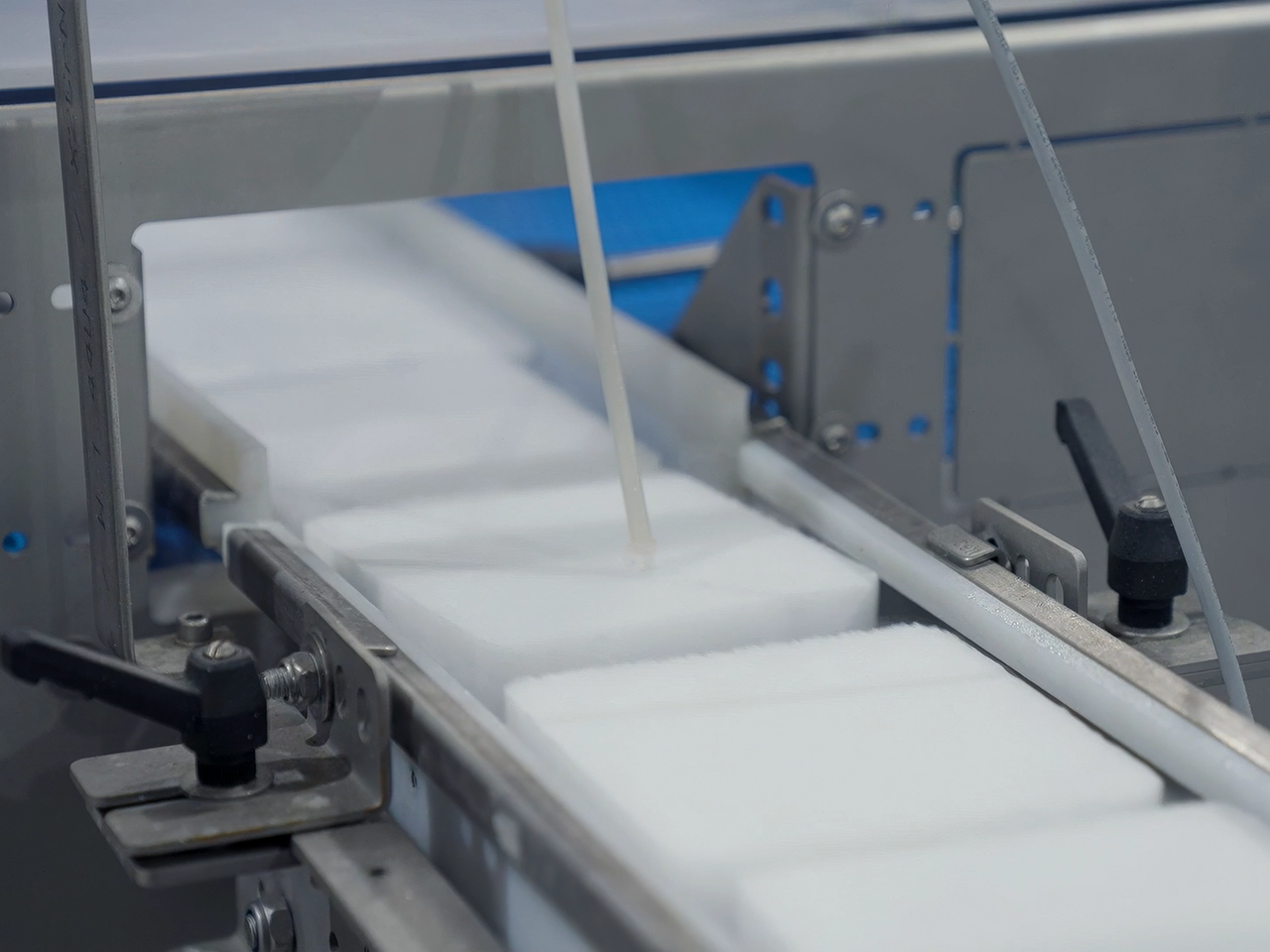
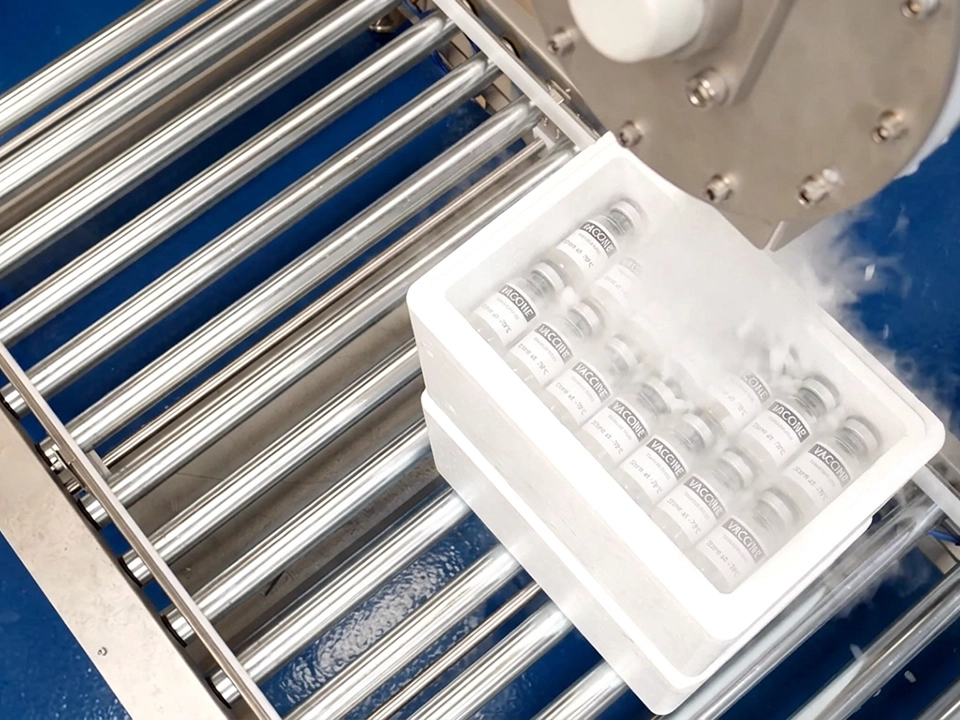
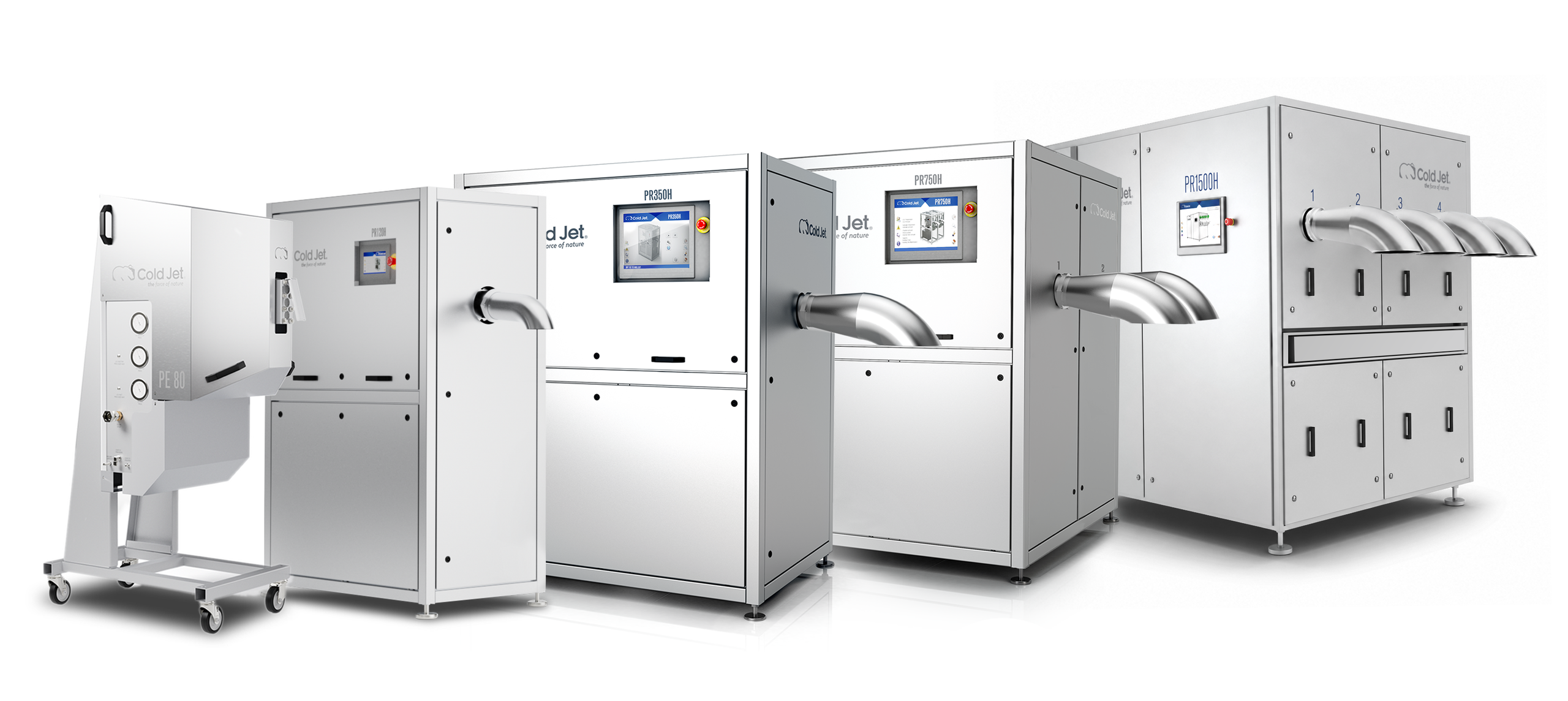
Cold Jet dry ice production systems are used by pharmaceutical manufacturers, contract research organizations, tissue banks, and cold chain logistics providers worldwide. The right system depends on your daily volume, the format your shippers use, and whether you want to dose directly into a packing line. Cold Jet production capacities include:
Production Systems for Life Sciences
- PE 80 Pelletizer: up to 176 lbs/hr (80 kg/hr)
- PR120H Pelletizer: up to 265 lbs/hr (120 kg/hr)
- PR350H Pelletizer: up to 772 lbs/hr (350 kg/hr)
- PR750H Pelletizer: up to 1,653 lbs/hr (750 kg/hr)
- PR1500H Pelletizer: up to 3,307 lbs/hr (1,500 kg/hr)
- DS500E and DS1000E Direct Slice Systems
- R Series Reformers: up to 5,511 lbs/hr (2,500 kg/hr) of slices
- Integrated Dry Ice Dosing Systems
- Automated Dosing and Bagging Systems
- Dry Ice Production Hub for Remote Sites
- RE-CO2 Recovery Systems
Industries
Who Relies on Dry Ice for Biopreservation?
Life sciences companies and the logistics providers that ship their samples depend on dry ice to keep biological material stable from the lab to its destination. See how Cold Jet production systems help 3PLs and life sciences organizations produce the dry ice they need onsite, on their own schedule.
Comparison
How Onsite Dry Ice Production
Compares to Alternatives
See how producing your own dry ice compares to purchased dry ice, liquid nitrogen, phase change materials, and powered shippers across the criteria that matter in a validated cold chain.
| Criteria | Onsite Dry Ice Production best | Purchased Dry Ice | Liquid Nitrogen (LN₂) | Phase Change Materials | Powered Shippers |
|---|---|---|---|---|---|
| Temperature Range | -109.3°F (-78.5°C), covers the -60°C to -80°C band | Same temperature, less ice left on arrival | Down to -196°C, required for some cryopreserved products | Fixed to the phase change point selected | Setpoint controlled, but only while powered |
| Supply Control | Produce on demand, any volume, any format | Fixed delivery windows and minimum orders | Bulk supply plus dewar handling and top-up | Purchased, plus a conditioning cycle before reuse | Fixed to the fleet you own or lease |
| Failure Mode | Sublimation only, no power or battery to fail | Sublimation only, but starts earlier | Evaporation, plus a liquid to contain and vent | Exhausts once the phase change is complete | Battery depletion or mechanical malfunction |
| Handling & Automation | Dosed automatically into the parcel, no human contact | Manual handling, weighing, and often cutting | Cryogenic liquid handling with dedicated PPE | Manual pack-out from a conditioning room | Charging, staging, and device management |
| Cost Profile | Capital investment, low consumable cost | Ongoing purchase, delivery, and storage costs | Ongoing purchase plus infrastructure and losses | Ongoing purchase plus reverse logistics | High capital or lease cost plus asset tracking |
| Sustainability | Recycled CO₂, no added carbon footprint per CARB | Recycled CO₂, plus delivery emissions | Energy intensive to produce and maintain | Reusable, but reverse logistics and refrigeration | Continuous energy use and end-of-life e-waste |
What You Need
What Does a Life Sciences Facility Need to Produce Dry Ice Onsite?
A dry ice production system is one part of a complete onsite setup. Before your first production run, a facility needs the following components in place:
Step 01
LiquidCO₂ Supply
Liquid CO₂ Supply and Storage
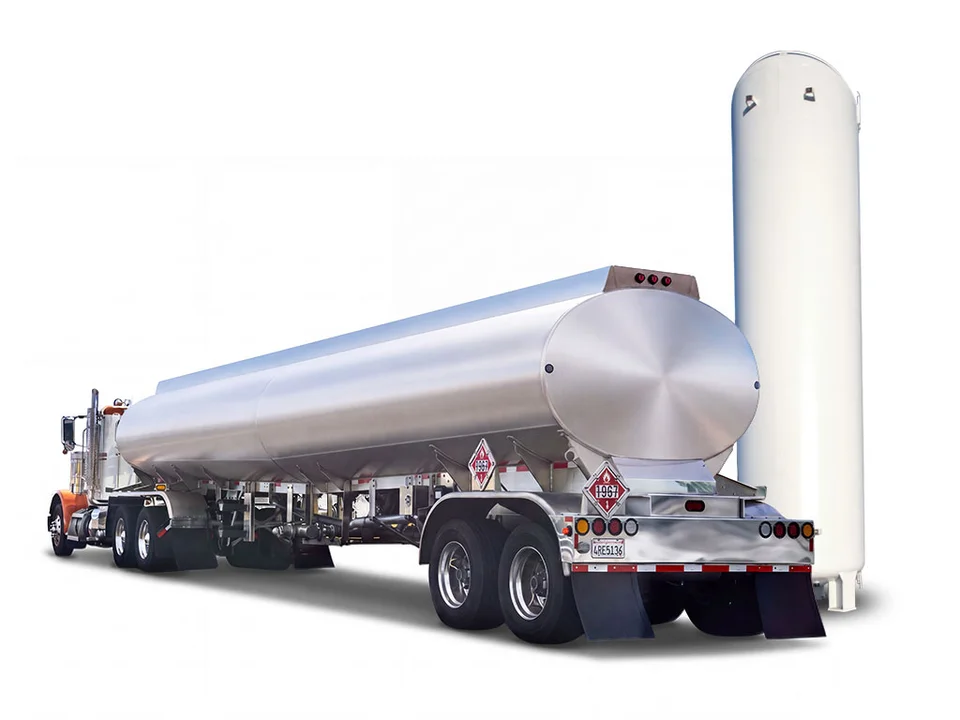
Dry ice starts as liquid CO₂. You need a reliable supply in your region, an onsite reservoir sized to your daily production, and insulated pipe work running from the tank to the production system. Low-volume systems can run from fixed tanks, transportable dewars, or micro bulk tanks. If you do not have a liquid CO₂ supply in place, Cold Jet can perform a site visit to determine what you would need, what the investment looks like, and what the payback would be, then arrange installation and leasing through trusted affiliates.
- 01. Liquid CO₂ Supply and Storage — Dry ice starts as liquid CO₂. You need a reliable supply in your region, an onsite reservoir sized to your daily production, and insulated pipe work running from the tank to the production system. Low-volume systems can run from fixed tanks, transportable dewars, or micro bulk tanks. If you do not have a liquid CO₂ supply in place, Cold Jet can perform a site visit to determine what you would need, what the investment looks like, and what the payback would be, then arrange installation and leasing through trusted affiliates.
- 02. Dry Ice Production System — The production system is the core of the setup. Cold Jet pelletizers press CO₂ snow into pellets from 3 to 16 mm, reformers compress pellets into high-density slices, and direct slice systems like the DS1000E go straight from liquid CO₂ to slices in one machine. Sub-cooling technology in Cold Jet pelletizers delivers 12–14% better LCO₂-to-dry ice conversion efficiency than the market standard.
- 03. Power, Compressed Air, and Foundation — Production systems require a three-phase electric power source and, on larger models, a compressed air supply meeting ISO 8573-1 Class 3 or better. High-volume systems need a reinforced concrete foundation for stability; compact units such as the PE 80 run on casters or mount to a wall. The machine should sit indoors, protected from moisture, with room around it for production and material handling.
- 04. Ventilation, Monitoring, and PPE — CO₂ displaces oxygen, so any dry ice production or storage area needs artificial ventilation to maintain airflow and a CO₂ PPM monitor to alarm on buildup. Operators handling liquid or solid CO₂ need insulated gloves and eye protection. These are the same controls a facility already applies to bulk dry ice storage and cryogenic areas.
- 05. Dosing, Packaging, and Insulated Storage — Decide how the ice gets into the box. Integrated dosing systems meter a pre-programmed quantity directly into shipping parcels or bulk containers; bagging systems produce individually bagged pellets and nuggets for last-mile delivery. Whatever is not dosed immediately should be held in insulated containers sized to the production run rather than stockpiled, since onsite production means holding hours of supply instead of days.
- 06. Installation, Qualification, Training, and Remote Support — Cold Jet handles installation and operator training, and every system is built for one-button operation so it can be run across shifts without specialist staff. Machine settings can be saved as recipes to support qualification and change control documentation, and Cold Jet CONNECT® lets technicians remotely monitor the machine, diagnose issues, and implement corrective action from any location.
Equipment
What Is the Best Dry Ice Production Machine
for Biopreservation?
Cold Jet offers dry ice production and dosing systems for biopreservation operations, from pelletizers sized for a manufacturing site or distribution hub to systems that dose dry ice directly into shipping parcels. The right system depends on your daily volume, the format your shippers use, and whether you need automated dosing on a packing line.
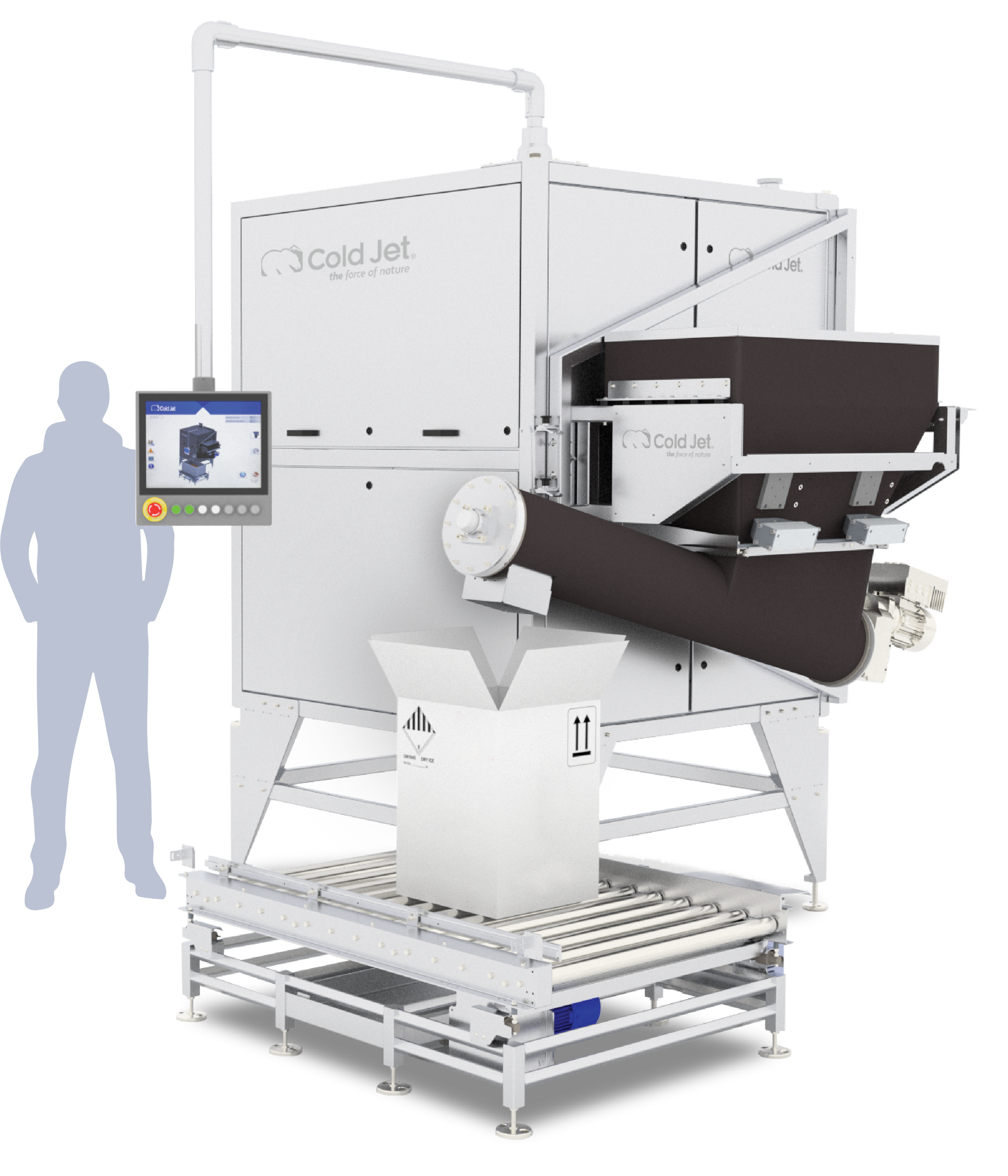
Integrated Dosing Systems
Integrated Dosing Systems pair a PR350H or PR750H pelletizer with a dosing unit that delivers a precise, pre-programmed amount of dry ice directly into shipping parcels or bulk totes. Accurate, repeatable doses help protect temperature-sensitive biological material in transit while reducing manual handling of the ice.
- Dosing accuracy up to ±5%
- Doses from 1 lb up to 200 lbs
- Switch between parcels and totes
- 15 in Beckhoff HMI with permission-based access
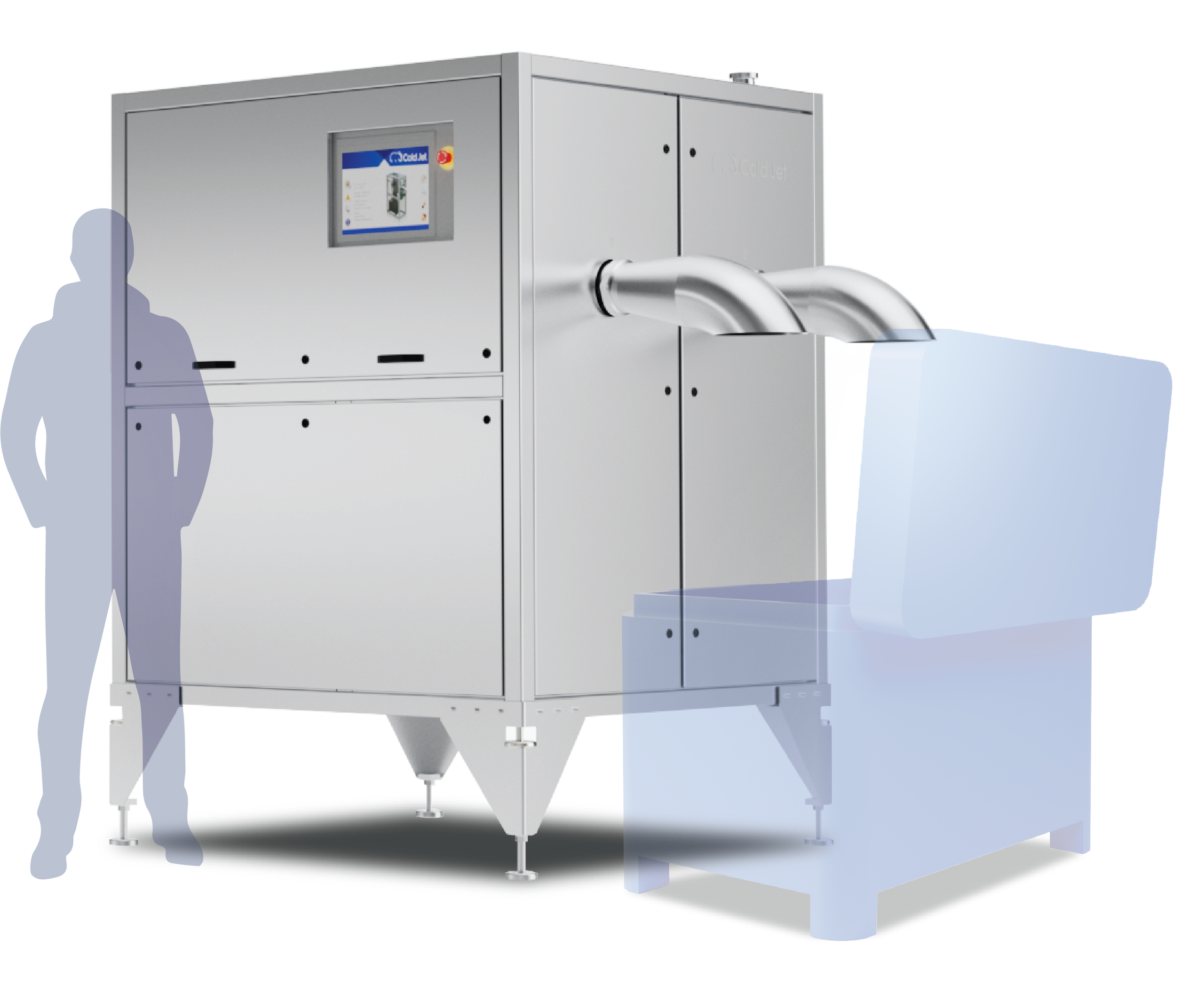
PR750H Dry Ice Pelletizer
The high-volume pelletizer for facilities packing large daily shipment volumes. The PR750H produces up to 1,653 lbs of high-quality pellets per hour, and the complete version makes two pellet sizes at once, so you can supply different shipper formats from a single run.
- Up to 1,653 lbs/hr (750 kg/hr)
- 3, 6, 10, or 16 mm pellets
- Start-up in under 3 minutes
- 12–14% better LCO₂ conversion
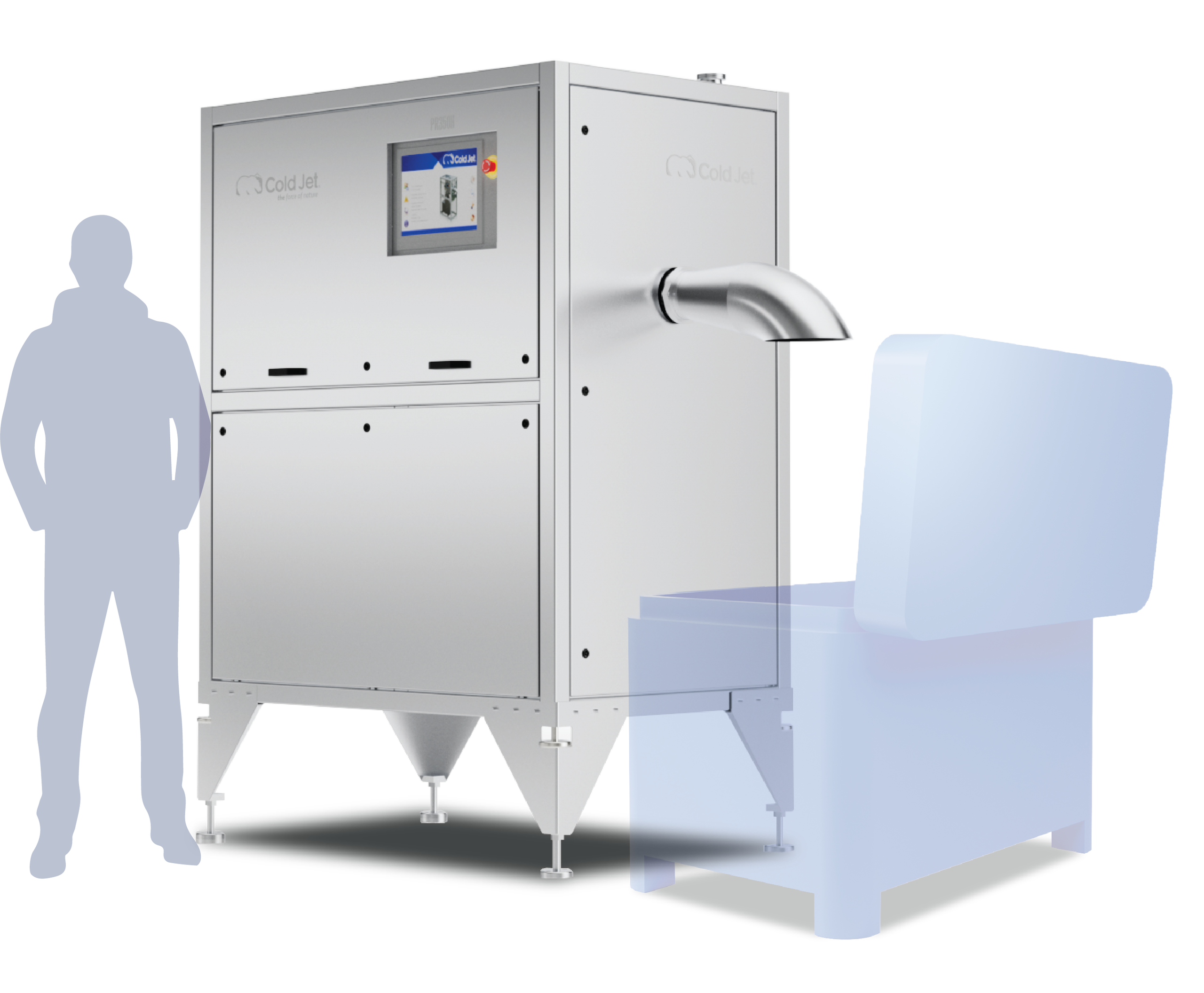
PR350H Dry Ice Pelletizer
The workhorse for manufacturing sites and distribution hubs. Closed-chamber technology delivers high-quality pellets from stroke one with a start-up under three minutes, and the system is built to integrate with dosing equipment on a packing line.
- Up to 772 lbs/hr (350 kg/hr)
- 3, 6, 10, or 16 mm via automatic quick die change
- 15 in color touch display, remote start/stop or BUS/Ethernet
- Stainless steel enclosure, below 75 dB(A)
Compare Machines
How Do These Three Systems Compare?
Side-by-side specs for the Cold Jet production systems best suited to biopreservation, so you can match the right machine to your daily volume, your shipper format, and your available floor space.
Integrated Dosing Systems
Precise dosing into parcels and totes
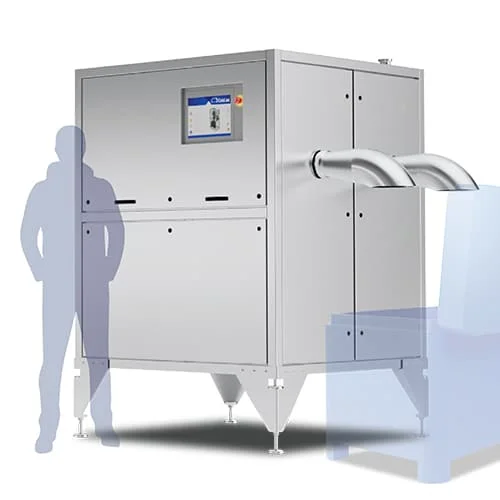
PR750H
High-volume pelletizer for large shipment volumes

PR350H
Pelletizer for manufacturing sites and hubs
| Specification | Integrated Dosing Systems | PR750H | PR350H |
|---|---|---|---|
| Machine Controls | |||
| Die Change | Automatic extruder plate changer | Automatic quick die change, performed in seconds | Automatic quick die change, performed in seconds |
| Start-Up Time | Short start-up with closed-chamber technology | Less than 3 minutes | Less than 3 minutes |
| LCO₂ Conversion Technology | Sub-cooling; 12–14% better than market standard | Sub-cooling; 12–14% better than market standard | Sub-cooling; 12–14% better than market standard |
| Control System | 15 in Beckhoff HMI with permission-based access | Panel PC with 15 in color touch display | Panel PC with 15 in color touch display |
| Line Integration Ready (Yes/No) | Yes(side-hinged frame for parcels or totes) | Yes(remote start/stop or BUS/Ethernet) | Yes(remote start/stop or BUS/Ethernet) |
| IoT Enabled via Cold Jet CONNECT® (Yes/No) | Yes | Yes | Yes |
| Dosing | |||
| Automated Dosing | Yes, built in | Available as an Integrated Dosing System | Available as an Integrated Dosing System |
| Dose Range & Accuracy | 1–88 lbs at ±5% (PR350H); 2–200 lbs at ±7%(PR750H) | Not published | Not published |
| Max Dosing Speed | 37 lbs/min (PR350H) or 81 lbs/min(PR750H) | Not published | Not published |
| Output | |||
| Dry Ice Format Produced | Pellets, dosed into parcels or totes | Pellets; two sizes at once(complete version) | Pellets |
| Maximum Output | 772 lbs/hr (PR350H) or 1,653 lbs/hr(PR750H) | 1,653 lbs/hr(750 kg/hr) | 772 lbs/hr(350 kg/hr) |
| Particle Sizes Available | 3 mm, 6 mm, 10 mm, or 16 mm | 3 mm, 6 mm, 10 mm, or 16 mm | 3 mm, 6 mm, 10 mm, or 16 mm |
| Installation | |||
| Footprint (L x W x H) | 87 x 67 x 112 in (PR350H) or 87 x 86 x 112 in(PR750H) | 59 x 59 x 71 in(1500 x 1500 x 1800 mm) | 59 x 39 x 71 in(1500 x 1000 x 1800 mm) |
“—” indicates a spec Cold Jet has not published for this model, or one that does not apply. Integrated Dosing Systems are built on a PR350H or PR750H pelletizer. Contact a Cold Jet specialist to confirm fit for your facility.
Why Cold Jet
Why Invest in a Cold Jet Dry Ice Production System
for Biopreservation
If you are moving from purchased dry ice to onsite production, the machine is only part of the decision. What matters over the life of the system is how much liquid CO₂ it takes to make a pound of dry ice, how dense that ice is once it is in the box, how many formats one system can produce, and how much attention it needs from your team across shifts.
When evaluating this capital investment, consider both the return on investment and the operational benefits specific to a regulated cold chain. Cold Jet systems deliver faster ROI and greater value through:
Complete Control of Your Cooling Supply
Produce the dry ice you need, in the format your shippers take, on the schedule your releases actually run. No delivery windows, no minimum orders, and no surplus sublimating in a storage container.
More Efficient LCO₂ Conversion
Cold Jet’s sub-cooling technology delivers 12–14% better LCO₂-to-dry ice conversion efficiency than the market standard. That’s less liquid CO₂ purchased for every pound of dry ice produced.
The Highest Density Dry Ice Available
Cold Jet production equipment was originally engineered to make dry ice for blasting, where density is everything. That same technology extrudes ice that sublimates more slowly, extends the number of days a payload can stay in its shipping box, and lowers the poundage needed per shipment.
Automation Built for the Cold Chain
Integrated dosing and bagging systems meter dry ice directly into shipping parcels to a programmed weight, with no human contact. Combined with one-button operation and start-up in under five minutes, a production run fits inside a packing window rather than around it.
Cold Jet CONNECT®
Remotely monitor your production system, diagnose issues, and implement corrective action from any location. Problems get addressed before they become a shortage on the packing line.
Science-Led Consultancy and Global Support
More than 30 years as the global leader in dry ice technology, more than 24,000 machines installed worldwide, and a consultancy approach that starts with your operation rather than a catalog. Regional technicians support production wherever you operate.
Our Customers & What They Say About Us
Life sciences organizations around the world rely on Cold Jet
Pharmaceutical manufacturers, contract research organizations, tissue banks, and cold chain logistics providers use Cold Jet dry ice production systems to take control of their own cooling supply.





See What Dry Ice Producers Are Saying About Cold Jet Equipment
Our customers control their own dry ice supply with Cold Jet production systems

The Cold Jet dry ice production equipment produces the purest dry ice available.
I feel real optimistic about our investments in dry ice production and sales. It’s a major growth area for us.

We are very satisfied from the first contact up to date. The employees at Cold Jet were very professional and helpful. We are finally able to respond to requests for flexibility from our customers and produce according to their dry ice needs. In addition, we are also excited about the quality of the dry ice.
Compliance
Regulatory Standards
We Help You Meet
Onsite production gives you documented control over the cooling medium in your GMP, GDP, and dangerous goods programs.
GMP
Good Manufacturing Practice: Controlled, Traceable Supply
GMP requires that materials used in and around the manufacture and packaging of medicinal products come from controlled, documented sources and that process steps be repeatable and traceable.
How We Comply
Producing dry ice onsite means you control the liquid CO₂ source, the production equipment, and the handling chain from tank to parcel. Machine settings are saved as recipes, so the quantity and format loaded into each shipment are set on the equipment rather than estimated by an operator.
GDP
Good Distribution Practice: Documented Temperature Control
GDP guidelines require that medicinal products be stored and transported within their approved temperature ranges, with documented controls and evidence that conditions were maintained throughout distribution.
How We Comply
A cooling medium you produce yourself is a cooling medium you can specify, measure, and document. Programmable dose quantities and consistent ice density make the thermal performance of each shipment repeatable, which is what a GDP temperature control procedure depends on.
IATA DGR
UN 1845
Dry ice is classified as a dangerous good (UN 1845) because it sublimates into CO₂ gas that displaces oxygen. IATA and the ICAO Technical Instructions set the packaging, marking, documentation, and quantity limits for carrying it by air.
How We Comply
Onsite production gives you exact control over the quantity of dry ice loaded per parcel and per shipment, which is the figure that must be declared. Automated dosing to a programmed weight makes those quantities repeatable and documentable rather than estimated.
IATA CEIV Pharma
Center of Excellence for Independent Validators
CEIV Pharma certification validates that airports, handlers, forwarders, and carriers meet pharmaceutical handling standards across the air cargo chain, including the ability to maintain temperature through handling and transit.
How We Comply
Dry ice production at or near a pharma gateway supports re-icing during handling and transit, so a delay or a cold chain disruption can be corrected on site rather than turning into an excursion. Cold Jet supports airport and logistics operators with production sized to community-level demand.
OSHA and NIOSH
Oxygen Displacement Hazards
Because CO₂ displaces oxygen, occupational exposure limits apply anywhere dry ice is produced, stored, or handled in volume, including cold rooms, loading areas, and production spaces.
How We Comply
Cold Jet specifies artificial ventilation and a CO₂ PPM monitor as part of the standard site requirements for every installation, and provides installation guidance and operator training covering safe handling of liquid and solid CO₂.