
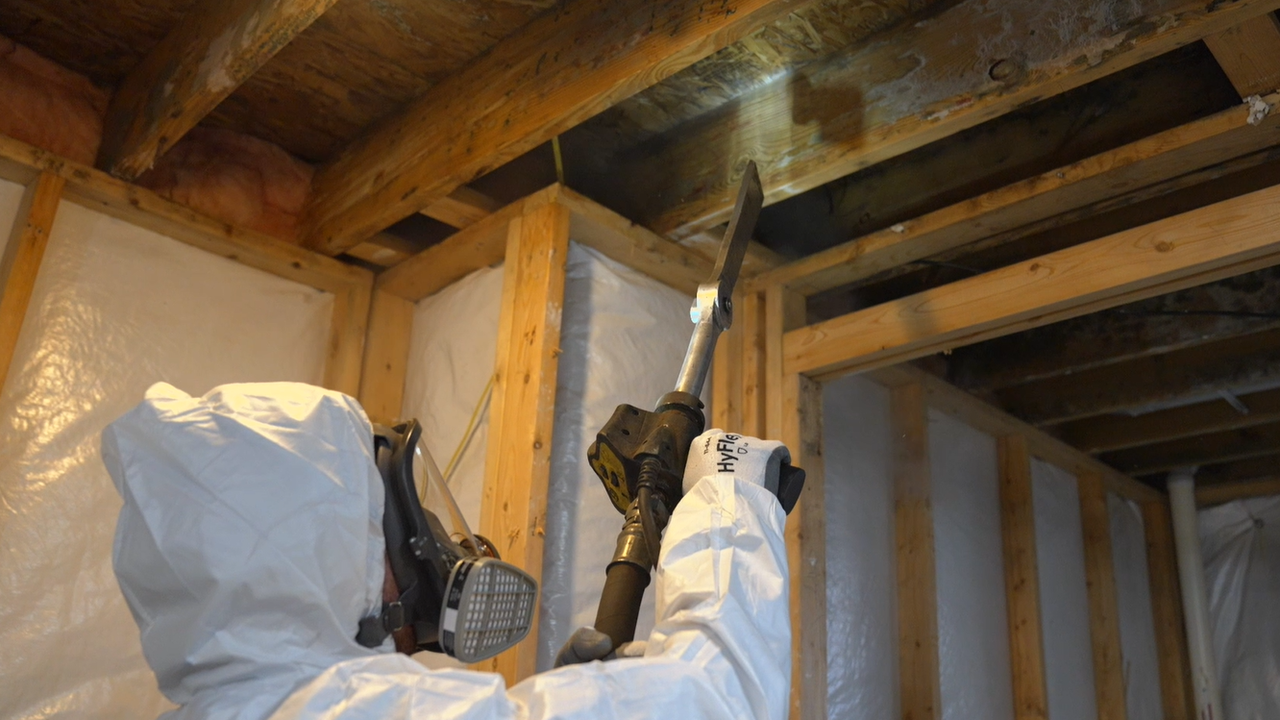
Overview
Summary
Cold Jet dry ice blasting restores monuments, buildings, and artifacts without abrasion, chemicals, or waste. The non-abrasive process removes grime, biological growth, and lead paint while preserving delicate carvings and patinas—proven under 350x magnification to cause zero damage—completing projects up to 95% faster at 50–60% lower cost.
How is dry ice blasting used in historical restoration?
Dry ice blasting is a non-abrasive, chemical-free, completely dry cleaning method used by restoration contractors, museum conservators, and architectural preservation specialists to clean monuments, historic buildings, and museum artifacts. Solid CO₂ sublimates to gas on impact, removing grime, biological growth, lead paint, graffiti, and fire damage from marble, granite, limestone, brick, bronze, iron, tin, and wood—without eroding carved details or forcing damaging moisture into masonry. Because it is non-abrasive, it preserves original surfaces and patinas: testing under 350x magnification showed zero pitting, abrasion, or damage. Items can be cleaned in place without removal or disassembly, and because dry ice sublimates on contact, it leaves no secondary waste, no containment, and no disposal costs. Preservation professionals report projects completed up to 95% faster with typical cost reductions of 50–60%. Cold Jet has more than 24,000 machines installed globally.

Challenge
Restore Irreplaceable Surfaces Without Damage
Historic monuments and artifacts are irreplaceable, so contamination must be removed without eroding details or damaging finishes. Traditional methods put these surfaces at risk: sandblasting and soda blasting pit and erode soft marble, limestone, and tin, pressure washing forces moisture into masonry joints, and chemical treatments absorb into porous stone, endanger workers, and can contaminate surrounding areas. Abrasive methods also generate extensive secondary waste, adding thousands of dollars in containment and disposal costs to project budgets.
Cold Jet dry ice blasting is non-abrasive, chemical-free, and completely dry. It removes grime, biological growth, and lead paint while preserving carvings and patinas—proven under 350x magnification to cause zero surface damage. Items are cleaned in place with no containment or disposal, up to 95% faster at 50–60% lower cost.
Trusted
By Conservators & Museums
Zero
Water or Moisture
Safe
Gentle Removal from Surfaces
Fewer
Labor and Crew
Benefits
What are the Benefits of Dry Ice Blasting for Historical Restoration?
Dry ice blasting safely removes contaminants from historic structures and artifacts without causing surface damage, enabling faster restoration timelines, lower costs, and superior preservation outcomes.
Dry ice cleaning is non-abrasive and effectively removes contaminants without damaging even the most delicate historic surfaces. Items can be cleaned in place without disassembly, and the process produces zero secondary waste. This eliminates containment costs, disposal fees, and extensive cleanup time – drastically reducing both project duration and total costs.
Because dry ice blasting requires smaller crews and no chemical handling, preservation professionals complete projects faster and at lower cost while protecting workers from solvent exposure. The chemical-free process is ideal for lead paint abatement, outdoor monuments, and sensitive historic sites, and it enables restoration firms to confidently take on high-value, delicate projects that competitors cannot.
 Faster Restoration
Finish restoration projects faster
Cold Jet dry ice cleaning equipment removes accumulated grime, lead paint, biological growth, pollution, and fire damage from all areas of historic structures and artifacts, including intricate carved details, masonry facades, hard-to-reach crevices, and delicate surfaces. Dry ice blasting reduces restoration cleaning times significantly compared to manual methods. Projects that would take weeks by hand can be completed in days or even hours with dry ice blasting.
 Protect Surfaces
Protect irreplaceable surfaces
Dry ice blasting is non-abrasive and will not cause surface erosion, pitting, or damage to historic finishes and patinas. Testing on artifacts showed zero damage even when surfaces were examined under 350x magnification. The process safely adjusts to clean everything from weathered limestone masonry to polished bronze sculptures and delicate wrought iron elements. This ensures authentic preservation, maintains historical accuracy, and protects the value of irreplaceable artifacts.
 Complex Restoration
Clean complex architectural details
Dry ice blasting excels at cleaning the intricate carved details, ornate moldings, decorative stonework, and tight spaces found in historic architecture and artifacts. The process easily accesses areas that hand tools struggle to reach, including monument crevices, architectural relief work, masonry joints, and museum artifacts that require precise, gentle cleaning.
 No Disposal Costs
No waste, no moisture damage
Dry ice blasting offers a distinct advantage because it produces no secondary waste. As dry ice sublimates into a gas upon impact, there’s no need for extensive cleanup or disposal costs. The completely dry process prevents moisture intrusion into porous masonry that can lead to freeze-thaw damage. On one monument restoration, eliminating secondary waste saved $9,000 – reducing total project costs by 60%.
 Sustainable
Environmentally responsible and worker-friendly
The dry ice blasting process is chemical-free and uses recycled CO2, making it ideal for sensitive outdoor locations near gardens, vegetation, and water sources. The completely dry process prevents chemical absorption into porous brick and stone surfaces. The process creates no toxic runoff, requires no hazmat disposal, and provides a safer working environment for restoration crews – particularly important on lead paint abatement and contaminated site projects. Contractors report the process is significantly more worker-friendly than chemical treatments or traditional abrasive methods.
 Cost Savings
Significant cost savings and faster ROI
Historical restoration professionals report typical cost reductions of 50-60% and significant time savings, which means they can complete more projects annually and meet tight deadline requirements. Equipment purchases typically pay for themselves through labor savings, eliminated disposal costs, and the ability to win high-value restoration contracts.
Applications
What Types of Historical Items Can Dry Ice Blasting Restore?
Dry ice blasting safely cleans all types of historic materials and structures. The restoration process is being used to preserve cultural heritage worldwide.
Validated For
- Monuments & Memorials
- Historic Buildings & Architecture
- Museum Artifacts & Collections
Restore Monuments and Memorials Faster and Without Damage with Dry Ice Blasting
Historic monuments face unique cleaning and preservation challenges. Decades or centuries of traffic grime, acid rain, bird droppings, biological growth, and environmental contamination accumulate on carved marble, granite, and bronze surfaces. Traditional cleaning methods risk damaging irreplaceable carved elements and eroding historic surface integrity.
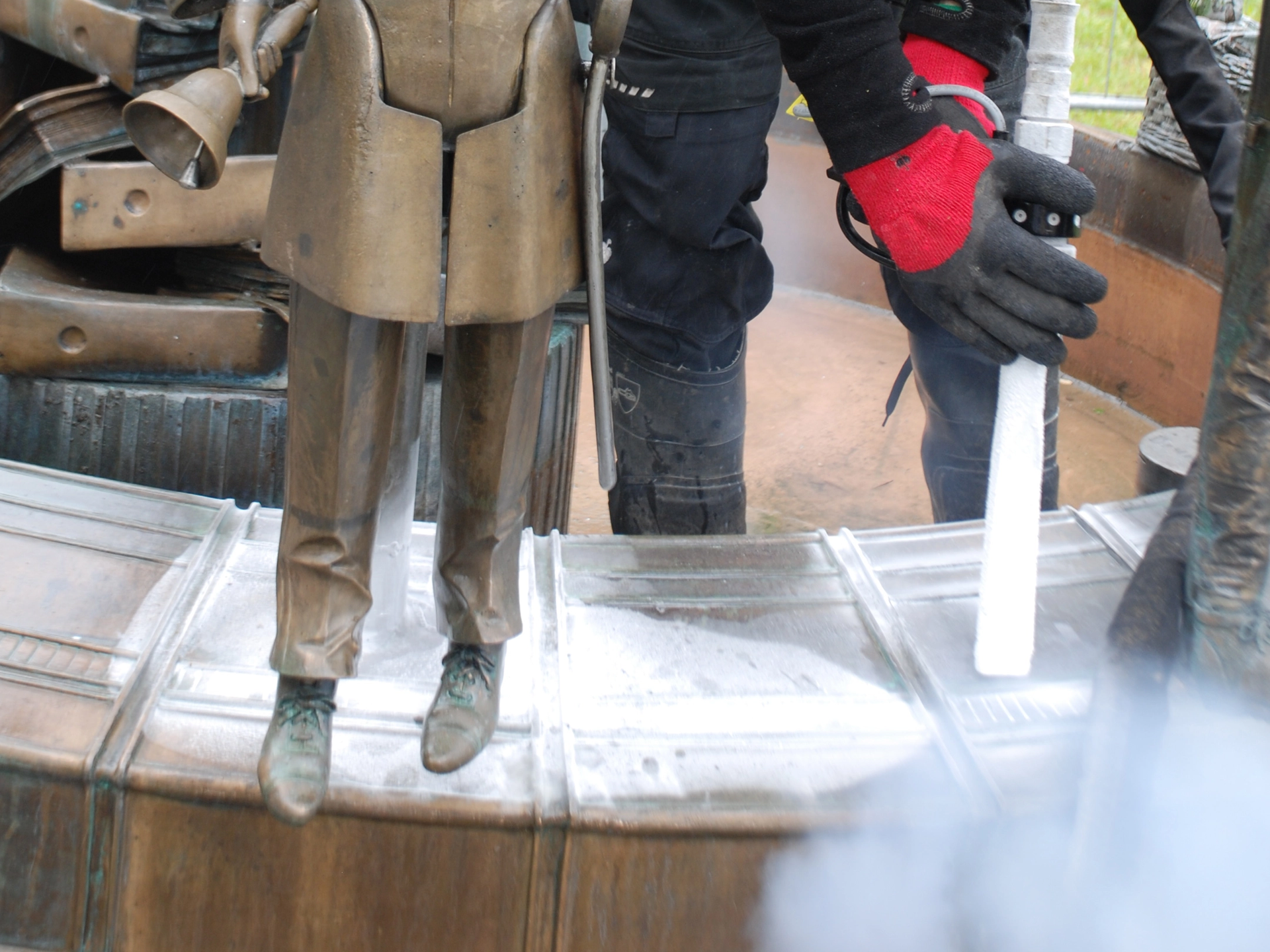
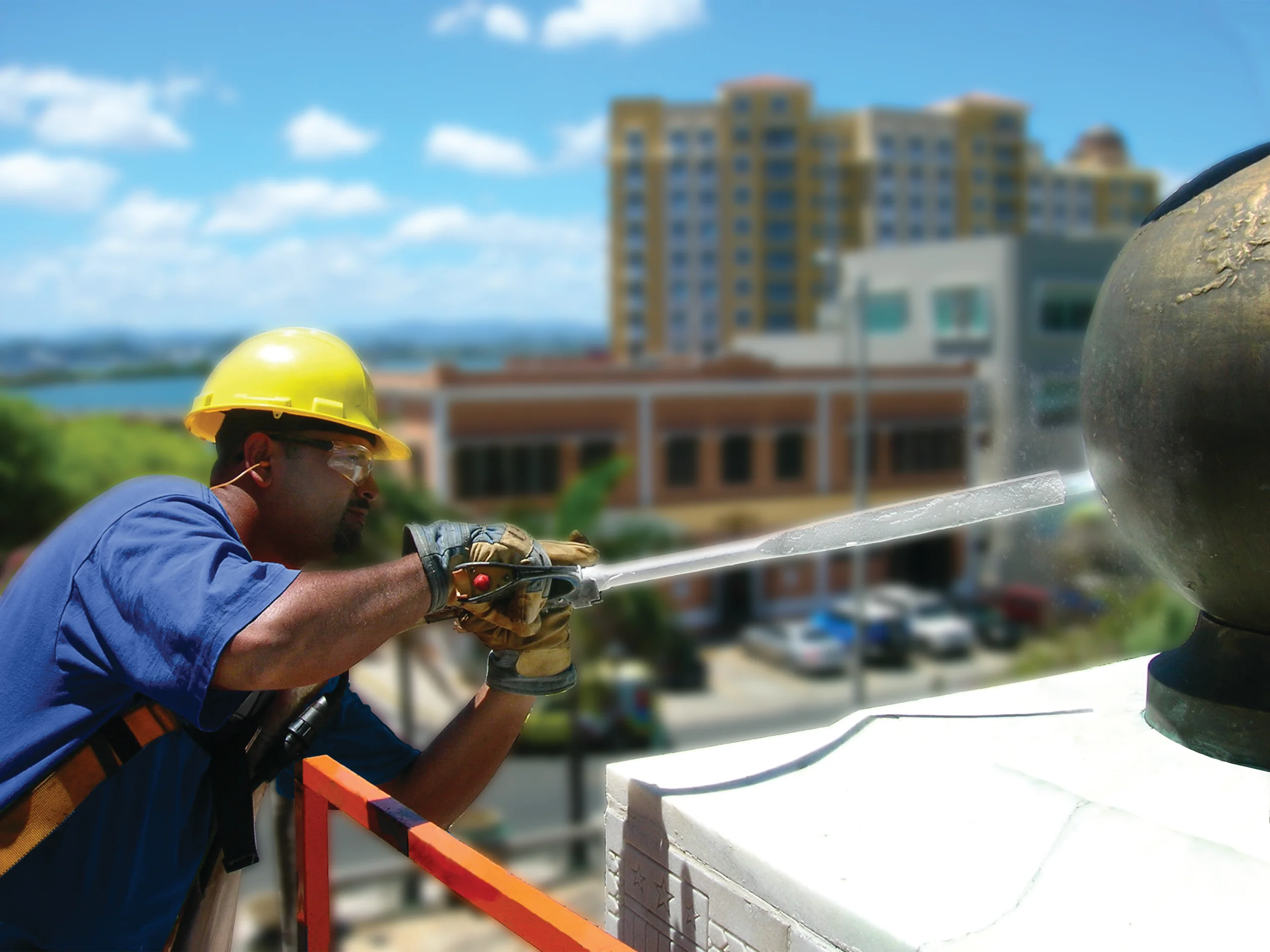
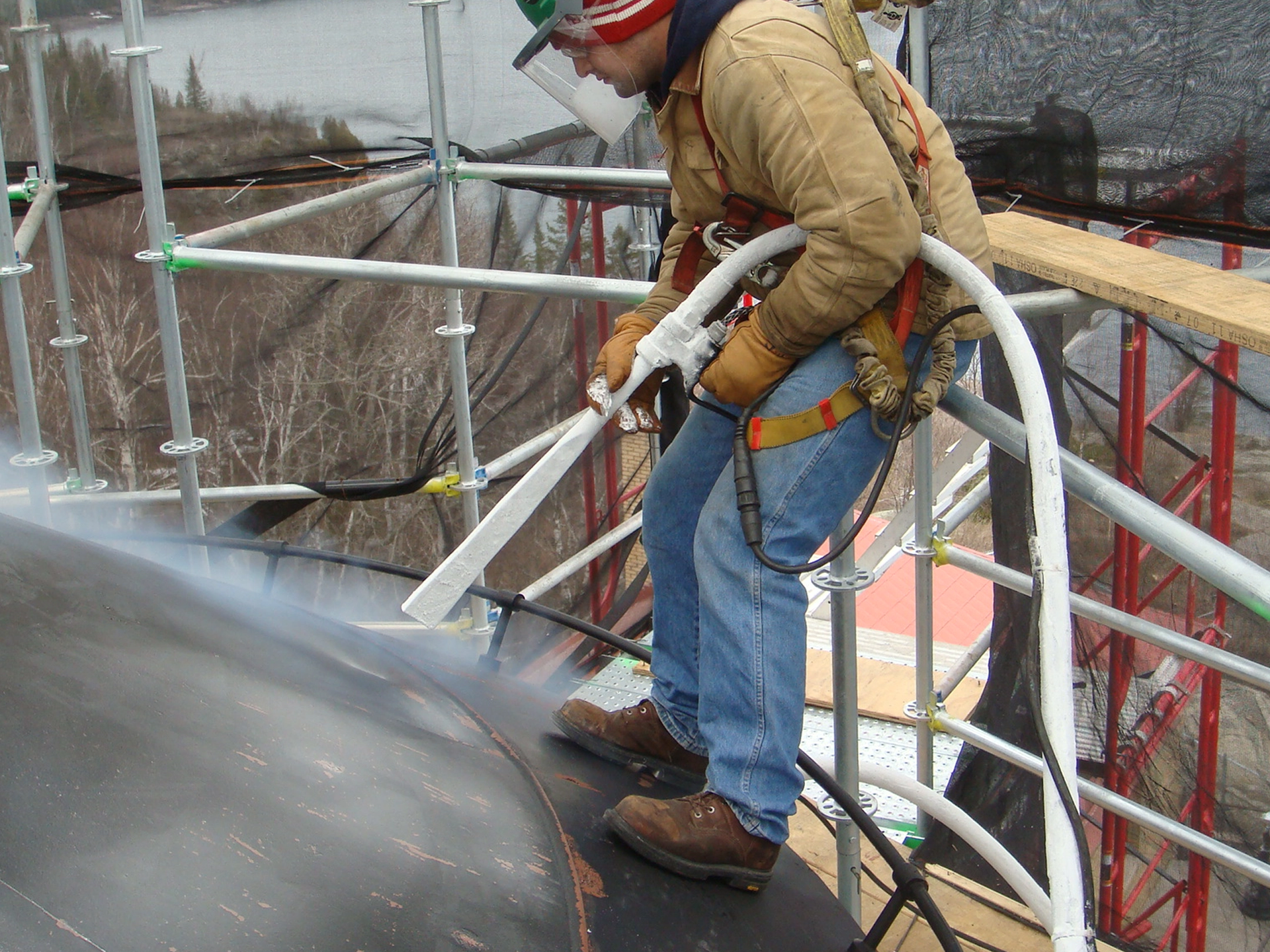
Cold Jet dry ice blasting allows contractors to safely remove years of accumulated contamination while preserving intricate details. Operators can precisely adjust pressure to protect the thinnest details while still achieving thorough cleaning. One Civil War monument restoration was completed in just 1.5 days versus weeks with alternative methods, while saving $9,000 in total project costs through eliminated containment and disposal fees.
Types of monuments and memorials
- Public sculptures and statues
- Stone obelisks and bases
- Outdoor public art installations
- Granite and marble monuments
- Bronze commemorative plaques
- Memorial cannons and artillery
- Carved military tributes
Preserve Historic Buildings Faster and More Effectively with Dry Ice Blasting
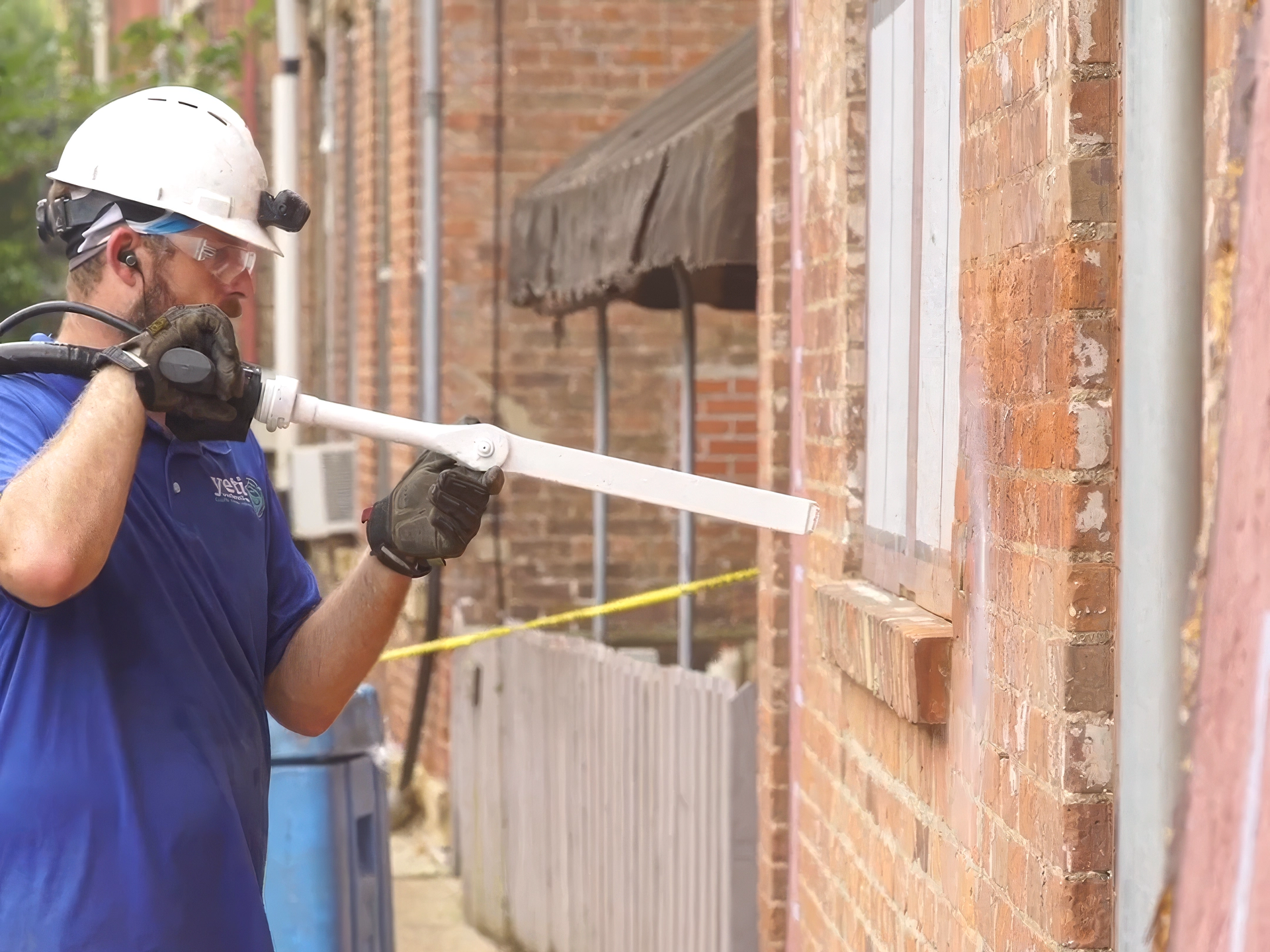
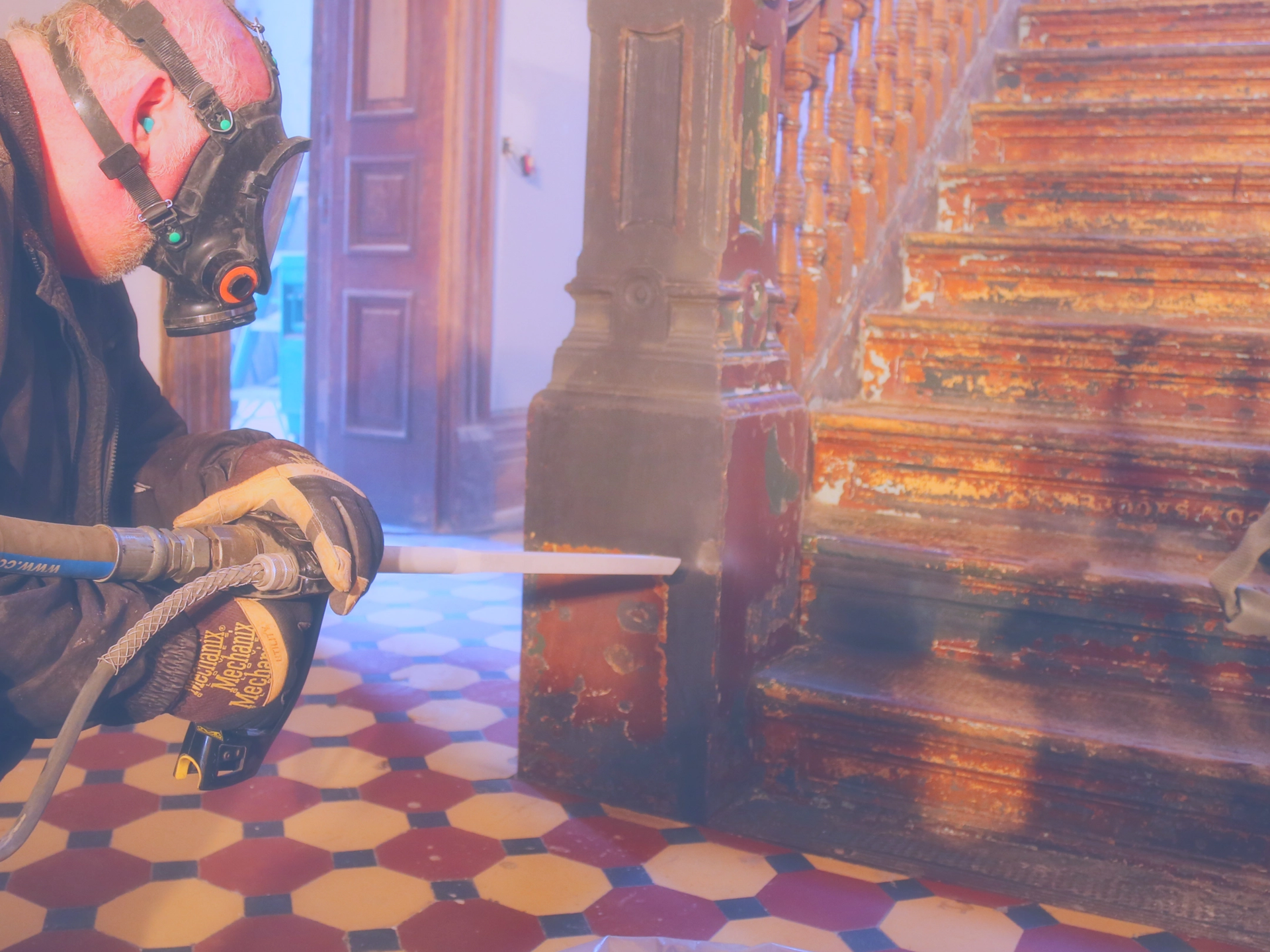
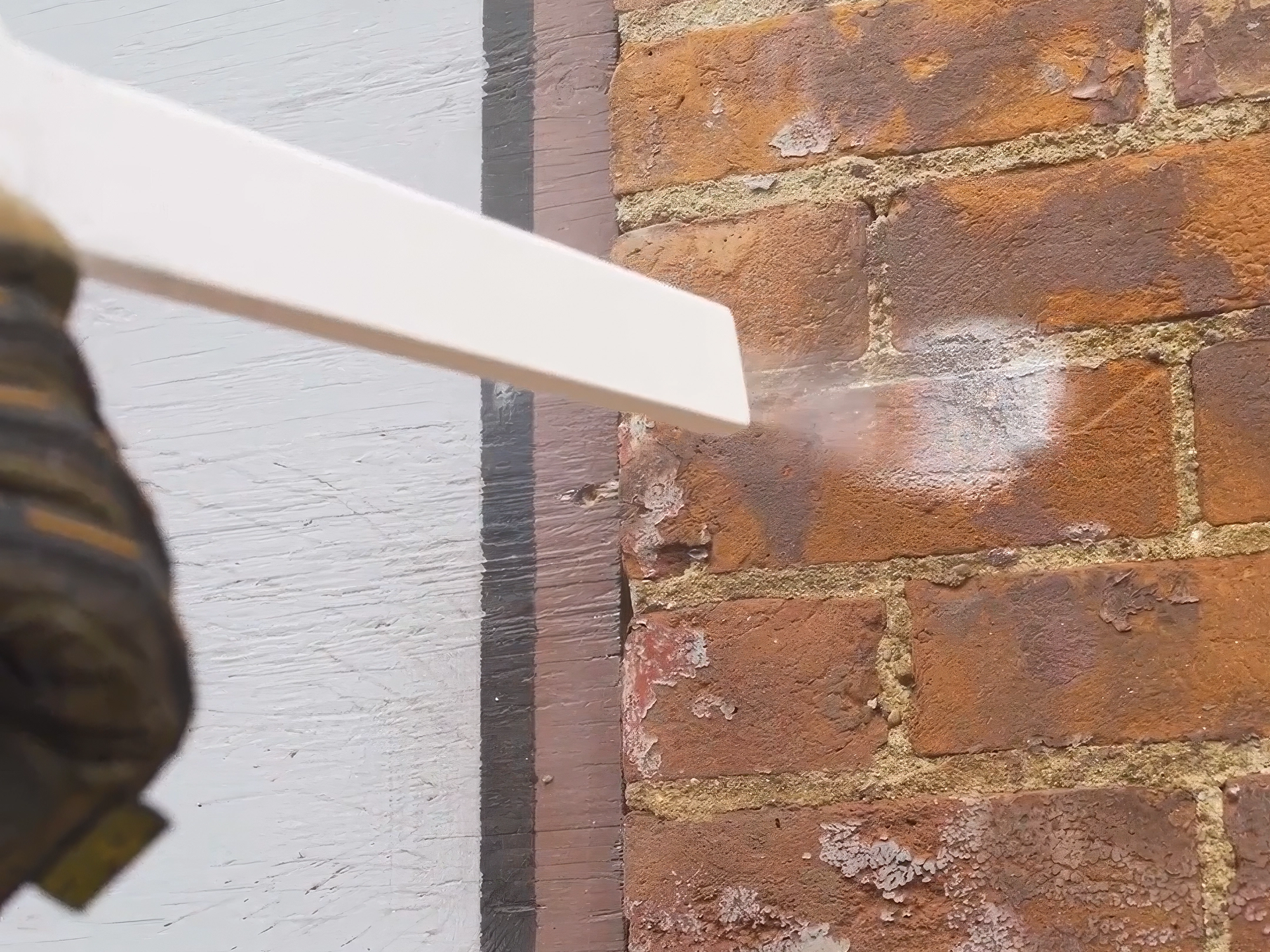
Preserving historic buildings requires removing all types of contaminants from delicate architectural elements. Tin ceiling tiles pit easily with traditional abrasive methods. Ornate plasterwork and carved woodwork can be damaged by harsh chemicals or aggressive cleaning. Historic brick, limestone, and sandstone masonry surfaces are particularly vulnerable to erosion from sandblasting and can absorb damaging moisture from pressure washing.
Cold Jet dry ice cleaning removes failing paint, biological growth, pollution grime, and acid rain streaking from architectural elements and masonry surfaces while preserving original finishes and patinas. Contractors can clean architectural details in place, avoiding costly disassembly and reassembly. The chemical-free, completely dry process aligns with historic preservation philosophies and creates no contamination of surrounding building materials. Dry ice blasting successfully cleaned 4,500+ square feet of a historic tin ceiling without causing any surface damage – a project that would have taken one year by hand grinding was completed in just 100 hours with dry ice blasting.
Types of historic architectural elements
- Tin stamped ceilings and ornate details
- Wooden structural beams
- Historic door hardware and fixtures
- Architectural relief work
- Cast iron fixtures and railings
- Balustrades and planters
- Stone and masonry facades
- Decorative plasterwork
- Lighthouse structures and lenses
Safely Clean Museum Artifacts Faster with Dry Ice Blasting
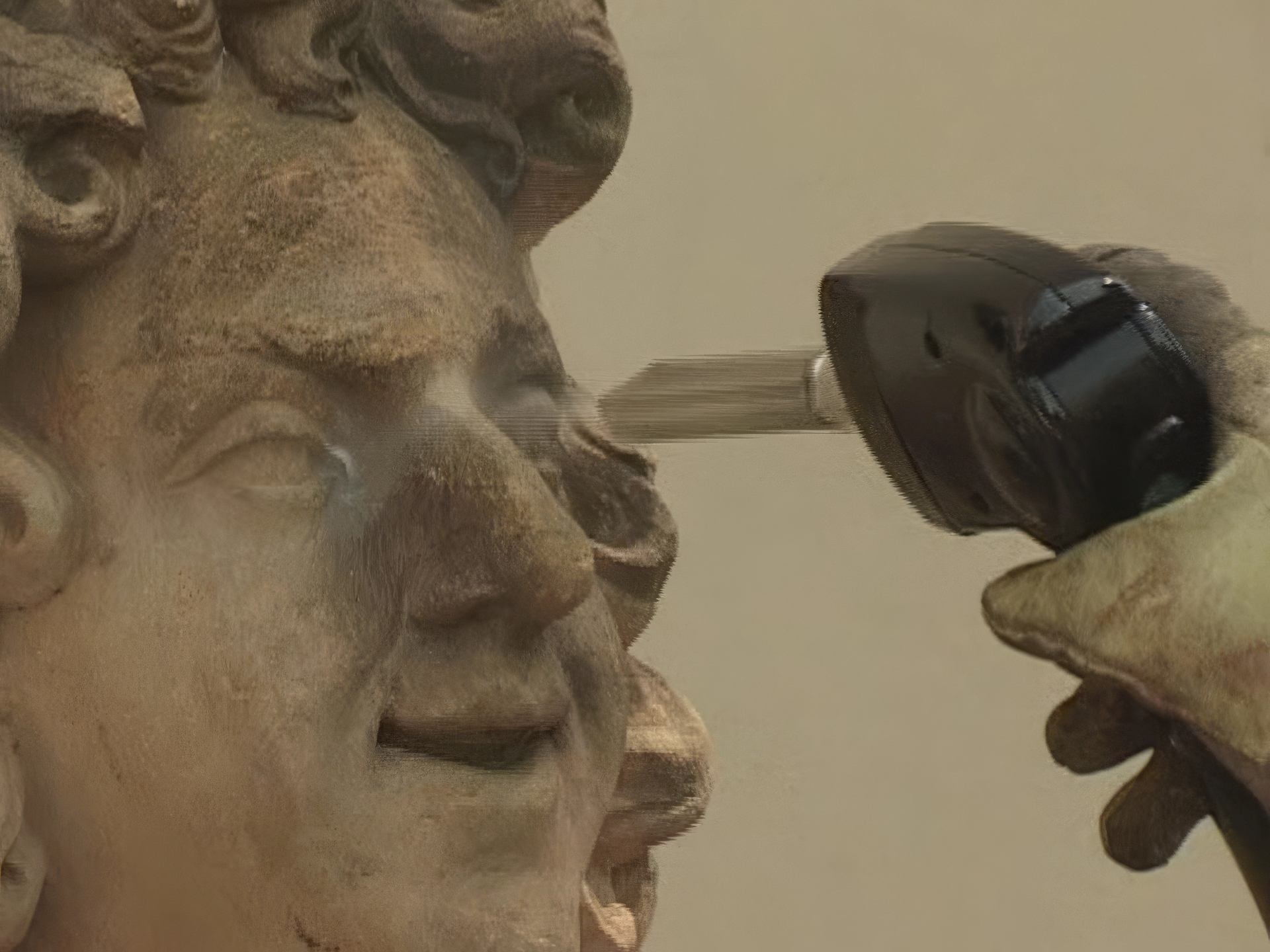
Cold Jet dry ice blasting preserves irreplaceable collections with zero surface damage under microscopic examination.
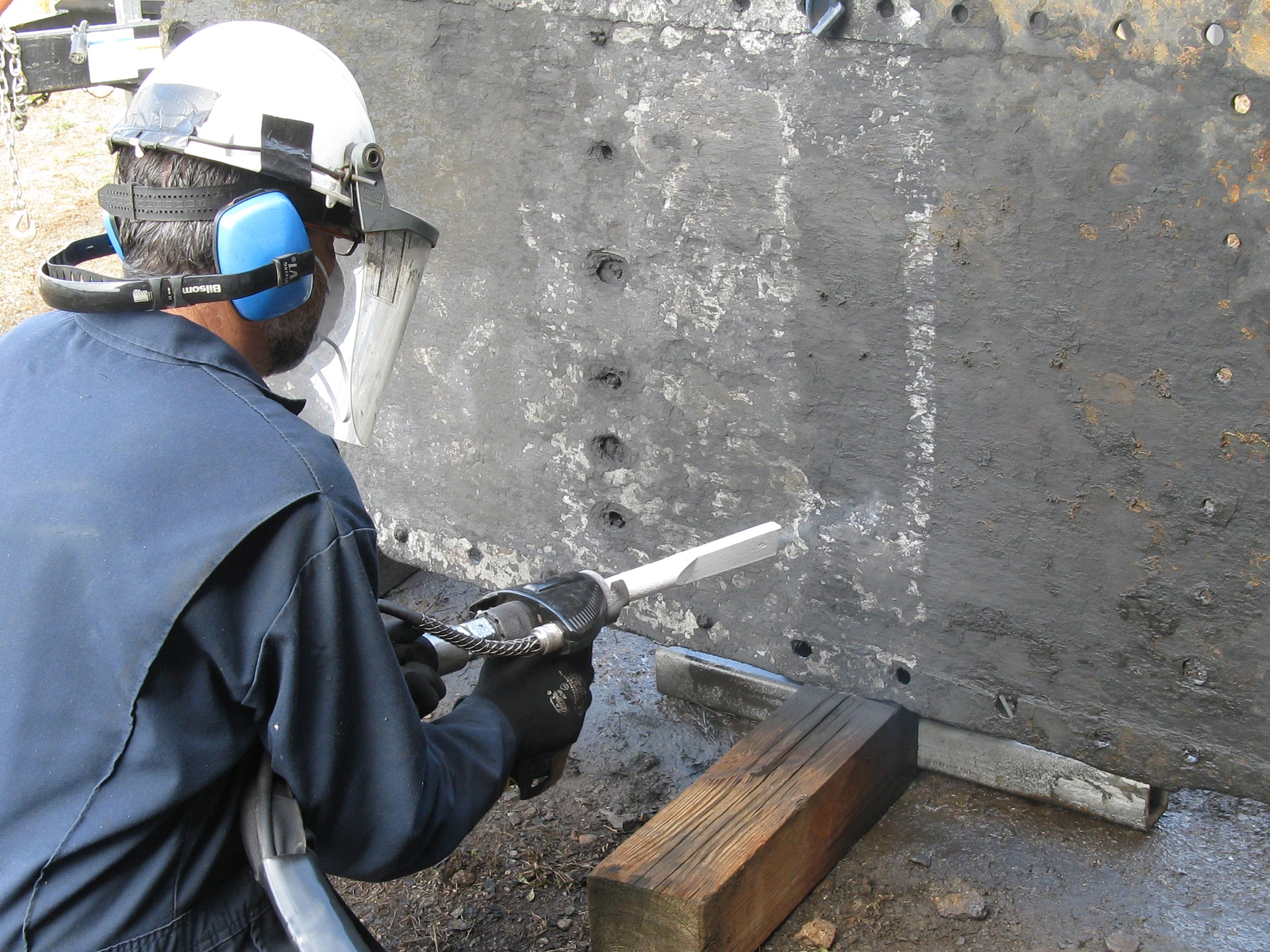
Museum conservation demands the highest preservation standards. Irreplaceable artifacts require cleaning methods that are proven non-abrasive under microscopic examination. Failed cleaning attempts can permanently damage artifacts.
Dry ice blasting has successfully conserved US Civil War naval artifacts, World War II aircraft, and vintage vehicles. The USS Monitor conservation project – funded by a National Park Service Maritime Heritage Grant – tested dry ice blasting under 350x magnification and found zero pitting, abrasion, or surface damage. Structural plates that would take 2-3 weeks to clean by hand were completed in approximately one hour. This combination of proven safety and dramatic time savings makes dry ice blasting ideal for conserving priceless museum collections.
Conserves irreplaceable museum artifacts and collections
- Military aircraft and components
- Industrial machinery exhibits
- Maritime artifacts
- Historic naval vessels
- Antique light fixtures
- Historical weapons
- Vintage vehicles
- Period furniture and woodwork
Industries
Dry Ice Blasting for Historical Restoration is Used Across Multiple Sectors
Cold Jet offers dry ice blasting equipment for historical restoration professionals serving various preservation markets.
Comparison
How Dry Ice Blasting Compares to Alternatives
See how dry ice blasting stacks up against traditional cleaning methods across the criteria that matter most in historical restoration and preservation.
| Criteria | Dry Ice Blasting Best | Chemical Cleaning | Manual Cleaning | Laser Cleaning | Soda Blasting |
|---|---|---|---|---|---|
| Secondary Waste | None – sublimates to gas, no residue | High – spent chemicals and runoff | Moderate – debris and spent media | Low – vaporized residue needs extraction | High – spent soda media to clean up |
| Speed | Fast – up to 95% less restoration time | Slow – dwell, rinse, repeat | Slow – hand tools take weeks | Slow – point-by-point on surfaces | Slow – cleanup ~1.5x the blast time |
| Equipment Damage | None – non-abrasive, zero surface damage | Possible – absorbs into porous stone | High – chisels and brushes erode detail | Possible – heat can alter surfaces | High – abrasive, pits soft materials |
| Regulatory Compliance | Strong – meets conservation standards | Limited – hazmat handling and disposal | Inconsistent – operator dependent | Limited – VOC exposure | Limited – containment and dust rules |
| Downtime | Minimal – clean in-place, no disassembly | High – dwell and cure time | High – slow, weeks of labor | Moderate – slow per-surface setup | High – containment and cleanup |
| Environmental Impact | Low – recycled CO₂, no runoff | High – toxic runoff and hazmat | Moderate – debris and spent media | Moderate – generates VOC & energy intensive | High – media can harm vegetation |
What You Need
What Do Historical Restoration Professionals Need for Dry Ice Blasting?
A dry ice blasting configuration for historical restoration relies on several key components:
Step 01
Dry Ice Blaster
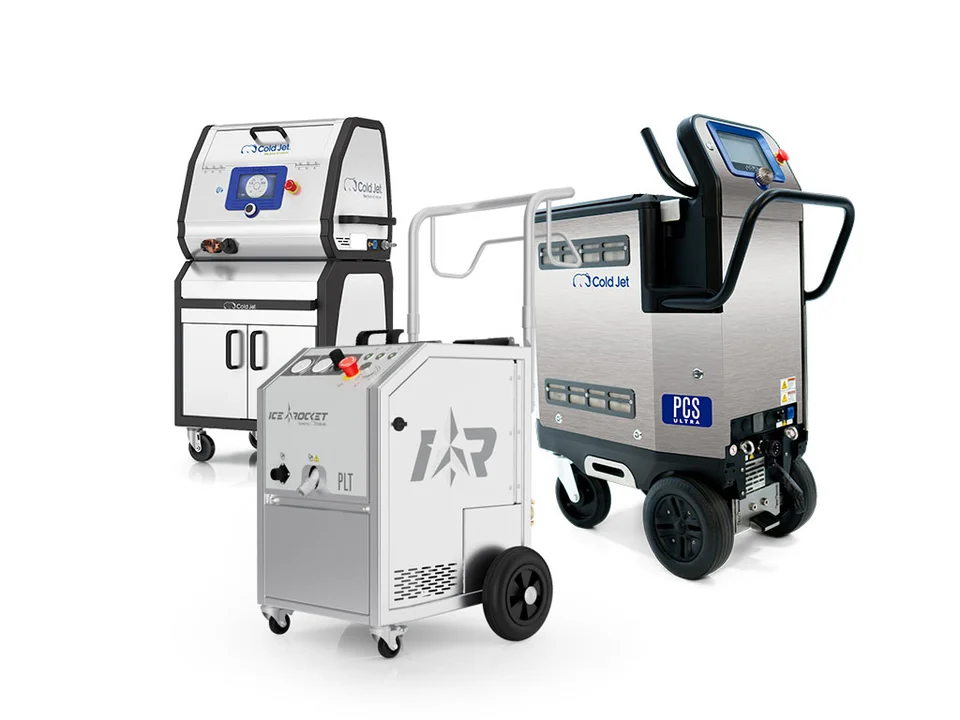
A successful historical restoration process starts with a versatile dry ice blasting system. Cold Jet offers a complete range of dry ice blasters, featuring advanced models with our patented Particle Control System (PCS®). This innovative technology gives you the power to precisely adjust cleaning parameters and dry ice particle size – critical for safely cleaning everything from delicate carved statues to aggressive contaminant removal. Each blaster arrives ready with blast and air hoses, an applicator, and a nozzle for your specific application.
- 01. Dry Ice Blaster — A successful historical restoration process starts with a versatile dry ice blasting system. Cold Jet offers a complete range of dry ice blasters, featuring advanced models with our patented Particle Control System (PCS®). This innovative technology gives you the power to precisely adjust cleaning parameters and dry ice particle size – critical for safely cleaning everything from delicate carved statues to aggressive contaminant removal. Each blaster arrives ready with blast and air hoses, an applicator, and a nozzle for your specific application.
- 02. Compressed Air — Most historical restoration professionals can utilize portable air compressors brought to the job site, or connect to existing facility air systems when available.
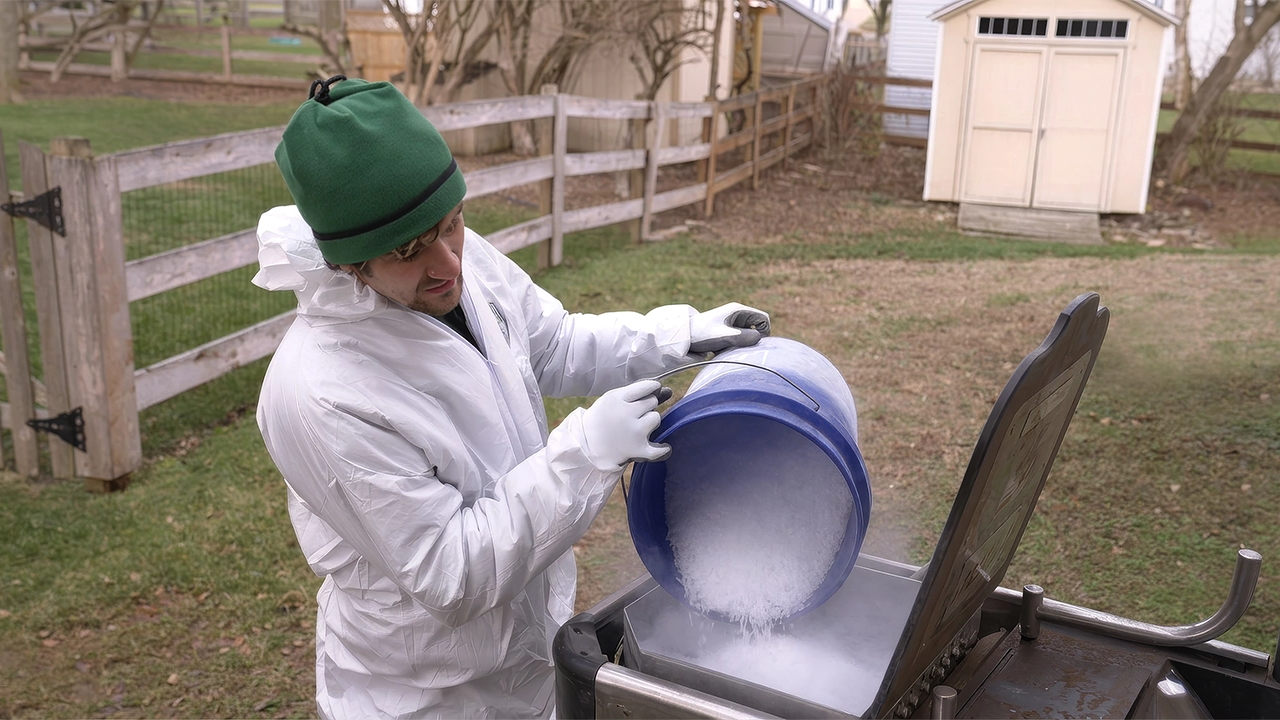
- 03. Dry Ice Supply — A reliable supply of dry ice is needed to ensure you have dry ice when you need it. We can help you identify a local dry ice supplier and recommend the amount you should order based on your project scope.
- 04. Application Specific Accessories — Cold Jet offers a wide array of nozzle types and accessories to meet the unique demands of different restoration applications. Our extensive nozzle inventory includes options for precision cleaning, aggressive contamination removal, and everything in between. Our team will work with you to determine the optimal nozzle type.
- 05. Machine and Operator Training — To ensure your team can effectively and safely use your dry ice blasting equipment for historical restoration, proper training is essential. Cold Jet provides a comprehensive training course that equips operators with the necessary techniques and safety guidelines for optimal cleaning practices on delicate historic surfaces.
- 06. Personal Protective Equipment (PPE) — Always ensure your restoration team wears the correct safety gear, including insulated gloves, hearing protection, and eye protection when operating your dry ice blaster.
Equipment
What Is the Best Dry Ice Blaster for Historical Restoration?
Restoration professionals choose from Cold Jet’s full lineup of dry ice blasters to match their specific project needs. Popular systems for historical restoration and preservation applications include:
Aero2® PCS® ULTRA
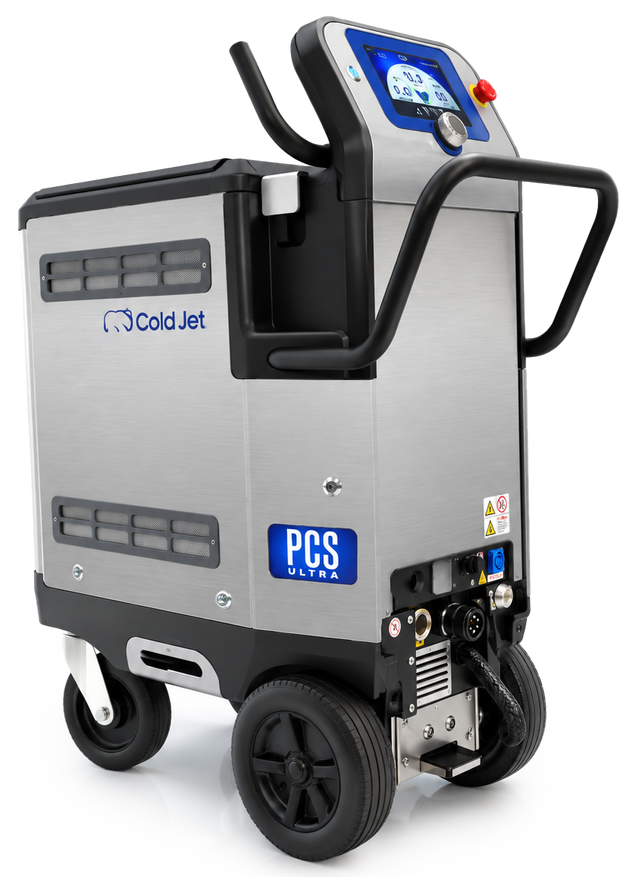
The Aero2 PCS ULTRA is the most versatile machine for historical restoration. Equipped with our patented Particle Control System (PCS®), operators can select the exact particle size for each application – from gentle MicroParticle dry ice for delicate carvings to aggressive 3mm pellets for heavy buildup. This precise control makes it ideal for monument restoration, building conservation, and museum artifacts.
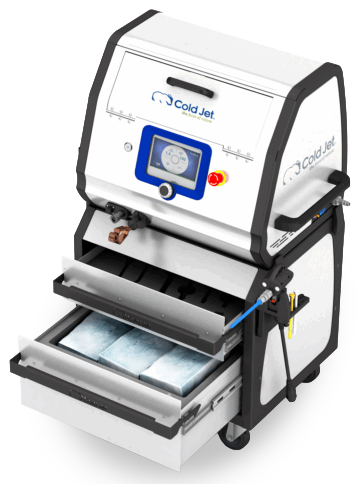
i3 MicroClean® 2
The i3 MicroClean 2 features intuitive controls in a lightweight, compact design. Operators can easily adjust cleaning parameters to lock in the ideal settings for delicate carved details or ornate architectural elements.
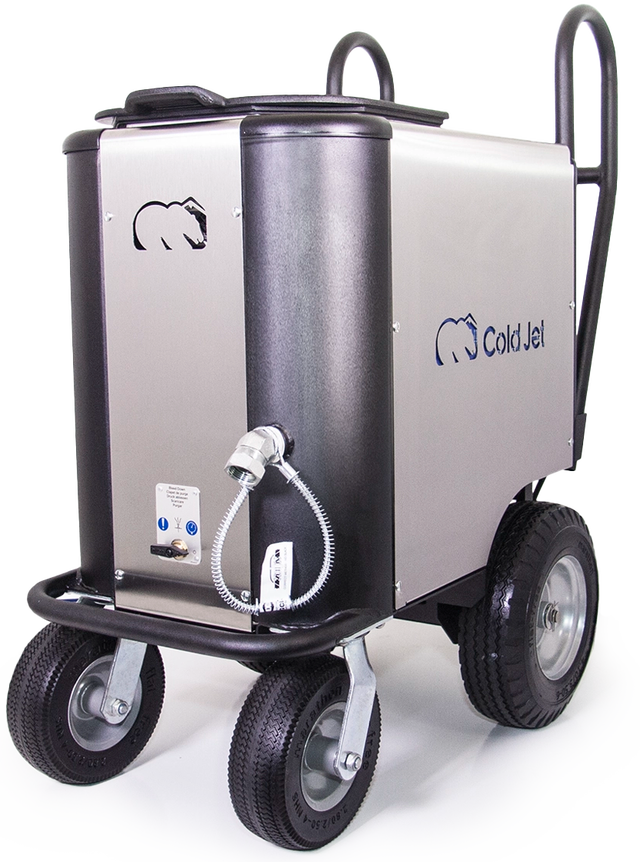
Aero® 40FP
The Aero 40FP offers powerful cleaning performance for medium to large restoration projects. The system effectively removes lead paint, biological growth, and environmental contamination from historic structures. The machine is ideal for building facades, architectural elements, and larger monument restorations.
Machine comparison
Which Dry Ice Blaster Fits Your Historical Restoration Project?
Compare the Cold Jet blasters suited to restoration work, so you can match particle control and intensity to soot, paint, and grime on wood, stone, brick, and other delicate surfaces.
| Specifications | Aero2® PCS® ULTRA | i3 MicroClean® 2 | Aero® 40FP |
|---|---|---|---|
| Particle Control | Variable(0.3mm to 3.0mm, 28 sizes) | Microparticles(Shaved) | Standard(3mm) |
| Controls | Digital(7" LCD, Recipes, IoT) | Digital(7" LCD, Recipes, IoT) | Analog / Standard |
| Feeder Technology | Two-Stage + Defrost Cycle | Radial Feeder | Advanced Radial Feeder |
| Application Intensity | Versatile(Precision to Aggressive) | Delicate / Precision | Moderate to Aggressive |
| Automation & Integration Capable | Yes | Yes | No |
| Hopper Capacity | 60 lbs(27 kg) | 25 lbs(11 kg) | 40 lbs(18 kg) |
Why Cold Jet
Why Invest in Cold Jet Machines for Historical Restoration?
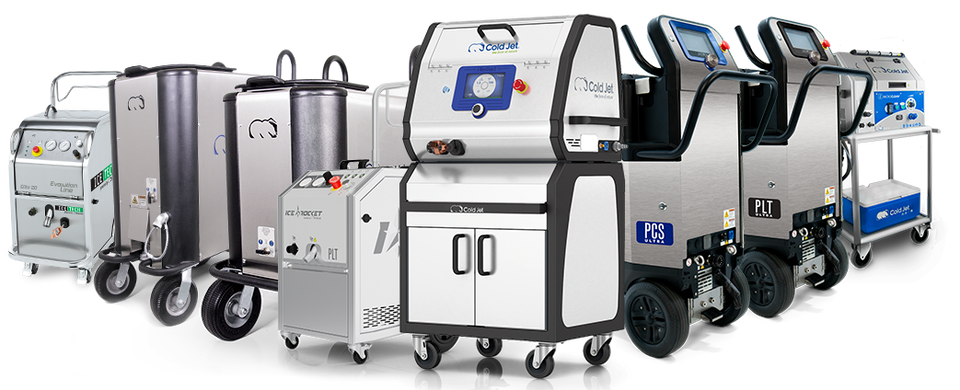
Cold Jet offers a wide range of dry ice blasting equipment suitable for historical restoration applications. When incorporating dry ice blasting into your preservation projects, you need a durable and reliable machine that delivers consistent results on irreplaceable surfaces. Cold Jet machines deliver faster ROI and greater value than competitors.
Historical Restoration Expertise
With decades of experience working with preservation contractors, museums, and restoration professionals, Cold Jet has developed an unparalleled understanding of the critical cleaning challenges and preservation standards required for historical restoration projects. Our team has supported successful restorations of historic lighthouses, public monuments, museum collections, and architectural treasures worldwide.
Trusted by Preservation Professionals
With over 24,000 dry ice blasting machines installed worldwide, Cold Jet is the trusted solution for historical preservation. Historic preservation teams rely on Cold Jet equipment to safely restore irreplaceable artifacts and structures.
Industry Leading Reliability
Our machines are engineered to perform consistently in challenging restoration environments. Cold Jet dry ice blasters offer unmatched reliability and a significantly longer lifespan than competitor models. When working on irreplaceable historic materials, equipment reliability is not optional – it’s essential.
Lower Operating Costs
Cold Jet dry ice blasting equipment is designed for maximum efficiency, using significantly less dry ice, compressed air, and electricity than competitor machines. This directly reduces your daily operating costs without compromising cleaning quality or safety.
Proven Non-Abrasive Performance
Cold Jet systems have been independently tested and verified to cause zero surface damage to historic materials if the correct blasting parameters are used. This proven gentle cleaning performance gives restoration specialists the confidence to accept high-value preservation projects and meet the strictest conservation standards.
Unmatched Support and Training
Our regional support team offers both expert equipment maintenance services and comprehensive operator training to ensure your team’s success on even the most challenging preservation projects.
Our customers
Preservationists and restoration professionals worldwide rely on Cold Jet
With a global install base of 24,000+ installations serving preservation professionals large and small, Cold Jet delivers valuable dry ice blasting equipment for historical restoration.



Compliance
Supporting Preservation, Safety & Sustainability
Dry ice blasting helps restoration professionals meet conservation standards and safety and environmental requirements without abrasives or chemicals.
Zero Damage
Conservation Standards
Preservation standards demand cleaning methods proven not to erode, pit, or alter irreplaceable historic surfaces, finishes, and patinas.
How We Comply
Independently tested to cause zero surface damage under 350x magnification, dry ice blasting preserves original materials and patinas, meeting the strictest conservation standards and maintaining historical accuracy.
Lead-Safe
Worker & Site Safety
Chemical treatments and abrasive blasting expose crews to hazardous substances and create contaminated dust and runoff on lead-paint and sensitive sites.
How We Comply
The chemical-free, low-dust process is ideal for lead paint abatement and contaminated sites, reducing worker exposure and creating no toxic runoff or hazmat disposal.
No Runoff
Environmental Responsibility
Pressure washing and chemical cleaning create wastewater and runoff that threaten surrounding gardens, vegetation, and water sources at outdoor sites.
How We Comply
Chemical-free, water-free dry ice blasting uses recycled CO₂ and leaves no runoff or secondary waste, protecting gardens, vegetation, and water sources near historic sites.