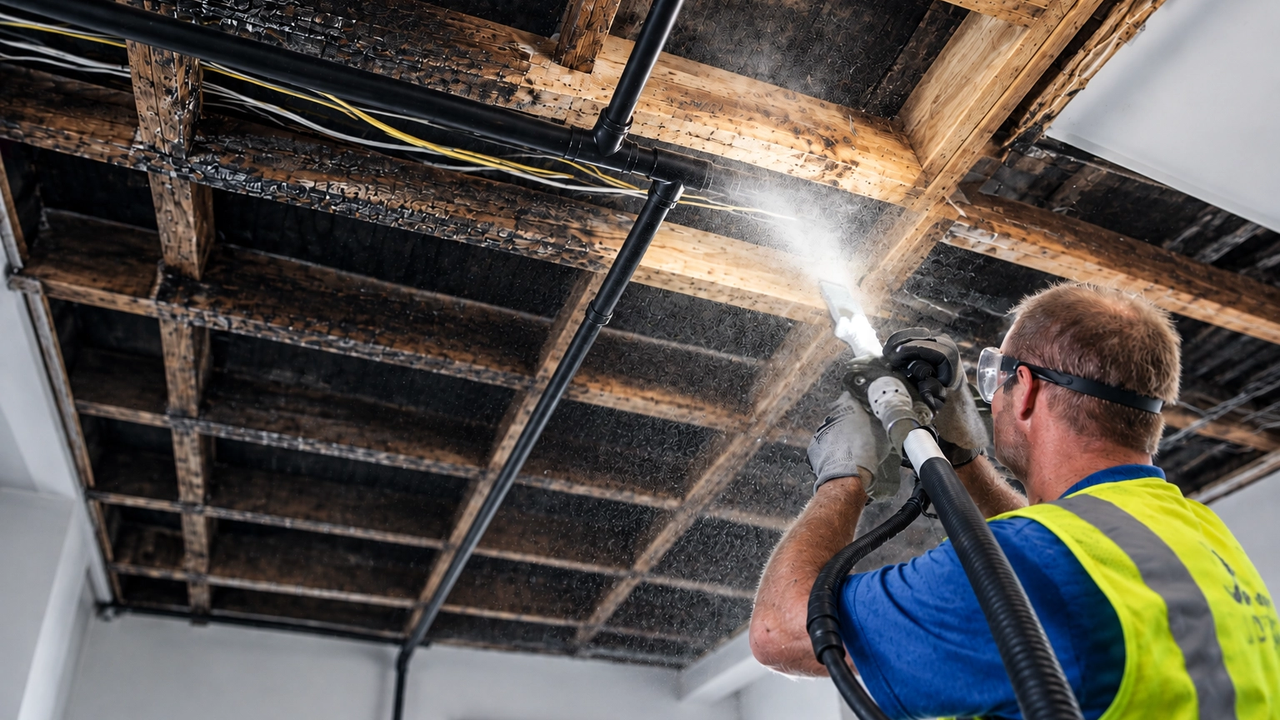
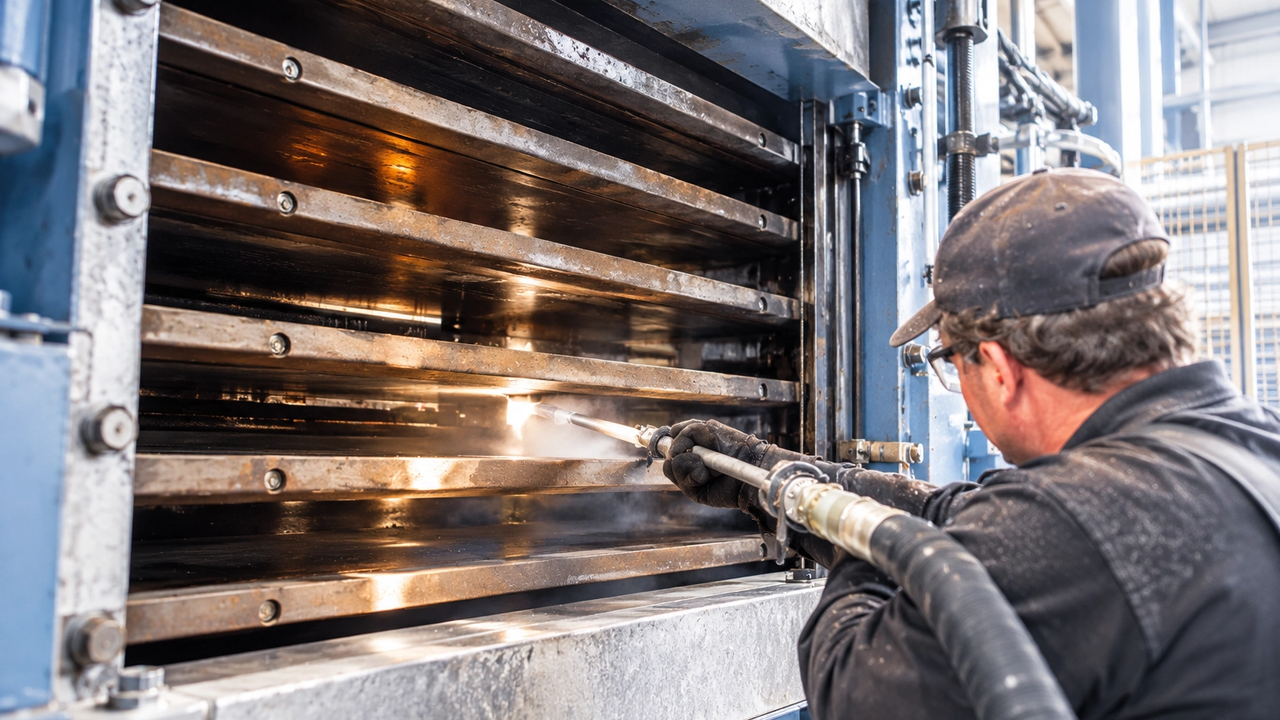
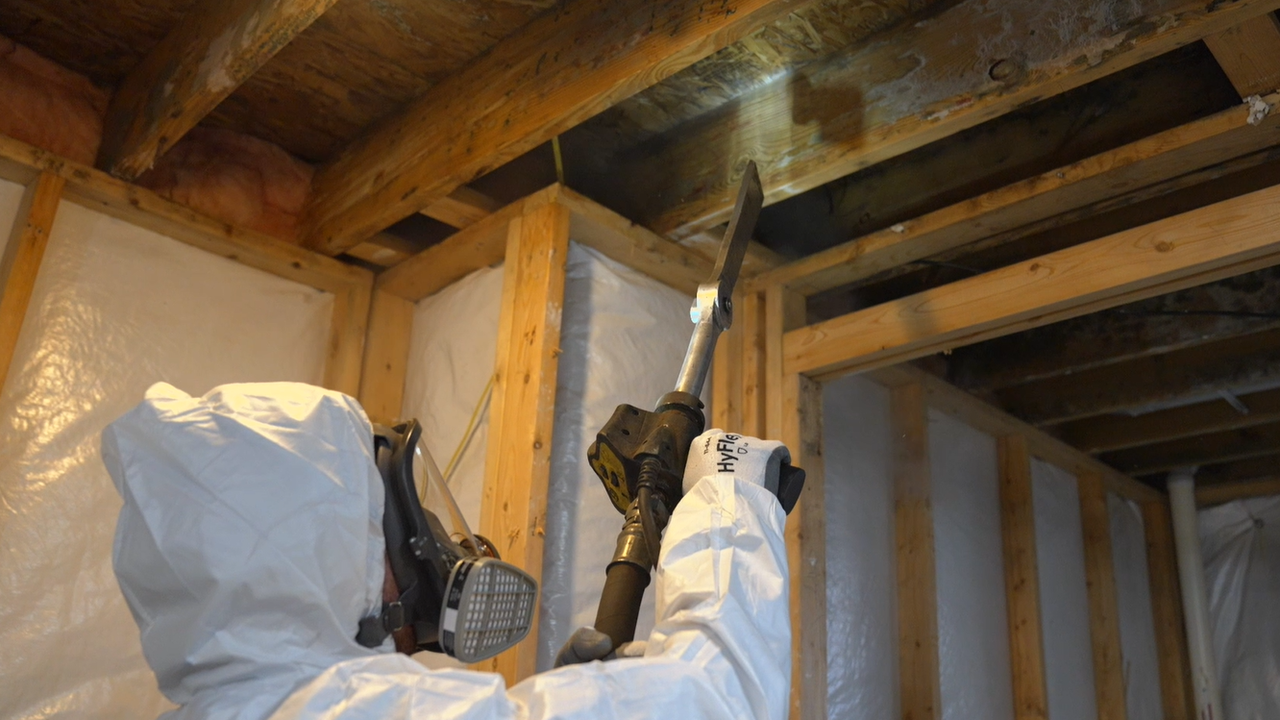
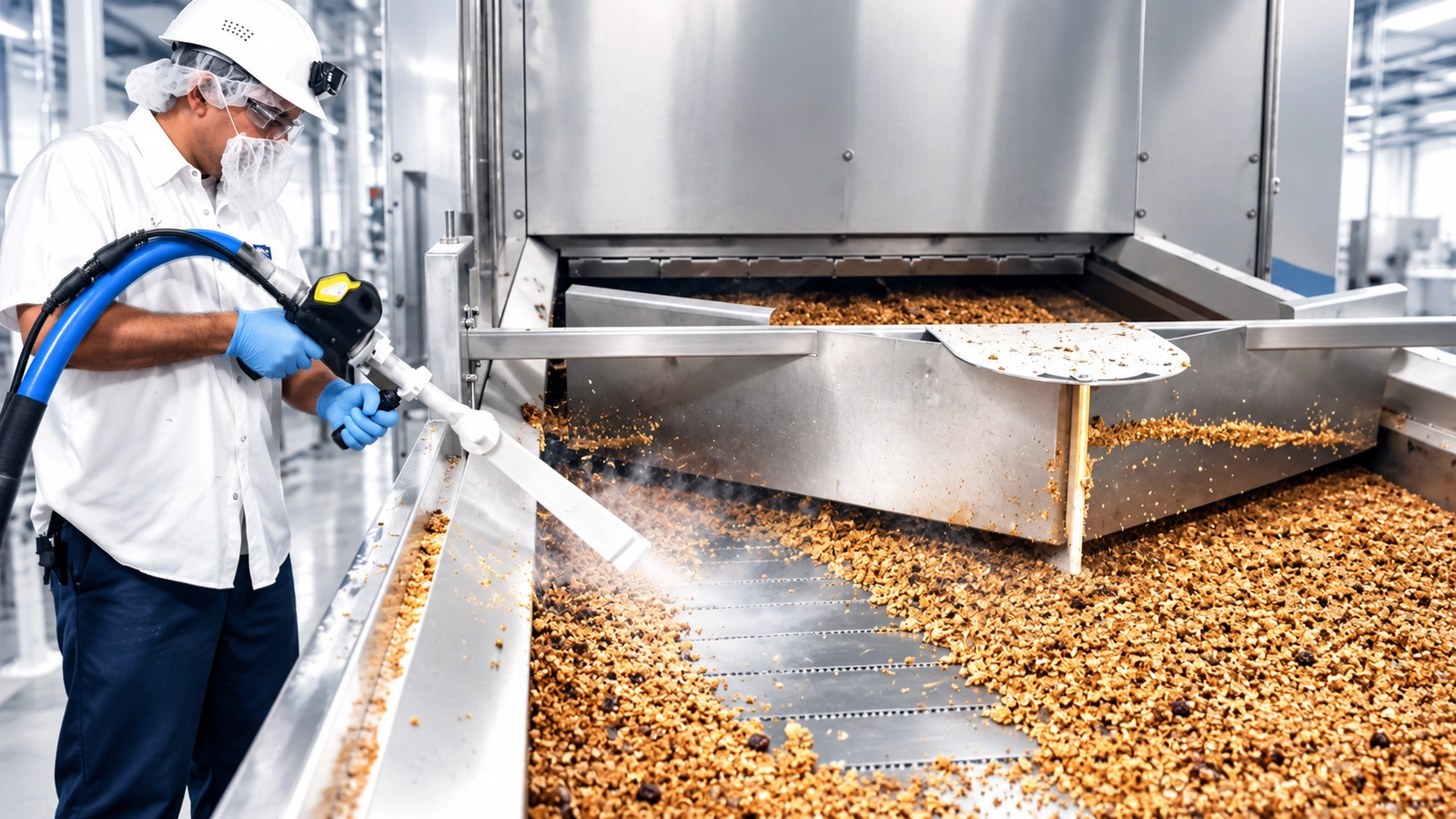
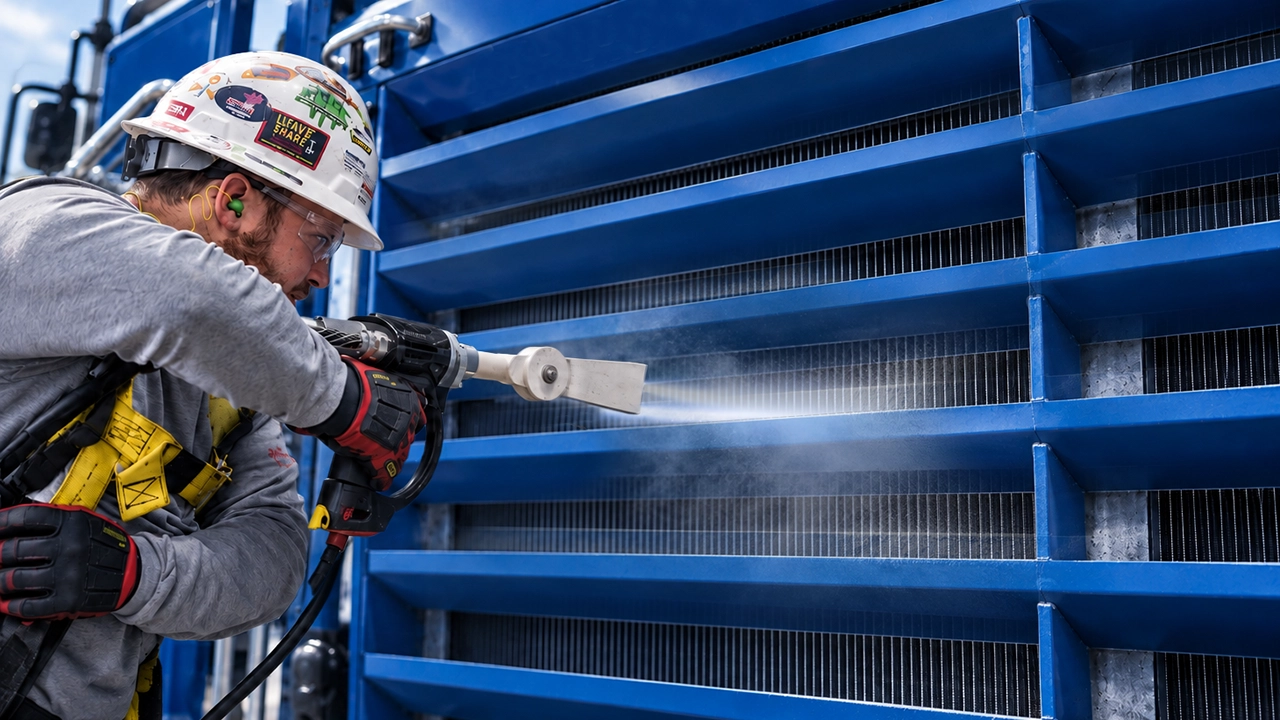
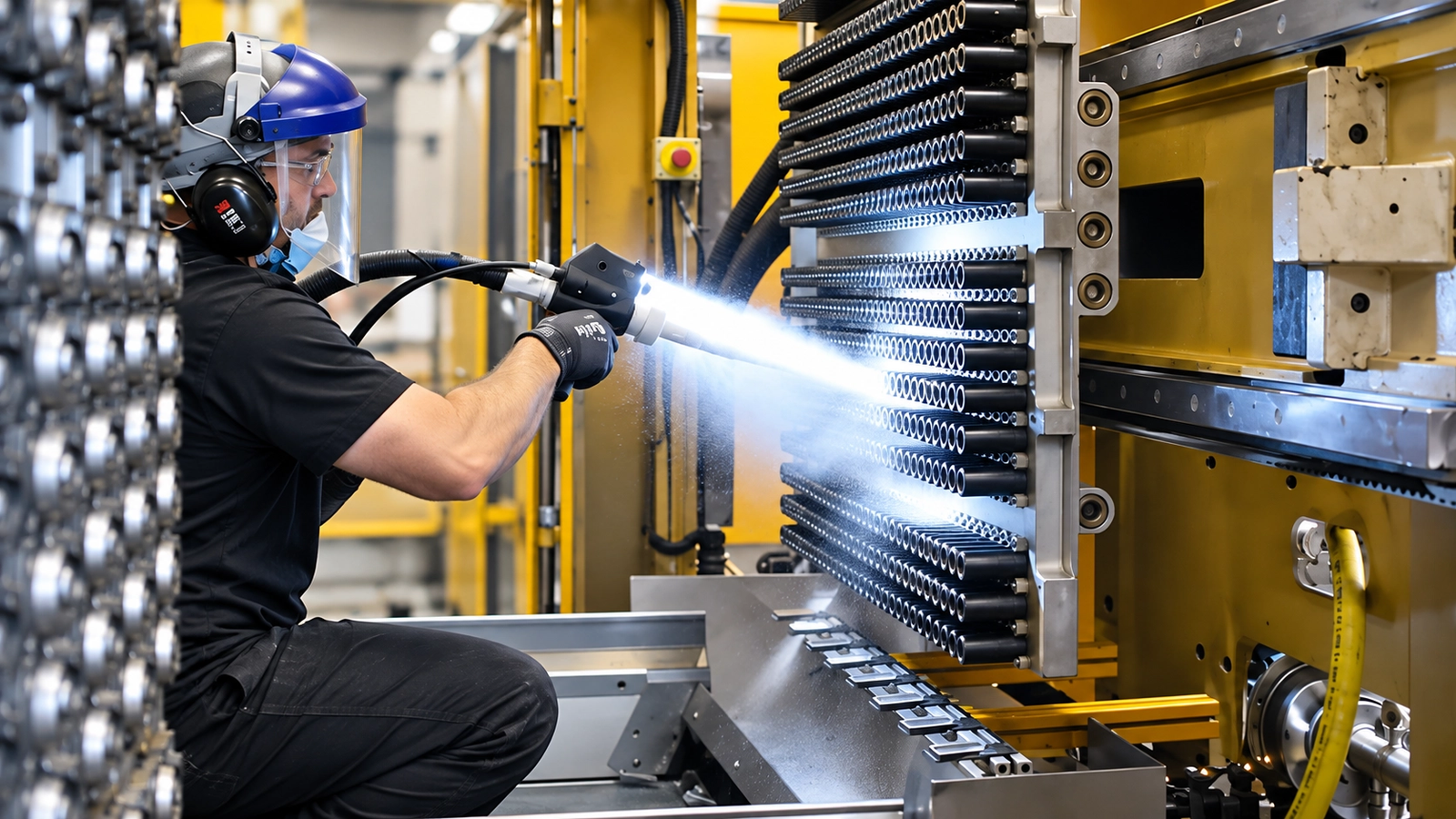
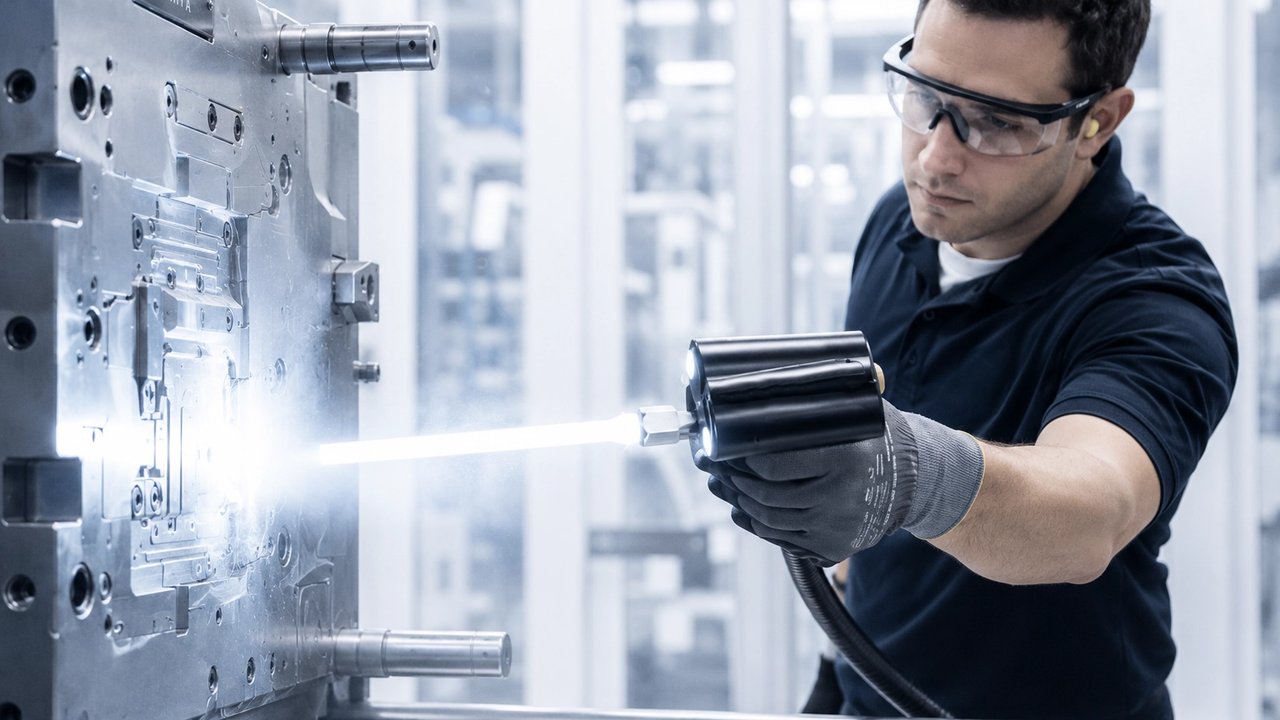
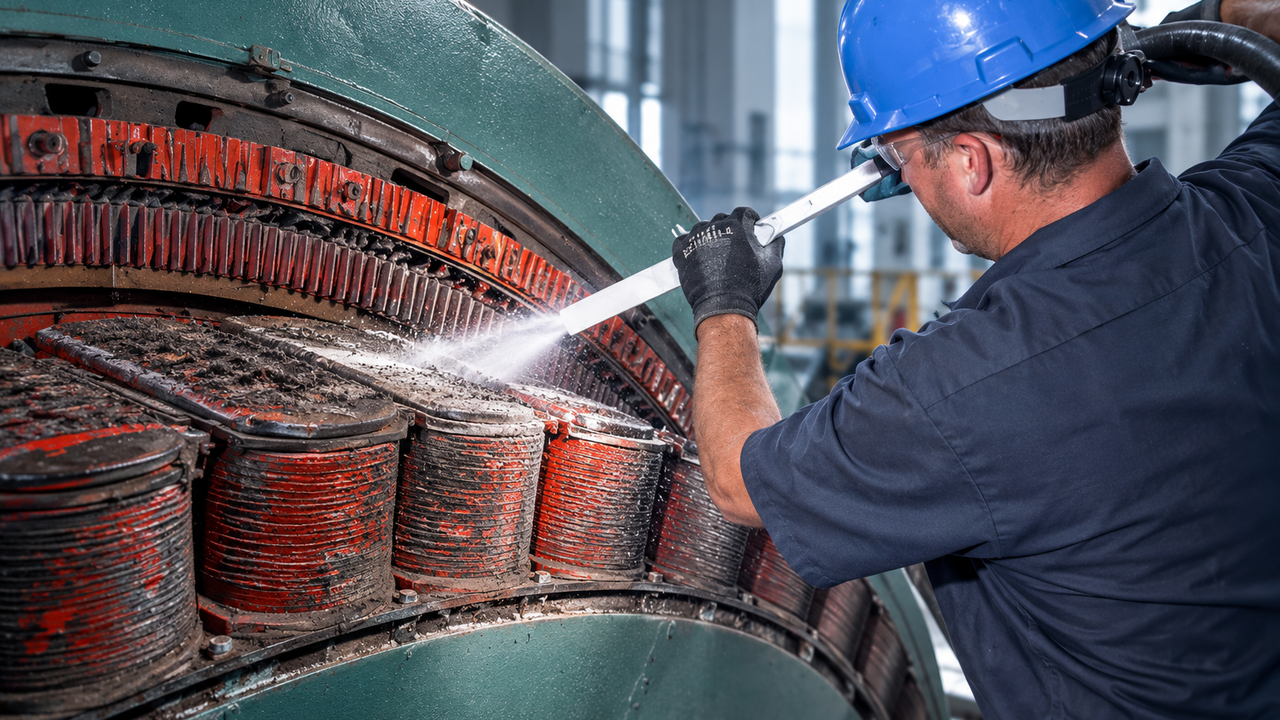
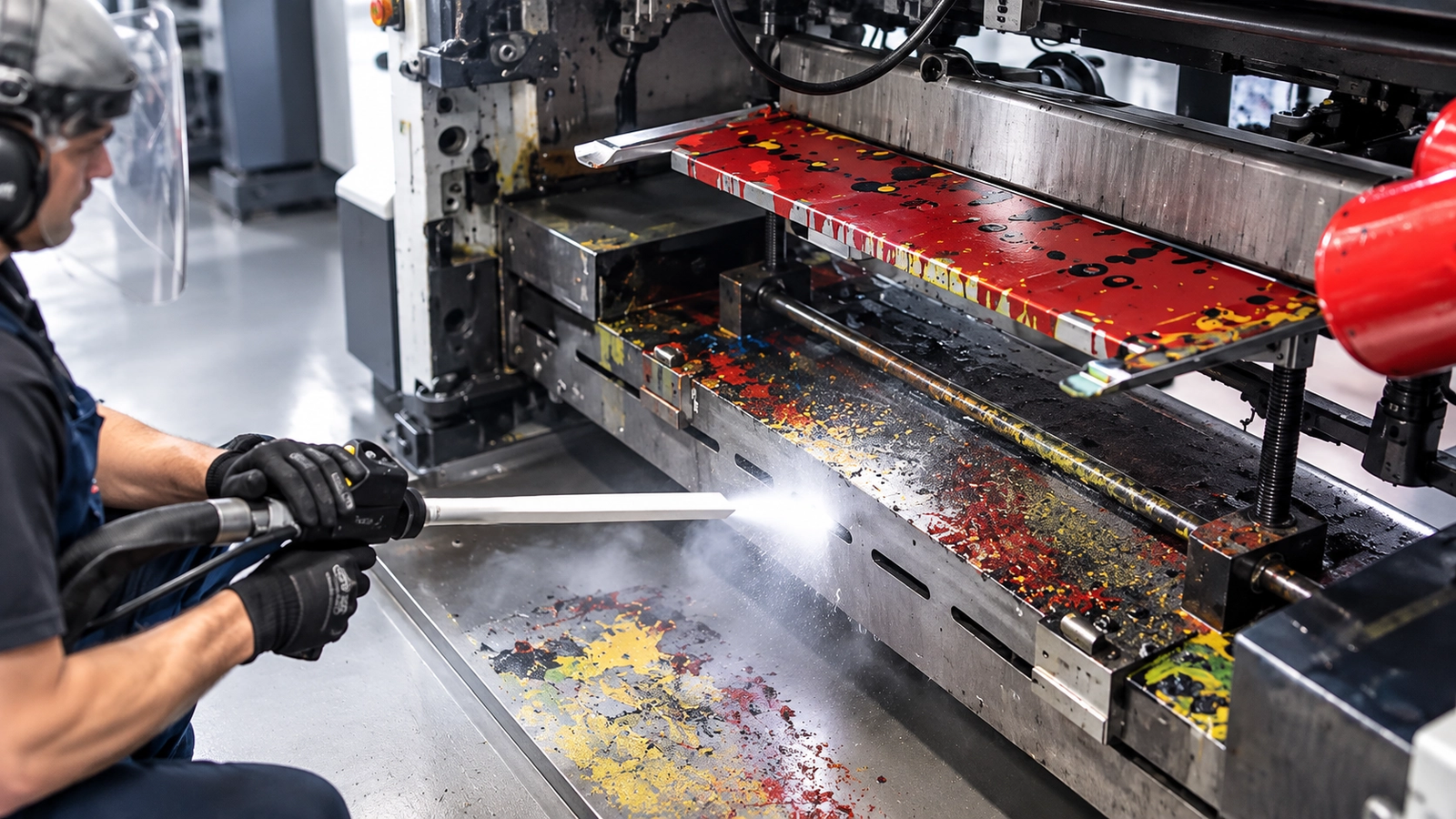
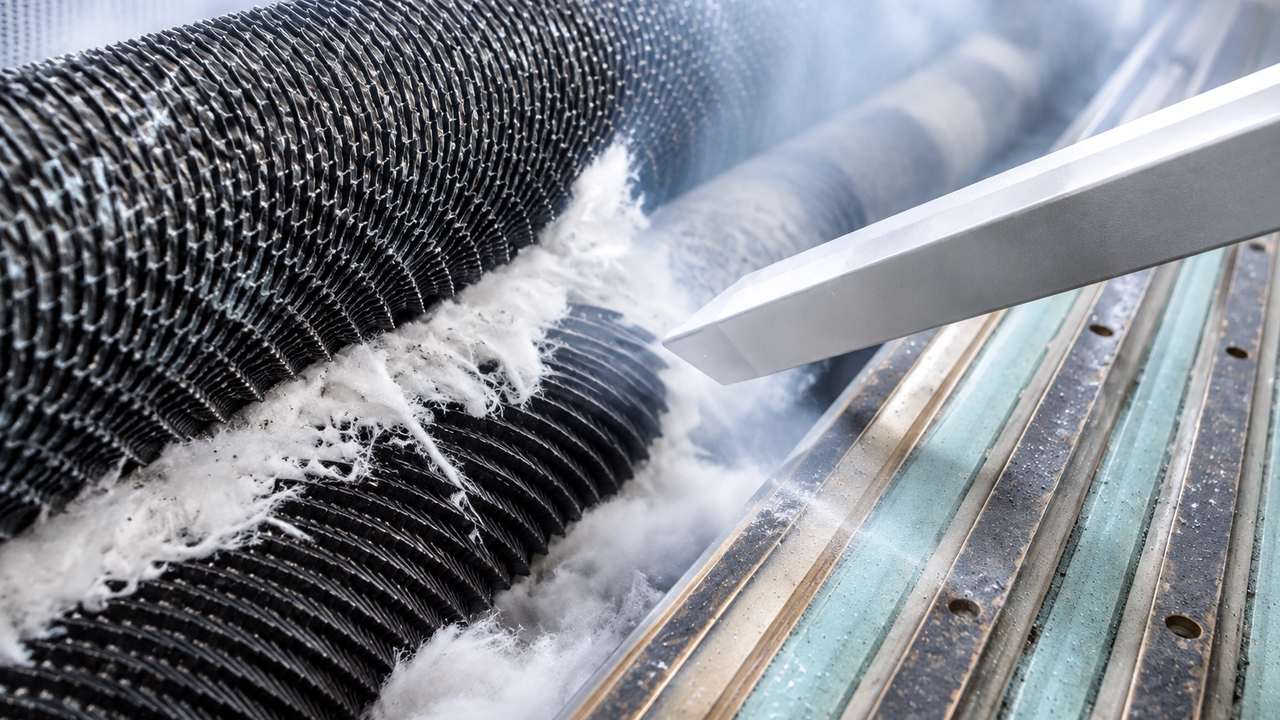
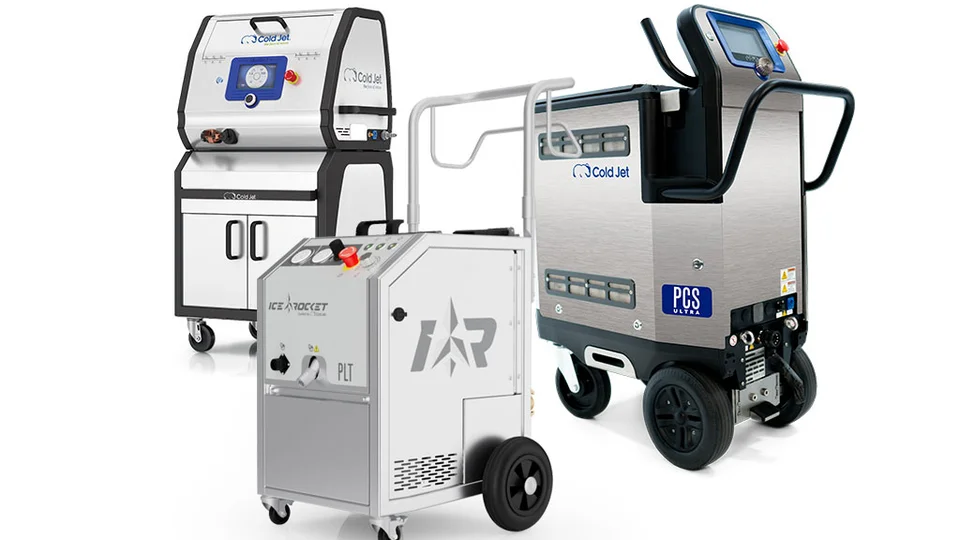
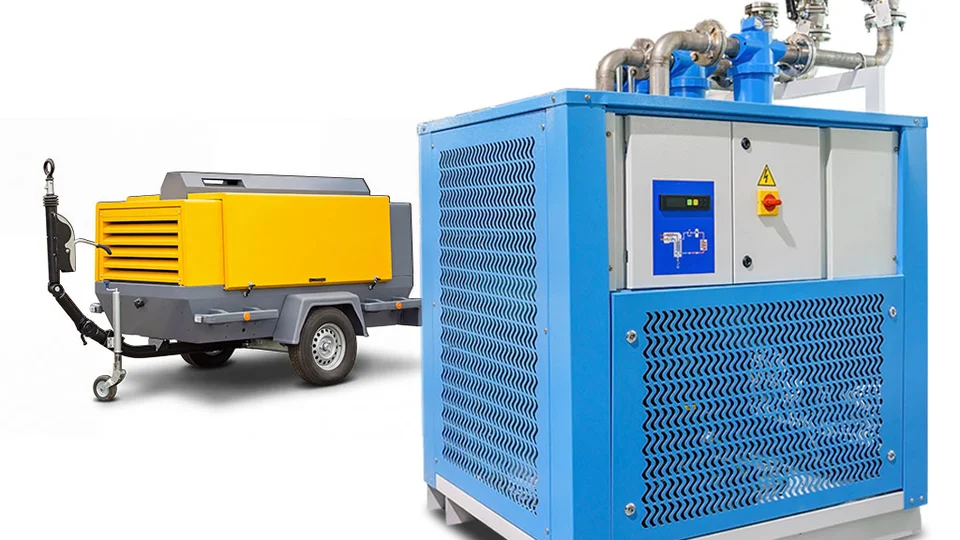
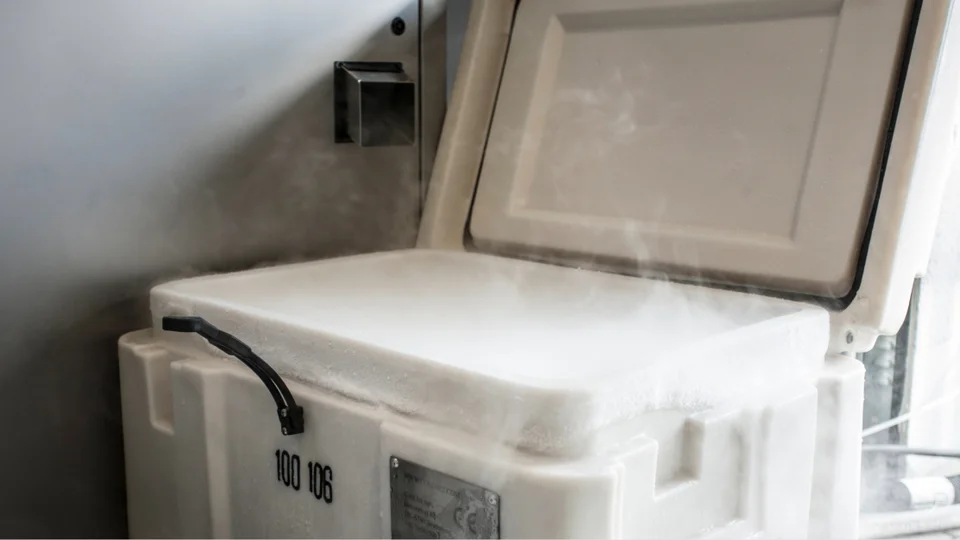
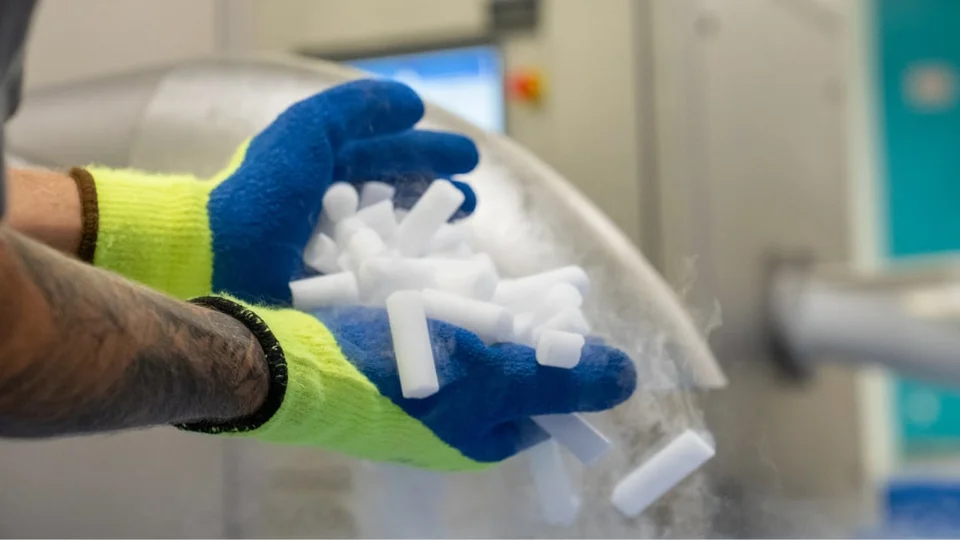
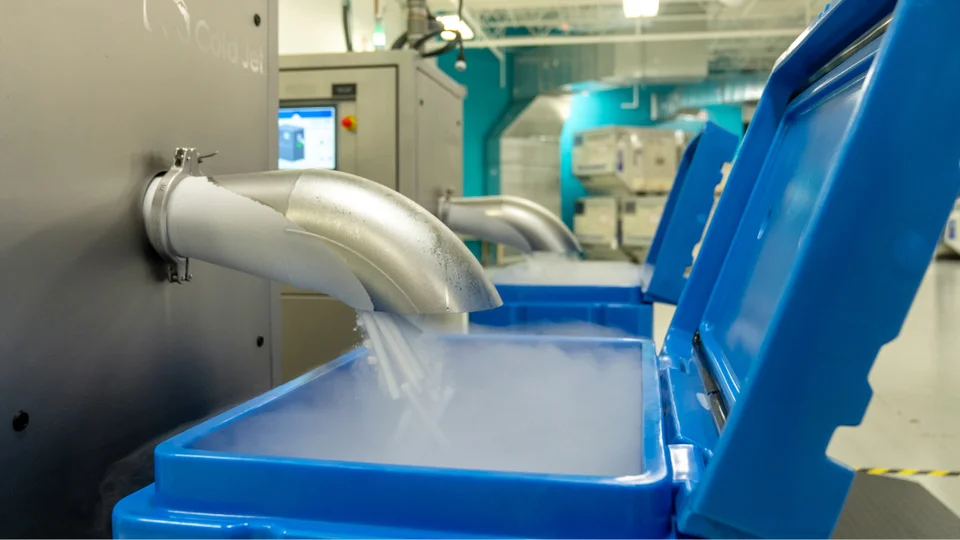
| Dry Ice Blasting vs Abrasive Blasting | Traditional abrasive blasting techniques (crushed glass, plastic beads, walnut shells) inherently cause some degree of surface erosion, pitting, or surface profiling, which can be detrimental to sensitive equipment, industrial molds, or components requiring precise tolerances. Traditional abrasives also create messy secondary waste, which must be collected and removed. | Dry ice blasting is non-abrasive and cleans without damaging surfaces. Dry ice sublimates upon impact, which means no secondary cleaning media is left behind. This eliminates the labor-intensive and costly cleanup associated with abrasive blasting's spent media. Dry ice cleaning machines are also safer and more environmentally friendly. The process does not create harmful dust or airborne particulates that are common with abrasive media. Dry ice blasting equipment improves worker conditions and reduces environmental footprint. |
|---|
| Dry Ice Blasting vs Sandblasting | While sandblasting aggressively removes contaminants, it's often at the expense of the underlying surface. Sandblasting uses abrasive media and damages delicate surfaces and equipment. The high-pressure abrasive particles can cause surface pitting, dimensional changes, and premature wear. Additionally, sandblasting generates hazardous silica dust that poses serious respiratory health risks to workers and requires expensive ventilation systems and PPE. The process also contaminates the surrounding work area with spent abrasive media, creating extensive cleanup requirements and potential environmental concerns. Equipment downtime is significantly increased due to the need for thorough post-blast cleanup, media disposal, and potential surface repairs from blast damage. | In contrast, dry ice blasting machines utilize non-abrasive dry ice pellets that sublimate on impact, leaving behind no secondary waste. This not only eliminates costly cleanup, but also preserves equipment integrity, extending its operational life. Dry ice blasting machines are a safer and more environmentally friendly option, producing no harmful dust or airborne particulates common with sandblasting, ensuring a healthier work environment and reduced environmental impact. |
|---|
| Dry Ice Blasting vs Laser Cleaning | Laser cleaning has drawbacks that limit its widespread adoption. It demands substantial capital investment and carries high upfront costs. Laser cleaning also requires considerable energy consumption during operation, leading to elevated ongoing operational expenses. The process also has notable material limitations. Laser cleaning is ineffective on soft, fragile, or highly reflective surfaces that cannot properly absorb or interact with laser energy. Additionally, laser cleaning operates relatively slowly, making it impractical for large surface areas. Extensive operator training and expertise are essential for proper operation. Operators must understand complex laser parameters, including wavelength, pulse duration, and energy density to achieve optimal results without damaging substrates. Laser cleaning also introduces safety concerns for operators and surrounding workers. High-powered laser beams pose serious risks of skin burns and eye injuries, while vaporized contaminants can create harmful fumes requiring ventilation systems. | Dry ice blasting cleaning machines are a more practical choice for many industrial applications. Unlike laser cleaning systems that require substantial capital investment and specialized technical expertise, dry ice blasting equipment is more accessible and easier to operate, reducing both initial costs and training requirements. Dry ice blasting machines are a more versatile solution than laser cleaning. They effectively clean a wide range of materials including soft, delicate, and reflective surfaces that laser cleaning cannot handle effectively. Dry ice blasting also operates significantly faster than laser cleaning, making it ideal for large surface areas. From a safety perspective, while proper precautions are still necessary, dry ice blasting presents fewer risks than high-powered laser beams that can cause severe burns and eye damage. Additionally, dry ice blasting equipment has lower energy consumption and maintenance requirements compared to complex laser equipment, resulting in reduced operational costs. |
|---|
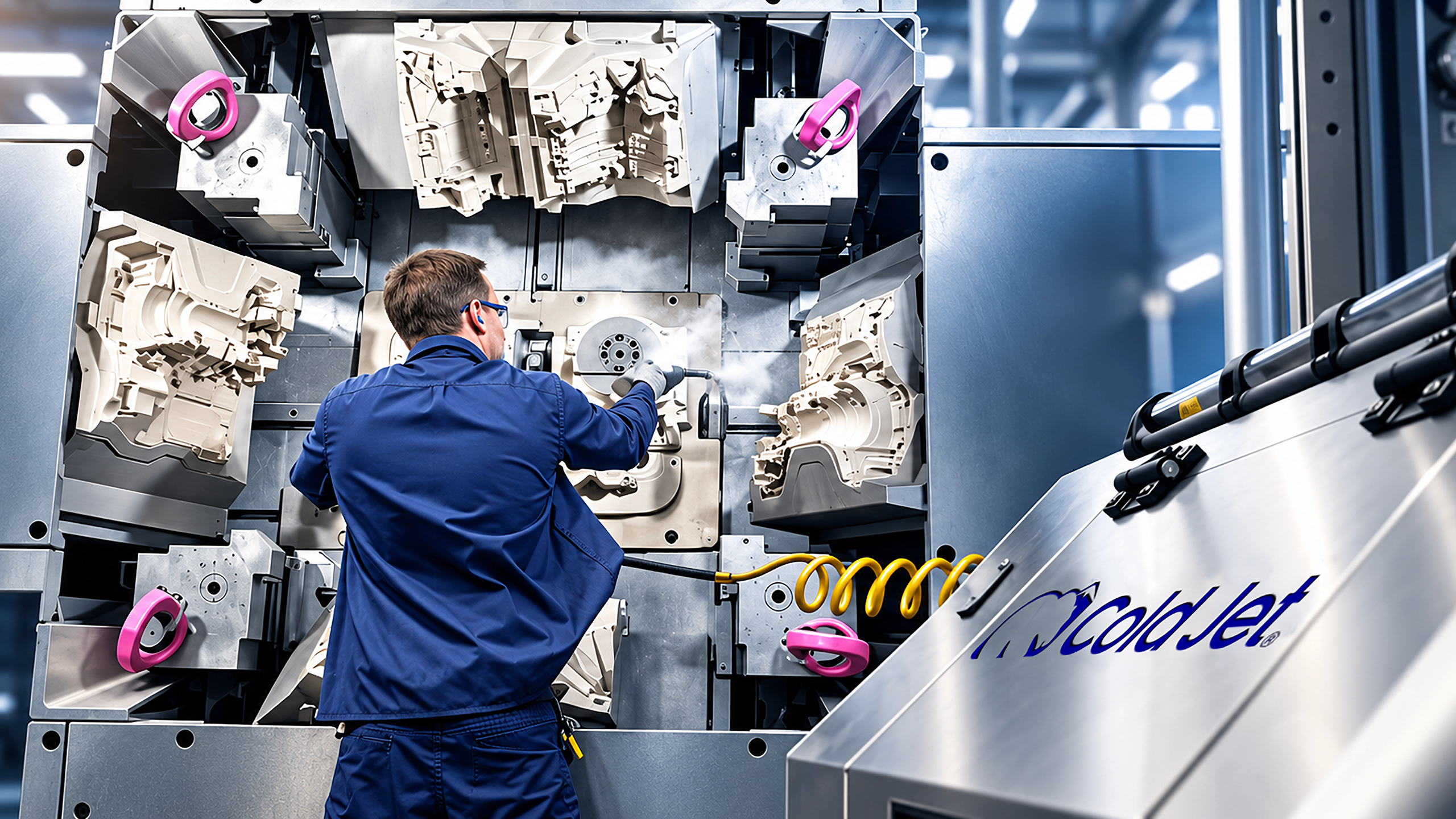
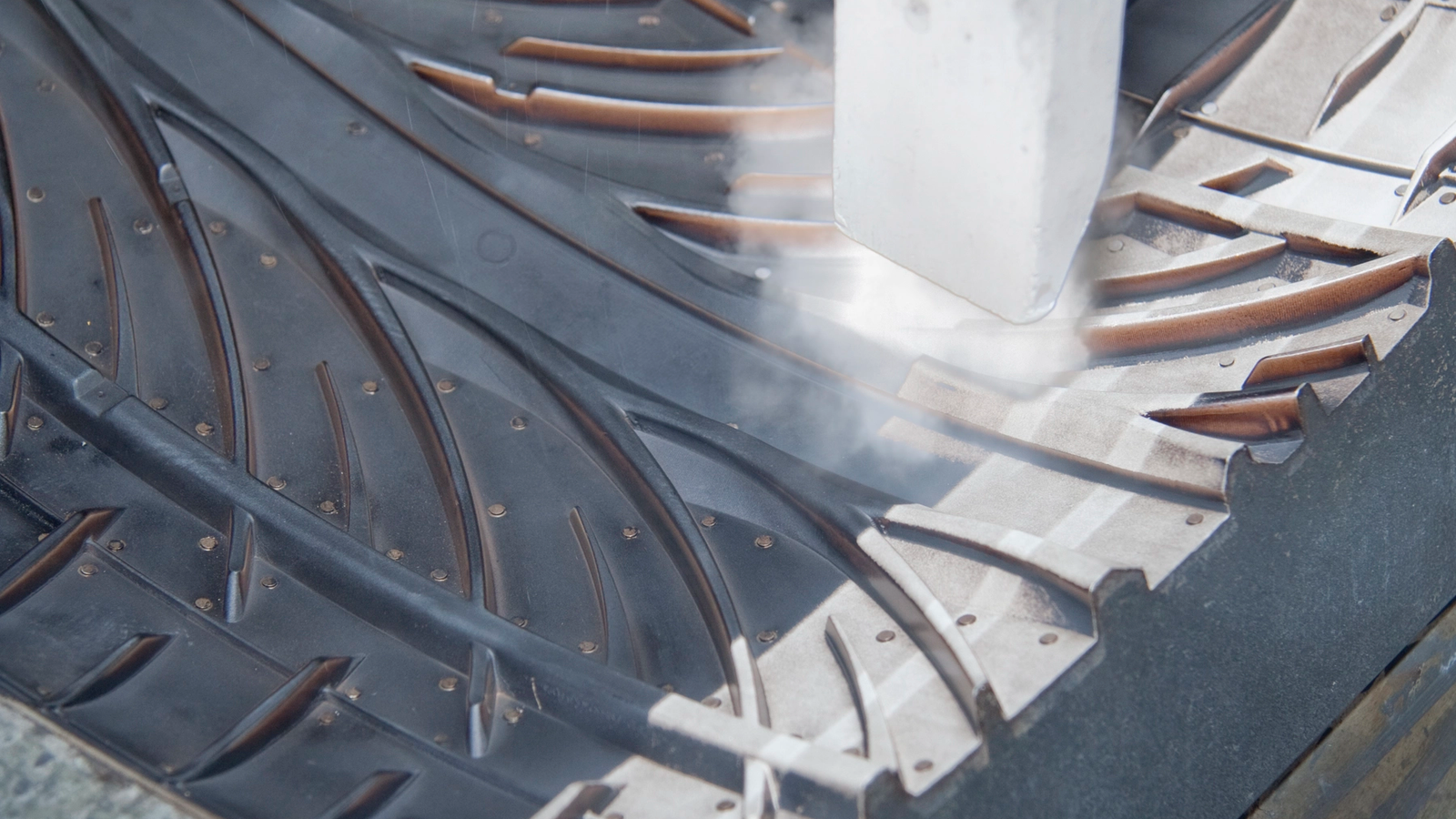
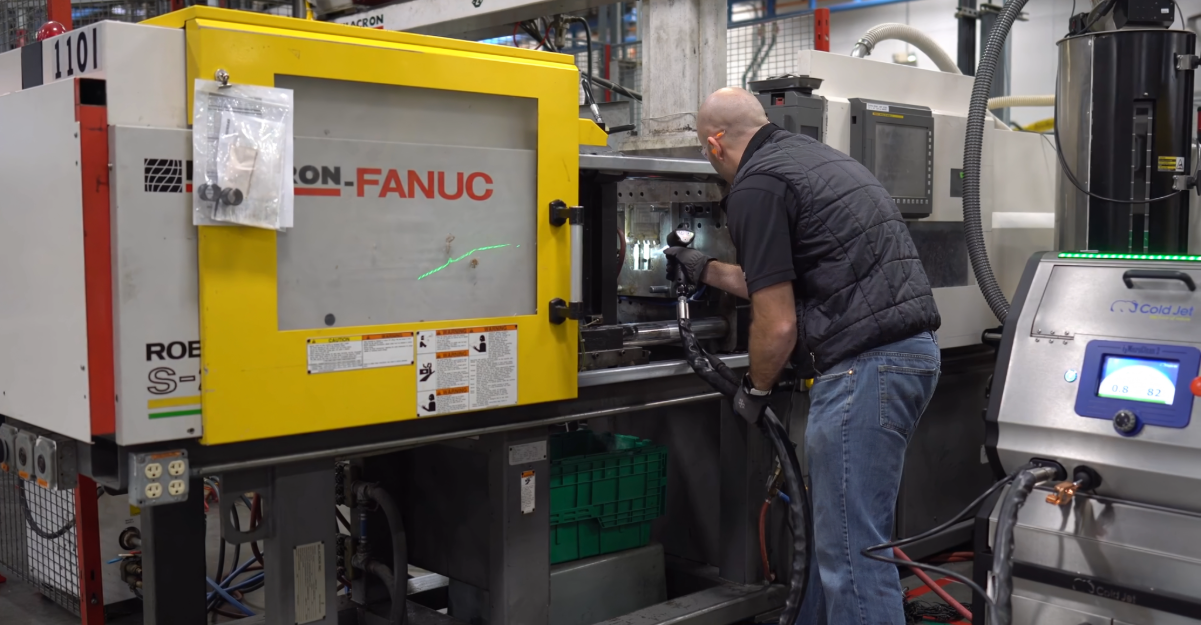
| Dry Ice Blasting vs Hand Tools and Chemical Solvents | Manual cleaning usually involves a lot of effort, such as repetitive scrubbing and scraping. Also, it often requires using chemical solvents. This can be very time-consuming and physically demanding, leading to worker fatigue and potential injuries from repetitive motions or contact with hazardous substances. Hand tools struggle to reach small, complex areas. Equipment must be taken apart to be cleaned, leading to long periods where machinery isn't running. Furthermore, cleaning with hand tools can damage sensitive surfaces, which can compromise equipment performance and lifespan. | Dry ice blasting is a gentle, non-toxic, and much faster way to clean. Dry ice blasting can clean equipment in place and without disassembly. The process also excels at cleaning hard to reach or complex surfaces, such as complex geometries on plastic molds. This significantly cuts down on the time workers spend cleaning and reduces how long production stops. Additionally, dry ice cleaning machines do not expose workers to harmful chemicals. |
|---|
| Dry Ice Blasting vs Soda Blasting | Soda blasting uses sodium bicarbonate (baking soda) as its media. It is mildly abrasive, but it is more gentle than abrasive blasting and can effectively remove contaminants. However, it creates a significant amount of secondary waste in the form of soda residue. This residue requires extensive cleanup, often leaving a fine powder that can be challenging to remove from intricate components and crevices. It is also moisture-sensitive, which leads to clumping. Soda blasting may pose environmental risks when cleanup is inadequate. If sodium bicarbonate particles penetrate soil, they can disrupt pH balance and kill vegetation. | Dry ice blasting is non-abrasive and will not damage equipment or tooling. Dry ice cleaning does not produce a secondary waste stream like soda blasting, which means there is no leftover blasting media to clean up. This significantly reduces labor, disposal costs, and downtime. Dry ice also poses no environmental risk to the surrounding area being cleaned. |
|---|
| Dry Ice Blasting vs Pressure Washing | Pressure washing, while effective for general surface cleaning, presents significant drawbacks that limit its application in many industrial environments. Its reliance on high-pressure water introduces considerable moisture, posing risks to electrical systems, intricate machinery components, and leading to potential issues like rust, corrosion, and mold growth. The process generates a substantial volume of waste water that must be contained, collected, and disposed of. This adds additional operational expenses and introduces environmental concerns regarding runoff and pollution. The abrasive force of water can also damage delicate surfaces. | Dry ice blasting is a completely dry cleaning process. This eliminates the need for drying, prevents water-related damage to sensitive equipment, and drastically reduces cleanup efforts. Its non-conductive nature makes it uniquely safe for cleaning energized electrical components. |
|---|