Cleaning Delicate Instrument Panel Parts Without Damaging Them
Automobile restoration involves repairing the degraded aspect of a car to return it to its authentic condition, or how it would have appeared when first offered for sale.
A complete restoration includes not only the repair and cleaning of the parts on the outside of the car, such as the body, trim, chrome, wheels, dash board and accessories, but also the parts that are not as evident, including the engine, trunk, frame, brakes, engine cooling system, etc. All parts must be meticulously inspected, cleaned of all grease and dirt and measured against factory specifications and, if necessary, machined or re-manufactured to bring them within specifications.
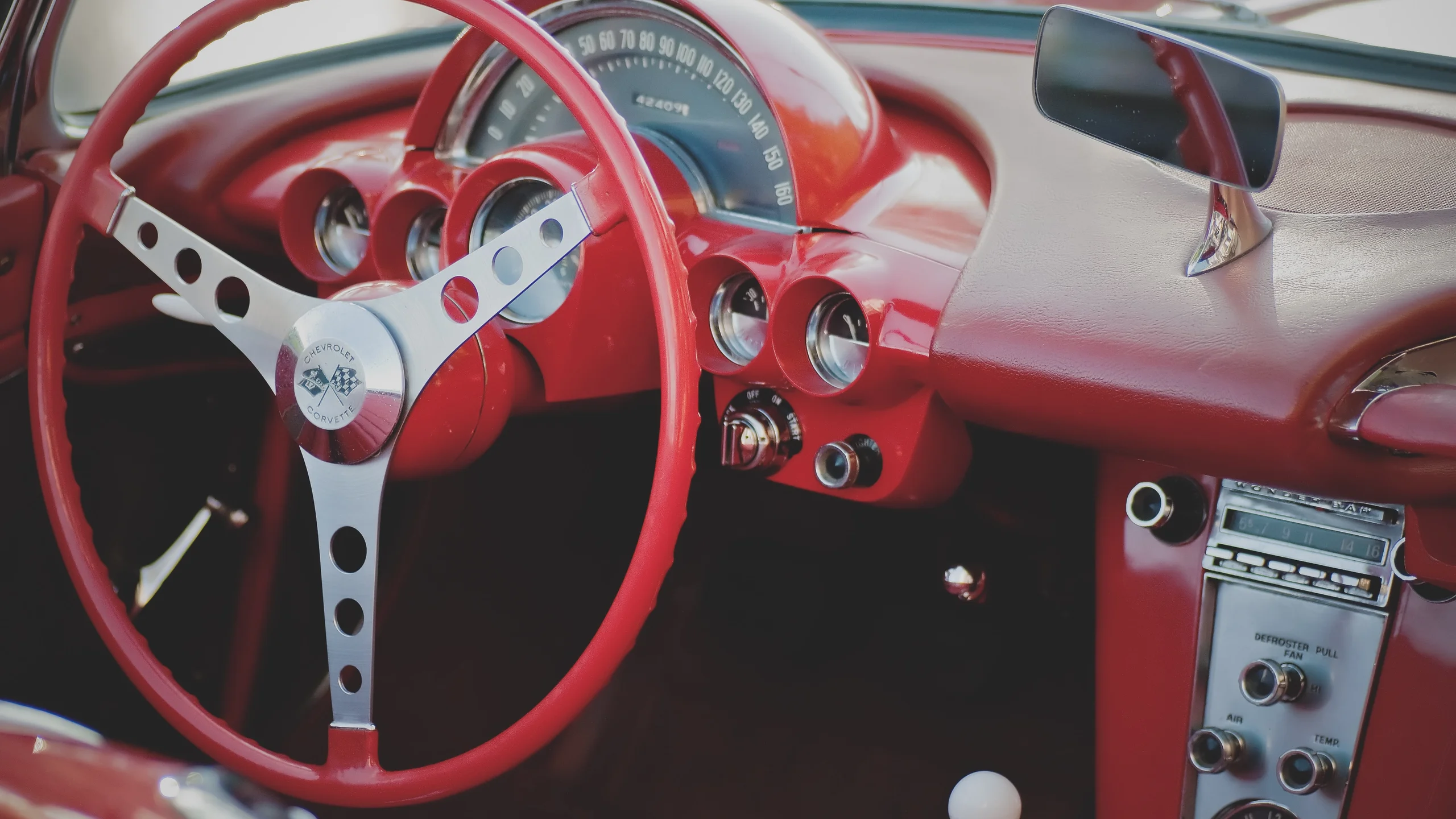
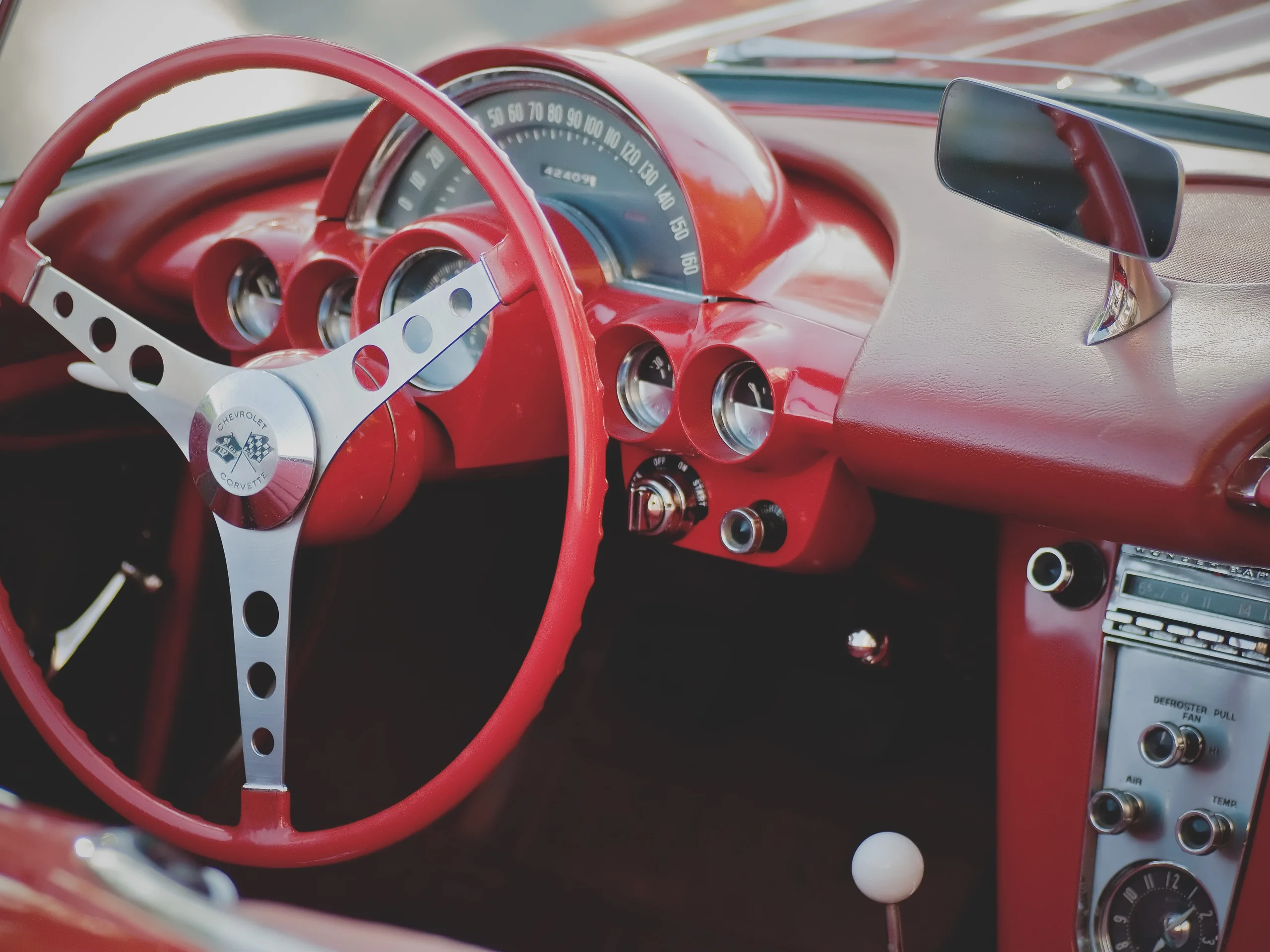
In the process of restoring his 1970 Corvette, Kyle Wilson needed to clean the instrument panel as well as some additional parts before he could have it professionally painted. The instrument panel contains a number of gauges, each of which had to be inspected, cleaned and repaired or replaced in order for the car to be brought back to both operational and cosmetic standards.
Cleaning the parts by hand with water, detergent and a scrub brush was one cleaning method considered but would not effectively remove all of the debris. A solvent-based solution can be harmful to the parts as well as to skin and lungs if in contact for an extended period of time. Also, both of these options would take extensive time and leave secondary waste and residue, requiring additional cleanup.
Other cleaning options evaluated include sand and soda blasting which were deemed not viable because both sand and soda could damage the intricate parts and electronics.
“I needed a cleaning system that was fast and strong enough to clean, but also sensitive enough not to damage the car parts or remove the original features. I also needed a product that could get into the tight crevices where normal cleaning tools such as Q-tips, paint brushes, towels, or rags could not reach.
”
A Gentle, Non-Abrasive Dry Ice Cleaning System
Cold Jet’s dry ice cleaning system uses non-abrasive media in the form of CO2 particles that won’t damage surfaces or equipment. The combination of dry ice cleaning’s kinetic energy and thermal effects break the connection between the dirt and surface, lifting away contaminants. Unlike blasting with other media, dry ice cleaning does not leave any secondary waste, because the dry ice particles sublimate upon impact – converting from solid to gas. Dry ice cleaning is safe and non-toxic, does not create downstream contamination and reduces or eliminates employee exposure to dangerous chemical cleaning agents.
Original Paint and Serial Numbers Preserved
After successfully cleaning the instrument panel, Wilson decided to clean additional parts on the car as well. Using a Cold Jet i3 MicroClean system and 100 pounds of dry ice, Wilson cleaned the gauges, cigarette lighter, alternator, oil cap, valve covers, heater controls, tail light assemblies, AC compressor, car doors, underside of the hood and the carburetor.
With dry ice cleaning, Wilson was able to detail the frame delicately enough to avoid removing the paint and authentic serial numbers and markings. He detailed the engine and engine compartment without harming delicate components or paint and removed dirt and road debris from the undercarriage without having to remove major components – transmission, differential, shocks, springs, axles, bell housing and suspension – beforehand.
“Dry ice cleaning was the perfect solution to clean the car parts. It was strong enough to get the job done but sensitive enough not to damage the parts in the process. Dry ice cleaning is ideal for plastic components where solvents would have disfigured and discolored them. Also, when detailing the engine compartment, I was able to clean the vacuum hoses and electrical wiring without damage or discoloration.
”
Once cleaning is complete, Wilson will take the car to be professionally painted and his restoration project will be complete.
Cold Jet i3 MicroClean enabled Wilson to clean the instrument panel and numerous additional car parts with 100 pounds of dry ice. The process preserved original paint, serial numbers, markings, and delicate components while cleaning the engine compartment and undercarriage without removing major components.