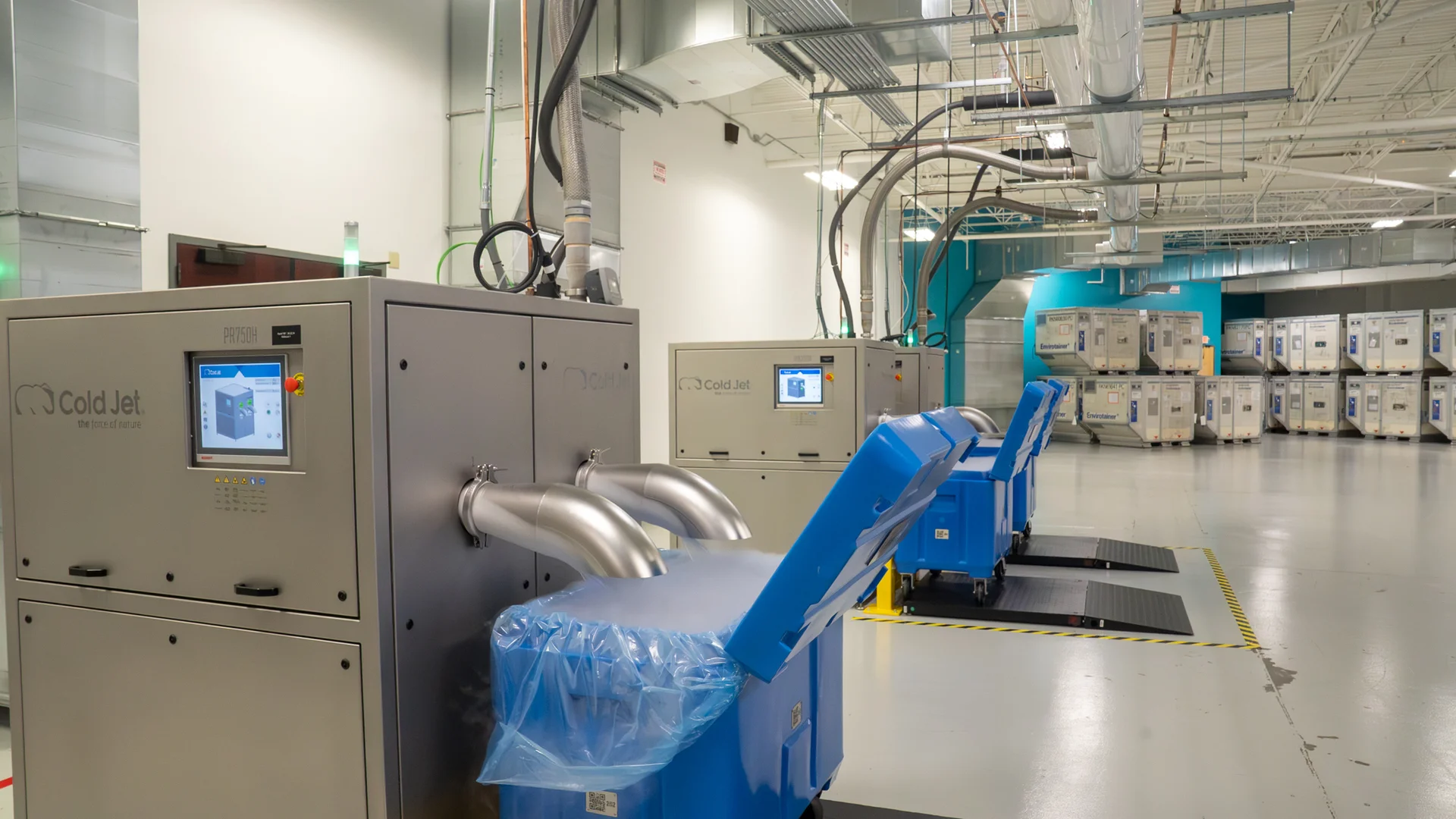

The Science
How is Dry Ice Made?
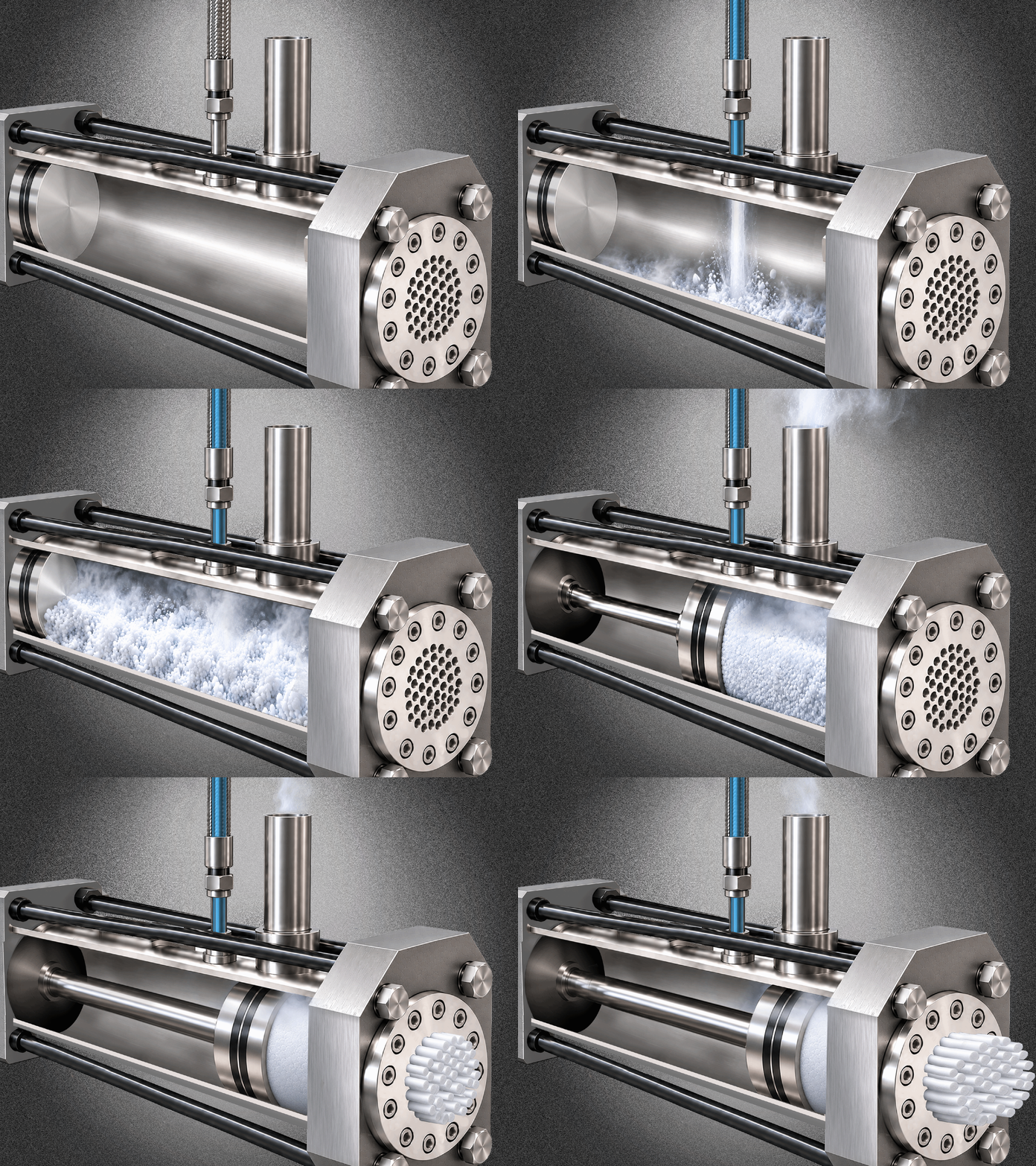
Three sequential phases — pressurized injection, rapid expansion to snow, and high-pressure extrusion — work together to transform liquid CO₂ into high-density solid dry ice pellets.
Step 01
PressurizedLiquid CO₂ State
Liquid Injection
Pressurized liquid CO₂ is injected from an outside bulk tank reservoir, traveling efficiently through specialized vacuum-jacketed piping directly into the dry ice pelletizer unit.
- 01. Liquid Injection — Pressurized liquid CO₂ is injected from an outside bulk tank reservoir, traveling efficiently through specialized vacuum-jacketed piping directly into the dry ice pelletizer unit.
- 02. Phase Change — As the liquid CO₂ enters a depressurized chamber, it instantly flashes into a state of CO₂ snow. This volumetric expansion rapidly and completely fills the internal compression cavity.
- 03. Solid Extrusion — A hydraulic press begins compressing the CO₂ snow, forcefully extruding the solid mass through a specialized metallic die. The resulting high-density dry ice pellets fall directly into a collection bin.
Why Manufacture Dry Ice
Why Choose Dry Ice Manufacturing?
Whether reselling for lucrative margins in high-demand markets or producing in-house to slash costs and eliminate sublimation waste, dry ice manufacturing delivers scalable, eco-friendly efficiency and ultimate supply chain control.
 Operational Control
Dry Ice on Tap
Produce exactly what you need, right when you need it with just-in-time, in-house manufacturing.
 Cost Savings
Zero Sublimation Loss
Stop paying for product that vanishes in transit. In-house production eliminates the physical and financial waste of sublimation.
 Cost Savings
Inventory Optimization
Eliminate the costly cycle of over-ordering. On-site production reduces your storage footprint and stops spending on vanishing inventory.
 Operational Control
Total Supply Chain Security
With surging demand, making your own dry ice shields your operations from third-party shortages and unpredictable delivery delays.
 Cold Chain
Mitigates Temperature Excursions
Dry ice is the ultimate safeguard, ensuring strict temperature maintenance for delicate foods and critical biopharmaceuticals.
 Cold Chain
Reduced Shipping Weight
Dry ice provides significantly more cooling power per pound than water ice, directly driving down your freight costs.
 Food Safety
Rapid Chilling & Freezing
Quickly drops temperatures to eliminate hot spots. This completely dry process protects product integrity without adding unwanted moisture.
 Food Safety
Inhibits Microbial Growth
At -109.3°F (-78.5°C), dry ice naturally halts bacterial growth, making it essential for high-risk poultry, beef, and seafood processing.
 Food Safety
100% Food-Grade Safe
Dry ice leaves absolutely no chemical residue, ensuring total compliance with the most stringent food safety regulations.
 Process
Maximum Density & Efficiency
Old ice degrades and lacks kinetic energy. Producing fresh, high-density pellets on-site guarantees peak blasting performance.
 Sustainability
Carbon Neutral Impact
Manufactured from recycled CO2 captured from other industrial processes, dry ice will not increase your greenhouse gas scores.
Who Makes It
Who Manufactures Dry Ice?
Dry ice is manufactured by large industrial gas companies, specialized regional suppliers, and businesses that produce it on-demand at their own facilities. Global industrial gas giants like Linde, Airgas, Air Products, and Messer capture carbon dioxide — typically as a recycled byproduct from industrial processes like ammonia or ethanol production — and purify, compress, and cool it into liquid CO₂. This liquid is then expanded into "snow" and compressed into dry ice pellets, slices, or high-density blocks.
While these commercial suppliers distribute dry ice in bulk to medical, food processing, and logistics industries, many high-volume users choose to manufacture their own dry ice on-site. Food distributors, airline caterers, pharmaceutical companies, and contract cleaners achieve this using specialized dry ice production equipment. Companies like Cold Jet manufacture advanced dry ice pelletizers and block machines, allowing end-users to create fresh, high-density dry ice on demand, thereby reducing sublimation losses, lowering transportation costs, and ensuring a continuous supply for their operations.
Common roles & teams
Cold Chain Logistics Leader
They need reliable, on-demand cooling to prevent catastrophic product loss during transit and warehousing.
Plant Operations Director
They seek to eliminate production bottlenecks, reduce downtime, and improve overall facility efficiency with reliable supplies.
Quality & Safety Manager
They must guarantee strict temperature compliance to ensure product safety, efficacy, and strict regulatory adherence.
Procurement & Sourcing Head
They care about stabilizing vulnerable supply chains and cutting third-party dry ice costs to improve margins.
Executive Finance & Strategy
They want to validate the ROI of on-site manufacturing to reduce long-term capital and operational expenditures.
Continuous Improvement Engineer
They are constantly looking for innovative systems to eliminate waste and streamline in-house processing capabilities.
Industrial Gas Executive
They need scalable, high-yield manufacturing systems to maintain market dominance and efficiently serve massive regional accounts.
Independent Gas Distributor
They want affordable, entry-level production capabilities to expand their product offerings and capture local market share.
Industrial Maintenance Manager
They want continuous access to fresh dry ice to optimize cleaning processes and minimize equipment downtime.
Whether your operation needs sustained high-volume pellet manufacturing, high-density dry ice slices, or automated bagging and dosing, there is a Cold Jet machine engineered for the job.
- Cold Chain Logistics Leader
- Plant Operations Director
- Quality & Safety Manager
- Procurement & Sourcing Head
- Executive Finance & Strategy
- Continuous Improvement Engineer
- Industrial Gas Executive
- Independent Gas Distributor
- Industrial Maintenance Manager
Validated Use Cases
Where is Dry Ice Manufacturing Used?
Proven across critical sectors — including life sciences, logistics, food processing, industrial gas, and manufacturing — empowering vital applications that range from biopreservation and global cold chains to airline catering, on-site blasting, and commercial dry ice sales.
By Industry
Industries we serve
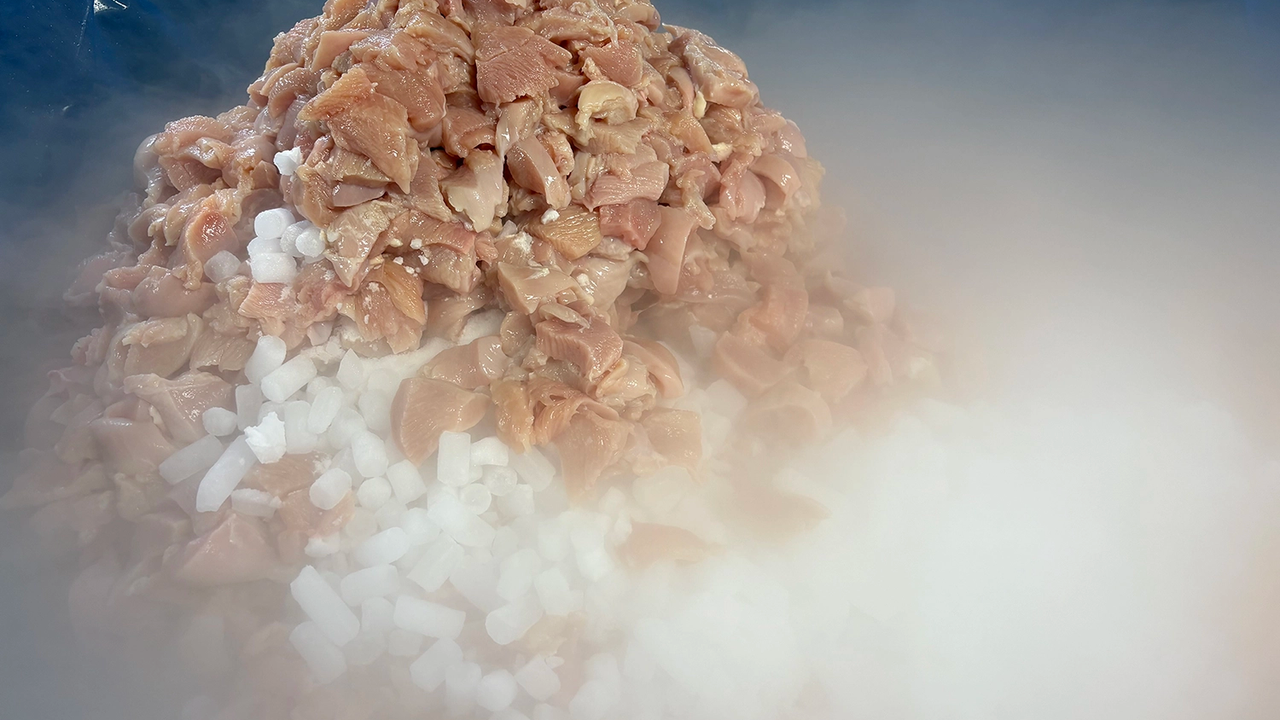
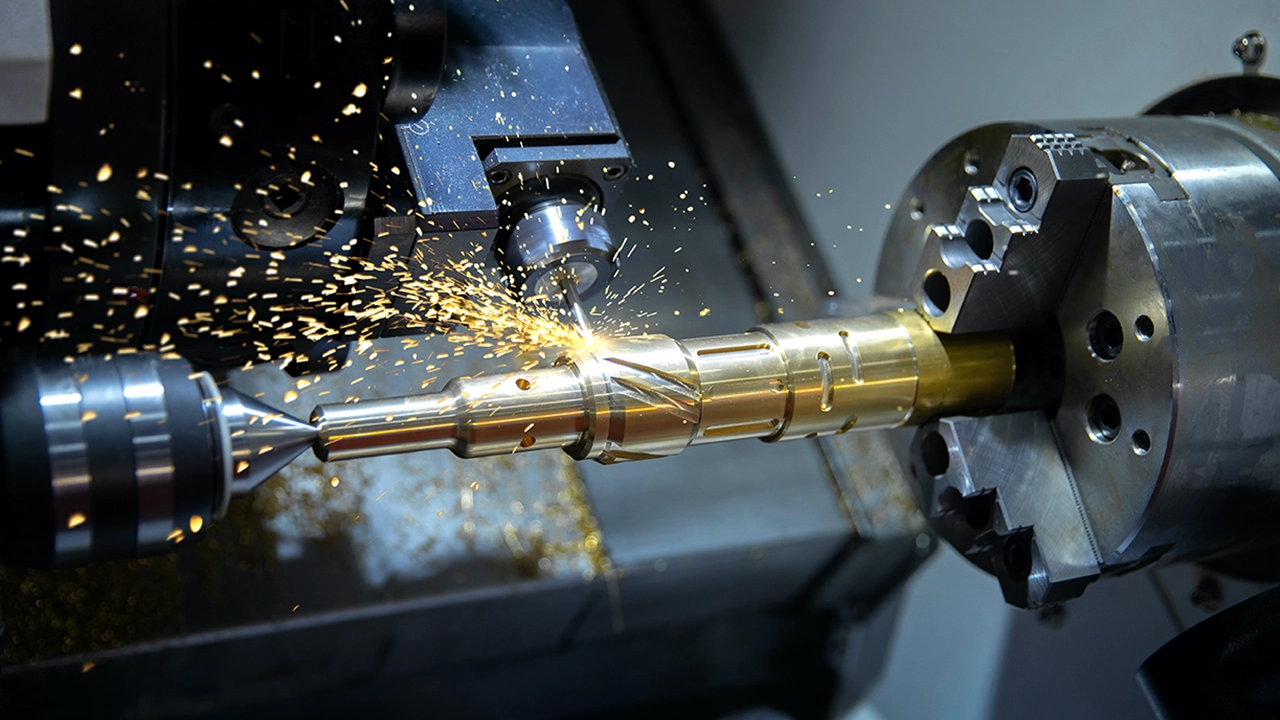
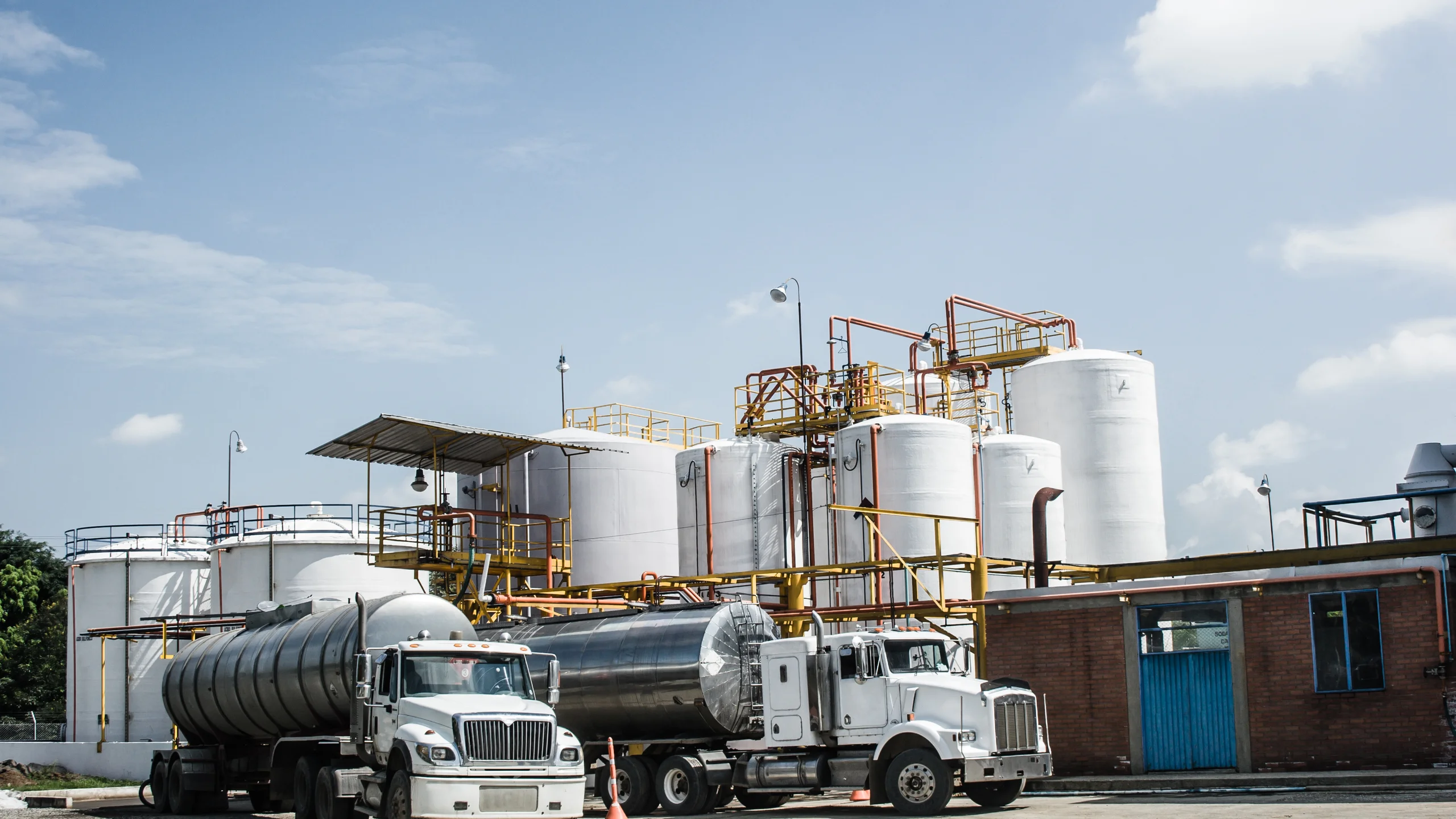
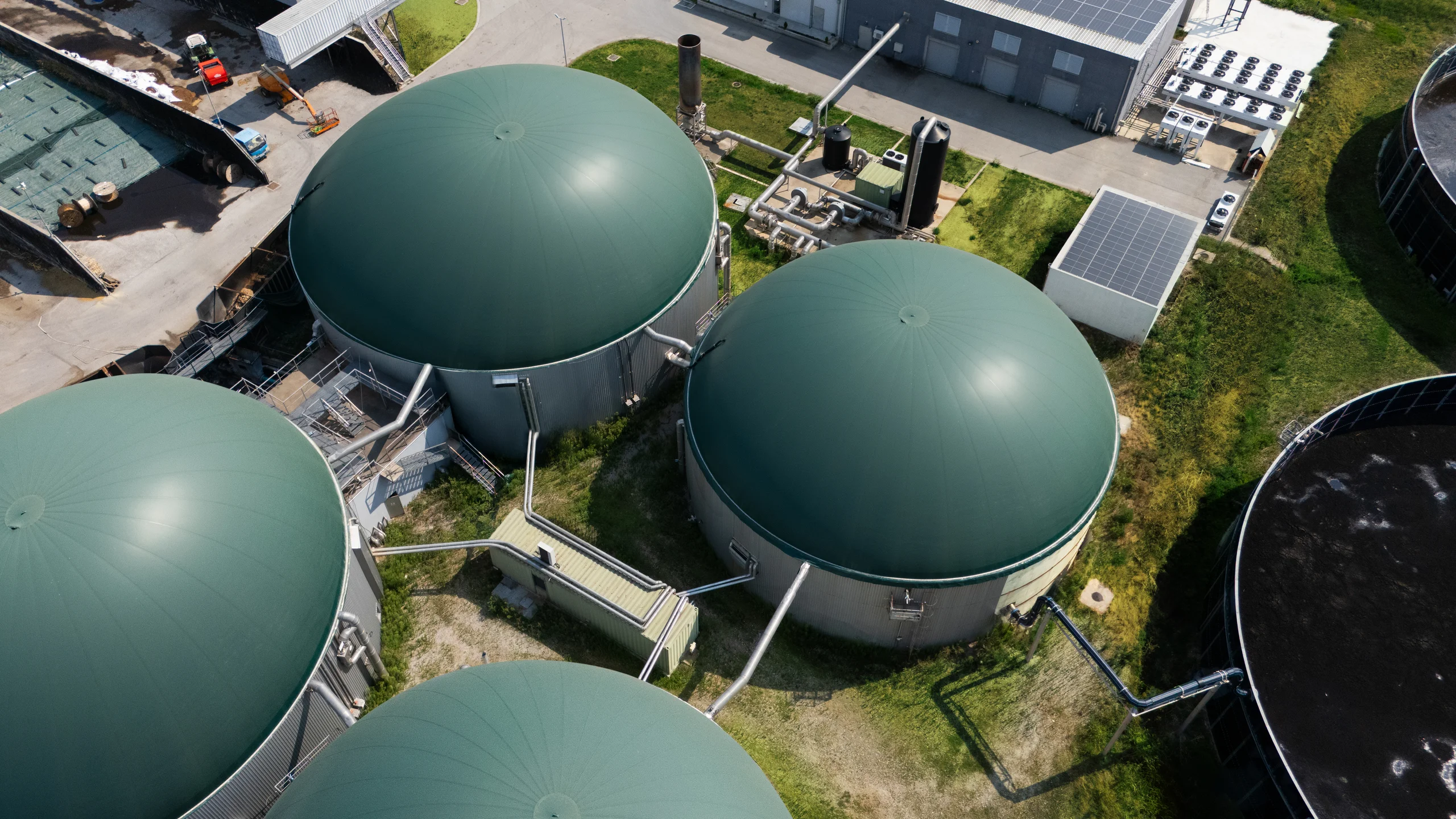
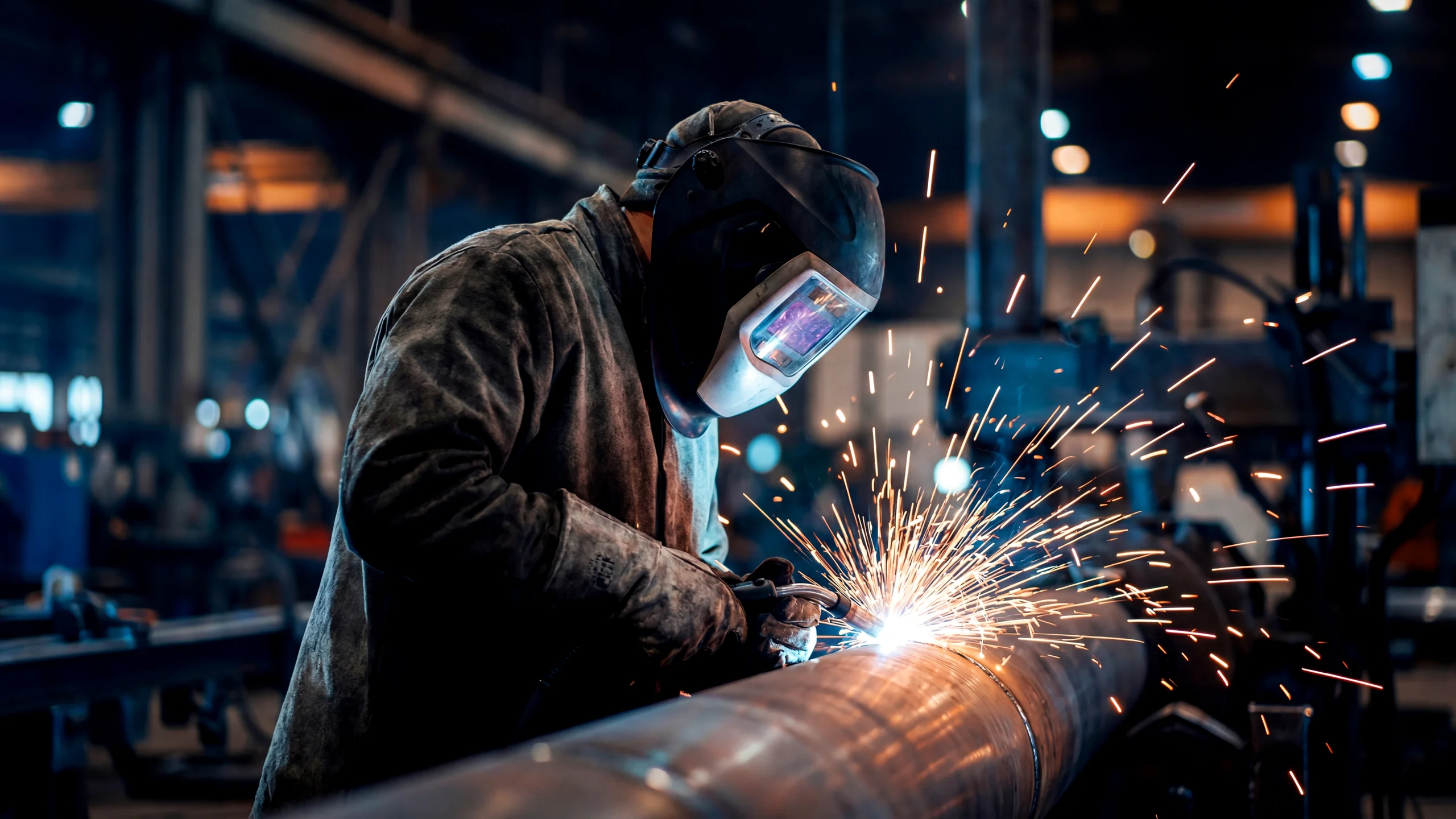
Essential across logistics, life sciences, food processing, manufacturing, and gas supply. Pick an industry to see how Cold Jet empowers production there.


By Application
Dry Ice Manufacturing Applications
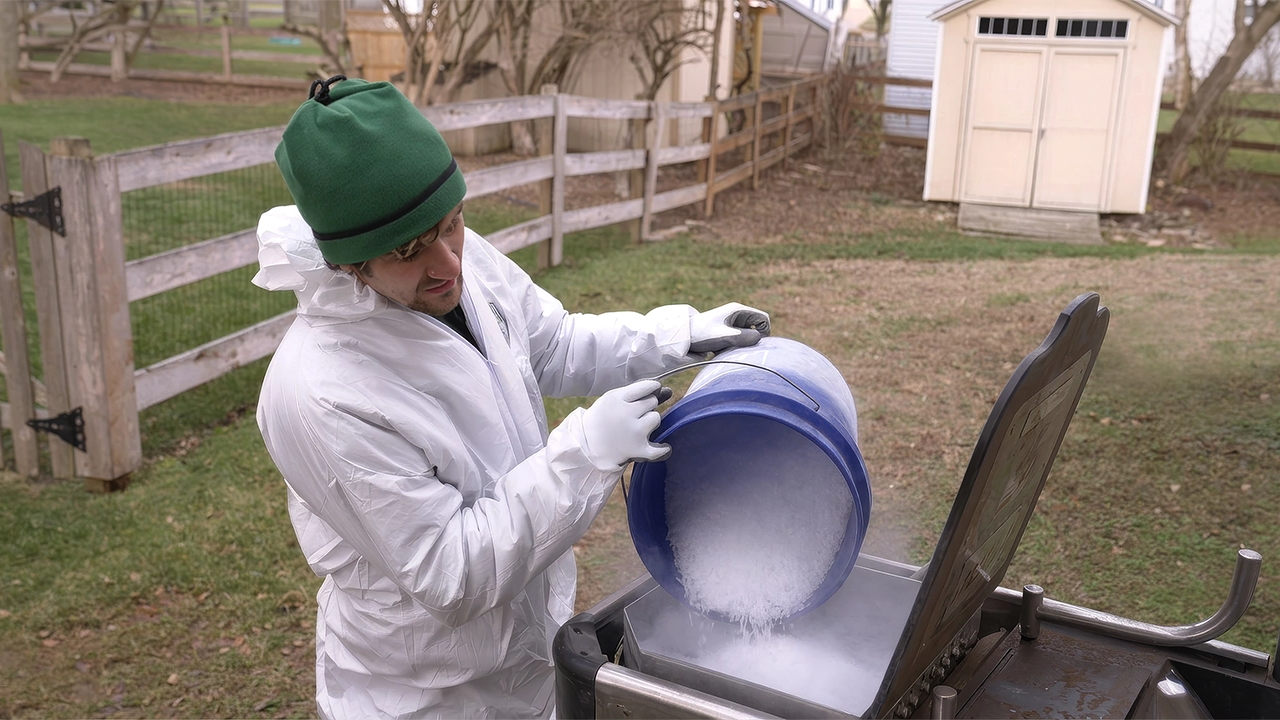
From critical biopreservation and global food cold chains to commercial sales and industrial blasting — pick an application to see the results.
vs Other Methods
How Does Dry Ice Cooling Compare
to Other Cooling Methods?
Side-by-side comparison across the nine criteria most cold chain managers care about — overall effectiveness, energy needed, can it fly, secondary waste, weight needed per box, sustainability, scalability, safety and upfront capital cost.
 Winner
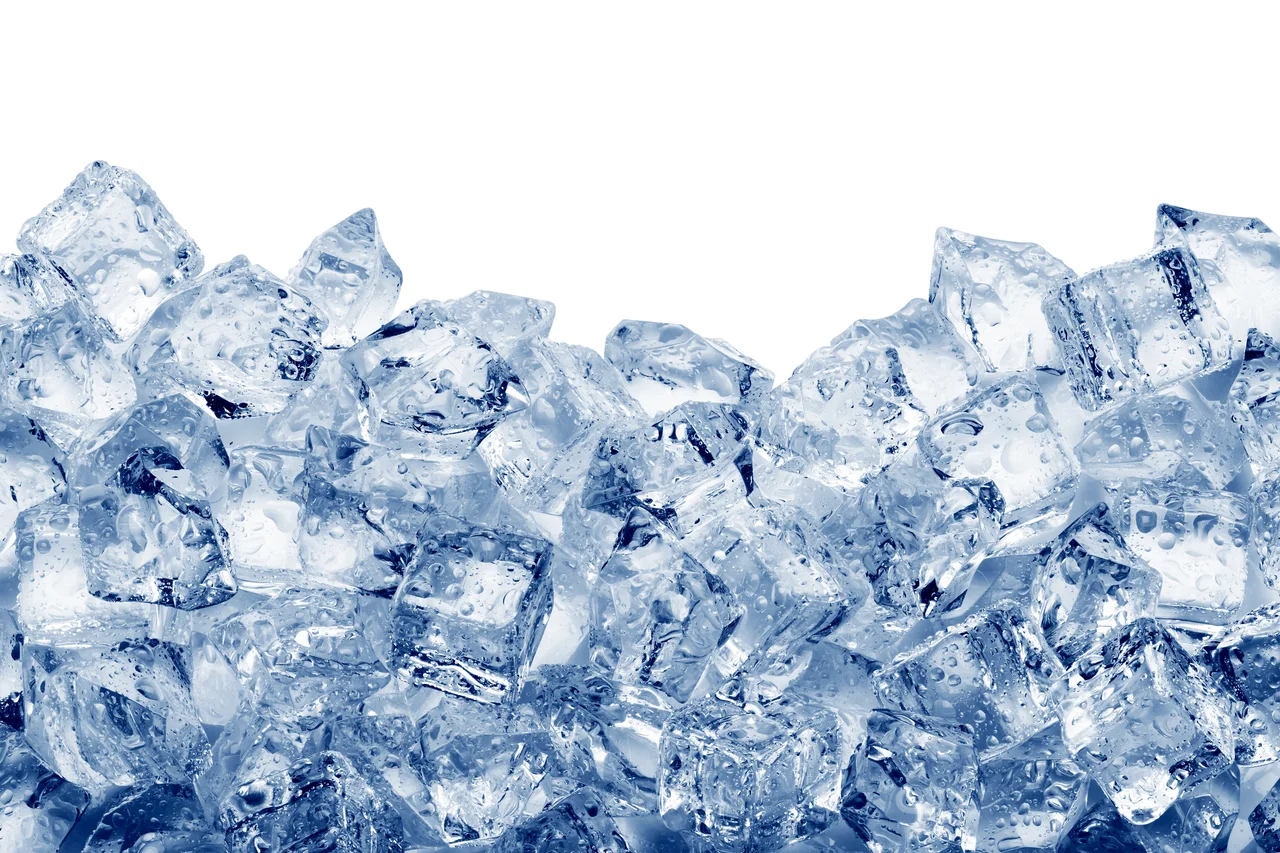
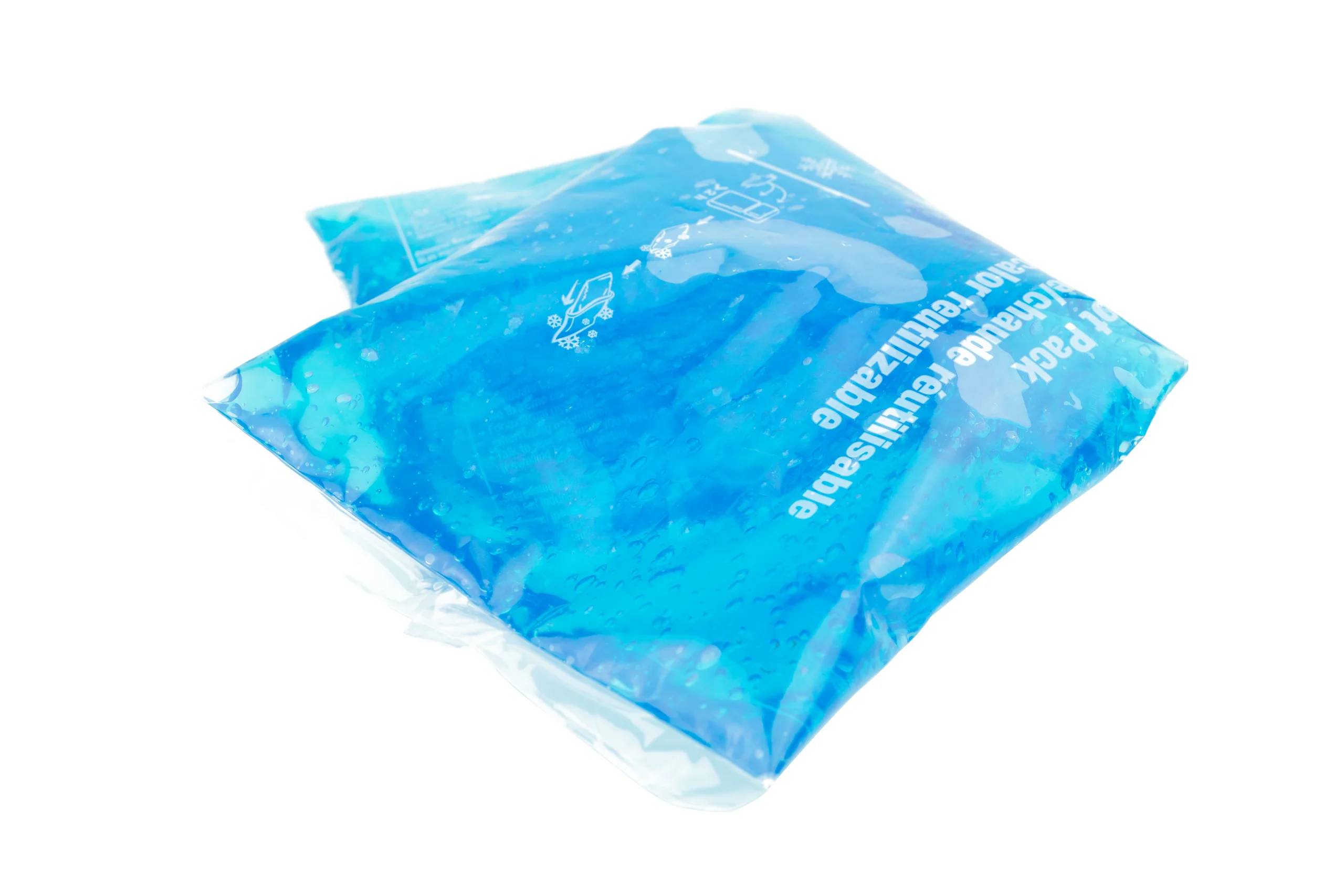
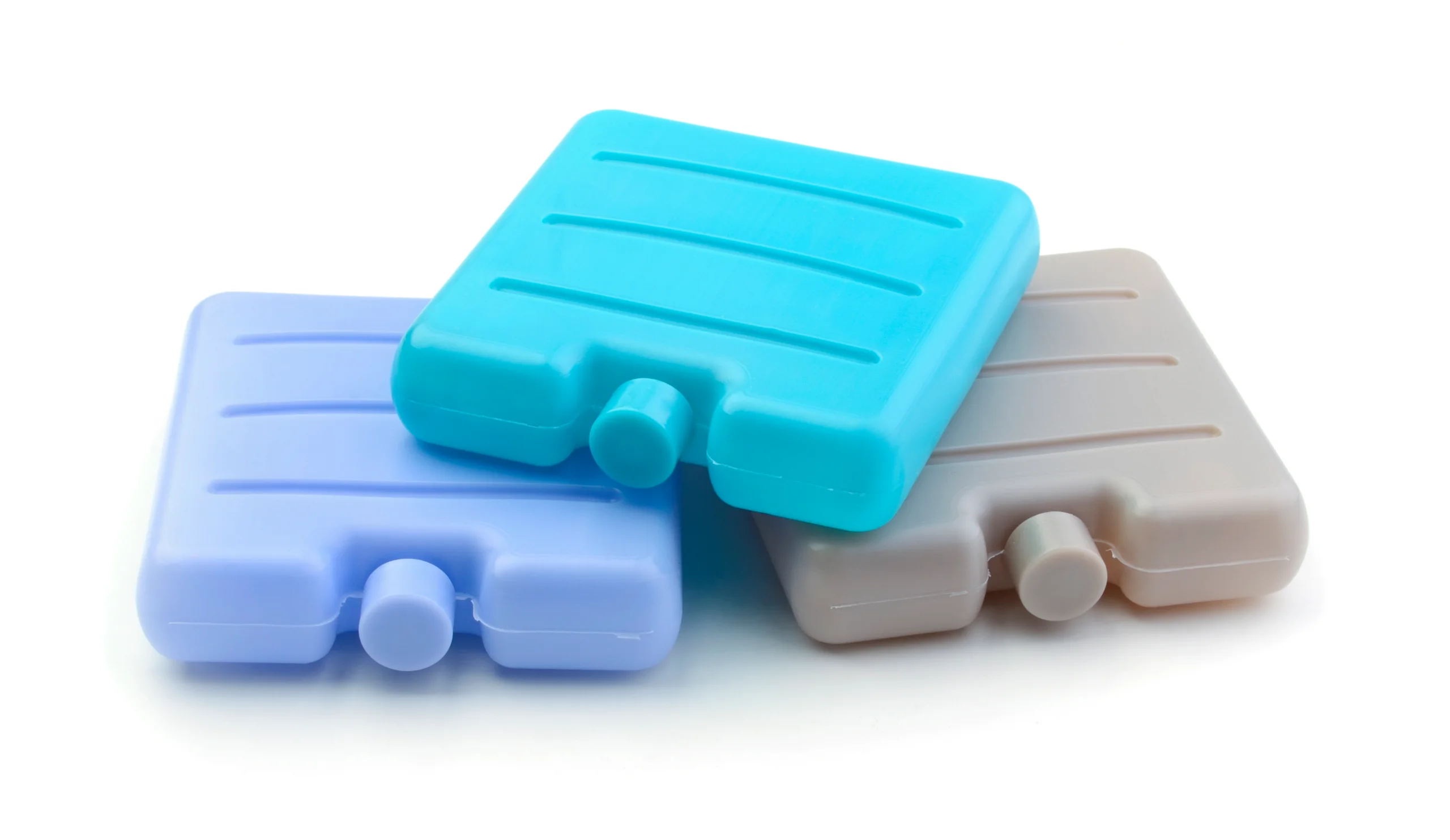
| Criteria | Dry Ice Cooling Best | Water Ice | Gel Packs | Phase Changing Materials | Liquid Nitrogen (LN2) | Active Cooling Containers |
|---|---|---|---|---|---|---|
| Overall effectiveness | Excellent (Maintains deep freeze down to -78.5°C; excellent thermal stability). | Poor (Limited to 0°C; melts quickly; prone to temperature spikes). | Moderate (Good for chilled 2-8°C, ineffective for deep-frozen cargo). | High (Precise temperature bands, but poorly suited for ultra-low deep freeze). | Extreme (Overkill for most cargo; requires highly specialized double-walled flasks). | Excellent (Great for controlled ambient/chilled, but prone to mechanical failure). |
| Energy needed (in-transit) | Zero (Completely passive; requires no external power or batteries). | Zero (Passive). | Zero (Passive). | Zero (Passive, but requires massive electrical energy to pre-condition). | Zero (Passive). | High (Requires continuous battery power or aircraft electrical grid hookups). |
| Airfreight (Can it fly?) | Yes (Widely accepted globally by all major airlines with standard venting protocols). | Highly Restricted (Severe risk of liquid leakage damaging aircraft electronics). | Yes (Allowed, but adds severe weight penalties that drive up airfreight costs). | Yes (Allowed, but heavy payloads significantly increase fuel/freight costs). | Severely Banned / Restricted (Extreme asphyxiation and pressure explosion risks). | Yes (Requires strict airline pre-approval and lithium-battery safety compliance). |
| Secondary waste | Zero (Sublimates entirely into gas; nothing to clean up, return, or discard). | High (Leaves wastewater that can ruin packaging and cargo). | Very High (Creates massive single-use plastic and chemical gel landfill waste). | Low if using complex return logistics; high if disposed of by end-user. | Zero (Evaporates completely). | Low (Reusable, but creates carbon waste during empty return positioning). |
| Weight Needed per Box | Low (High thermal density means less cooling agent weight required per payload). | High (Requires massive volume/weight to maintain basic cooling). | Very High (Significantly reduces the available payload weight capacity). | High (Heavy materials limit the amount of actual product shipped). | Low Payload (Light liquid, but requires extremely heavy vacuum containment tanks). | Extremely High (Heavy mechanical compressors, insulation, and batteries). |
| Sustainability | High (Typically manufactured utilizing captured industrial CO2 byproducts; zero landfill waste). | Moderate (Water is natural, but high transport weight increases carbon emissions). | Poor (Relies heavily on single-use plastics and non-biodegradable polymer gels). | Moderate (Reusable, but high manufacturing footprint and return-trip emissions). | Moderate (Energy-intensive fractional distillation production process). | Moderate (Reusable hardware, but high tare weight increases transport emissions). |
| Scalability | High (Commoditized, inexpensive, and readily available globally at a moment's notice). | High (Available everywhere, but highly impractical for commercial logistics). | Moderate (Requires massive physical storage space for freezing/staging). | Low to Moderate (Expensive infrastructure; limited by rigid circular return loops). | Low (Requires highly specialized cryogenic handling facilities). | Low (Strictly limited by global fleet availability and leasing networks). |
| Safety | Manageable (Requires basic protective gloves and well-ventilated spaces). | Safe (Non-hazardous). | Safe (Non-hazardous). | Safe (Generally non-toxic, though some chemical variants are flammable). | Dangerous (Severe frostbite, rapid asphyxiation, and pressure explosion risks). | Moderate (Risk of lithium-battery fires or electrical malfunctions). |
| Upfront Capital Cost | Very Low (Extremely inexpensive per unit; requires no expensive hardware or capital investment). | Very Low (Cheap, but hidden costs in damaged goods and heavy shipping fees). | Low (Cheap unit cost, but high long-term freight costs due to excess weight). | Very High (Extremely expensive initial purchase price per brick/tote). | High (Requires expensive cryogenic storage tanks and specialized filling equipment). | Astronomical (Requires incredibly expensive rental, leasing, or buying fees). |
Before You Produce
What Do You Need for Dry Ice Production?
Establishing dry ice production demands a reliable liquid CO₂ supply, specialized infrastructure, three-phase power, and strict safety protocols to ensure efficiency. Production becomes feasible when demand exceeds 1,100 lbs (500 kg) per week, and investments start at $40,000 for systems producing up to 176 lbs/hr. Cold Jet’s sub-cooling technology converts liquid CO₂ to dry ice 12–14% more efficiently than other systems, so your liquid CO₂ supply goes further.
 01
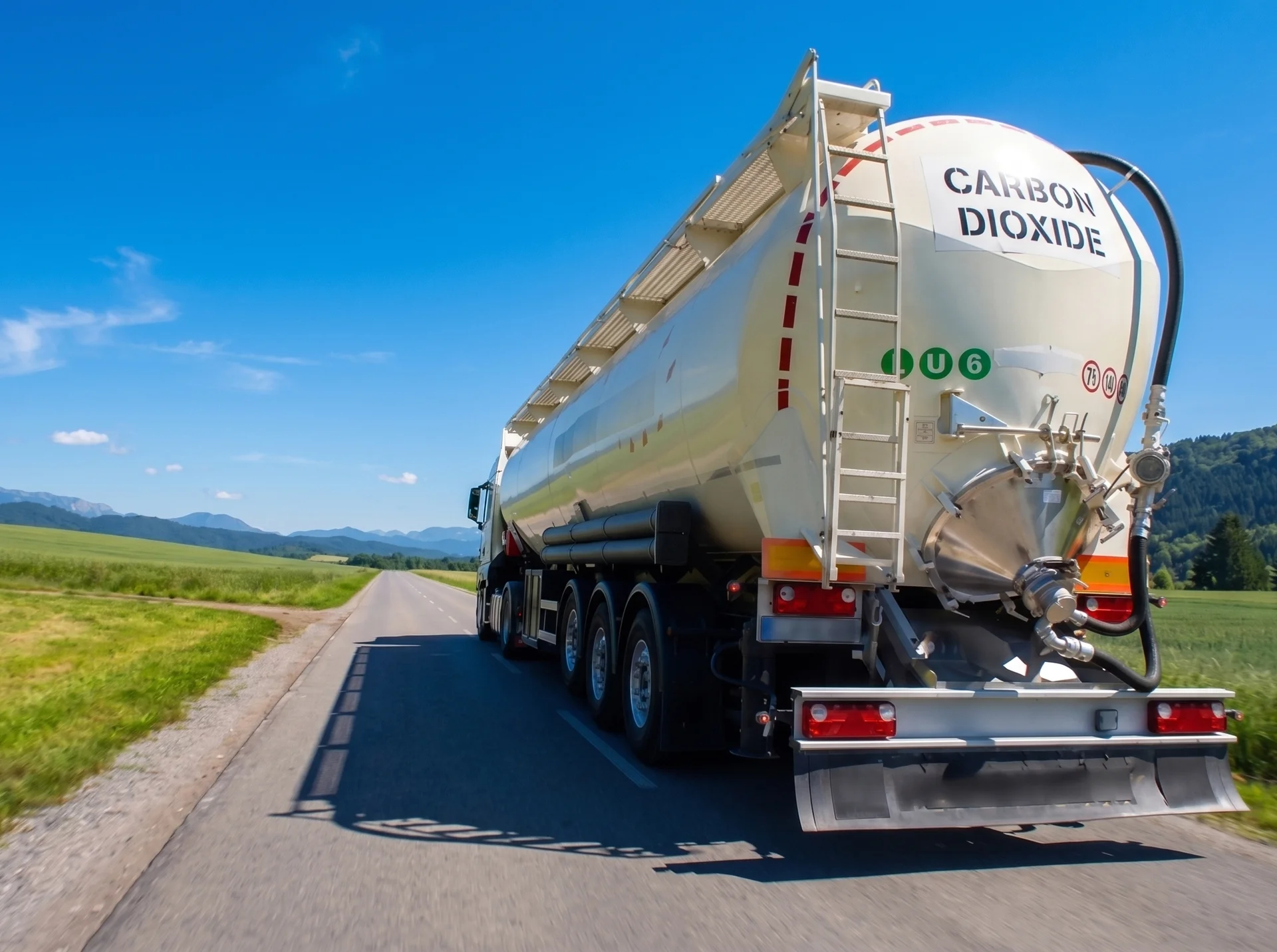
Liquid CO₂ Access
Regional Supply — Required
Consistent access to liquid CO₂ in your region.
A reliable local supply of liquid CO₂ is the first step in establishing dry ice production. Ensure local vendors can meet your volume requirements.
 02
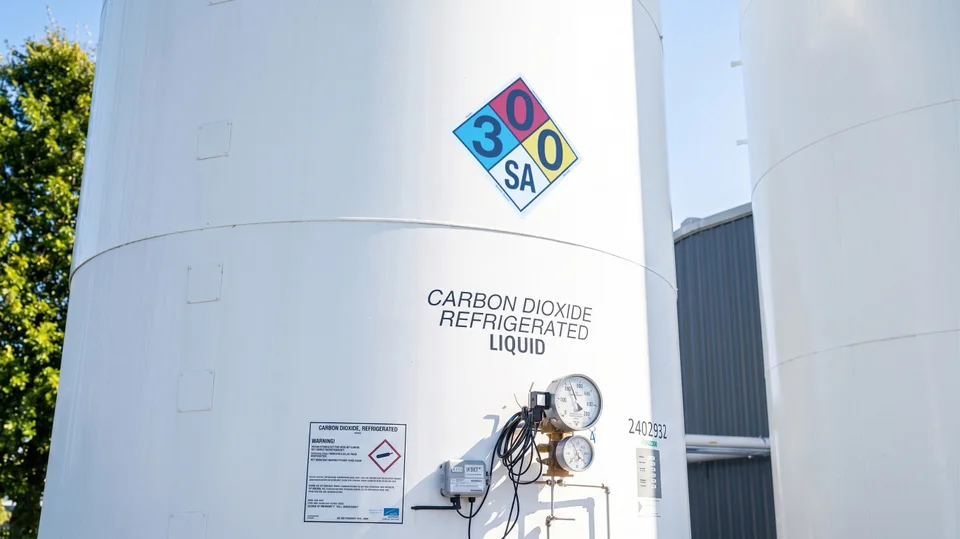
Liquid CO₂ Reservoir
Bulk On-Site Storage — Required
A dedicated, high-capacity liquid CO₂ storage tank.
Dry ice production systems require high volumes of liquid CO₂ and will not operate on small cylinders. A bulk on-site reservoir is mandatory.
 03
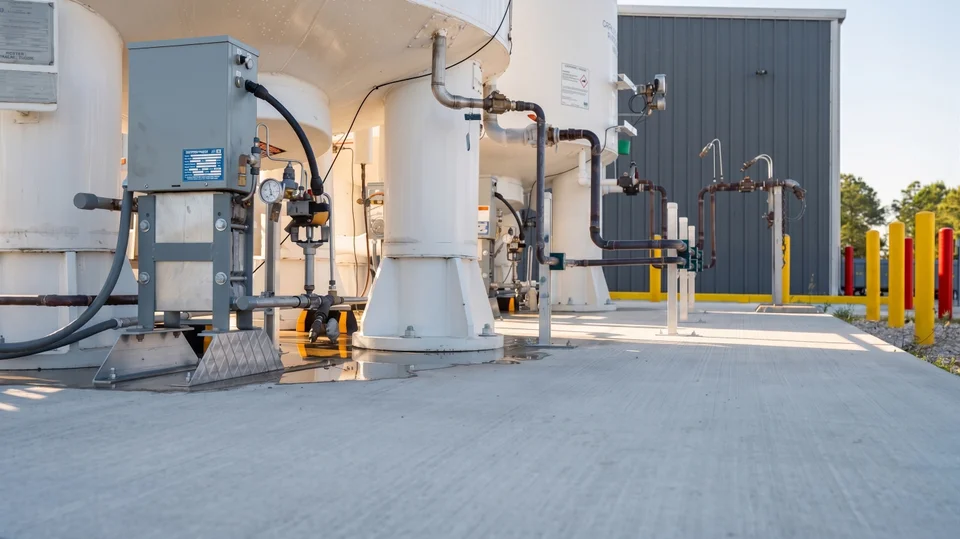
Concrete Foundation
Reinforced Pad — Required
A stable, reinforced base for your bulk liquid CO₂ tank.
Bulk liquid CO₂ tanks are extremely heavy when filled and necessitate a purpose-built, reinforced concrete foundation for essential safety and structural stability.
 04
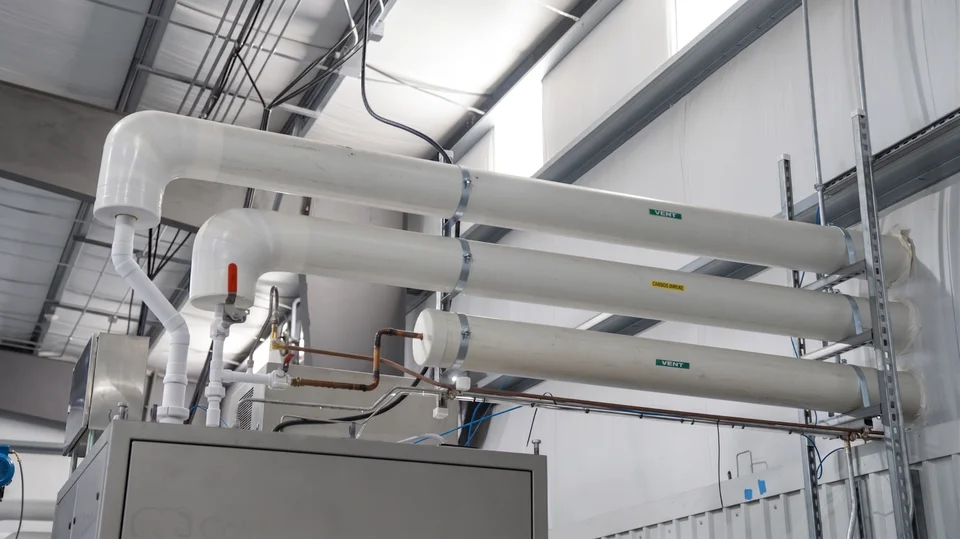
Insulated Pipework
Thermal Piping — Required
A spacious area shielded from weather and moisture.
High-quality insulated pipework must be installed to transfer liquid CO₂ from your exterior bulk tank to the indoor dry ice production unit efficiently.
 05
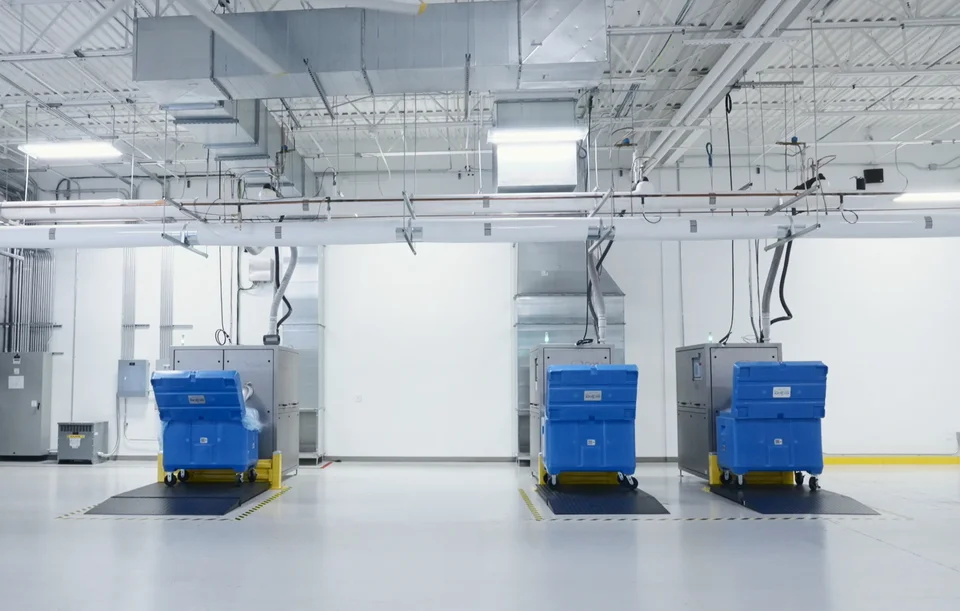
Production Environment
Protected Indoor Space — Required
A spacious indoor area shielded from weather and moisture.
Your Cold Jet dry ice production system must be housed indoors with plenty of operational room, completely protected from external elements and high humidity.
 06
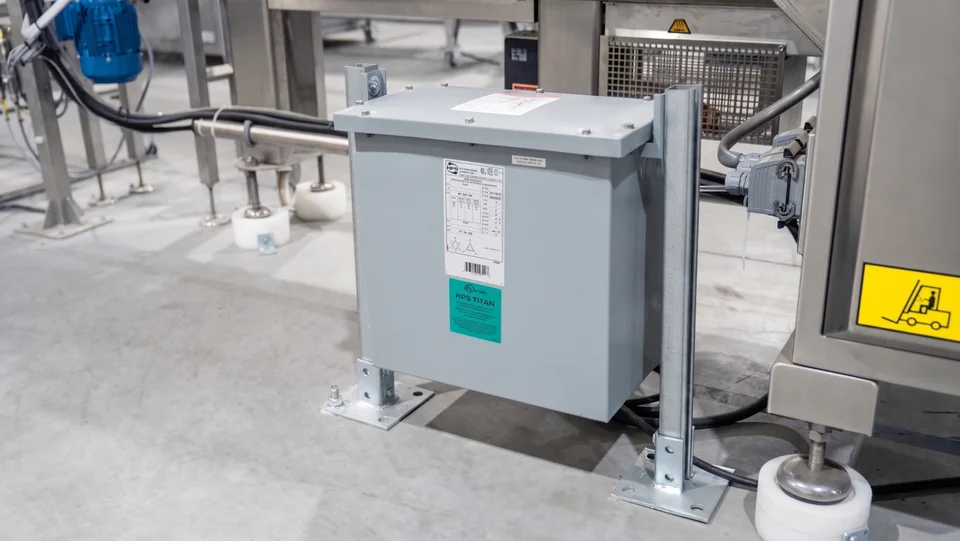
Electric Power Source
Three-Phase Power — Required
Industrial-grade three-phase electrical power for the manufacturing system.
The Cold Jet dry ice manufacturing equipment requires a robust three-phase electric power source to operate. Verify your facility's electrical capacity before installation.
 07
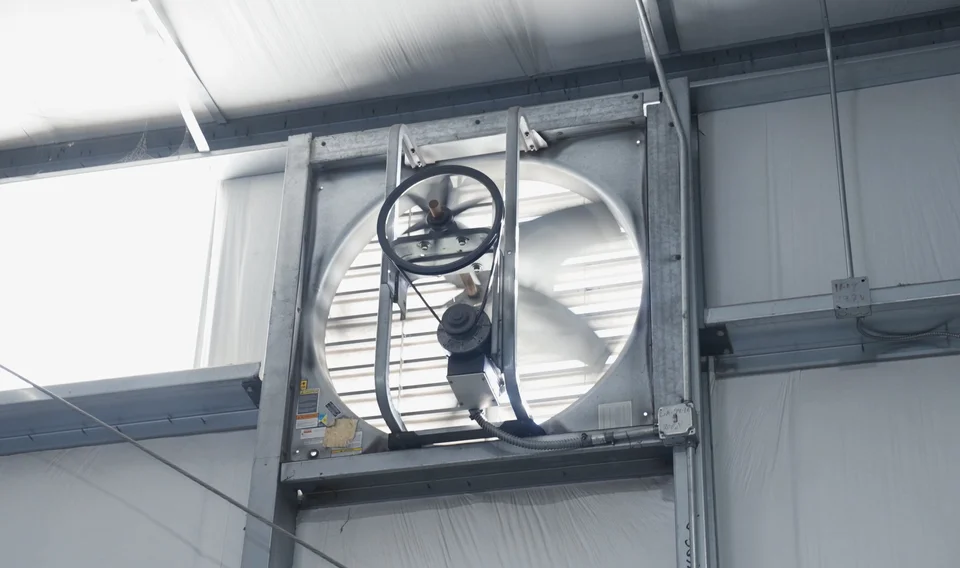
Artificial Ventilation
Active Airflow – Required
A system to maintain continuous, active airflow in the facility.
Due to the nature of CO₂ gas, strict safety measures including artificial ventilation are required to maintain continuous, safe airflow within the manufacturing area.
 08
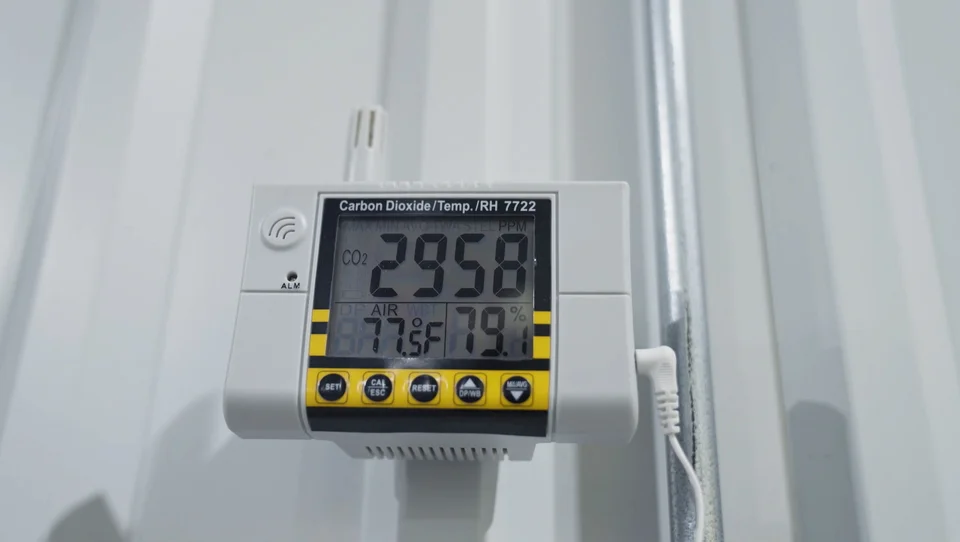
CO₂ PPM Monitor
Crucial Safety Measure — Required
Continuous monitoring of ambient carbon dioxide levels.
A carbon dioxide Parts Per Million (PPM) monitor is absolutely mandatory to detect potential leaks and ensure a safe breathing environment for all operators.
 09
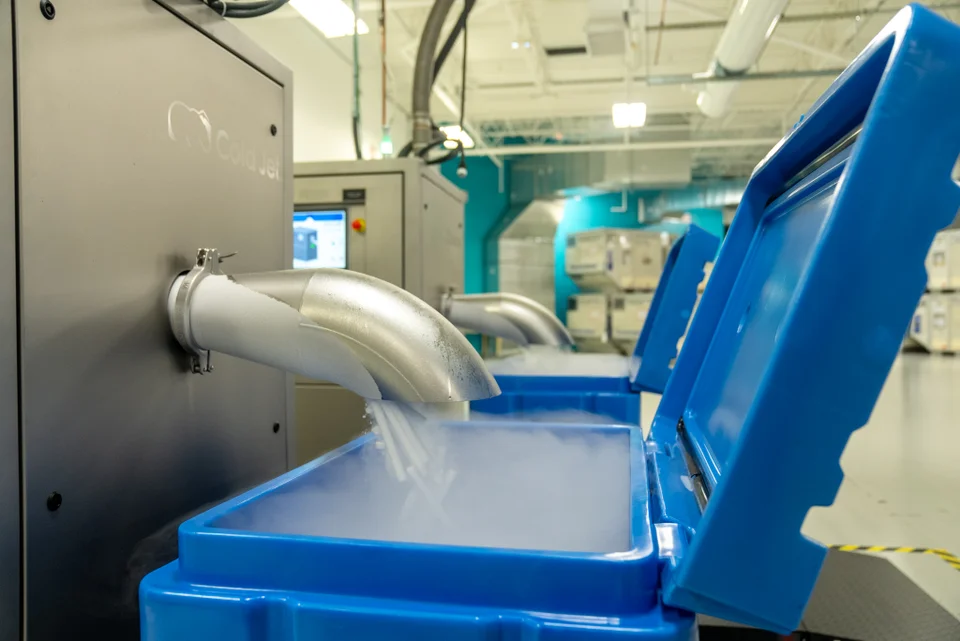
Insulated Storage Bins
Sublimation Control — Required
Specialized containers to store freshly manufactured dry ice.
Insulated storage containers are necessary to minimize sublimation—the transition of dry ice back into gas—preserving your freshly manufactured product for extended use.
Requirement 1 of 9
Cold Jet Equipment
Browse the Cold Jet Equipment Lineup
From bulk pelletizers and high-density slice reformers to complete automated dosing, bagging, and wrapping systems — find the exact manufacturing equipment designed to fit your production volume and application.
Dry Ice Pelletizers
3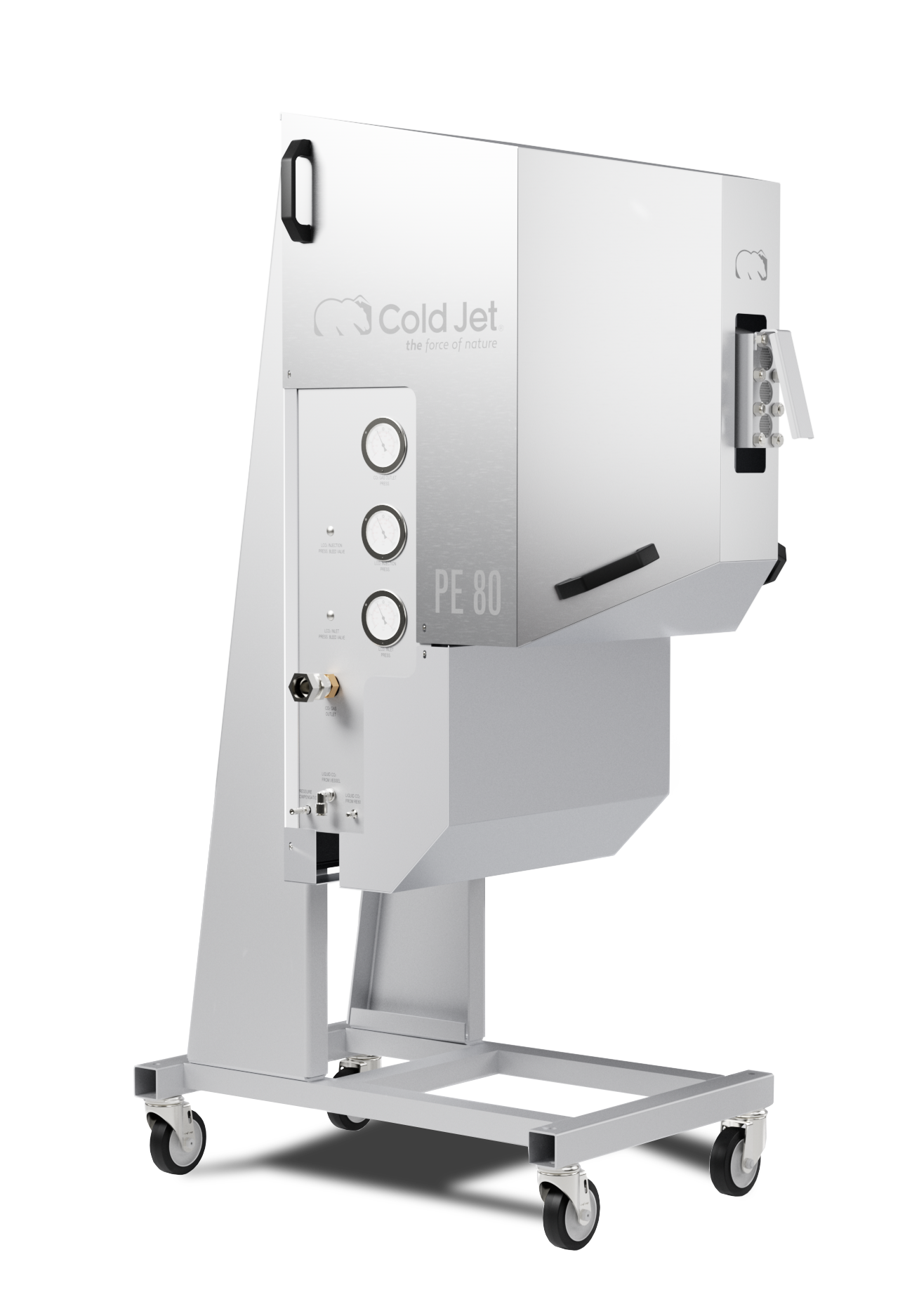
PE 80
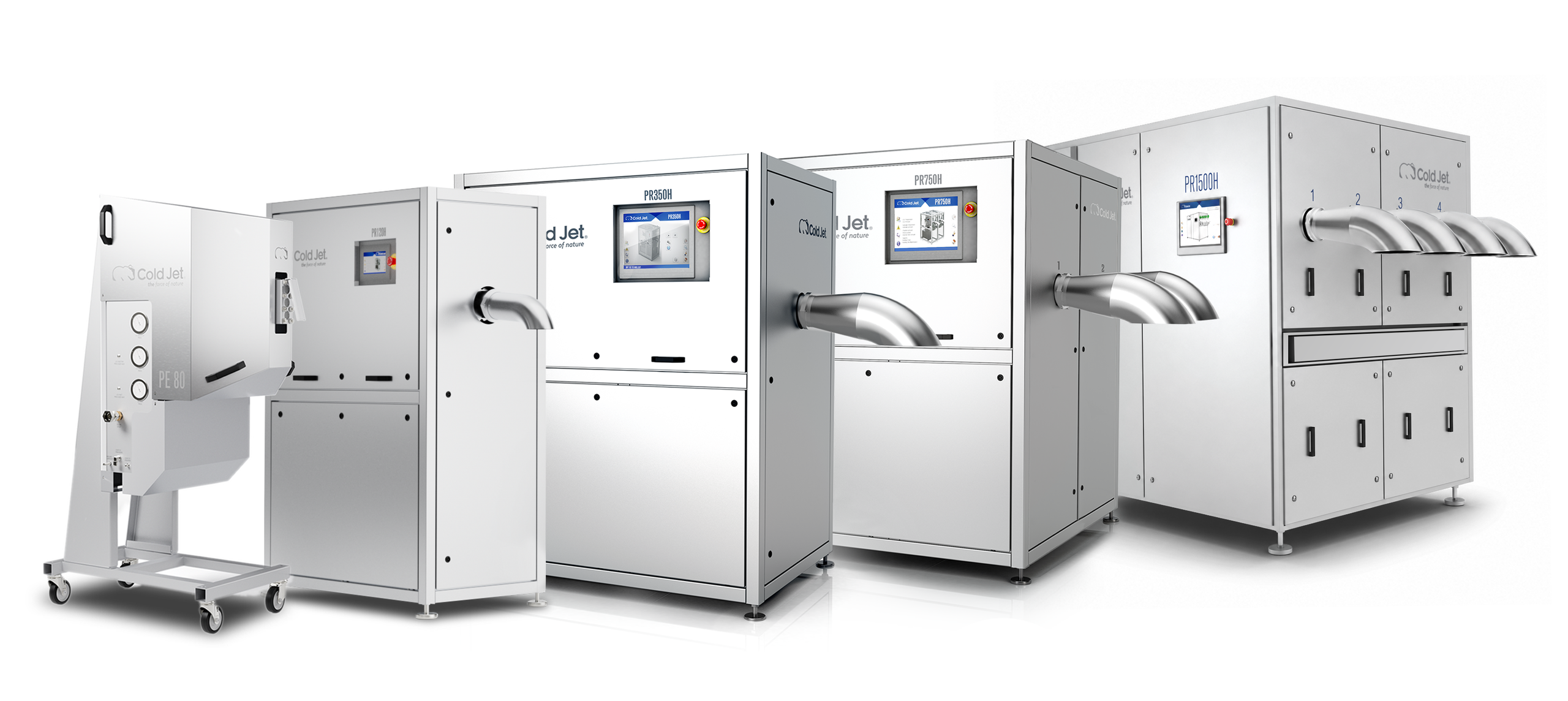
176 lbs/hr (80 kg/hr). A low-volume, cost-effective entry into in-house production, making dry ice pellets for blasting and transport cooling — no major infrastructure investment required.
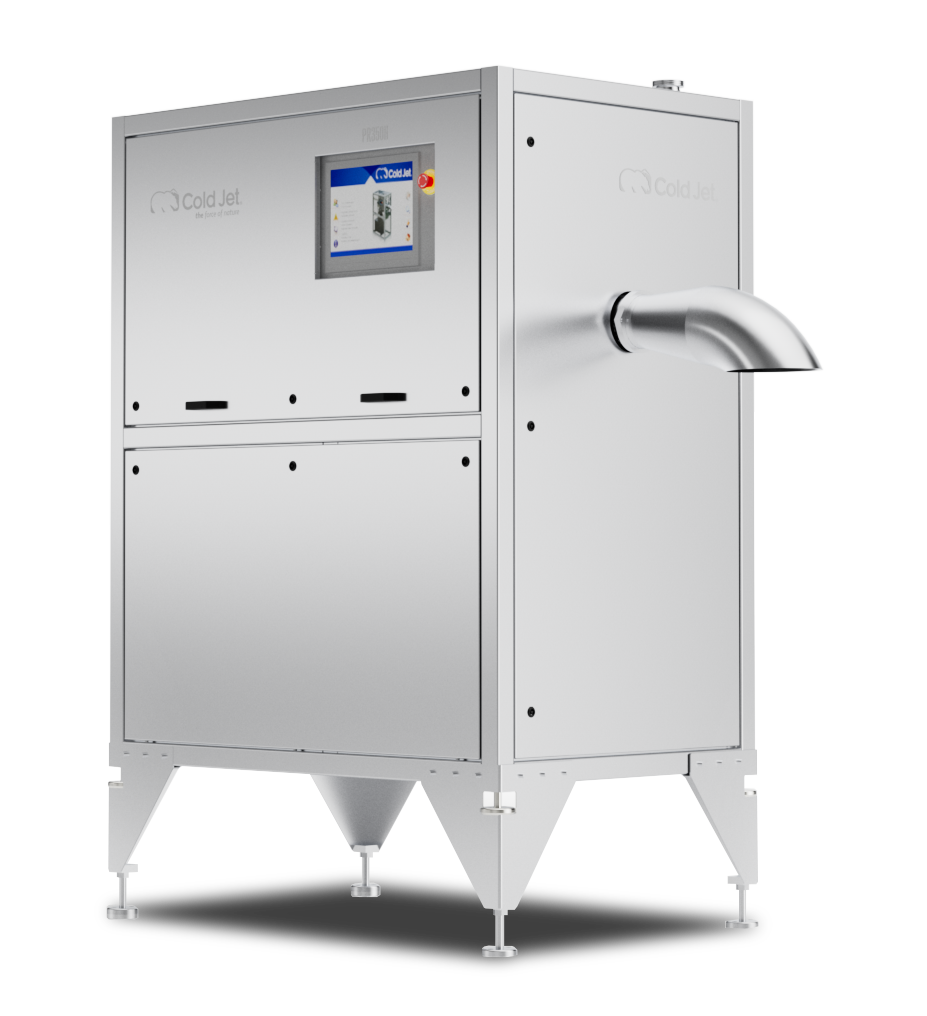
PR350H
772 lbs/hr (350 kg/hr). High-quality pellets from stroke one. Closed-chamber technology, automatic extruder plate changes and a startup time under three minutes.
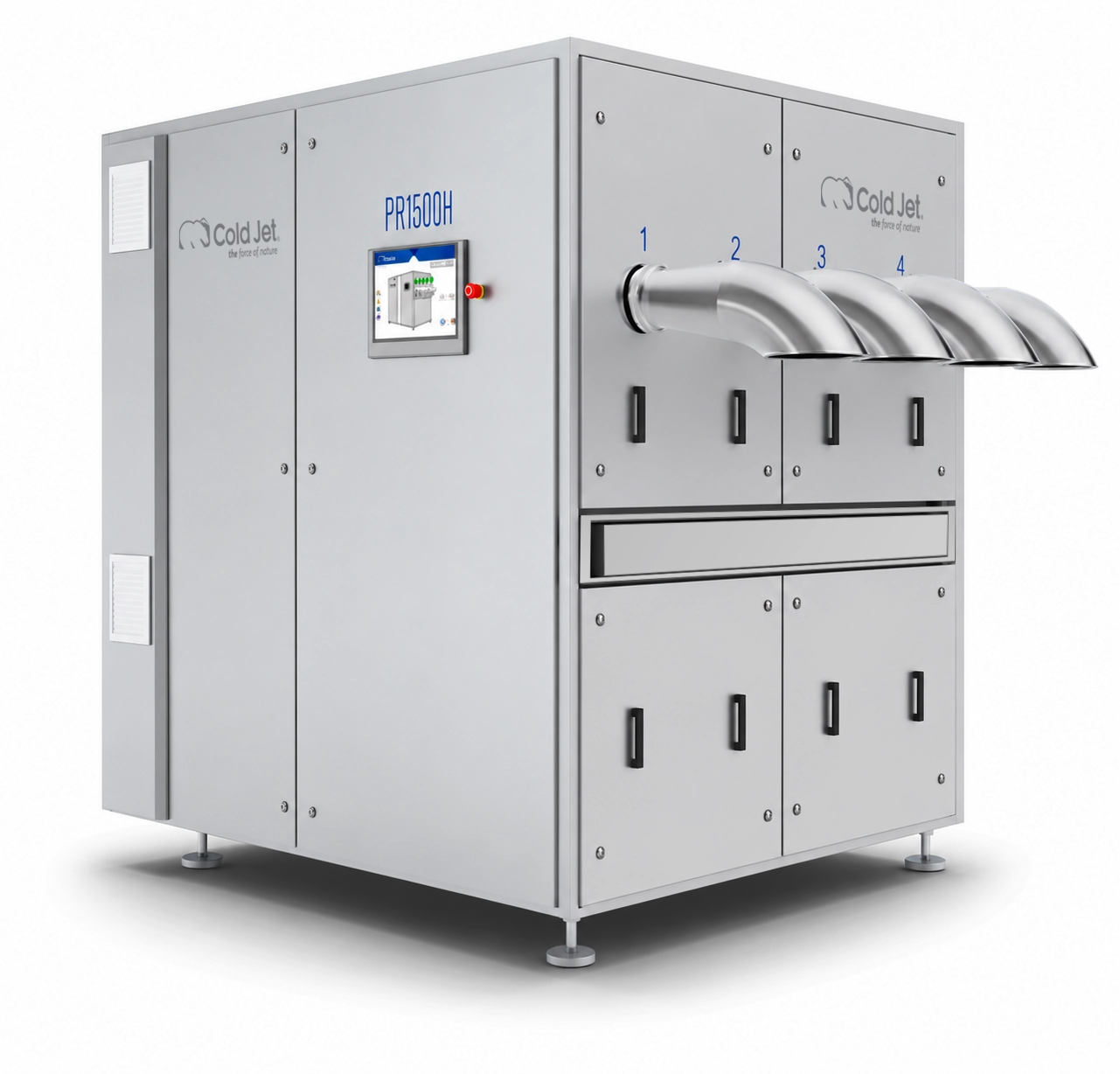
PR1500H
3,306 lbs/hr (1,500 kg/hr). Four independent barrels with automatic die changing deliver high-density pellets in 3mm to 16mm from the very first stroke.
Pellet-to-Slice Reformers
1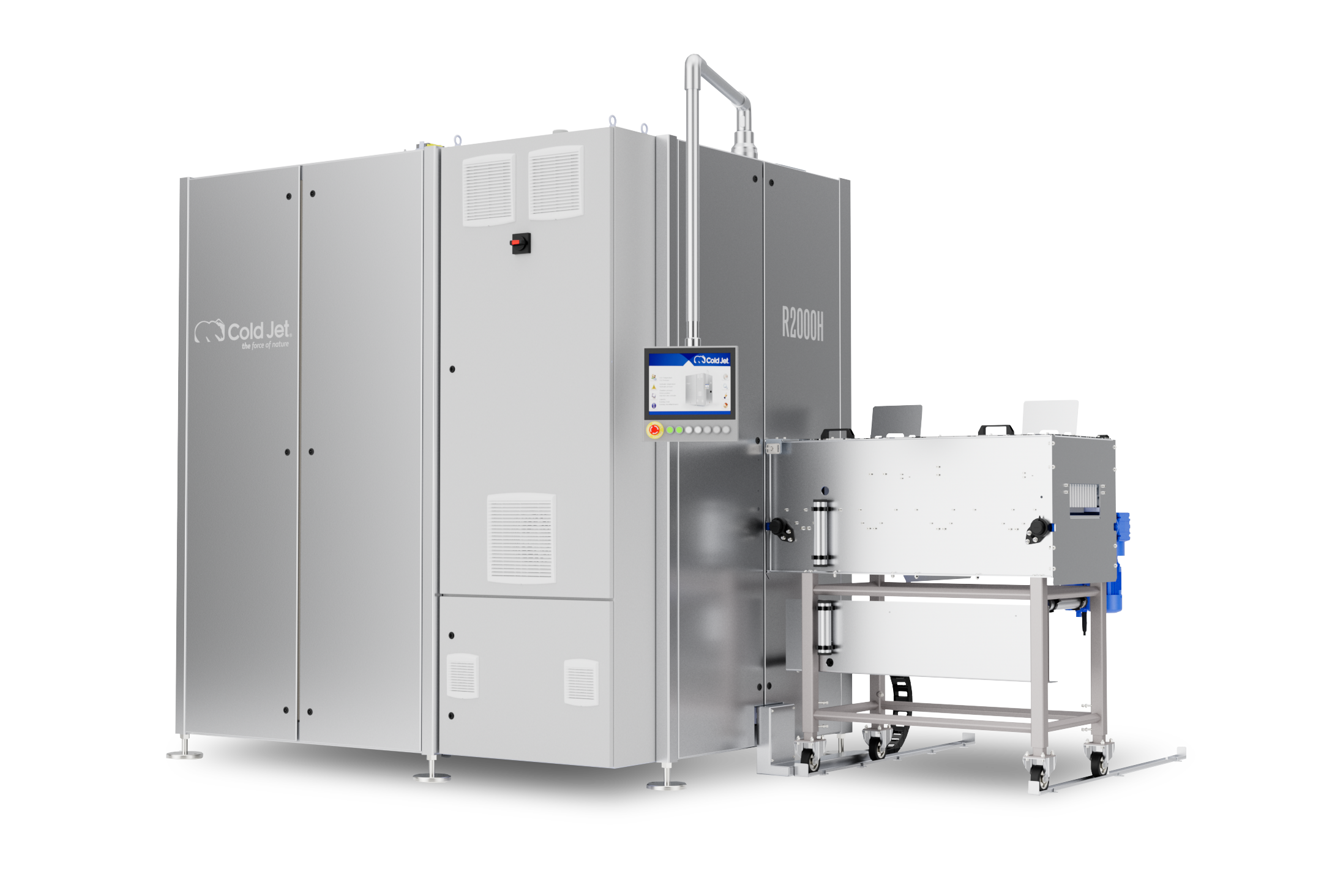
Direct-Slice Systems
2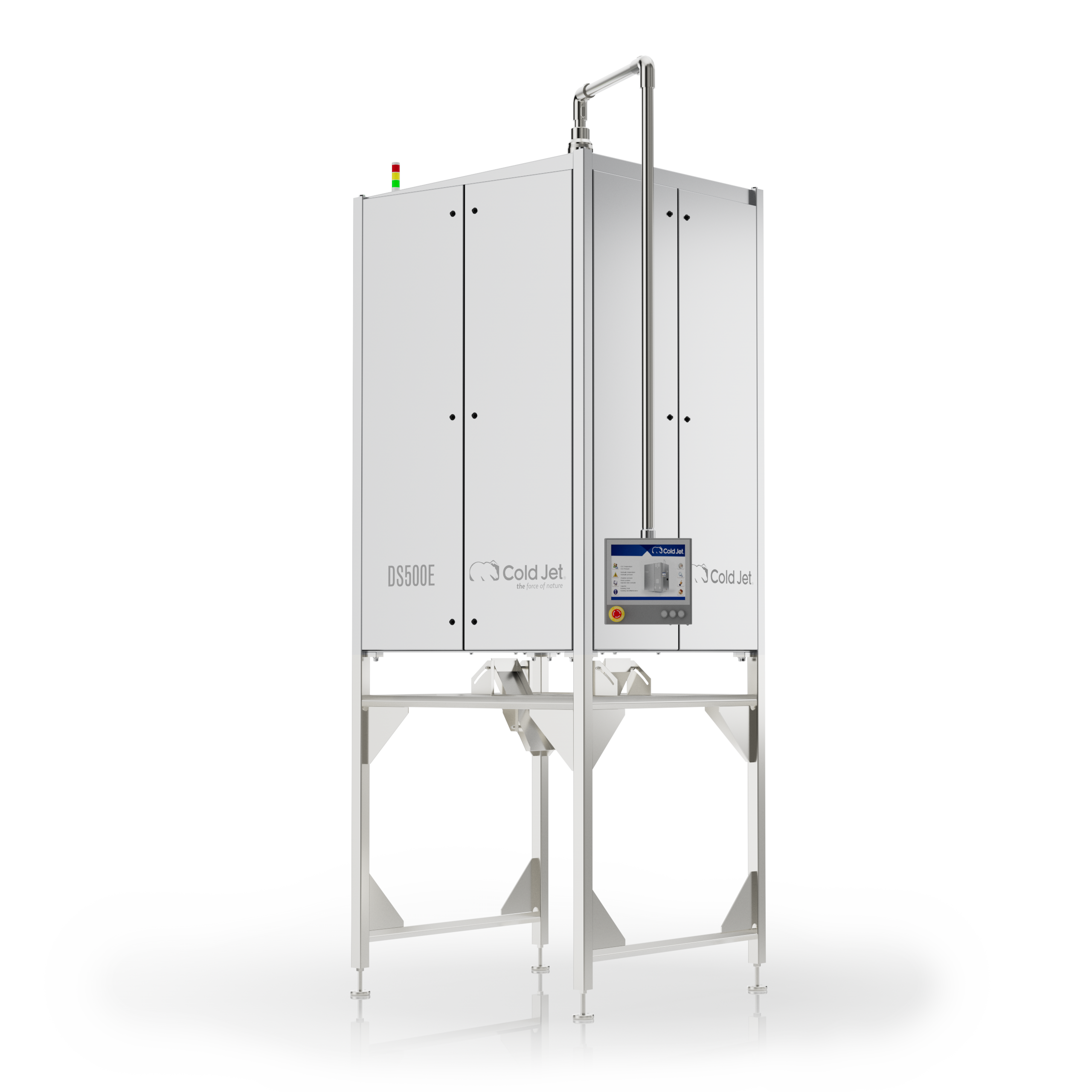
DS500E
1,102 lbs/hr (500 kg/hr). Fully electric all-in-one system needing no hydraulic pressure. Slice weight is programmable from 0.5-2.2 lbs (0.25-1 kg) and saved as recipes, replacing the hazard of manually sawing blocks.
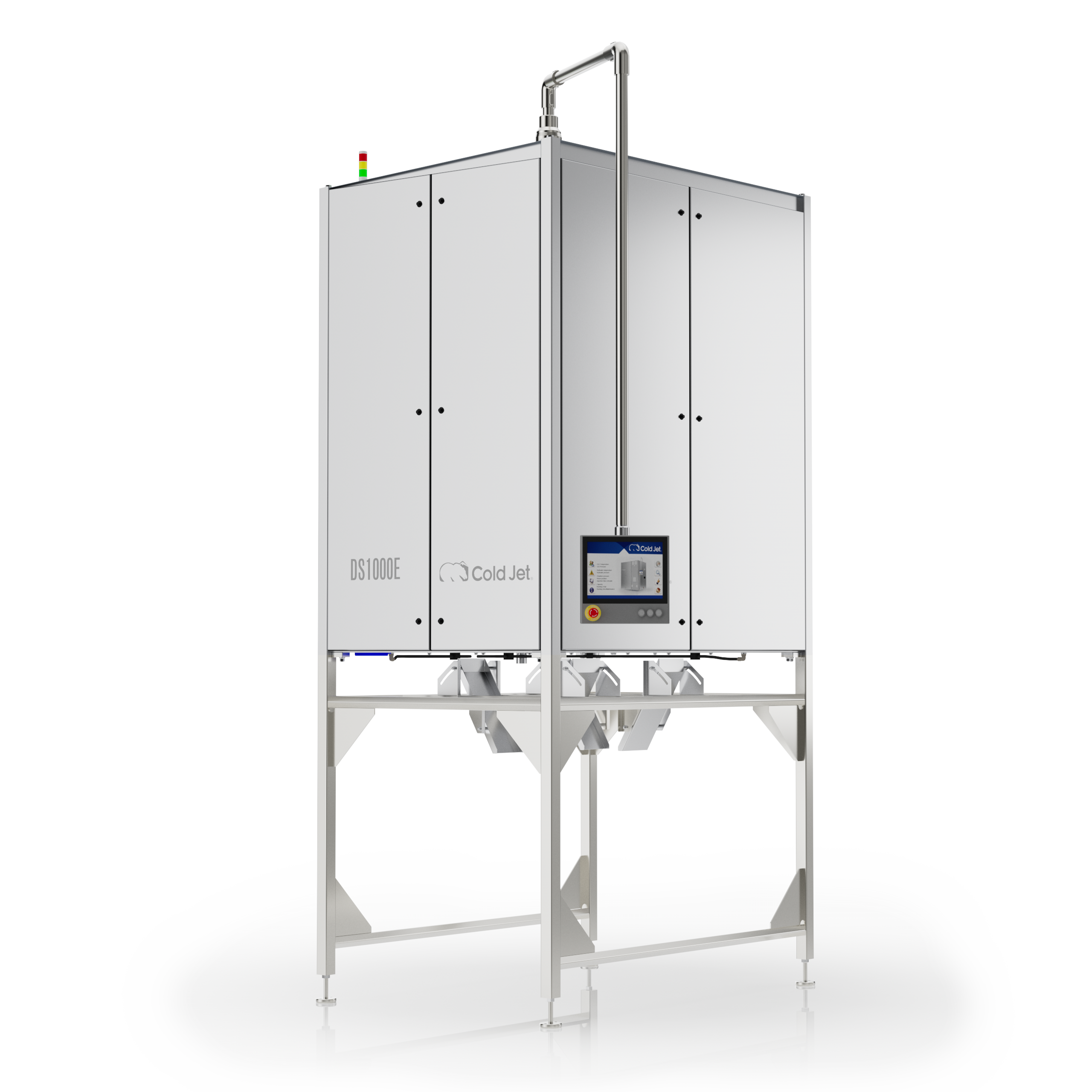
DS1000E
2,200 lbs/hr (1,000 kg/hr). Produces and doses dry ice slices straight from liquid CO₂ with no separate pelletizer and reformer to pair. Slice size and dosing frequency are programmable.
Dosing & Bagging
2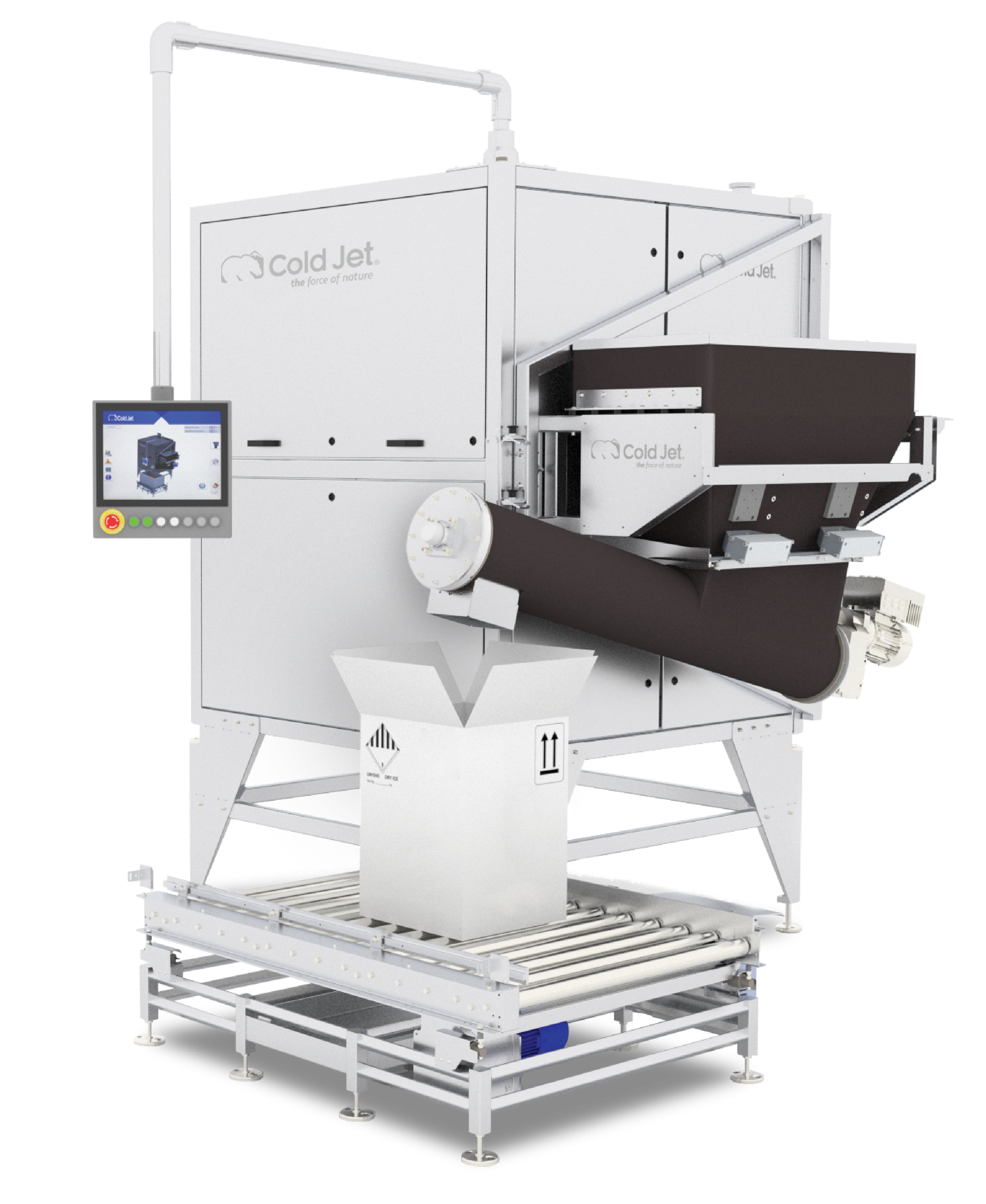
Integrated Dosing Systems
81 lbs/min (37 kg/min) dosing. Couples to a PR350H or PR750H on a side-hinged frame operators engage and disengage by hand, switching between precise parcel dosing and mass production for totes. 242 lb (110 kg) hopper.
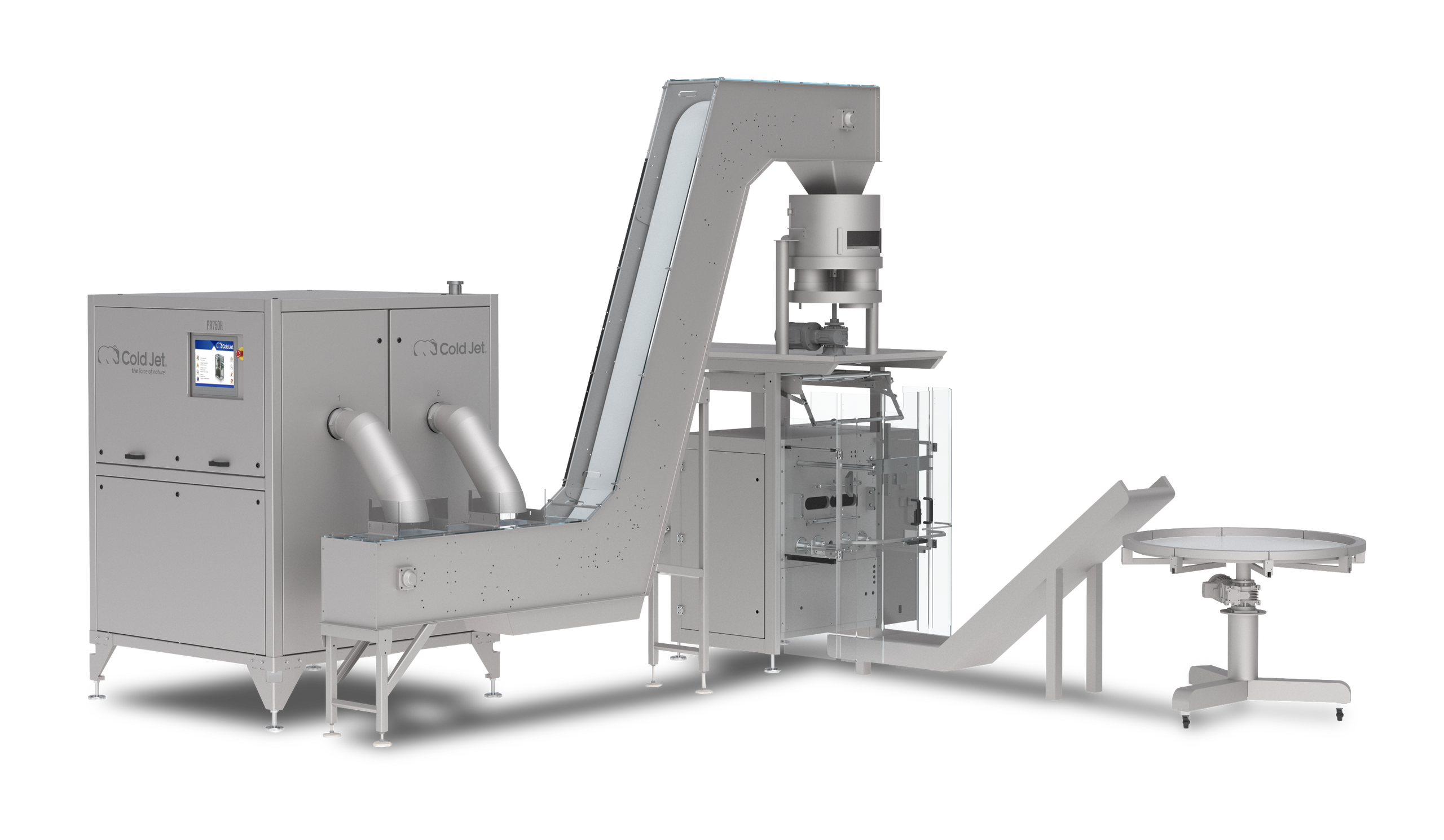
Dosing & Bagging System
6,140 lbs/hr (3,000 kg/hr). A complete pellet and nugget bagging line — pelletizer, inlet conveyor, dosing unit, bagging unit and rotary accumulation table — so each parcel leaves with a measured charge of dry ice.
Reference
Key Terms
Quick definitions of the terminology used on this page — surfaced both for readers and for AI crawlers parsing the page's `DefinedTerm` graph.
Process
12–14%
Better LCO₂ conversion than other systems
Dry Ice ManufacturingWikipedia
The industrial process of expanding pressurized liquid carbon dioxide to form snow, which is then mechanically compressed into solid blocks or pellets.