Summary
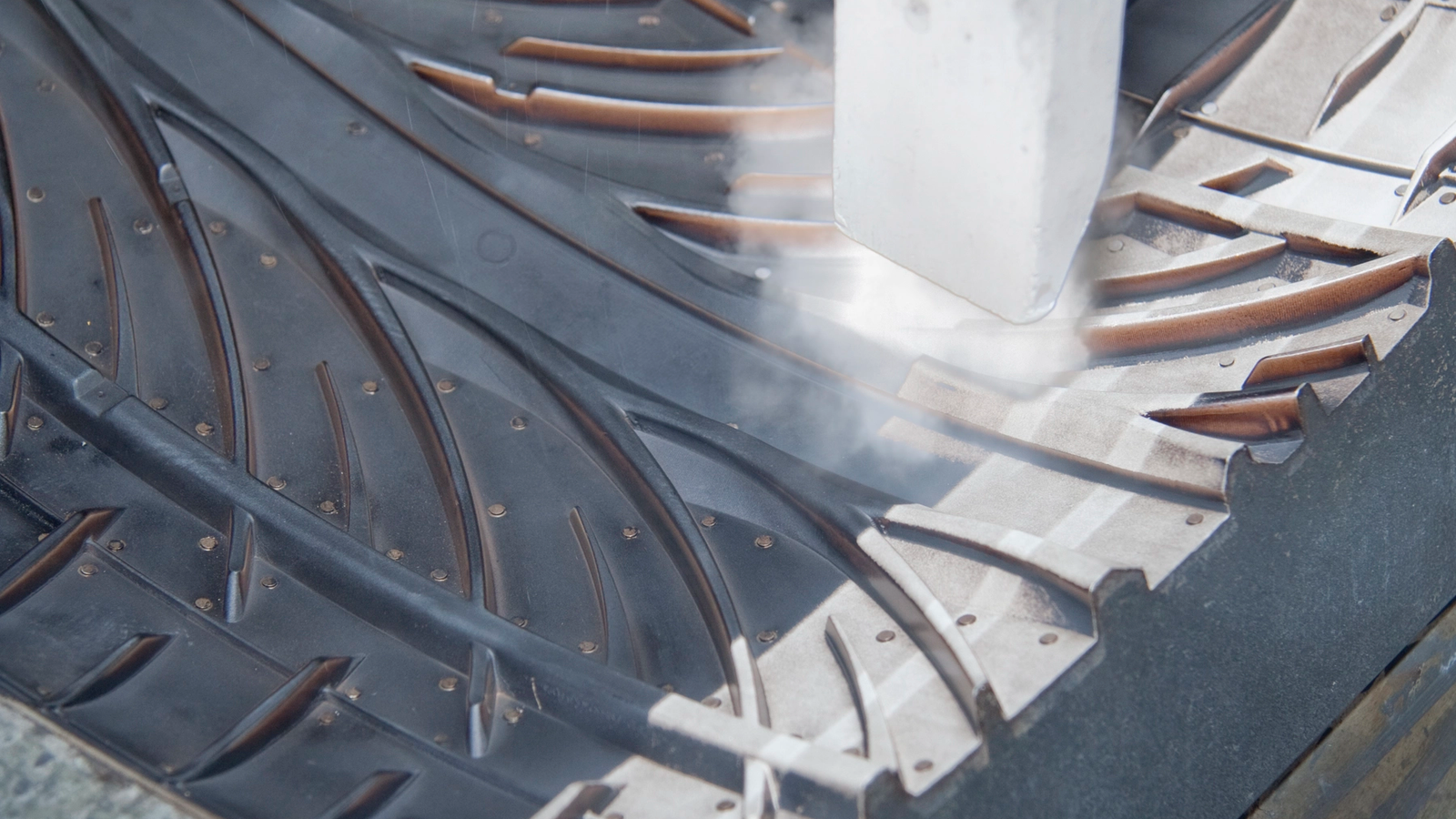
Cold Jet dry ice blasting machines deliver superior cleaning results for tire manufacturers, rubber molders, and automotive tier suppliers. By replacing damaging sandblasting, labor-intensive manual scrubbing, and hazardous chemical solvents with a non-abrasive, in-place solution, molds can be cleaned hot and online, without cooldown or disassembly, reducing maintenance downtime by up to 90% while extending mold service life.
What is dry ice blasting used for in rubber and tire manufacturing?
Dry ice blasting is a non-abrasive, in-place cleaning method used by tire manufacturers and rubber molders to clean tire molds, rubber injection molds, and compression molds hot and in-press during production—without cooldown, disassembly, or reassembly. Solid CO₂ sublimates to gas on impact, removing spent release agents, carbon deposits, and vulcanized rubber from complex sidewall patterns and micro-vents and spring vents that take hours to clear with drill bits. Despite the -109°F temperature differential, the process won't thermally shock, crack, or alter the metallurgy of tooling, and because it is completely non-abrasive, it preserves critical mold dimensions and surface finishes—reducing tool wear from sandblasting and wire brushing. Cleaning tire mold sidewalls takes about 11 minutes versus 13 hours traditionally, cutting maintenance downtime up to 90% while eliminating blemishing and secondary waste. Cold Jet has more than 24,000 machines installed globally.
Cooldown and Abrasive Cleaning Cost Production Time
Traditional mold cleaning is slow and damaging. Cleaning a tire mold sidewall means cooldown, disassembly, manual scrubbing, drilling vents, and reheating—about 13 hours of lost production. Abrasive methods like sandblasting and wire brushing erode mold surfaces, driving a cycle of more release agent, more contamination, and blemished parts.
Cold Jet dry ice blasting cleans molds hot and in-press—no cooldown or disassembly. At -109°F it removes release agents, carbon, and rubber without thermal shock or tool wear, clearing micro-vents in minutes. The result: up to 90% less maintenance downtime, longer mold life, and defect-free parts with no secondary waste.
No Blemishing
Defect-Free Parts
Zero
Water or Secondary Waste
Improve OEE
Longer Production Runs
Non-Toxic
Safe for Employees
Benefits of Dry Ice Cleaning for Rubber & Tire Manufacturing
Dry ice cleaning machines improve productivity, reduce tool wear, and eliminate blemishing
Dry ice blasting transforms production efficiency by replacing labor-intensive manual processes, sandblasting, and chemical solvents with a non-abrasive, in-place solution. Clean tire molds online during the vulcanization cycle and maintain rubber injection molds in-press without disassembly.
 Faster
Dramatically Faster Cleaning, Hot and Online
Traditional cleaning requires cooldown, disassembly, cleaning, reassembly, and reheating—a 13-hour process for tire mold sidewalls. Cold Jet dry ice blasting cleans molds hot and in-press in just 11 minutes. Rubber injection molds clean in 30 minutes versus 8 hours. Hot molds clean 25% faster due to thermal differential, and dry ice cleans hundreds of micro-vents in minutes instead of hours of manual drilling.
 Improve Production
Increased Production Output
Faster cleaning without disassembly or downtime means more production time. Clean tire molds in 11 minutes versus 13 hours—then immediately return to production without reheating. Tire manufacturers maximize equipment uptime and increase throughput, with facilities reporting production increases of thousands of additional tires per press annually.
 Non-Abrasive
Safe, Non-Abrasive Process Extends Mold Life
Despite the temperature differential between hot molds and -109°F dry ice, the process will not crack, thermally shock, or alter the metallurgical properties of your tooling. Dry ice is completely non-abrasive, dramatically reducing tool wear compared to sandblasting, drilling, and wire brushing. The process preserves critical mold dimensions, surface finishes, intricate micro-vents, and lettering—significantly extending tooling service life and reducing refurbishment costs.
 Quality
Improve Quality by Eliminating Blemishing
Dry ice blasting removes the spent release agent buildup that causes surface defects and blemishes on finished parts. By maintaining a pristine mold surface without using abrasive tools, you break the destructive cycle where damaged molds require more release agents, which in turn creates more contamination. Facilities report dramatically lower scrap rates and more consistent part quality.
 No waste
Zero Secondary Waste or Chemical Residue
Unlike sand, beads, or water, dry ice sublimates on contact, turning into a gas and leaving no secondary waste stream behind. This eliminates the cost of disposing of contaminated media and ensures there is no chemical residue or moisture left on the mold.
 Safety
Occupational Safety and Environmental Health
Dry ice cleaning is a non-toxic, occupationally safe solution. In-place cleaning eliminates the safety risks of handling and transporting heavy molds during disassembly, while eliminating worker exposure to hazardous chemical solvents.
What Can Dry Ice Blasting Clean in Rubber & Tire Manufacturing?
Dry ice blasting machines are an effective solution for a variety of applications across rubber and tire production facilities, including rubber injection mold cleaning, rubber compression mold cleaning, and tire mold cleaning.
- Rubber Injection Mold Cleaning
- Rubber Compression Mold Cleaning
- Tire Mold Cleaning
Rubber Injection & Compression Mold Cleaning
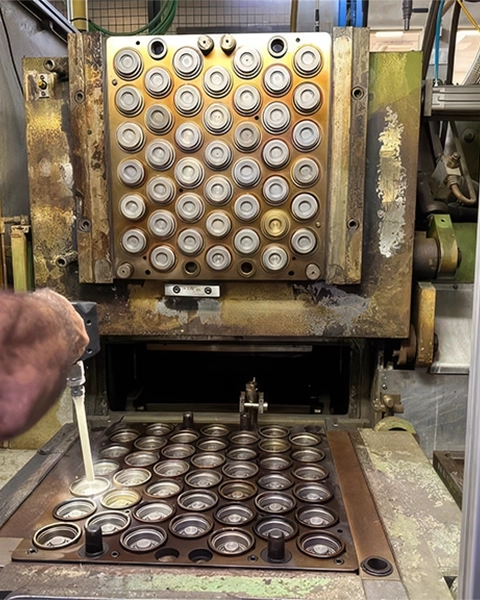
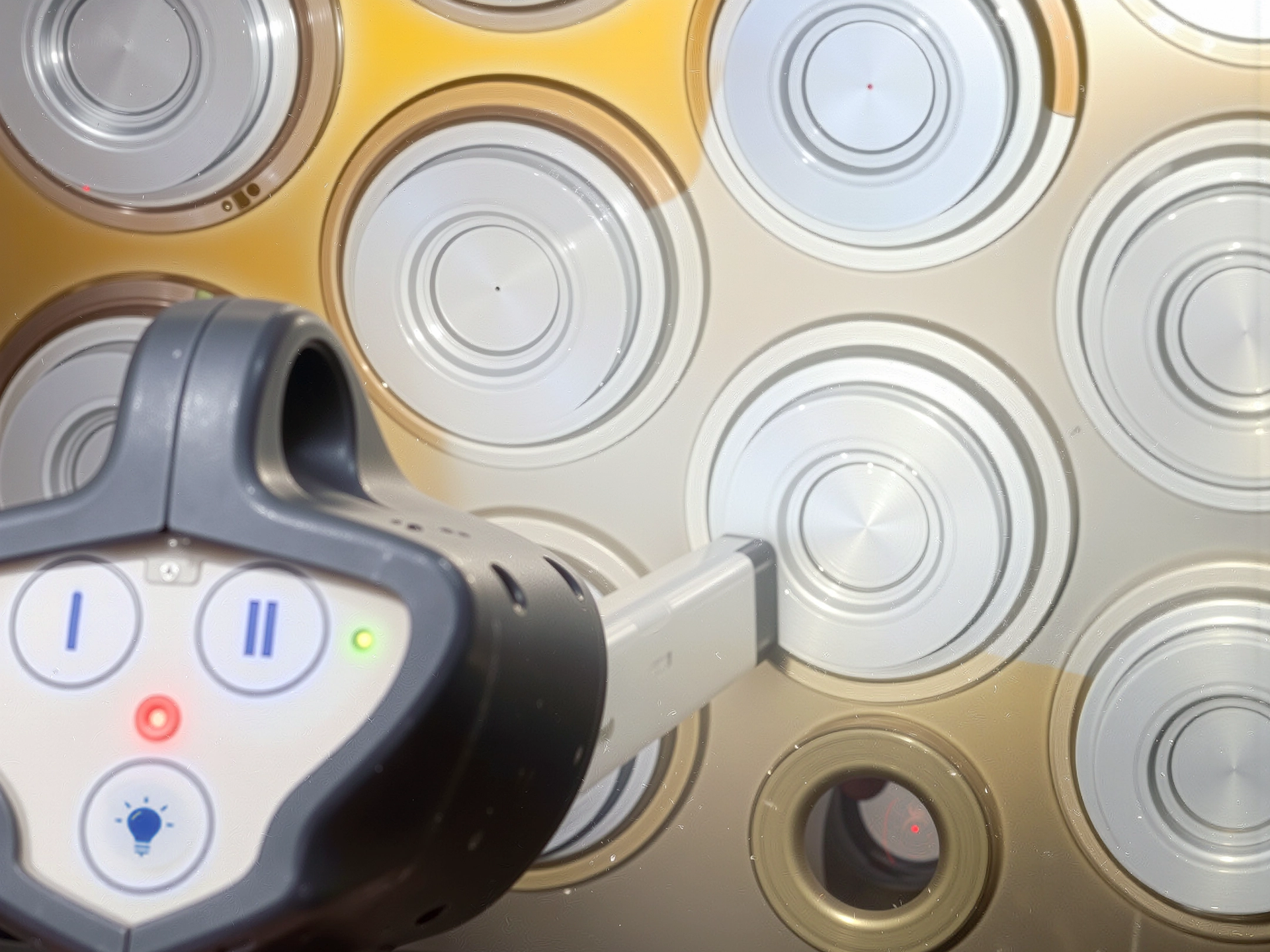
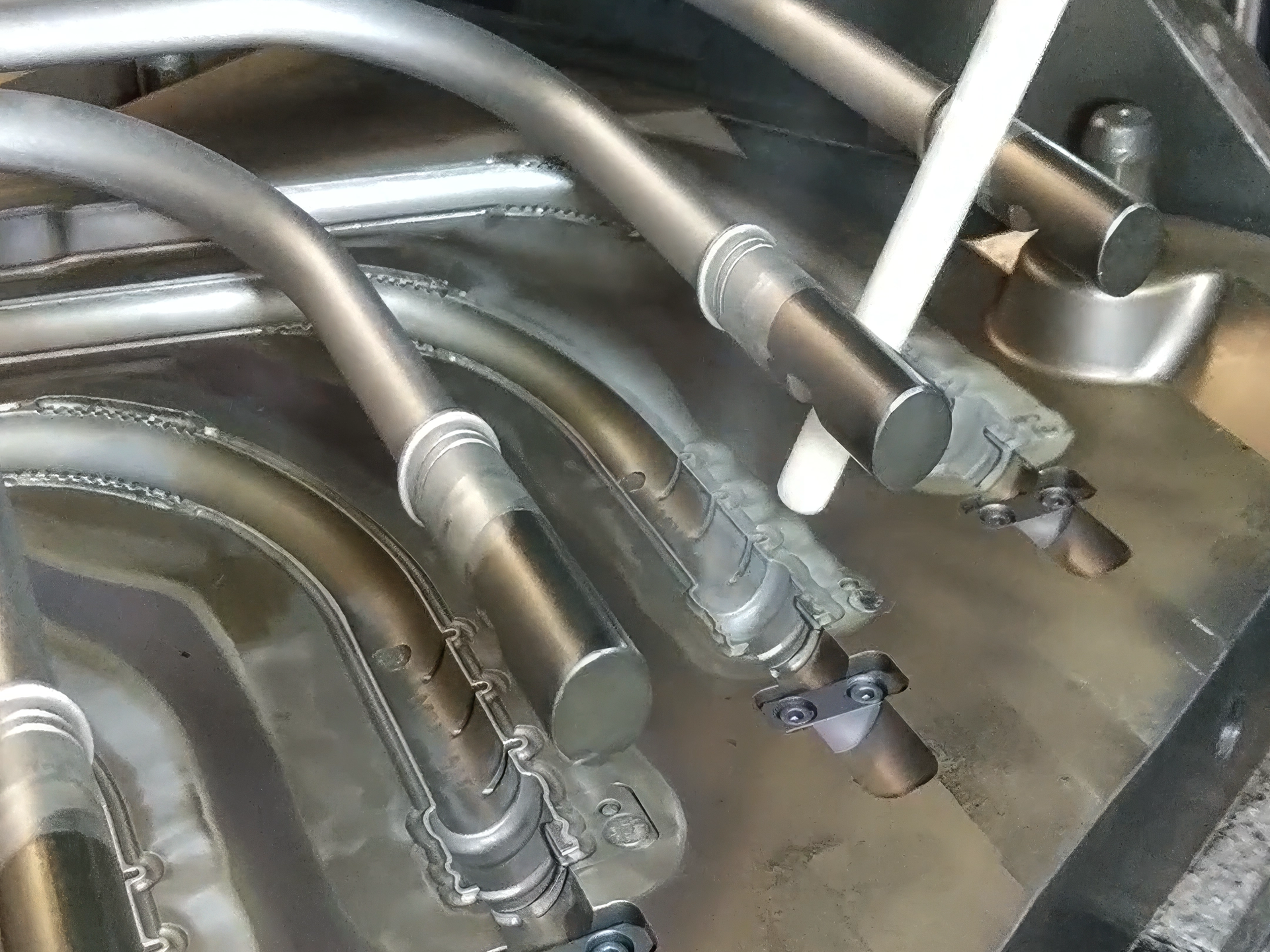
Cold Jet dry ice blasting cleans rubber injection and compression molds at operating temperature without disassembly, reducing tool wear and eliminating part blemishing. Whether you're producing automotive seals, industrial components, footwear, or molded rubber parts, the process addresses the critical cleaning challenges that impact production efficiency and part quality.
Clean Hot and In-Place for Maximum Productivity
Cold Jet dry ice blasting enables rubber manufacturers to clean molds while they remain hot in the press, eliminating the costly downtime associated with cooling, disassembly, and reassembly. For Injection Molds, cleaning time is reduced from 5 hours to just 25-30 minutes, which is critical for preventing progressive buildup that becomes exponentially harder to remove if left unaddressed. For Compression Molds, cleaning is reduced from several hours of manual cleaning to just minutes, as dry ice reaches into complex geometries and textured surfaces to ensure complete removal of vulcanized rubber and spent release agent.
Extend Tool Life
Traditional abrasive cleaning methods can affect tight tolerances on the mold surface, leading to blemishes on finished parts. Dry ice cleaning is completely non-abrasive so it preserves the mold integrity and protects critical surface finishes. This ensures a significantly longer service life for expensive tooling.
Higher Part Quality
Clean molds produce parts that meet strict quality specifications without surface imperfections or blemishes. Because dry ice sublimates (turns into gas) on impact, there is no grit, media, or moisture left behind to cause short shots or contamination in the next cycle. Molds are immediately production-ready after cleaning, ensuring consistently defect-free production and lower scrap rates.
Tire Mold Cleaning
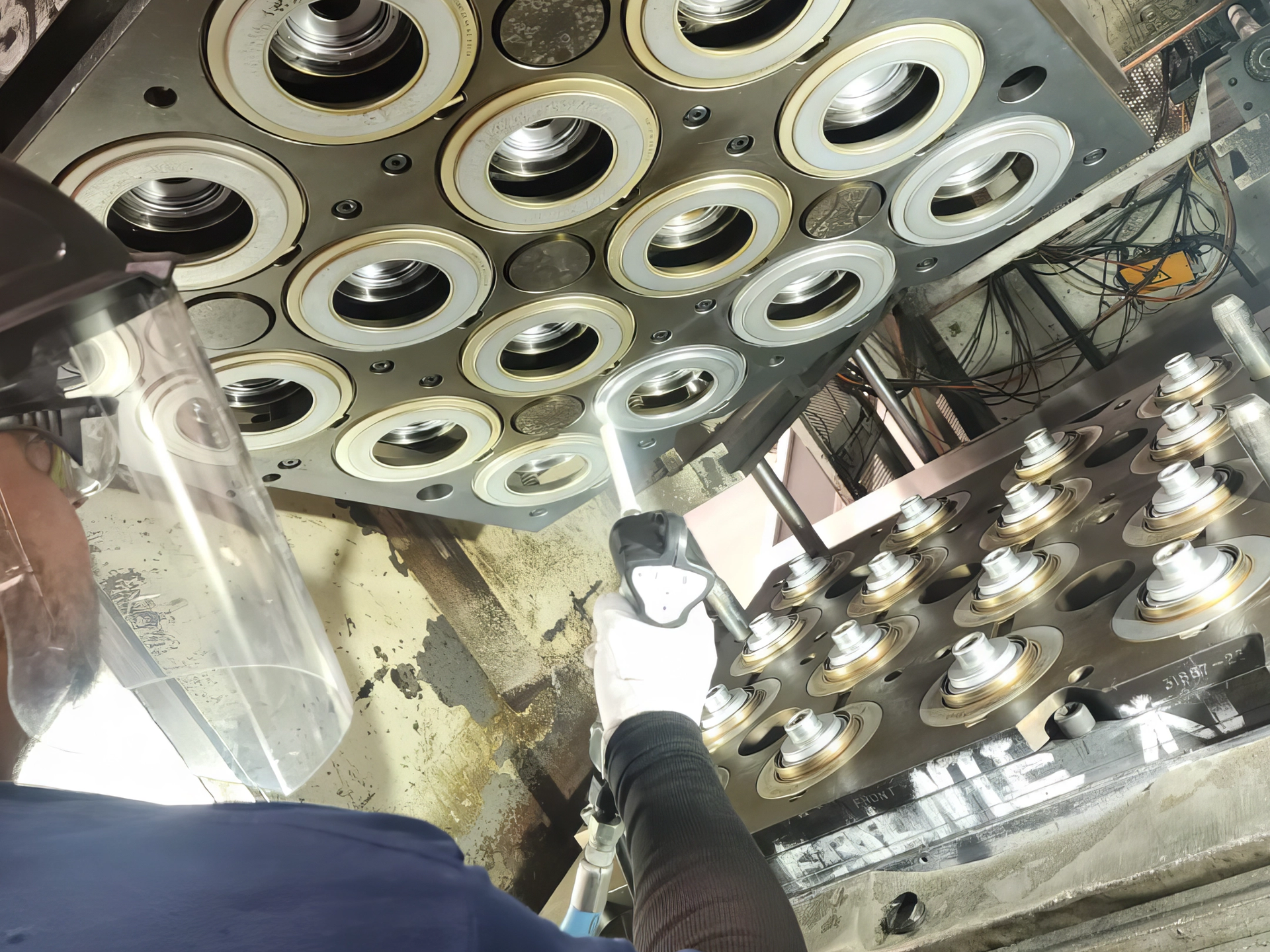
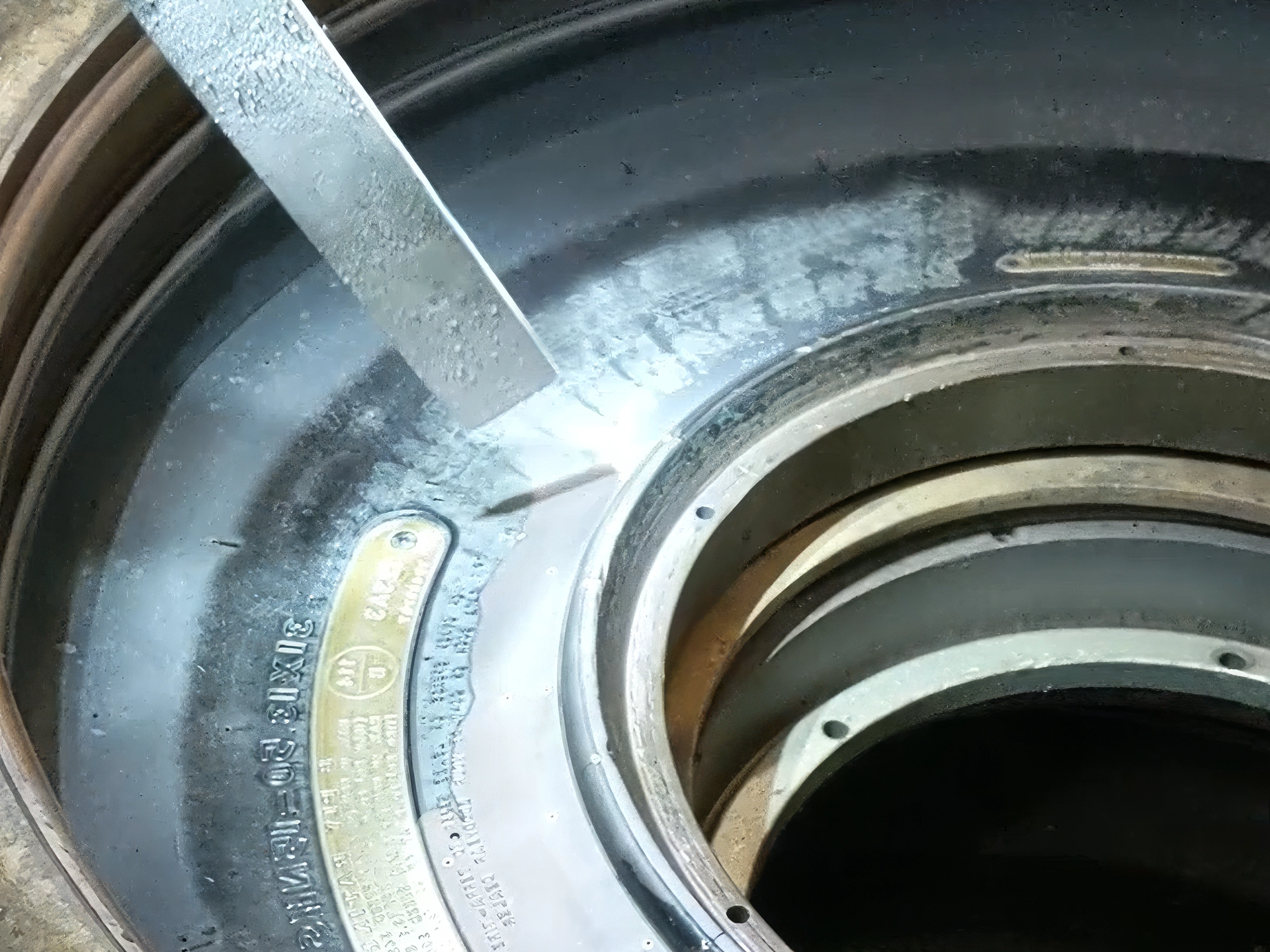
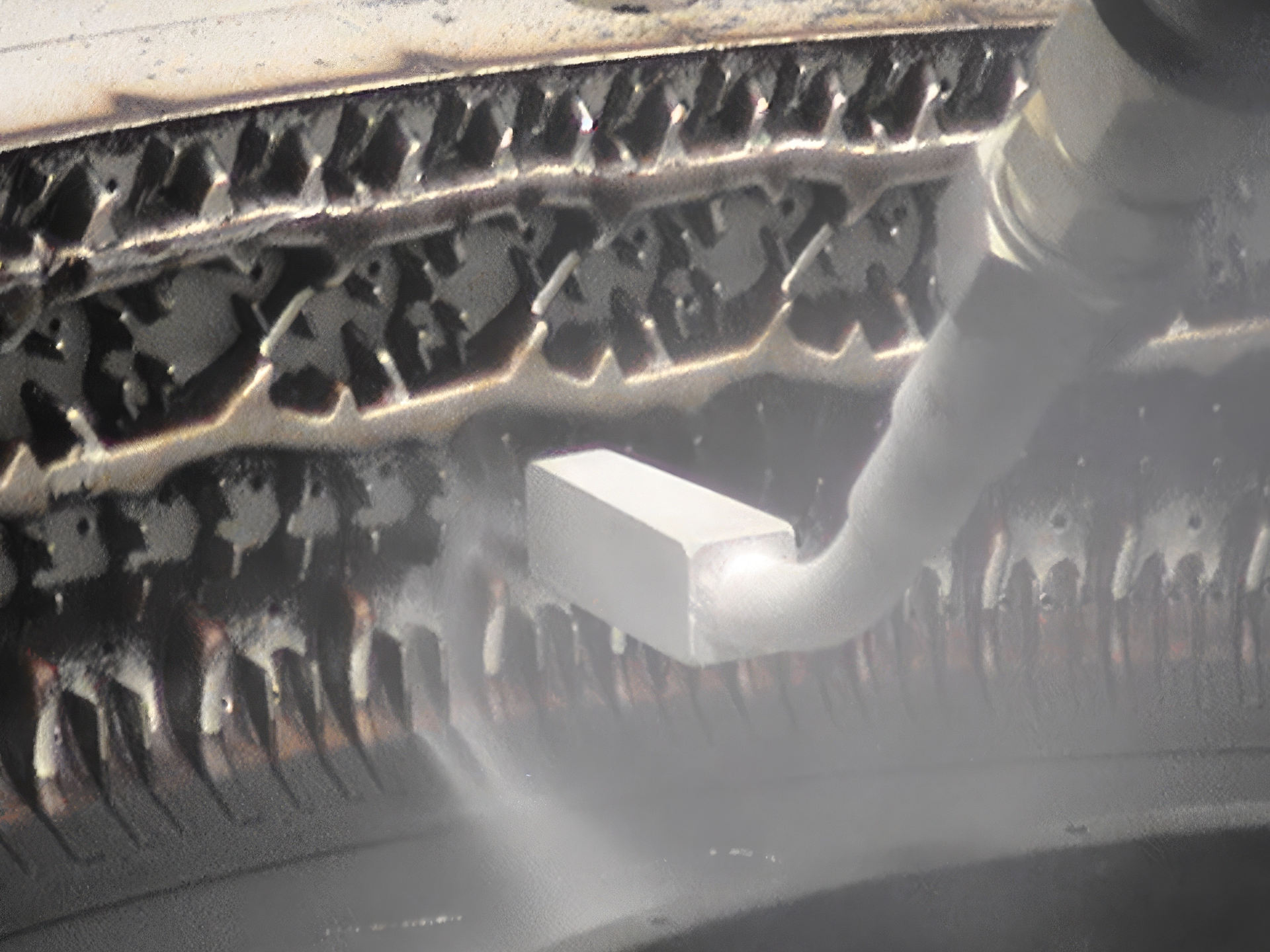
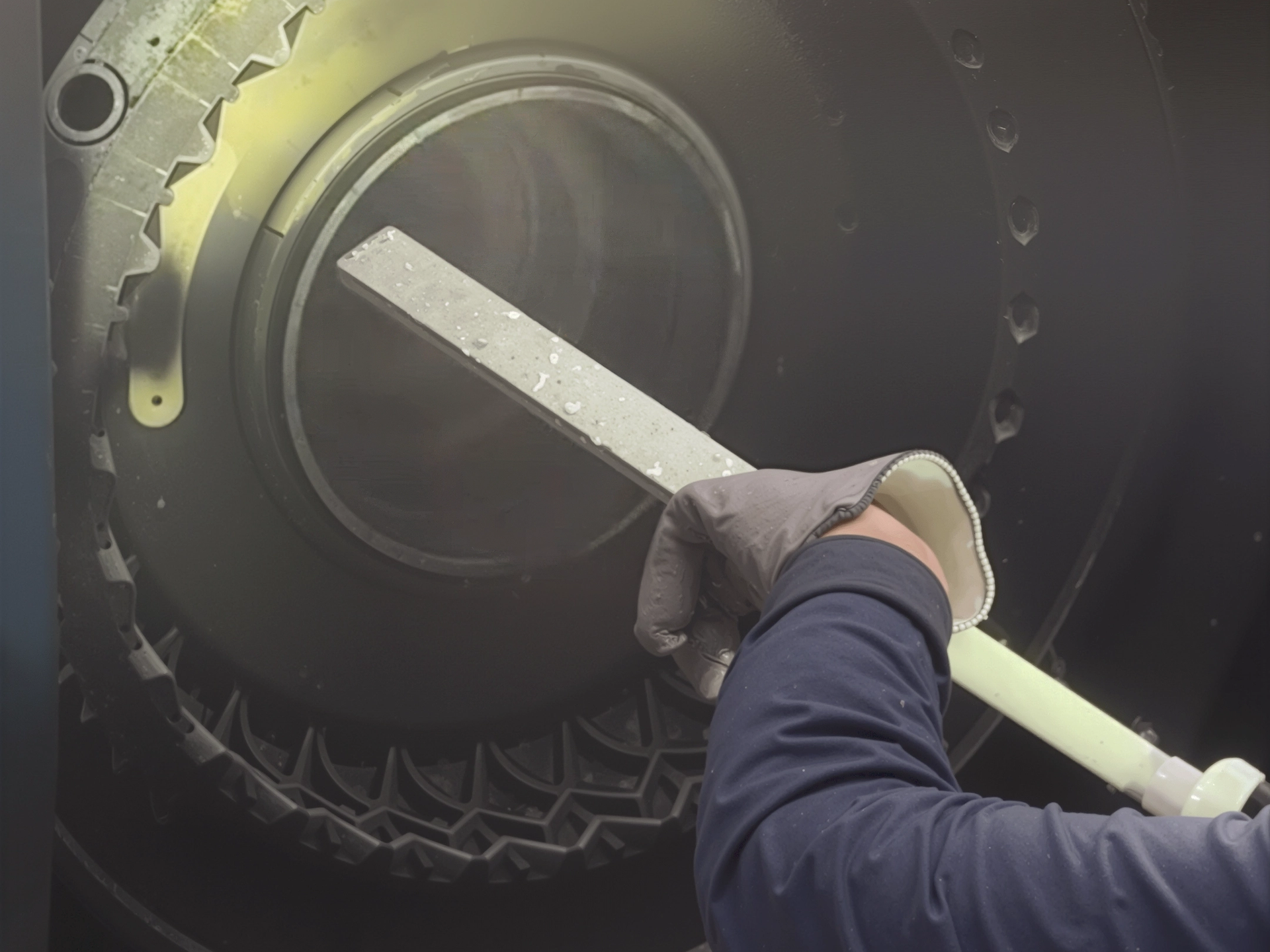
Dry ice blasting cleans tire molds in-press at operating temperature, eliminating the need for cooldown and disassembly.
Clean Hot and In-Place for Massive Time Savings
Cold Jet dry ice blasting revolutionizes tire mold maintenance by enabling in-press cleaning at operating temperature. While traditional methods require up to 13 hours to clean a sidewall—including cooldown, disassembly, manual cleaning, drilling vents, and reassembly—dry ice blasting completes the task in just 11 minutes. This 98% reduction in downtime is enhanced by the thermal differential of hot molds, which allows Cold Jet dry ice cleaning to remove release agents and carbon deposits from complex sidewall patterns and intricate venting systems. The ability to clean hot and in-press during brief maintenance windows translates directly to increased production time and throughput.
Non-Abrasive Cleaning Protects Tooling
Because Cold Jet dry ice blasting is completely non-abrasive, it eliminates the tool wear caused by traditional blast media and drill bits. Cold Jet dry ice cleaning preserves critical mold geometries and intricate sidewall details. By protecting these surfaces, dry ice blasting extends the service life of expensive tire molds, prevents premature mold replacement, and eliminates the need for frequent, costly refurbishment cycles.
Increase Output and Maintain Quality
Bringing mold cleaning in-house eliminates the logistical delays and spare mold inventory costs associated with third-party services. With the ability to clean in a fraction of the time, manufacturers can perform maintenance more frequently during brief production windows. This consistent cleanliness eliminates blemish-related scrap and ensures high-quality, defect-free tires while maximizing total equipment uptime and throughput.
What Do Rubber & Tire Manufacturers Need for Dry Ice Cleaning?
An effective dry ice blasting setup at your facility relies on several key components:
Step 01
Dry Ice Blasting Machine
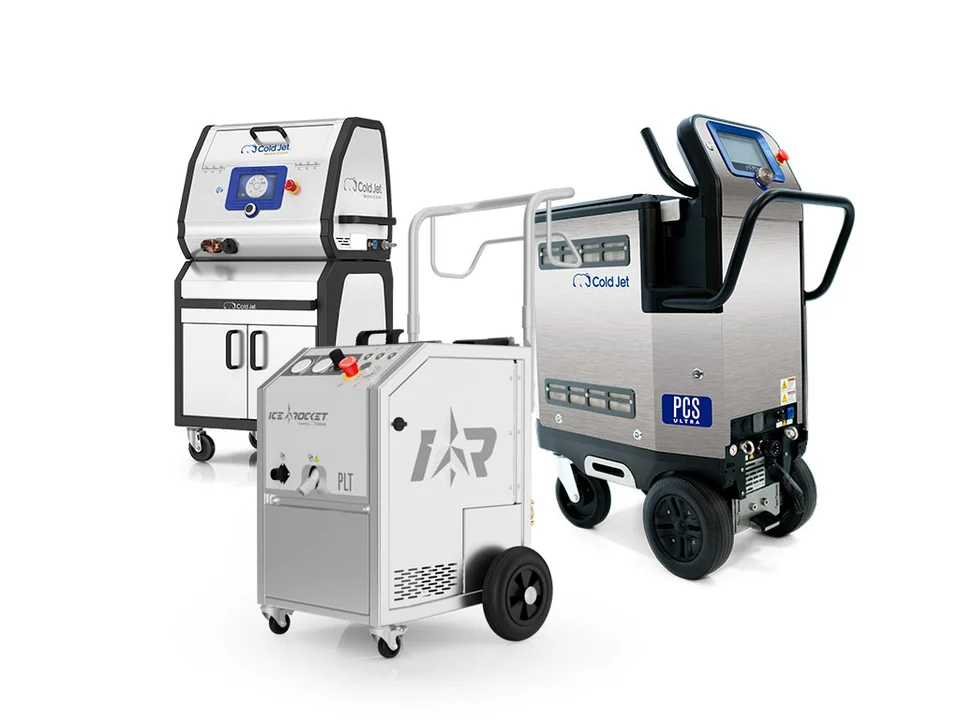
Cold Jet’s dry ice blasters deliver reliable performance in demanding rubber and tire production environments. Our equipment enables precise adjustment of cleaning intensity and particle size—from 3mm pellets for heavy rubber buildup to MicroParticles for delicate tire mold venting and intricate details. Every system includes a blast hose, air hose, applicator, and application-specific nozzles.
- 01. Dry Ice Blasting Machine — Cold Jet’s dry ice blasters deliver reliable performance in demanding rubber and tire production environments. Our equipment enables precise adjustment of cleaning intensity and particle size—from 3mm pellets for heavy rubber buildup to MicroParticles for delicate tire mold venting and intricate details. Every system includes a blast hose, air hose, applicator, and application-specific nozzles.
- 02. Compressed Air — Your facility’s existing filtered air system can supply the necessary compressed air.
- 03. Dry Ice Supply — A supply of high-quality dry ice is vital for uninterrupted cleaning operations. We can help you identify a reliable dry ice supplier and establish a delivery schedule that aligns with your production needs.
- 04. Machine and Operator Training — Proper training is essential for operators to effectively and safely utilize dry ice blasting. Cold Jet offers a training course designed to equip your team with essential operating instruction, cleaning best practices, and safety guidelines.
- 05. Personal Protective Equipment (PPE) — Your cleaning personnel should always wear appropriate safety gear, including gloves, hearing protection, and eye protection during dry ice blasting operations.
How Dry Ice Blasting Compares to Alternatives
See how dry ice blasting stacks up against traditional cleaning methods across the criteria that matter most in rubber and tire manufacturing.
| Criteria | Dry Ice Blasting Best | Sand Blasting | Manual Cleaning | Ultrasonic Cleaning | Laser Cleaning |
|---|---|---|---|---|---|
| Secondary Waste | None – sublimates to gas, no residue | High – spent abrasive media to collect | Moderate – solvents, rags, debris | High – contaminated chemical bath | Low – vaporized residue needs extraction |
| Speed | Fast – 11 min vs 13 hr, hot & in-press | Slow – cooldown, disassembly, masking | Slow – scrubbing and drilling vents | Slow – remove molds, batch soak | Slow – point-by-point on surfaces |
| Equipment Damage | None – non-abrasive, no thermal shock | High – abrasive, erodes mold surfaces | High – drilling and scraping wear tools | Low – but size-limited by tank | Possible – heat can alter surfaces |
| Regulatory Compliance | Strong – non-toxic, no chemicals | Limited – silica dust and containment | Inconsistent – solvent handling | Moderate – chemical bath disposal | Limited – VOC exposure |
| Downtime | Minimal – clean hot, no cooldown | High – cooldown and disassembly | High – teardown, drilling, reassembly | High – molds offline to soak | Moderate – slow per-surface setup |
| Environmental Impact | Low – no chemicals, reclaimed CO₂ | High – abrasive dust and disposal | Moderate – solvent and rag waste | Moderate – chemical bath disposal | Moderate – generates VOC & energy intensive |
What Is the Best Dry Ice Blasting Machine for the Rubber & Tire Industry?
Rubber and tire manufacturers choose from Cold Jet’s full lineup of dry ice blasters to match their specific cleaning needs. Popular systems for tire mold cleaning, rubber injection molding, and compression molding operations include:
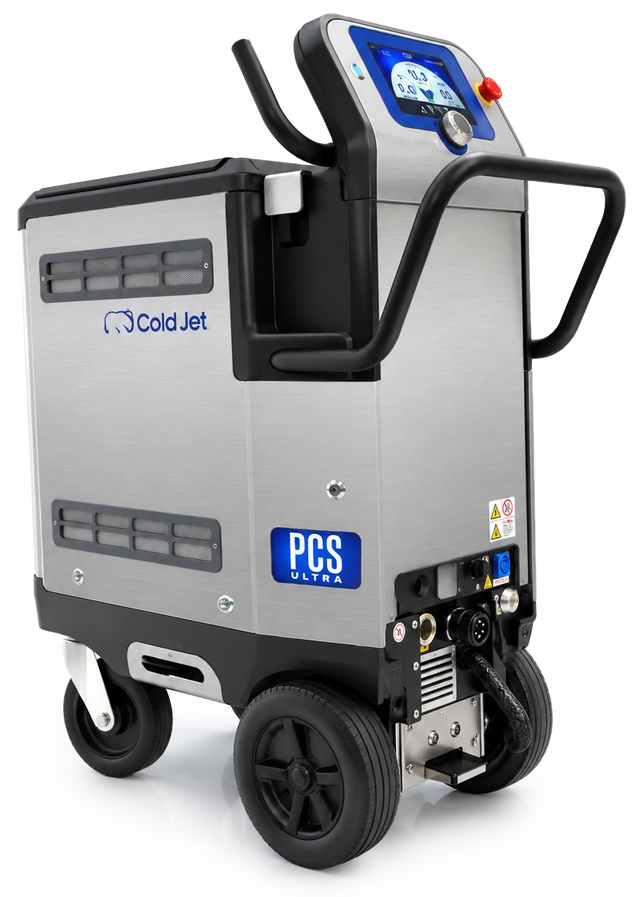
Aero2® PCS® ULTRA
The Aero2 PCS ULTRA is a highly versatile machine for the broad spectrum of rubber and tire cleaning applications. The dry ice blaster is suited for applications requiring extremely gentle cleaning with MicroParticle dry ice for tire mold vents to aggressive cleaning of larger surfaces using 3mm dry ice pellets.
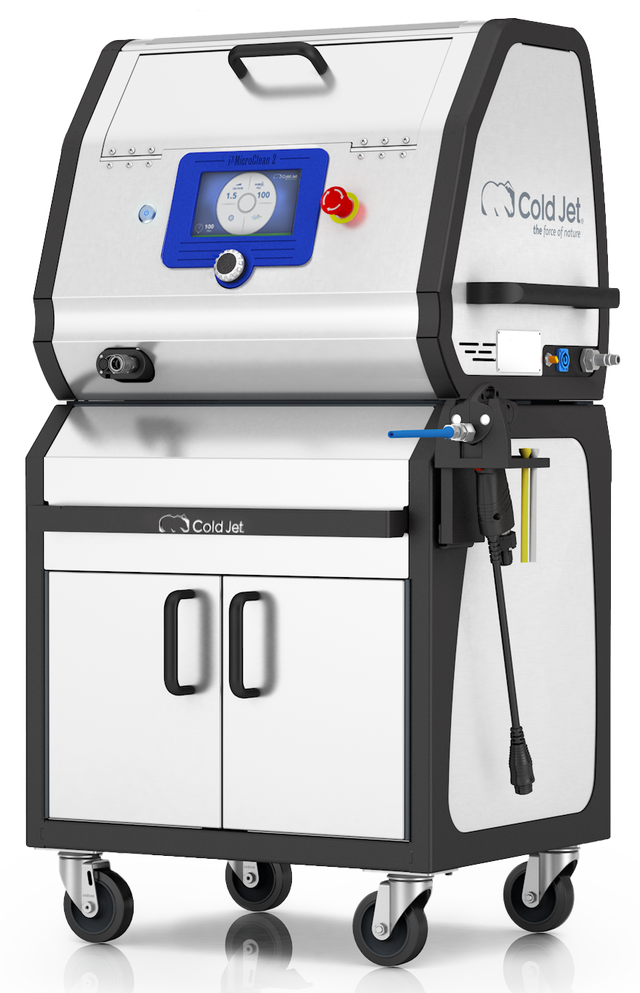
i3 MicroClean® 2
The i3 MicroClean 2 offers precision cleaning for rubber and tire applications. This dry ice blasting machine features intuitive controls in a lightweight, compact design. You can easily adjust cleaning aggression to lock in the ideal parameters for your specific mold and contamination level, making it perfect for injection mold cleaning and applications requiring gentle cleaning of intricate contours and complex geometries.
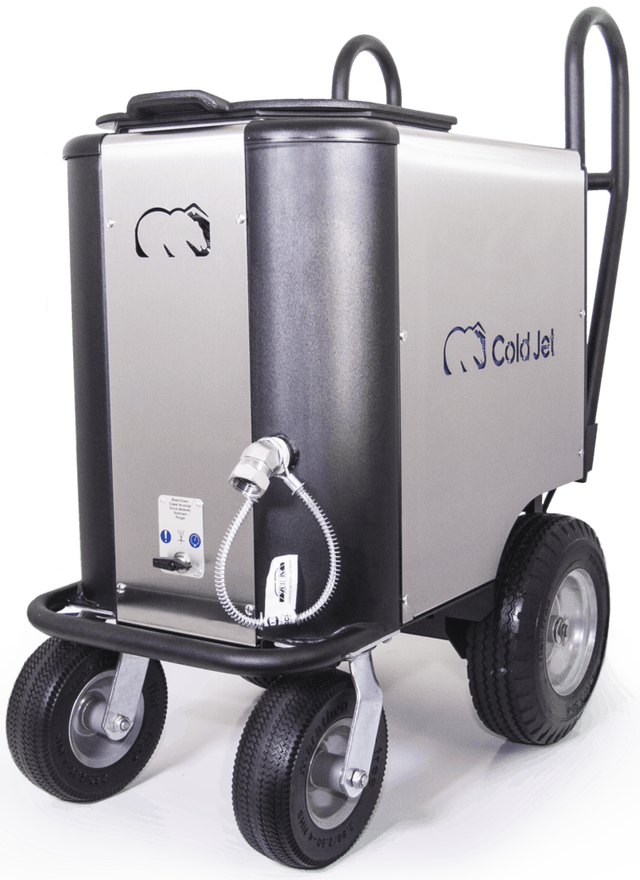
Aero® 40FP
The Aero 40 is a rugged, reliable solution for intensive rubber and tire mold cleaning operations. Designed for the most demanding production environments, this machine provides the power and capacity needed for continuous cleaning of large compression molds and full tire mold sets.
Compare Dry Ice Blasters for Rubber & Tire Production
See how each Cold Jet blaster stacks up, so you can match particle control and cleaning intensity to tire molds, bladders, vents, and curing presses.
| Specification | Aero2® PCS® ULTRA | i3 MicroClean® 2 | Aero® 40FP |
|---|---|---|---|
| Particle Control | Variable(0.3mm to 3.0mm, 28 sizes) | Microparticles(Shaved) | Standard(3mm) |
| Controls | Digital(7" LCD, Recipes, IoT) | Digital(7" LCD, Recipes, IoT) | Analog / Standard |
| Feeder Technology | Two-Stage + Defrost Cycle | Radial Feeder | Advanced Radial Feeder |
| Application Intensity | Versatile(Precision to Aggressive) | Delicate / Precision | Moderate to Aggressive |
| Automation & Integration Capable | Yes | Yes | No |
| Hopper Capacity | 60 lbs(27 kg) | 25 lbs(11 kg) | 40 lbs(18 kg) |
Why Choose Cold Jet Machines in the Rubber & Tire Industry?
Investing in a Cold Jet dry ice blasting machine delivers rapid ROI and significant operational advantages for rubber and tire manufacturing. Documented cases show dry ice and labor savings alone generating fast payback, with Cold Jet machines consistently delivering greater value than competitors.
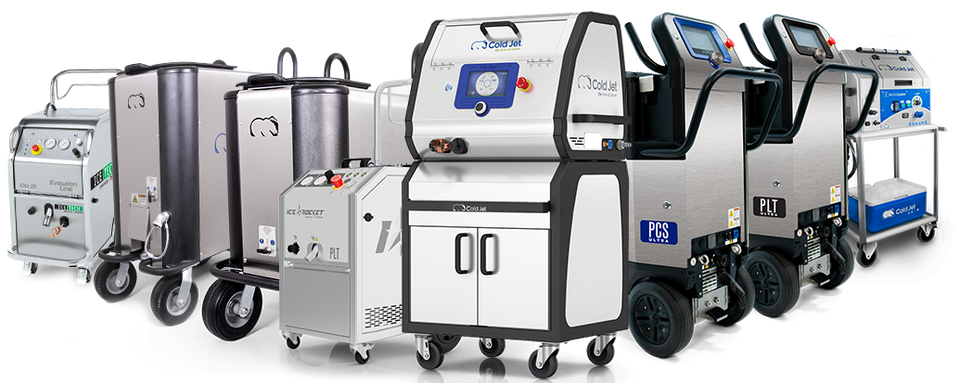
Rubber & Tire Industry Expertise
Leveraging decades of experience in the rubber and tire sectors, Cold Jet has cultivated an in-depth understanding of the critical cleaning challenges and operational demands faced by tire manufacturers and rubber molders.
Trusted by the Rubber & Tire Industry
With more than 24,000 machines installed globally and installations in leading tire manufacturers and rubber molding facilities worldwide, Cold Jet is a trusted solution for rubber and tire mold cleaning. Our customer base includes tire manufacturers, automotive rubber component suppliers, industrial rubber producers, and specialty rubber molders.
Industry Leading Reliability
Our machines are built to meet the demands of high production environments and harsh manufacturing conditions. Cold Jet dry ice blasting machines are more reliable and have significantly longer machine life than competitors.
Lower Operating Costs
Cold Jet dry ice blasters are engineered for efficiency, consuming considerably less dry ice, compressed air, and electricity than other machines on the market.
Unmatched Support and Training
Our support team is always accessible for expert maintenance, repairs, and technical support. From installation and training to ongoing support, Cold Jet ensures your team has the resources needed for success.
Application Specific Accessories
We offer an extensive selection of accessories and will work with you to configure the optimal setup for your specific applications.
Trusted by Rubber & Tire Manufacturers Worldwide
With 24,000+ machines installed globally, Cold Jet delivers proven value to rubber and tire manufacturers of all sizes.







Supporting Safety, Quality & Sustainability
Dry ice blasting helps rubber and tire manufacturers meet worker-safety, part-quality, and environmental goals without abrasives or chemicals.
Occupational Safety
Manual cleaning requires handling and transporting heavy molds during disassembly and exposes workers to hazardous chemical solvents.
In-place dry ice cleaning eliminates heavy mold handling and chemical-solvent exposure with a non-toxic, occupationally safe process.
Part Quality & Tolerances
Abrasive cleaning erodes mold surfaces and tight tolerances, causing blemishes and scrap on finished parts.
The completely non-abrasive process preserves mold dimensions and surface finishes, eliminating blemishing for consistent, defect-free parts.
Secondary Waste Disposal
Sand, bead, and solvent cleaning generate spent media, moisture, and contaminated chemical waste to collect and dispose of.
Dry ice sublimates on contact, leaving no abrasive media, moisture, or chemical residue—eliminating secondary waste and disposal costs.