The Science
How Does Dry Ice Blasting Work?
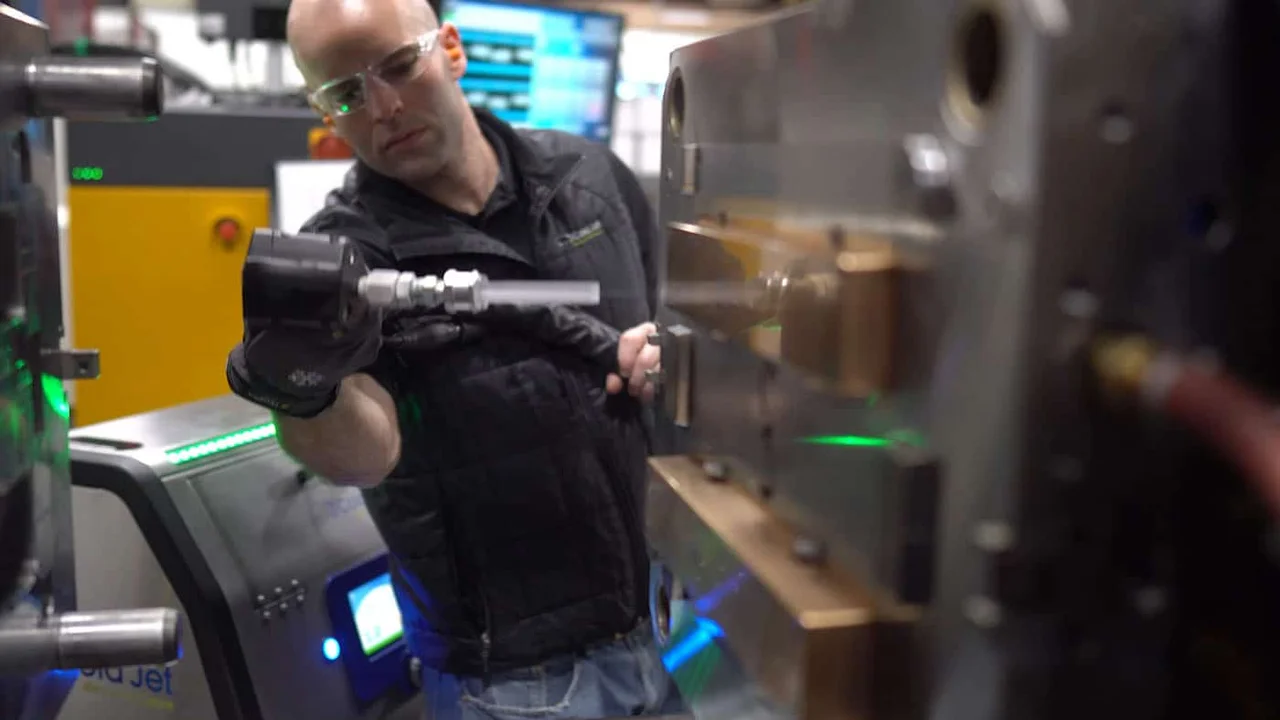
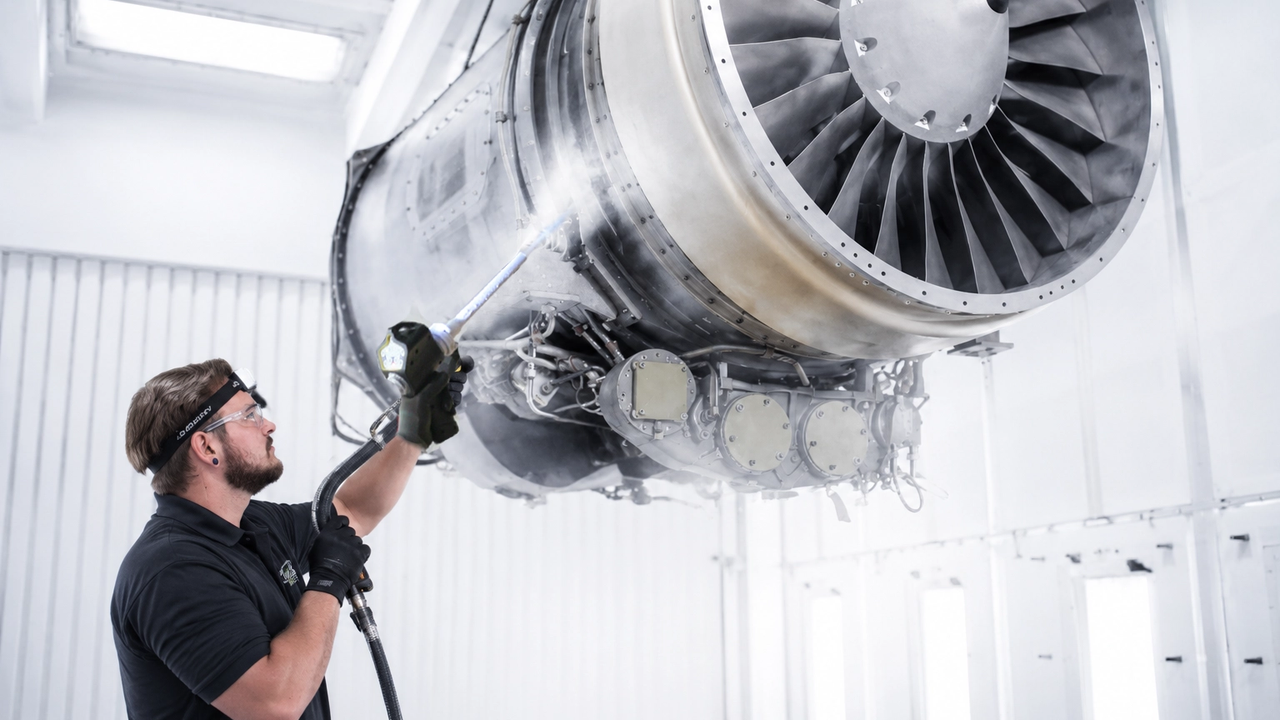
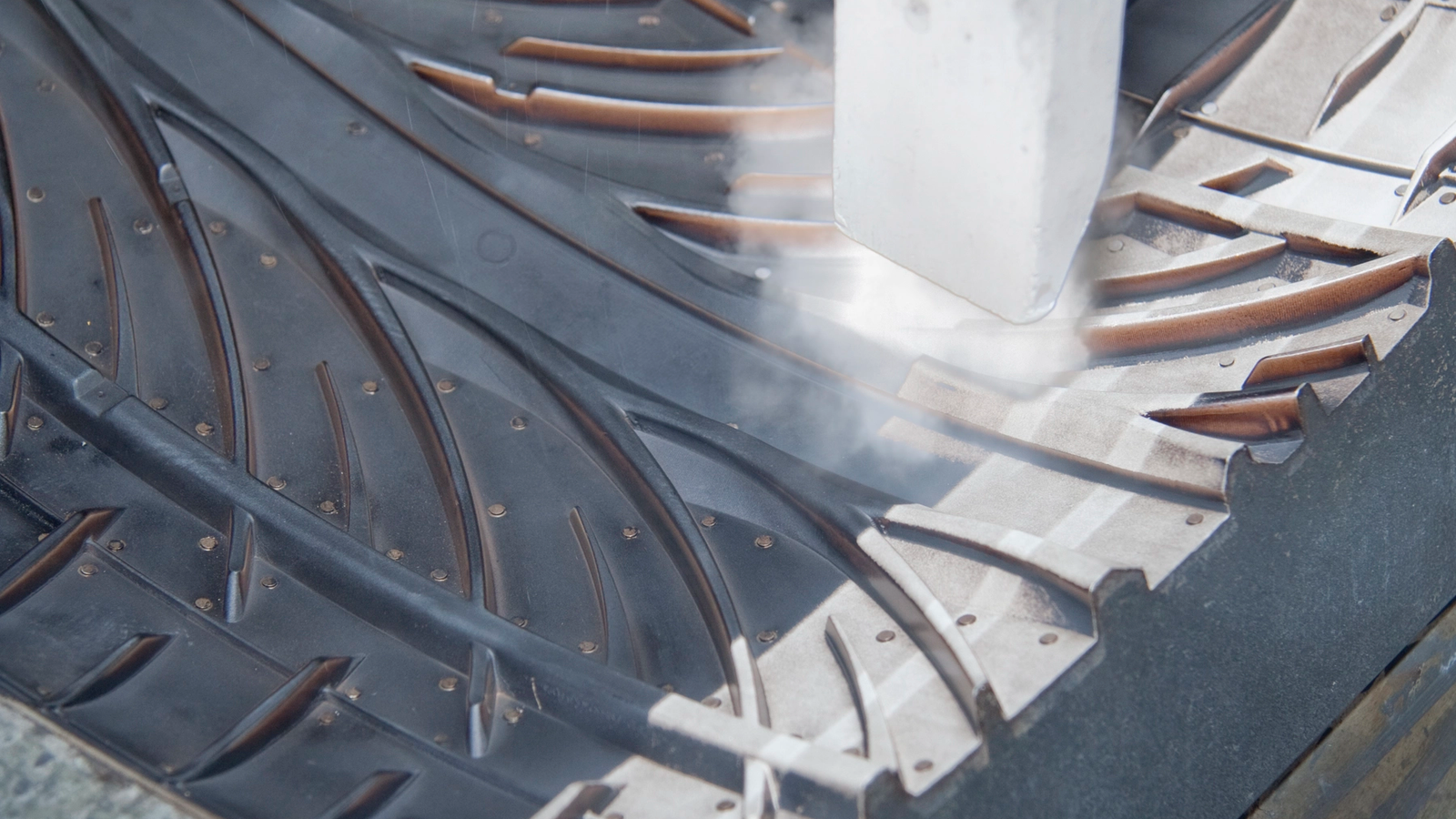
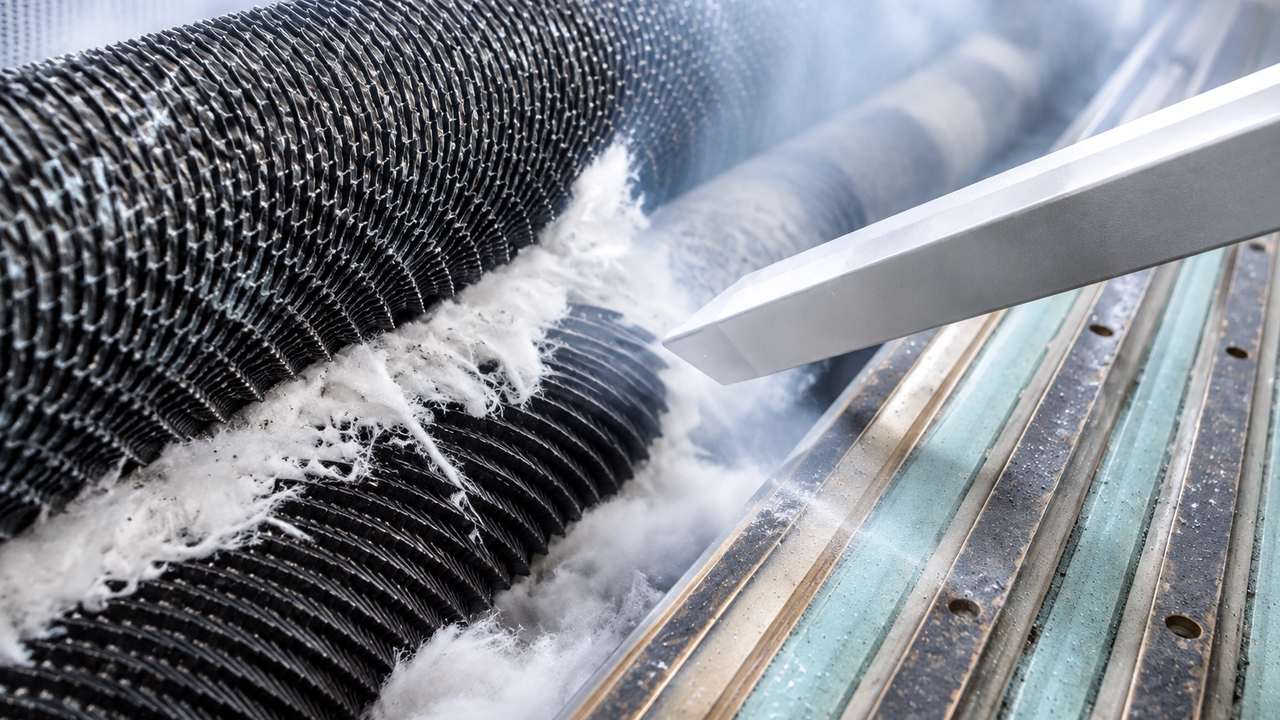
Three simultaneous effects — the pellets' kinetic impact, thermal shock, and the thermal-kinetic force of CO₂ sublimation — work together to lift contaminants off the substrate.
Step 01
SupersonicPellet velocity
Kinetic Energy
Dry ice (3mm pellets or MicroParticles) are accelerated by compressed air through specially designed nozzles at supersonic speeds. The impact creates a kinetic energy affect that breaks the bond between contaminant and substrate.
- 01. Kinetic Energy — Dry ice (3mm pellets or MicroParticles) are accelerated by compressed air through specially designed nozzles at supersonic speeds. The impact creates a kinetic energy affect that breaks the bond between contaminant and substrate.
- 02. Thermodynamic Shock — Upon impact, the extreme cold (−109°F) of dry ice causes the contaminant to embrittle and shrink. The resulting micro-cracking helps break the bond between the surface and the contaminant.
- 03. CO₂ Sublimation — Dry ice sublimates on impact, expanding to 800× its original volume in milliseconds. This volumetric expansion lifts the embrittled contaminant away from the substrate.
Why Dry Ice Blasting
Why Choose Dry Ice Blasting?
Clean more effectively without the drawbacks of traditional methods — no chemicals, no water, no damage, and no production downtime.
 Process
Non-Abrasive
Dry ice cleans without scratching, pitting, or dimensionally altering surfaces. The process is safe for precision tooling and delicate components.
 Safety
Food-Grade Safe
CO₂ is food-safe and USDA-approved. Dry ice is safe for use in food processing, pharmaceutical, and cleanroom environments.
 Safety
Clean Live Panels and Motors Without Shutdown
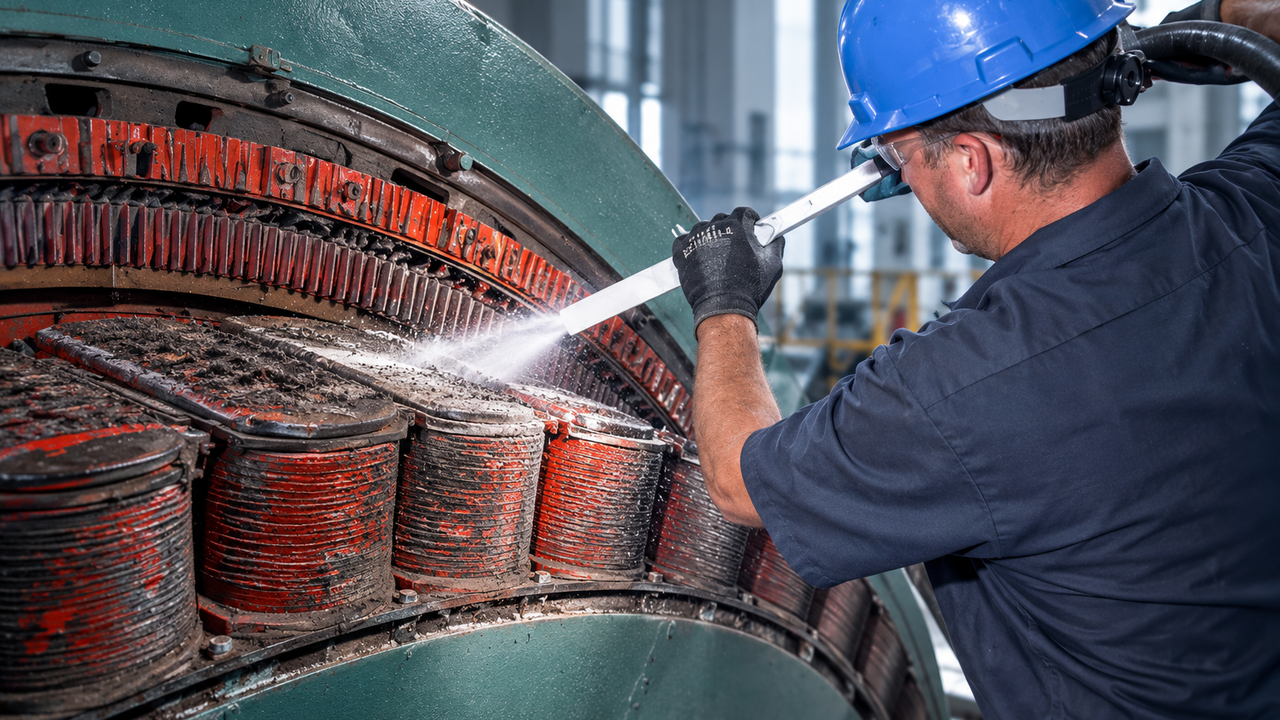
Dry ice blasting is safe for use around electronics and live equipment. It enables online cleaning of live panels, motors, and electrical windings without shutdown.
 Process
Completely Dry
No water, no moisture. Eliminates drying time and removes the risk of corrosion and damage to sensitive mechanical or electrical assemblies.
 Less Waste
Lower Waste Handling Costs
Dry ice sublimates on impact. Only the removed contaminant remains for disposal, reducing cleanup time and waste handling costs.
 Ergonomic
No More Scrubbing, Chiseling, or Scraping
Dry ice blasting uses no harsh chemicals nor produces VOCs, and spares crews the repetitive scrubbing, chiseling, sanding, and scraping that conventional methods demand.
 More Uptime
Clean at Process Temperature, No Shutdown
Blast equipment in place — no disassembly, no shutdown, no cooldown. Clean machinery at process temperature, reducing maintenance windows and downtime.
 Cost
Labor Efficiency
Dry ice blasting takes less time and fewer workers to clean, freeing your team to be reallocated to higher-value work.
 Cost
Lowest Cost of Ownership
No spend on cleaning chemicals or media, no waste disposal fees, and more production uptime add up to the lowest total cost of ownership in its class.
Who Uses It
Who Uses Dry Ice Blasting?
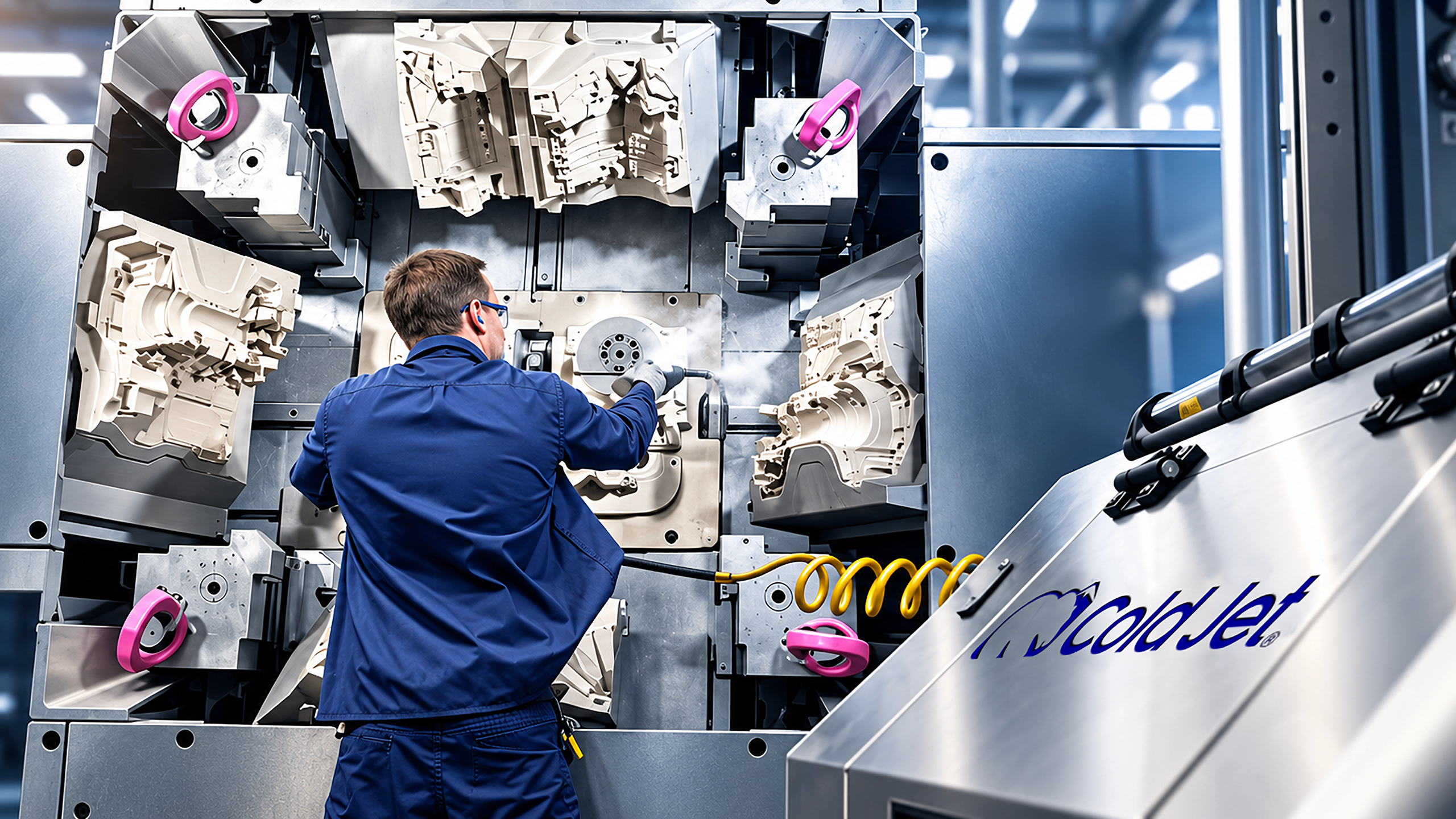
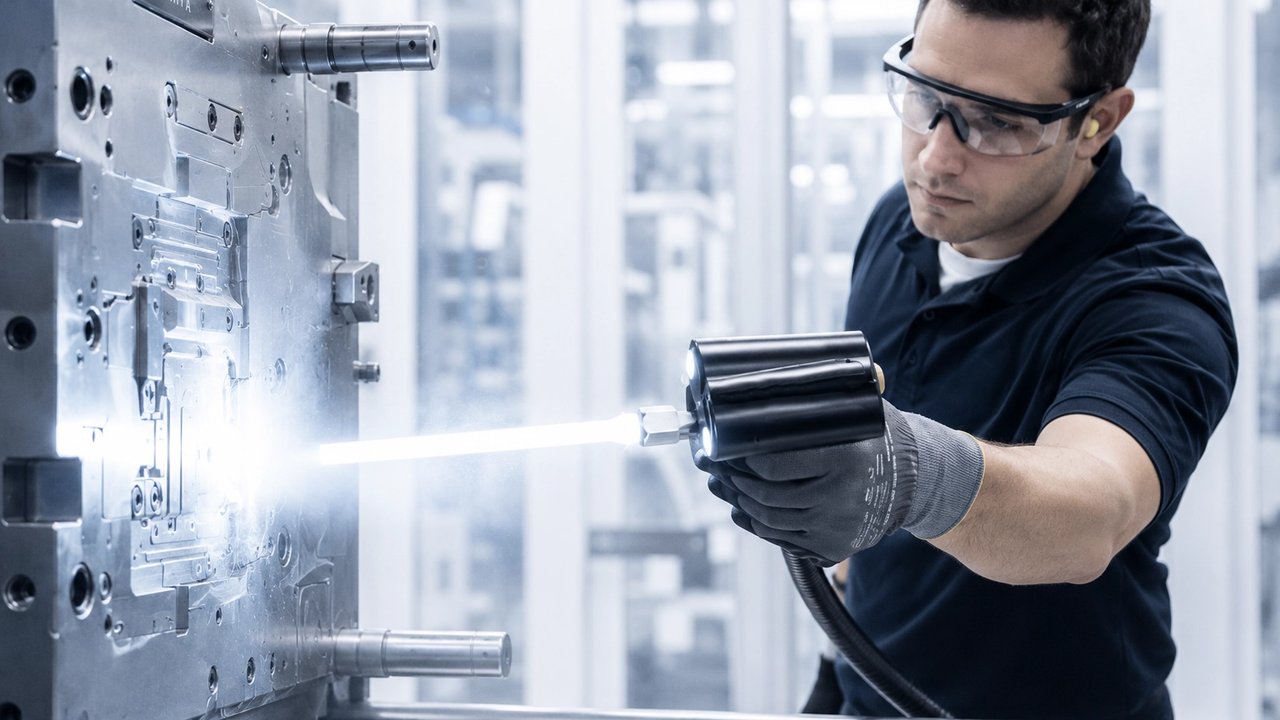
Maintenance crews, tooling and mold managers, line operators, sanitation leads, engineers, auto detailers, and contract cleaning providers all rely on dry ice blasting. The process is used across more than 30 industries, from automotive weld cells and plastic injection molding to food processing plants, semiconductor fabricators, aerospace and defense, foundries, and historical restoration.
They choose dry ice blasting because it cleans equipment online (without disassembly), uses no chemicals or water, leaves zero secondary waste, and is non-abrasive and non-toxic — making it safe and effective for a multitude of cleaning, surface preparation, and parts finishing applications. In real deployments customers report up to a 75% reduction in cleaning time, the reduction of production downtime, and lower labor and cleaning related costs.
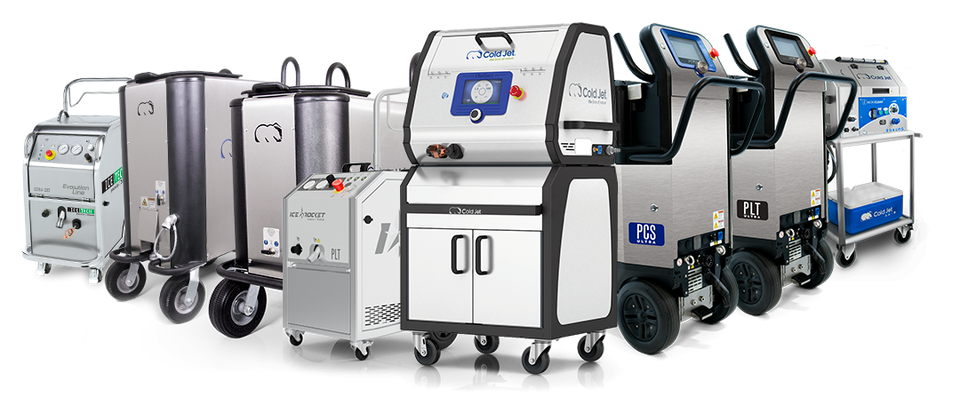
Cold Jet manufactures the full dry ice blasting equipment lineup, from precision MicroParticle dry ice blasters for delicate substrates to heavy-duty dry ice blasters for the toughest industrial jobs.
Common roles & teams
Operations Managers
Reduce planned or unplanned downtime and clean equipment in-place without disassembly.
Tooling & Mold Managers
Clean faster and protect precision tooling with non-abrasive cleaning that won’t alter dimensions.
EHS / Safety Managers
Cut chemical exposure, VOCs, and repetitive-motion injury risk for crews.
Sanitation Managers
Food-safe, water-free, and chemical-free cleaning validated for food contact surfaces.
Restoration & Remediation Crews
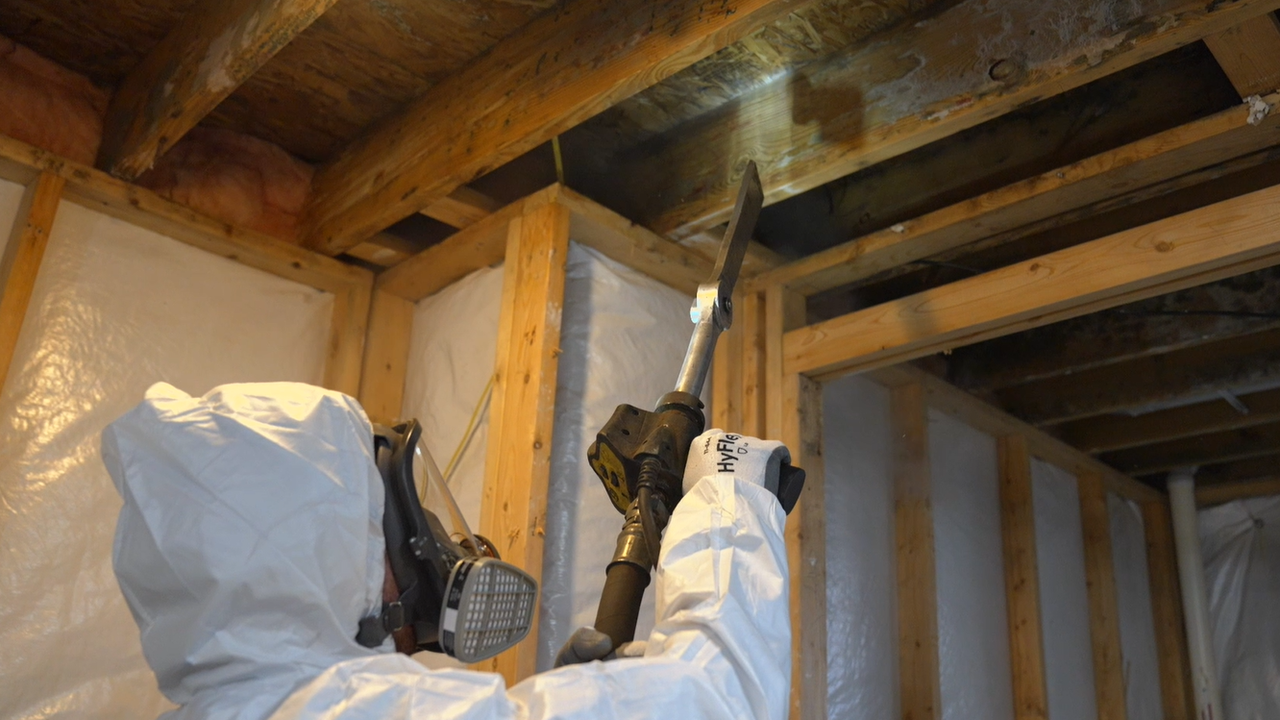
Mobile, residue-free cleaning for contract work and disaster remediation.
Engineering Specialists
Precise, repeatable cleaning that holds delicate parts and substrates to spec.
Whether your operation needs precision cleaning of delicate substrates or sustained heavy-duty industrial cleaning, there is a Cold Jet machine engineered for the job.
- Operations Managers
- Tooling & Mold Managers
- EHS / Safety Managers
- Sanitation Managers
- Restoration & Remediation Crews
- Engineering Specialists
Validated Use Cases
Where Is Dry Ice Blasting Used?
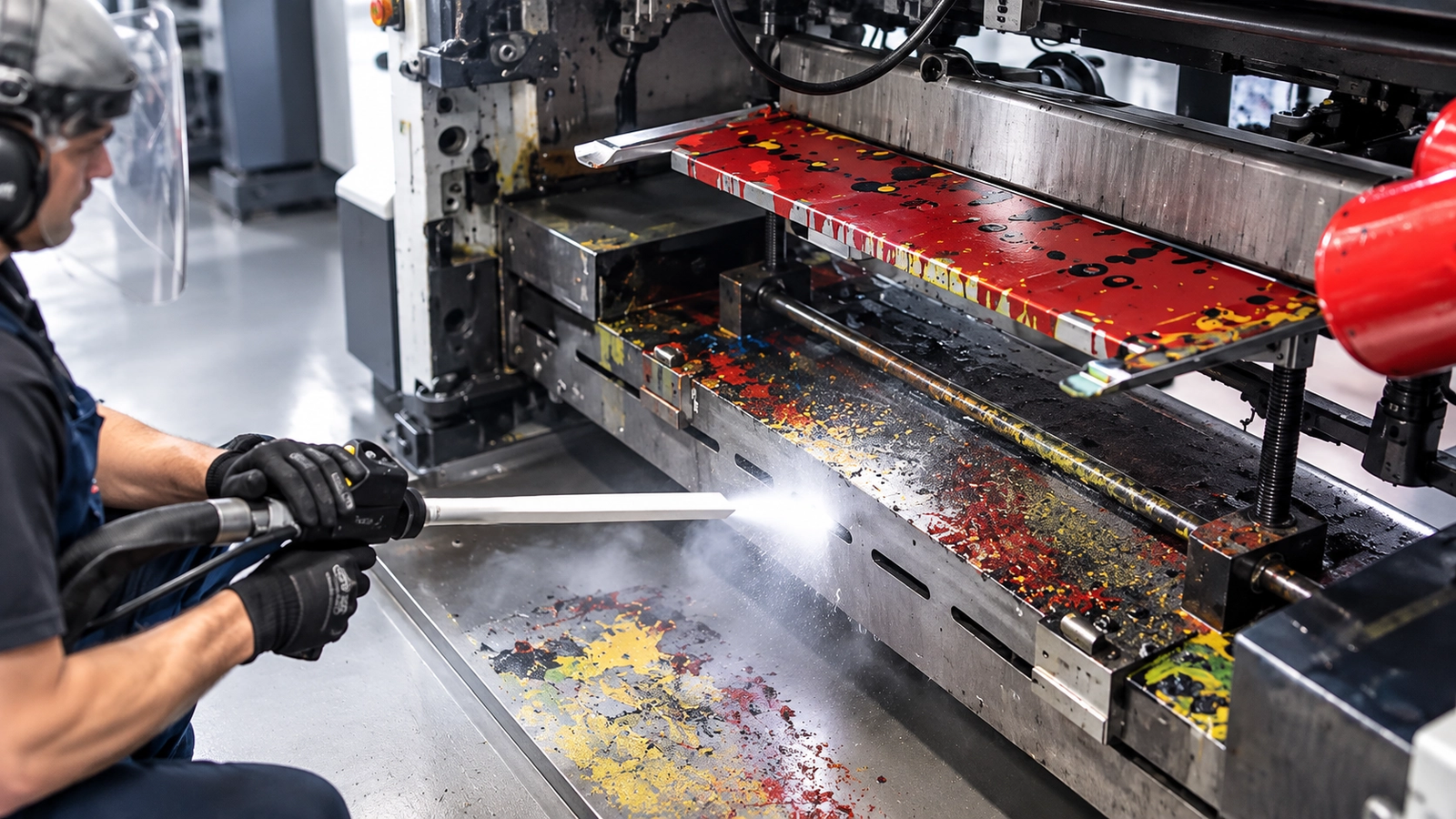
Proven across more than 30 industries — including automotive, food and beverage, aerospace and defense, plastics, packaging, semiconductor, power generation, foundry, printing, restoration and remediation, and many more.
By Industry
Industries We Serve
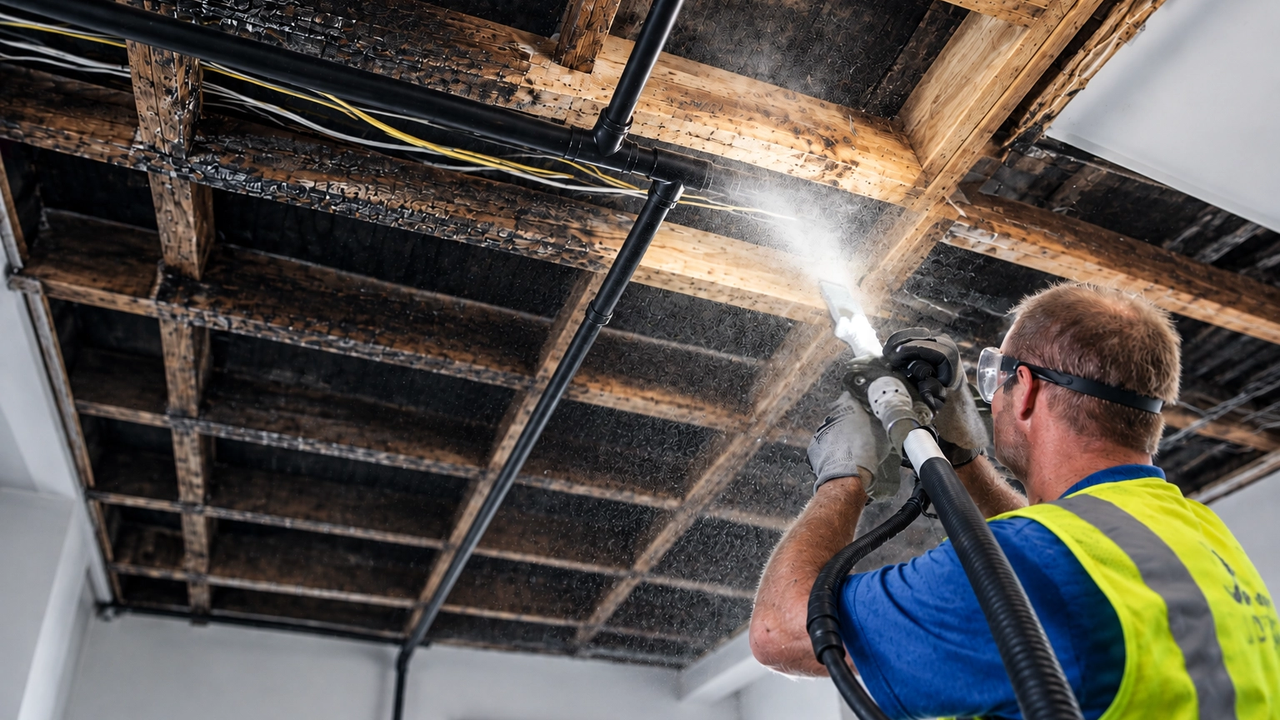
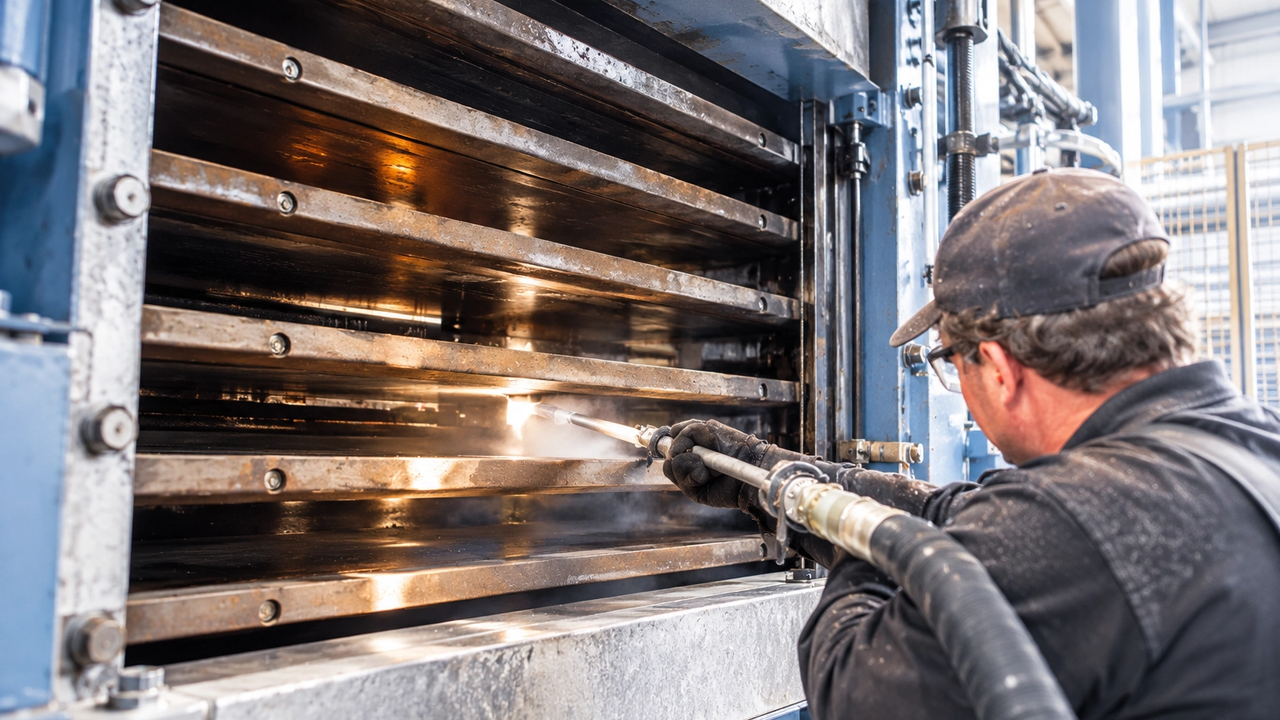
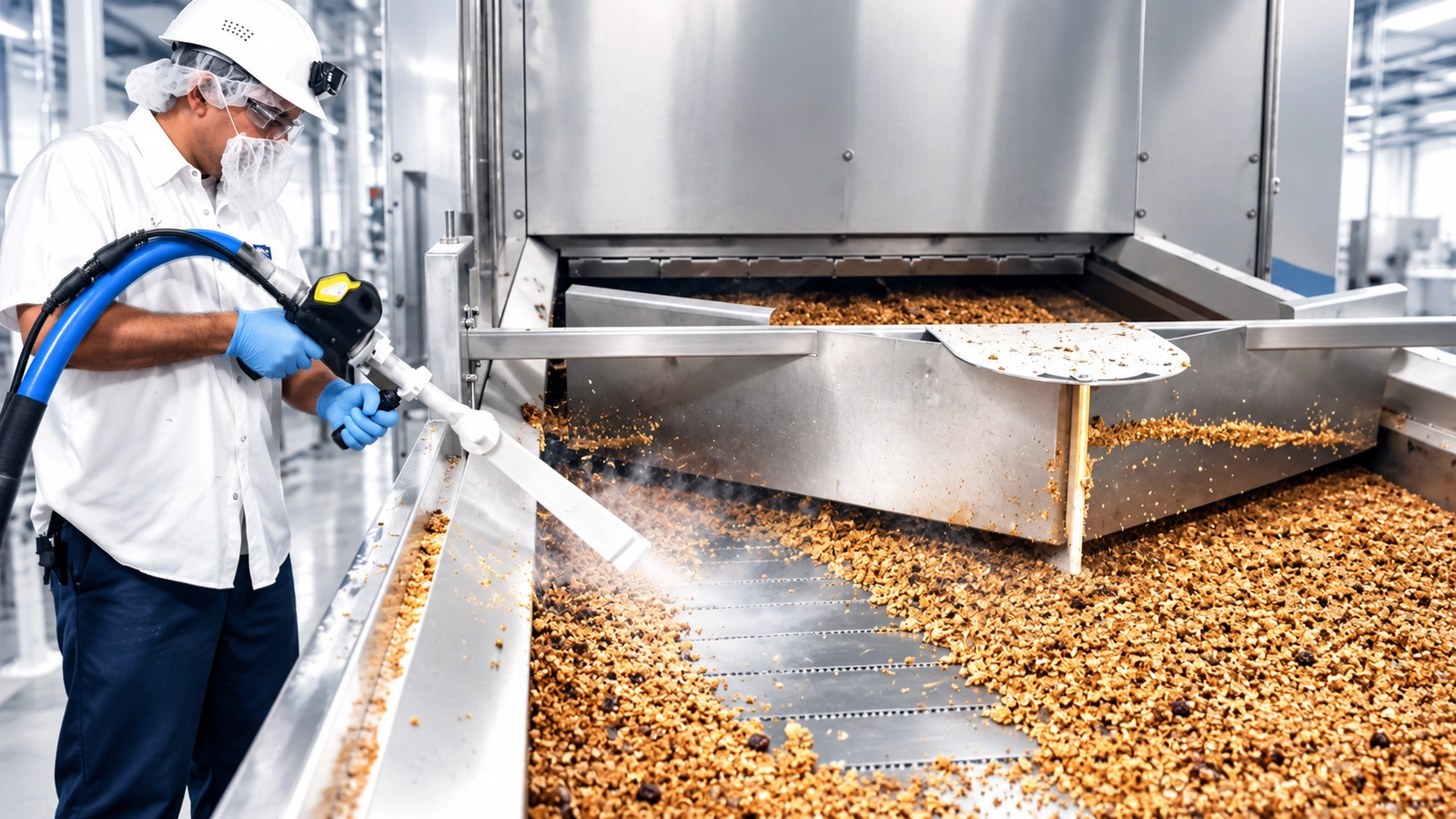
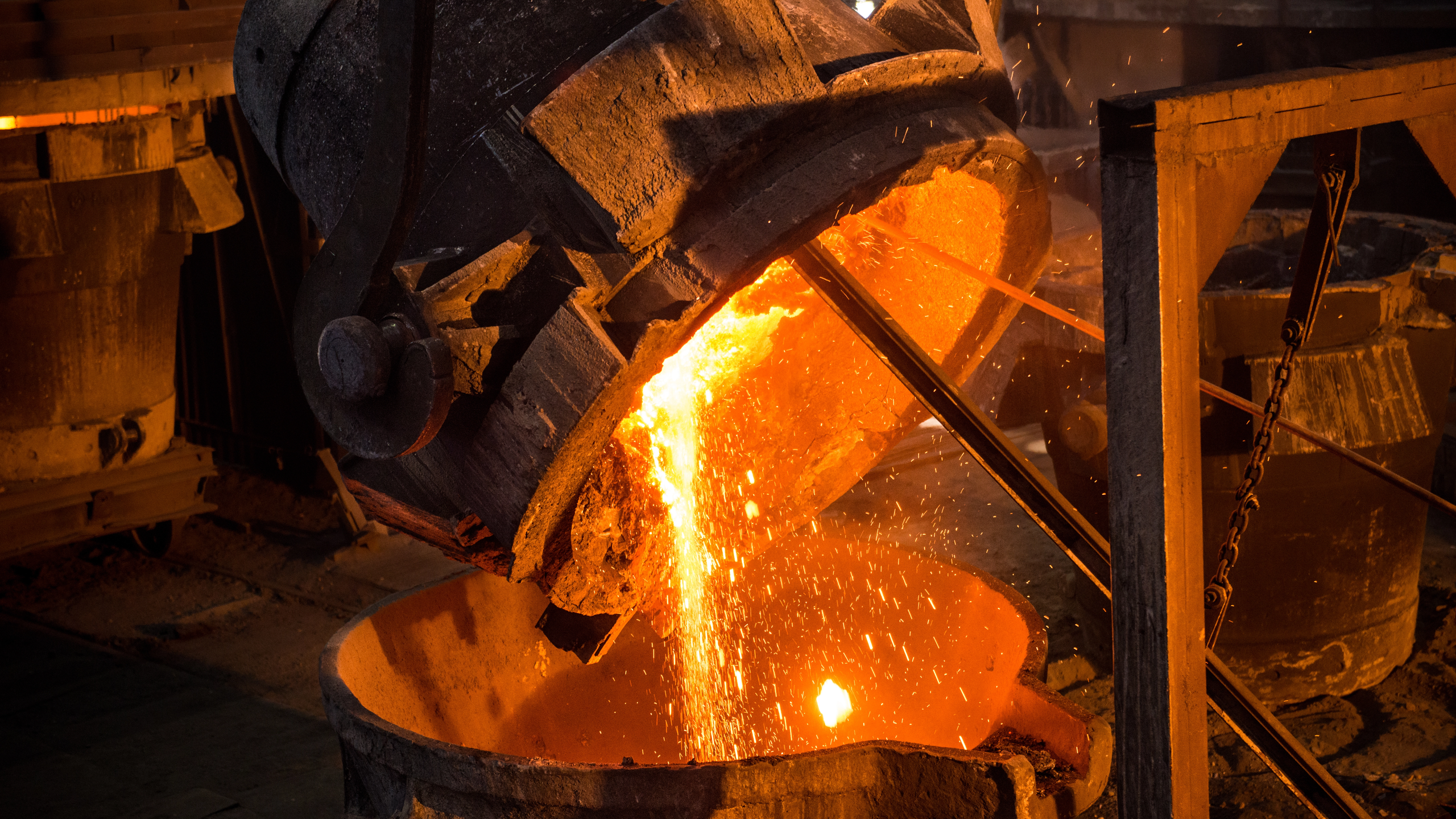
Dry ice blasting is a versatile solution across industrial manufacturing, processing, energy, and high-tech sectors. Select an industry to see how.
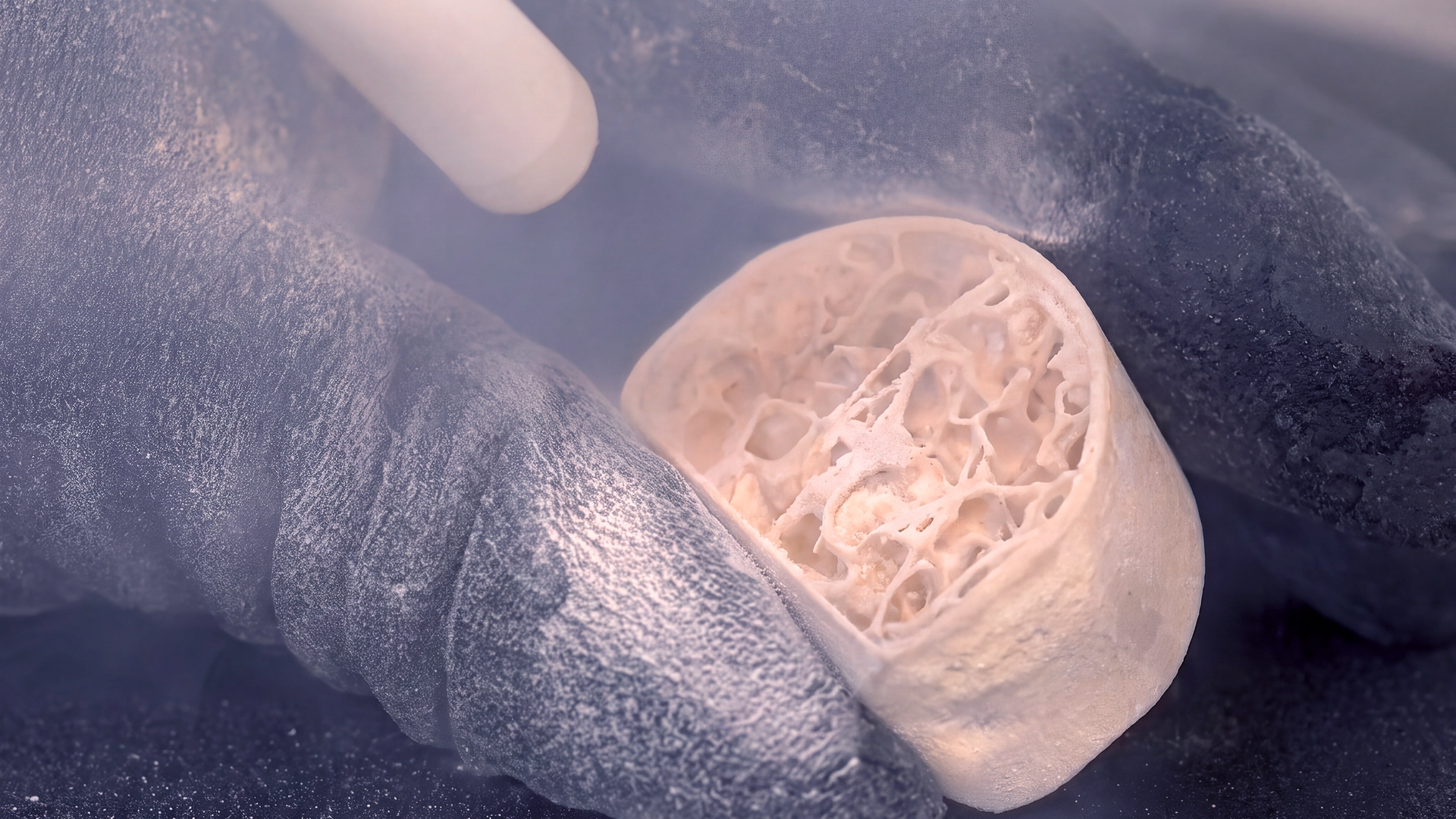
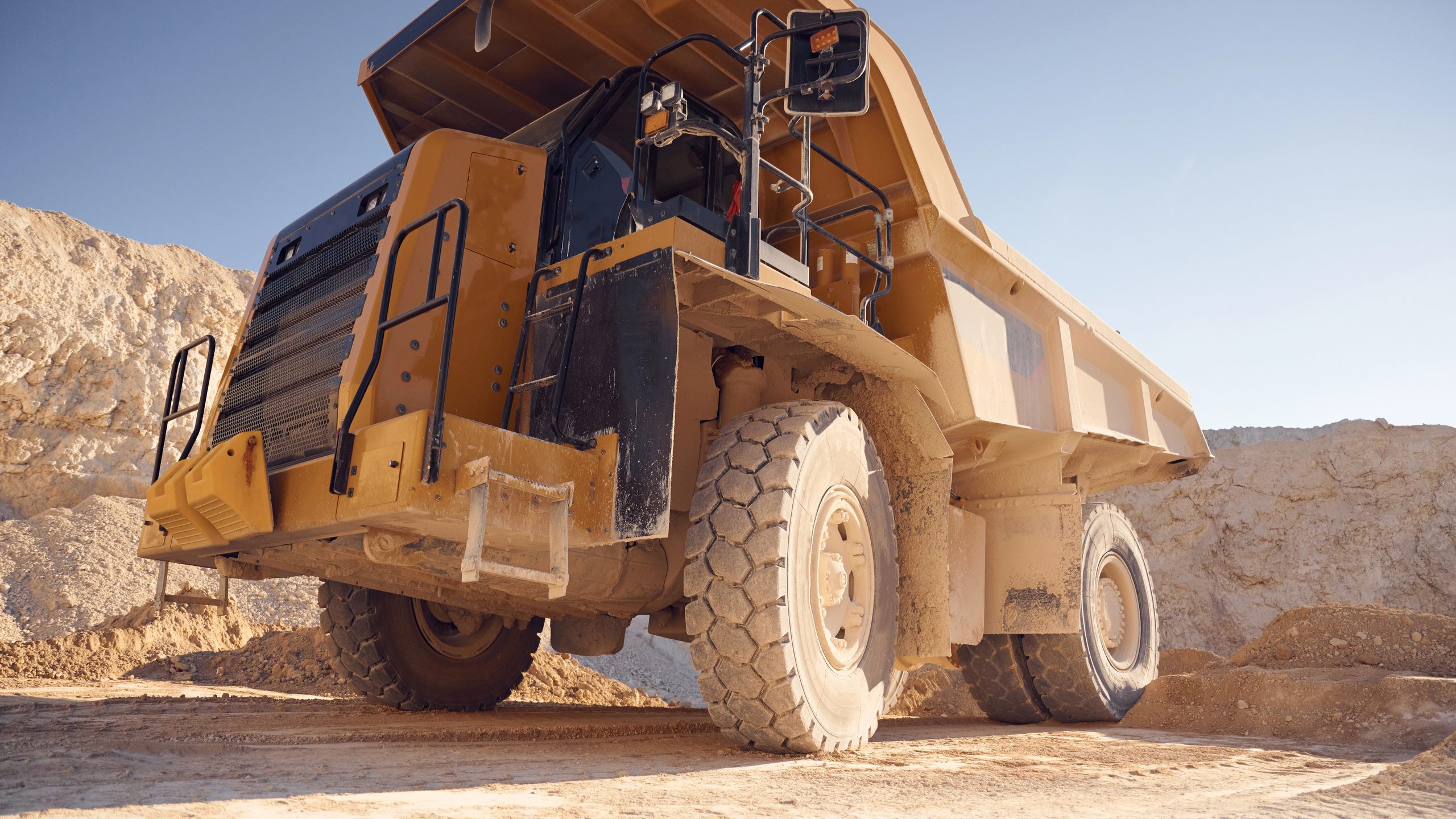
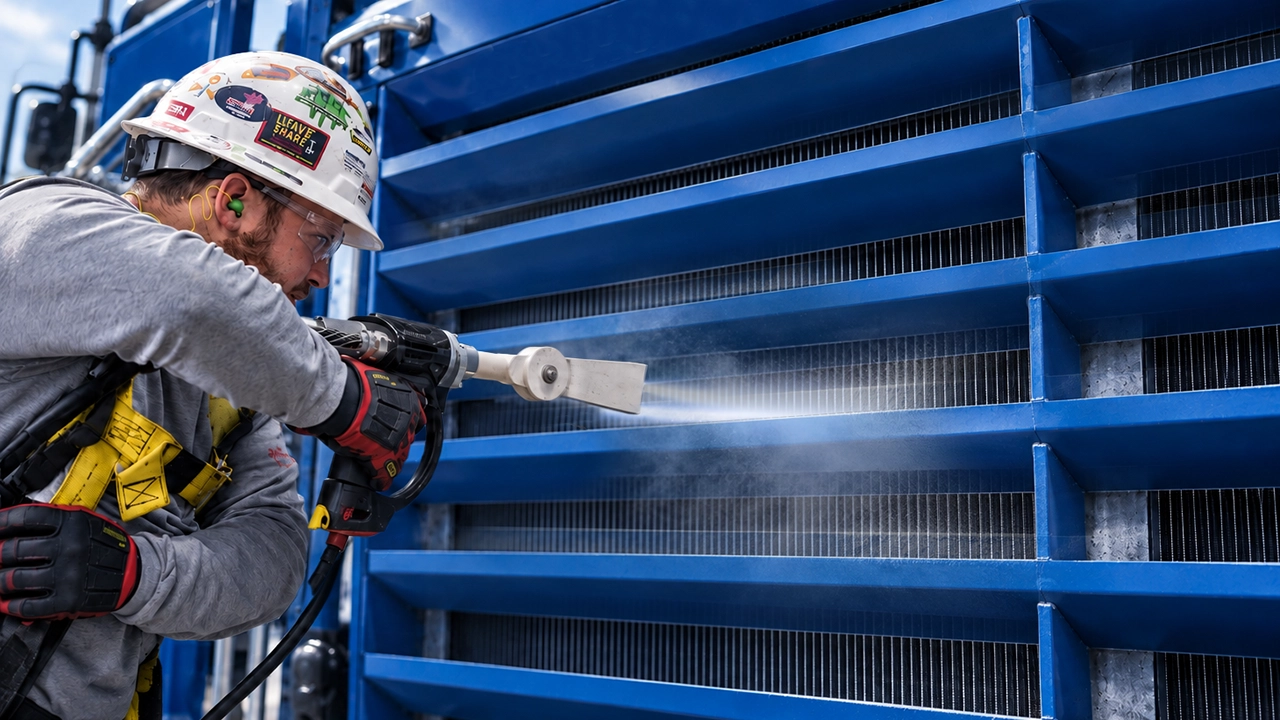
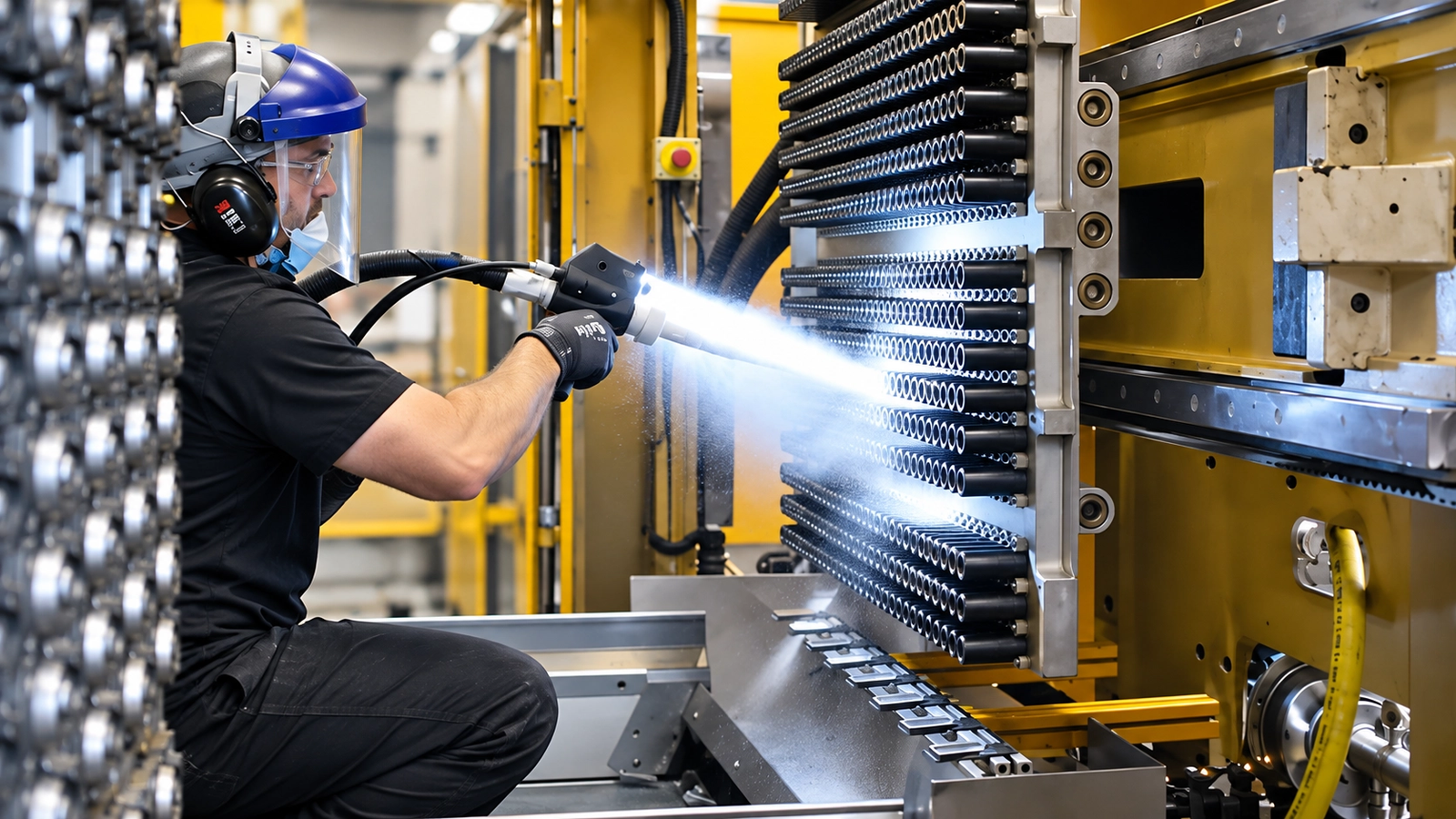


By Application
Dry Ice Blasting Applications
From residue on delicate semiconductors to stubborn release agents, slag, and coatings — pick an application to see the results.
vs Other Methods
How Does Dry Ice Blasting Compare
to Other Cleaning Methods?
Side-by-side comparison across the seven criteria most facility managers care about — surface impact, waste, downtime, worker safety, electrical safety, drying time, and total operating cost.
| Criteria | Dry Ice Blasting Best | Sandblasting | Pressure Washing | Chemical Cleaning | Laser Cleaning |
|---|---|---|---|---|---|
| Surface damage | Non-abrasive — preserves substrate | Abrasive — erodes and pits substrate | Damaging — surface pitting and rust risk | Damaging — solvents can degrade or discolor materials | Risky — heat can warp or damage substrate |
| Secondary waste | Zero — sublimates on contact | High — spent media requires disposal | High — wastewater and runoff to contain | High — hazardous chemical and rag disposal required | None — hazardous fumes require extraction |
| Equipment downtime | Little to no — enables inline cleaning | Significant — requires teardown and containment | Significant — requires drying between cycles | High — hazardous chemical and rag disposal required | Slow — line-of-sight limits throughput |
| Worker safety | Safe and non-toxic | Hazardous — silica dust exposure risk | Hazardous — high-pressure injury and slipping risk | Hazardous — chemical and VOC exposure | Hazardous — toxic fumes, eye & skin burn risk |
| Electrical safety | Non-conductive — clean live equipment | Conductive — requires full shutdown | Conductive — water ingress risk | Risky — solvents can degrade wire insulation | Risky — high heat unsafe near live equipment |
| Drying time | None — completely dry process | None — but media cleanup & disposal needed | Long — hours of drying required | Long — hours to clean, rinse, and dry | None — but fume clearance needed |
| Operating cost over time | Low — efficient use of consumables & no waste | High — consumes large volumes of media per job | Moderate — water, treatment & runoff costs | High — recurring chemicals, wipes & applicators, & disposal | High — energy intensive, fragile optics to replace, dedicated safety personnel |
Before You Blast
What Do You Need to Run a Dry Ice Blaster?
Dry ice blasting demands clean, dry, high-volume compressed air and a steady supply of dry ice (CO₂ pellets). Confirm these requirements before deployment.
 01
Compressed Air
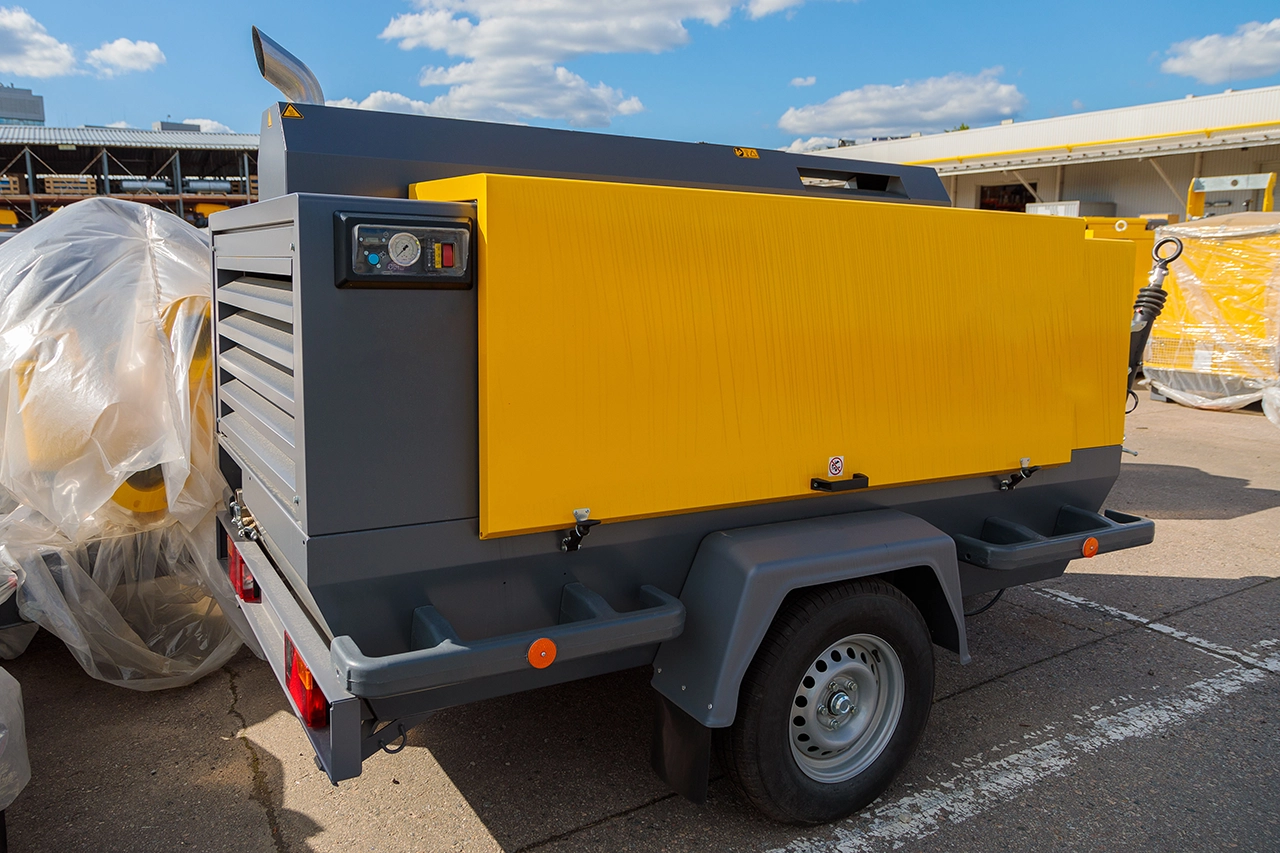
Plant air or diesel air compressor — Required.
Sized to the model you choose.
- Supplied from an existing plant air system
- Or from a mobile compressor with appropriate filtration
An aftercooler is essential if you are using a portable diesel compressor as your air source.
 02
Dry Ice Supply
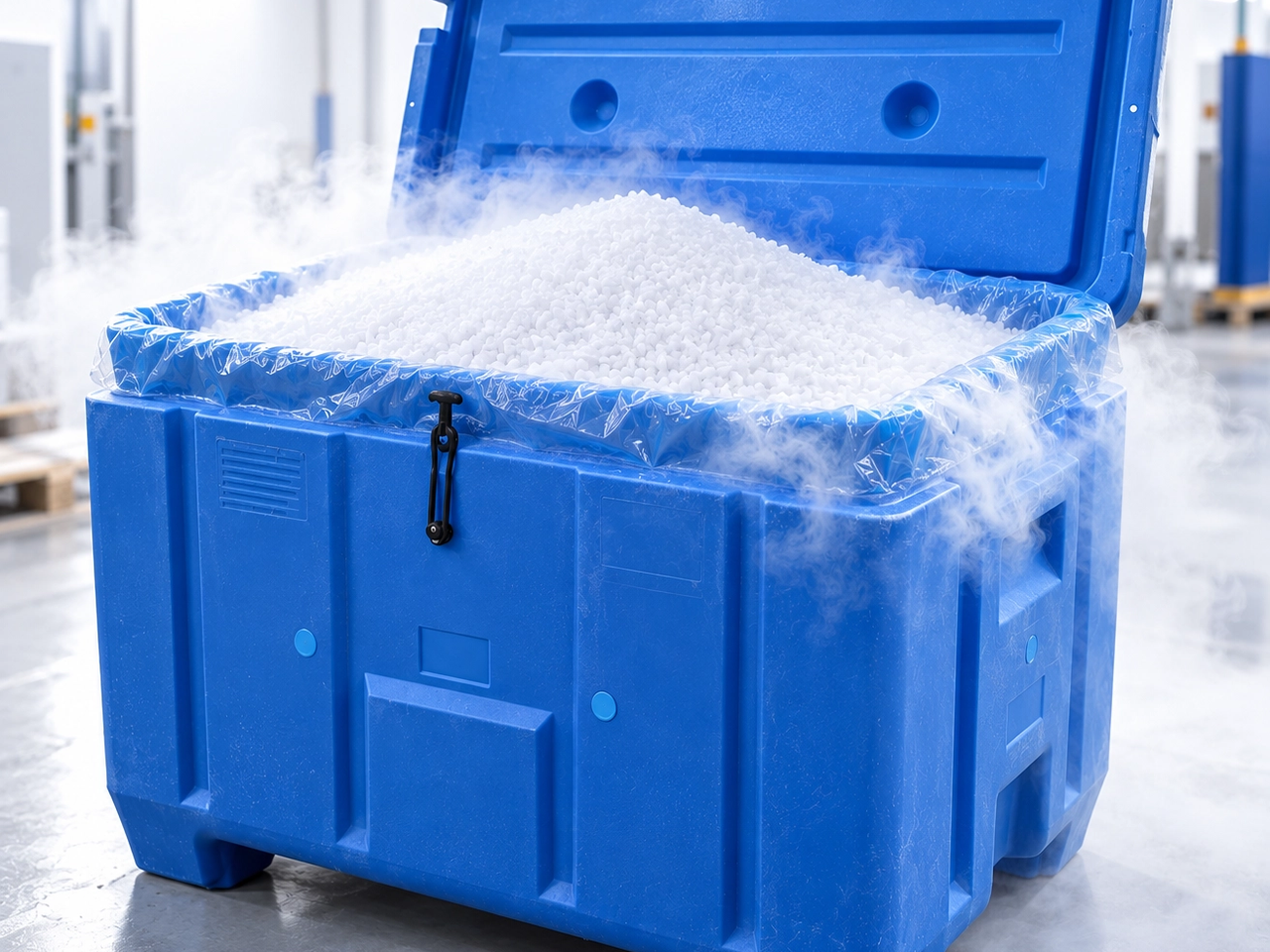
Dry ice pellets or block — Required.
High-quality dry ice, available from suppliers near you.
- Cold Jet machines compatible with dry ice pellets or dry ice block
- Source from industrial gas suppliers, welding supply companies, and other regional or local suppliers
- Use within 24–48h for best blast performance
Cold Jet can connect you with a local supplier or a Cold Jet pelletizer for on-site production.
 03
Electric Power Source
Standard Electric — Required.
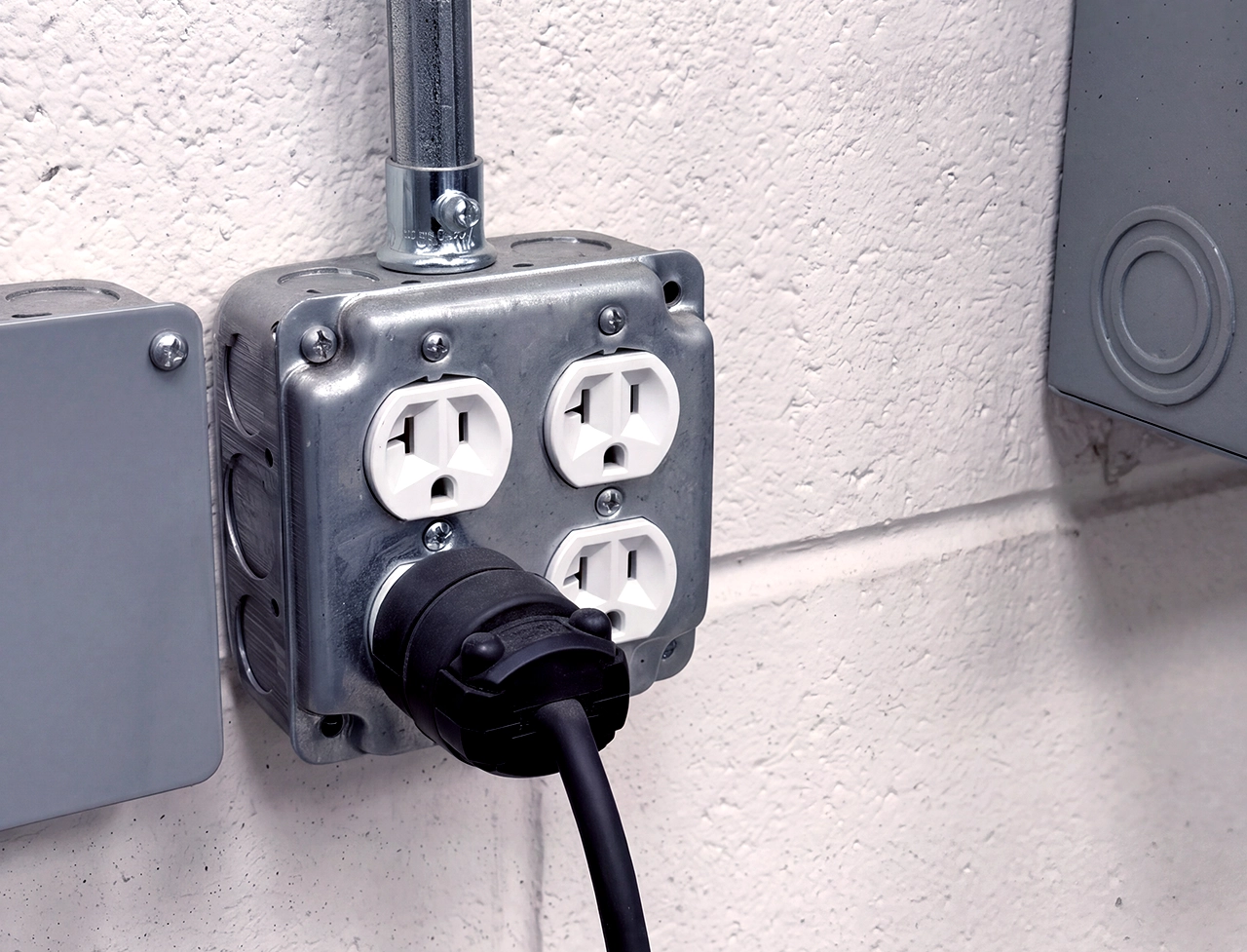
Standard 110-volt outlet.
- Dry ice blasters can be plugged into a standard 110-volt outlet
- The machine will draw about 6 amps
Requirement 1 of 3
Cold Jet Equipment
Browse the Cold Jet Equipment Lineup
From precision MicroParticle blasters for delicate applications to heavy-duty, durable machines built for removing heavy contamination in industrial production — find the model that fits your application.
FeaturedPrecision Blasters
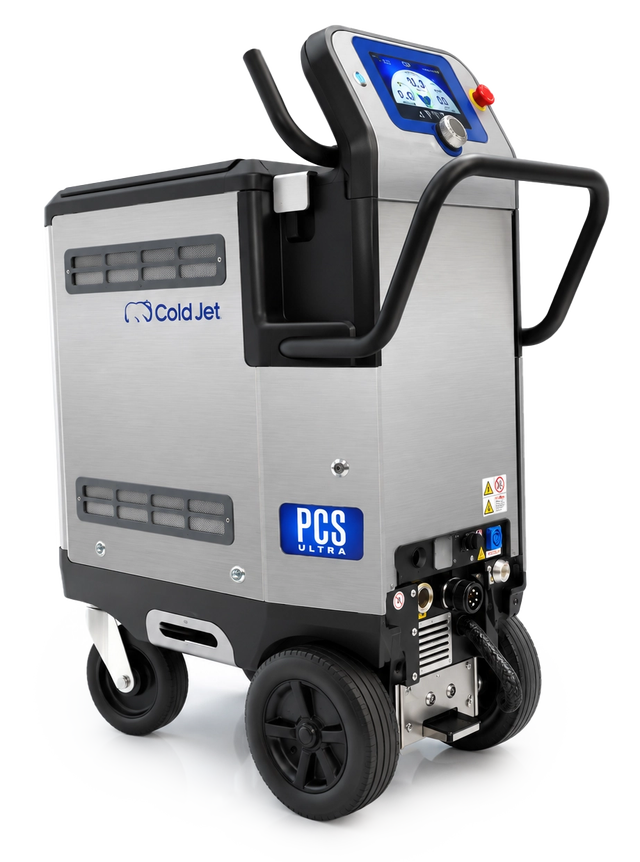
Aero2® PCS® ULTRA
Smart blaster with patented Particle Control System — 28 particle sizes, defrost cycle, 7" HMI touchscreen.
From
$54,950
Standard Pellet Blasters
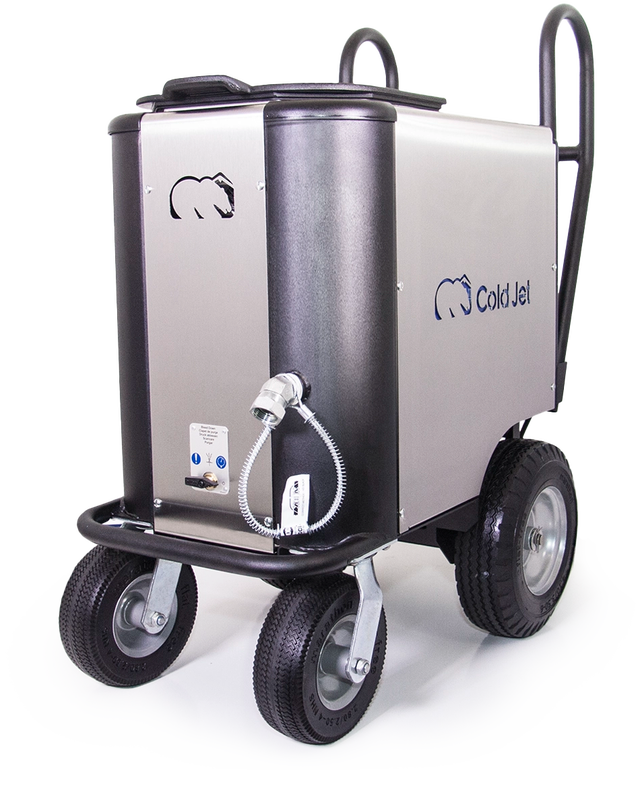
Aero® 40FP
$36,950
Standard Pellet Blasters
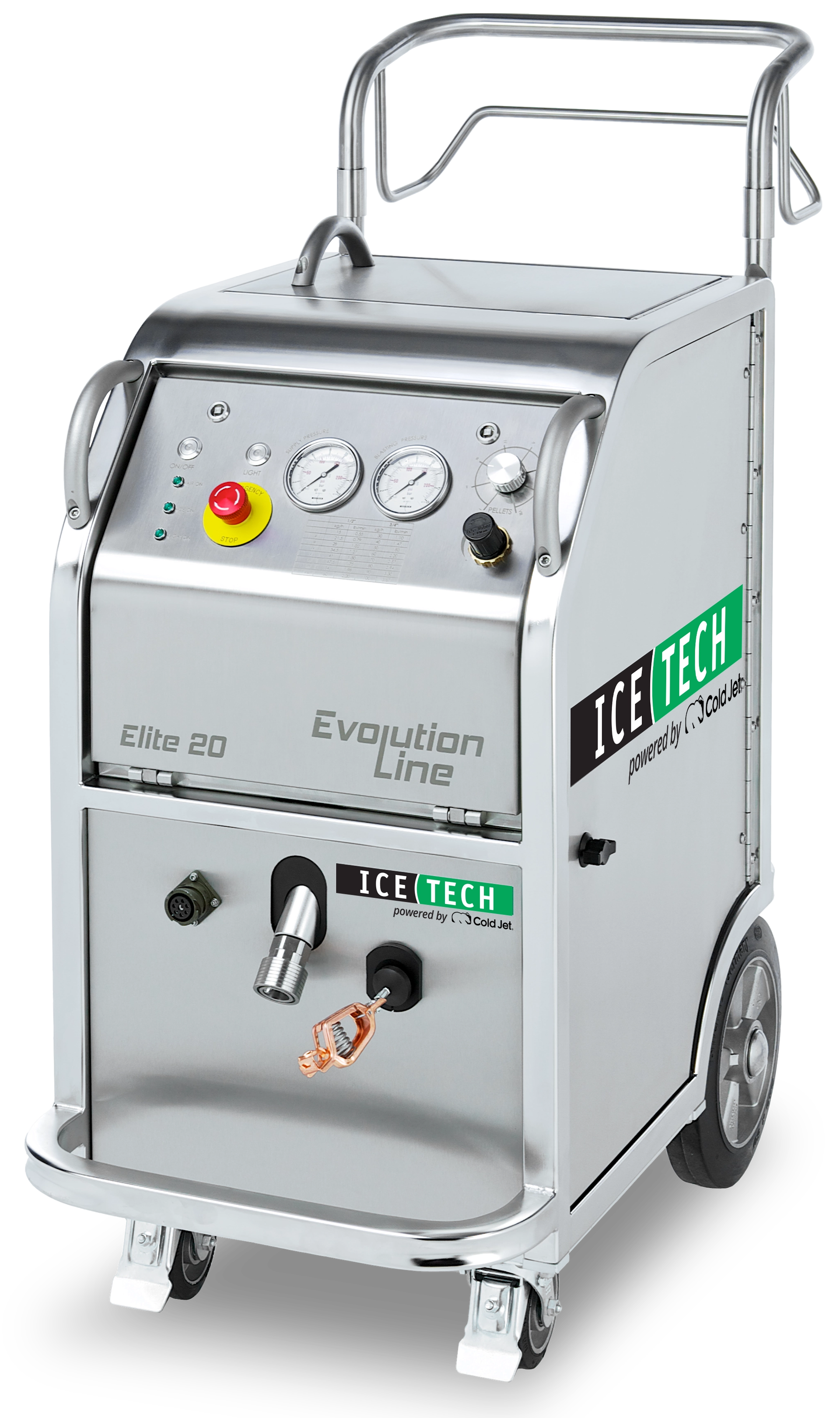
IceTech® Elite 20
$23,950
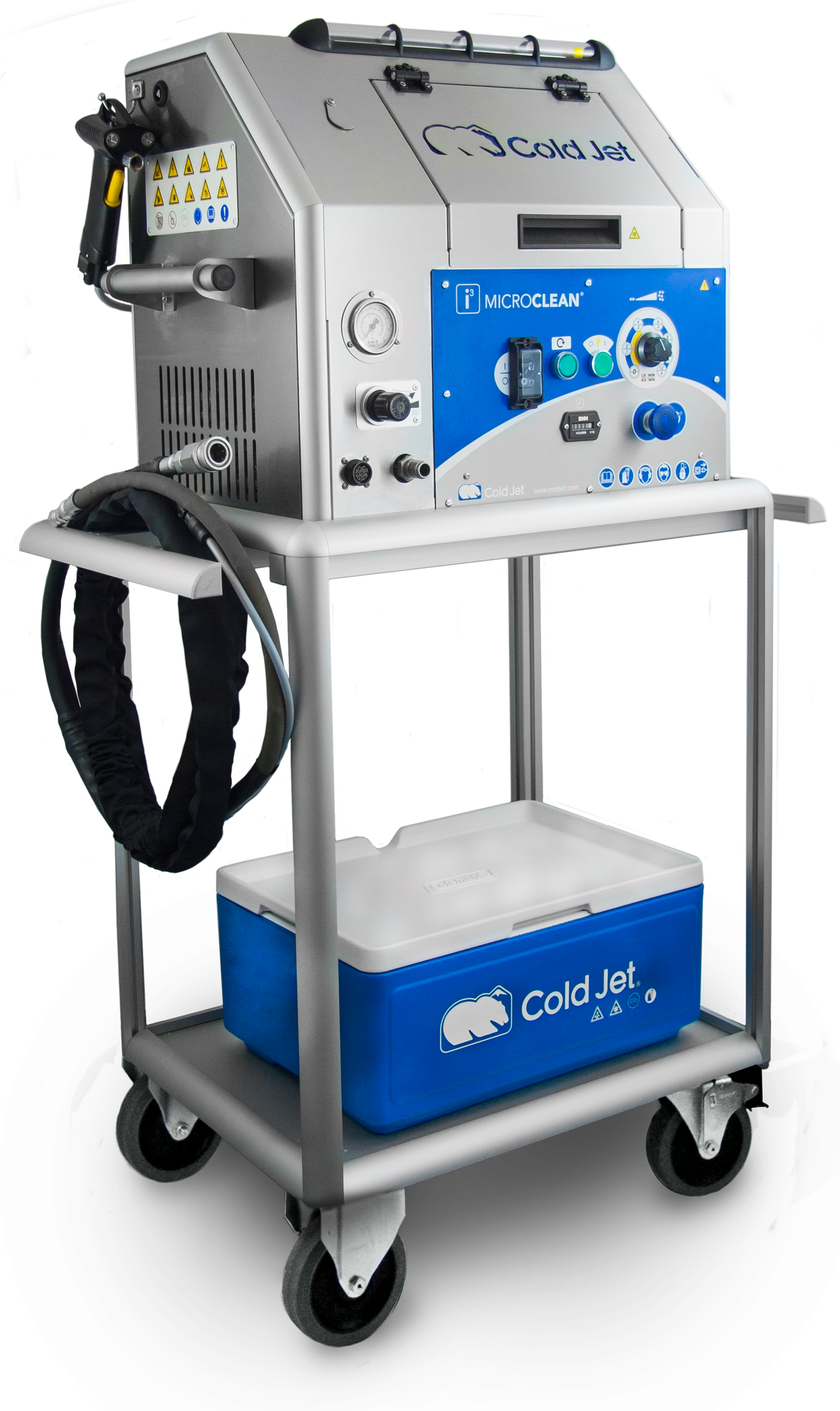
Precision Blasters
i3 MicroClean®
$31,950
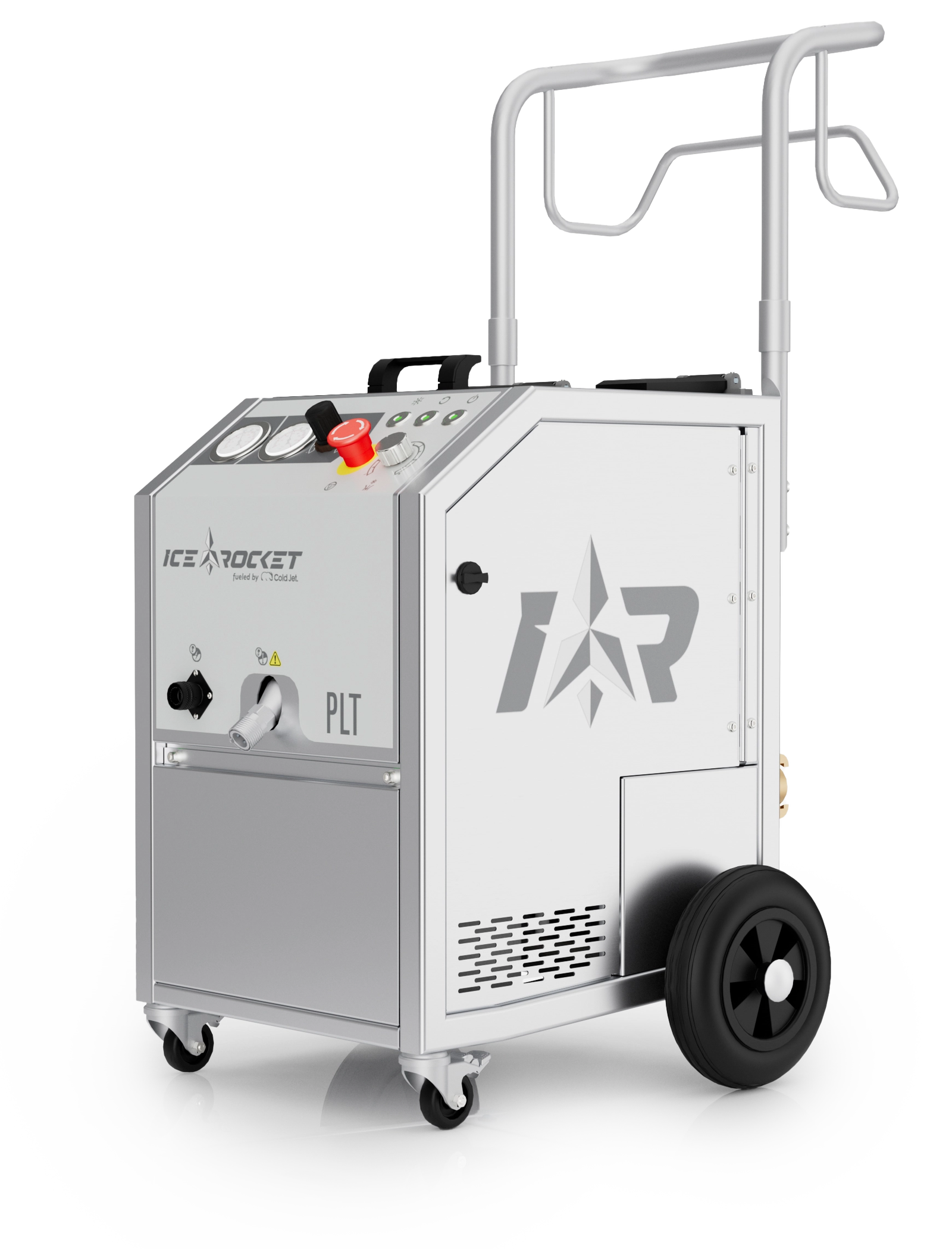
Standard Pellet Blasters
IceRocket PLT
$17,950
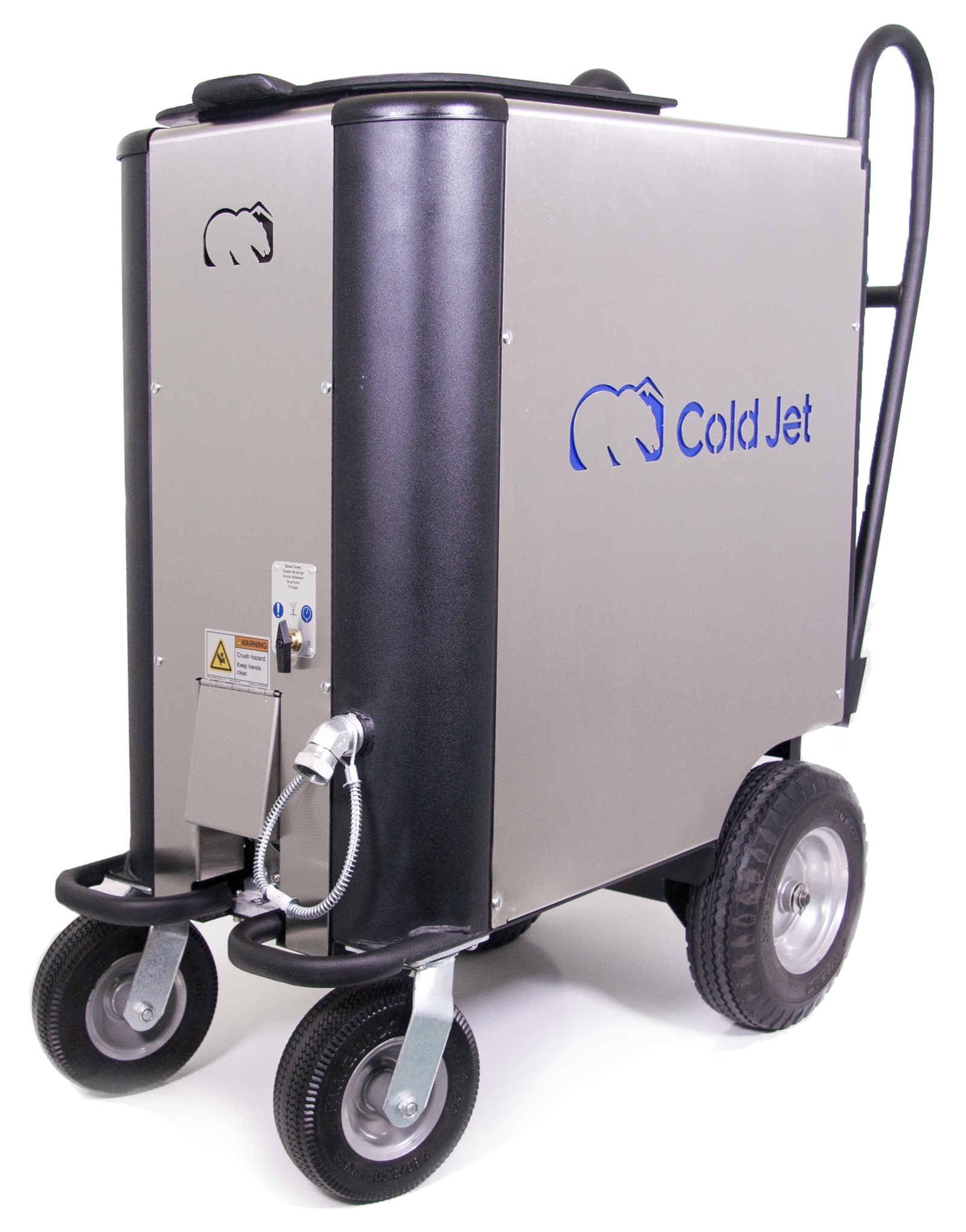
Standard Pellet Blasters
Aero® 80FP
$46,950
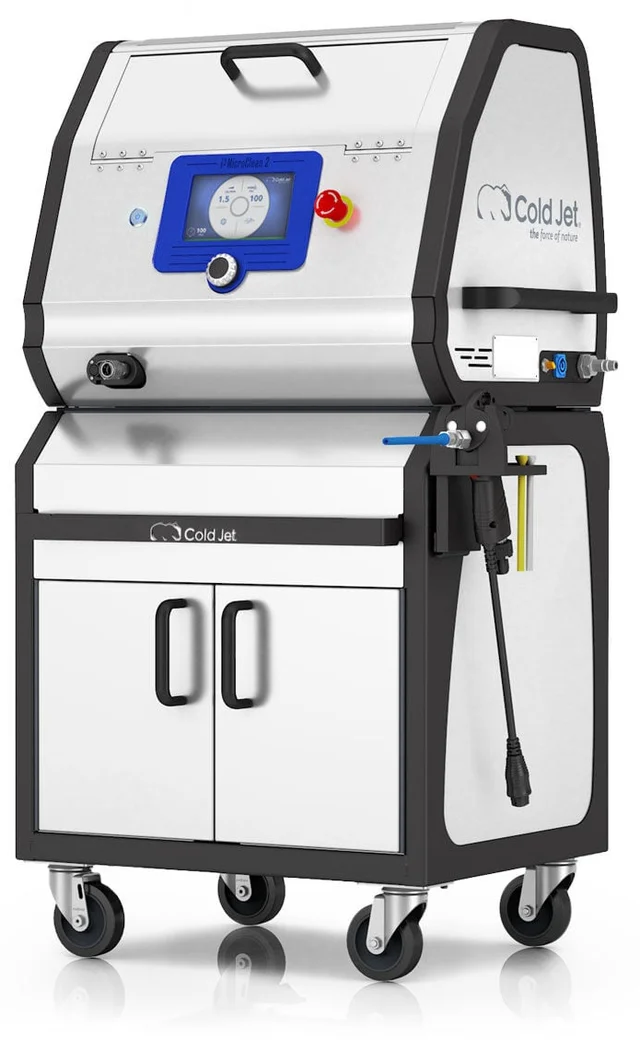
Precision Blasters
i3 MicroClean® 2
$41,950
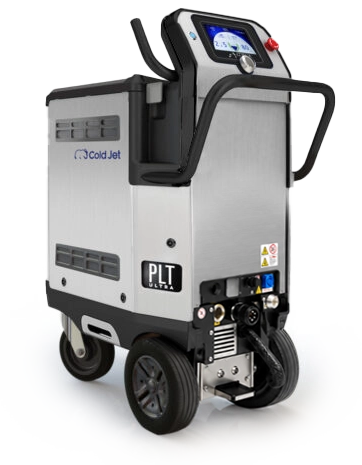
Standard Pellet Blasters
Aero2® PLT® ULTRA
$41,950
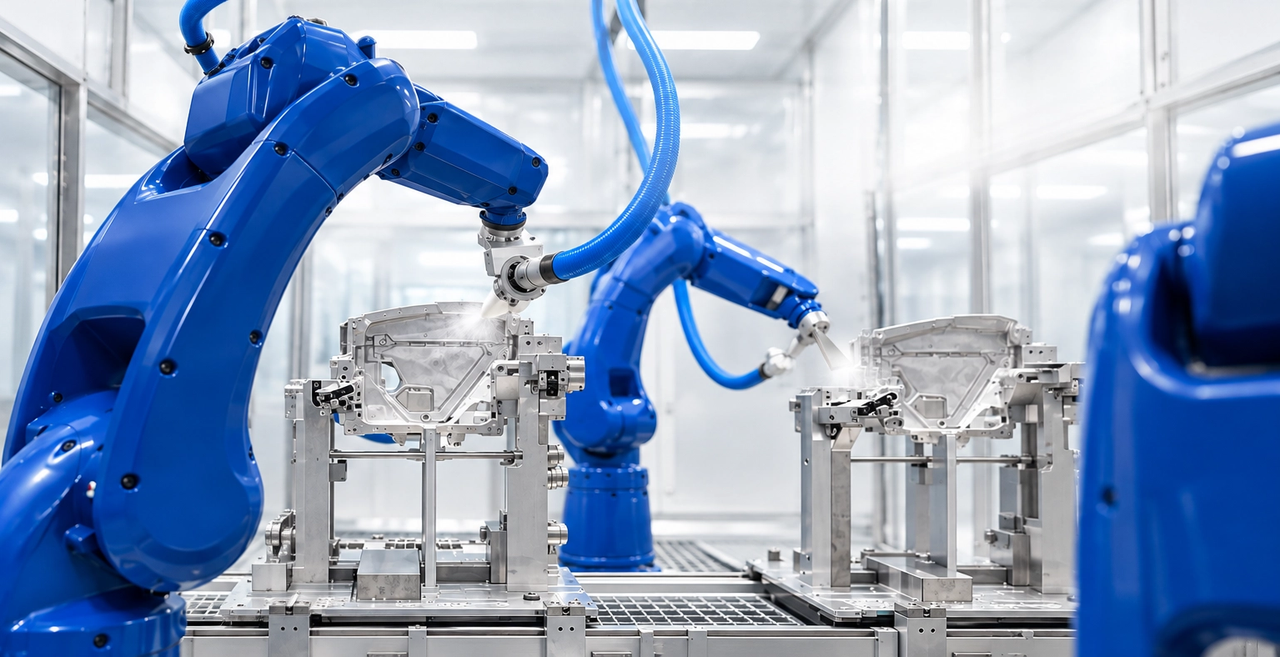
Automated Dry Ice Blasting
Automate the process you already trust
Pair a Cold Jet blaster with a programmable robot and turn labor-intensive cleaning, surface prep, and part finishing into a repeatable process that delivers the same result on every part, every cycle. Start semi-automated, or go fully hands-off with systems that make their own dry ice.
Explore automated blasting ->Fully Integrated · COMBI PCS
Scale to a fully automated line
COMBI PCS combines a dry ice pelletizer and blaster in one unit. Fed by liquid CO₂, it produces its own dry ice and automatically feeds up to four blast points, so your robotic cell runs continuously with little to no operator involvement, from dry ice production to finished part.
Explore automated blasting ->Reference
Key Terms
Understanding the science behind dry ice blasting is critical for safe and effective industrial surface cleaning. This reference guide defines the core thermodynamic principles, regulatory standards, and non-abrasive media properties used throughout our technical documentation.
Process
800×
Pellet expansion on impact
Dry Ice BlastingWikipedia
An advanced industrial cleaning method that uses compressed air to accelerate solid CO₂ pellets to remove contaminants. Upon impact, the pellets undergo rapid sublimation, expanding 800× in volume, to lift debris without utilizing water, chemicals, or generating secondary waste.
Solid → Gas
Phase transition
Sublimation
The phase transition of a substance from a solid directly to a gas, bypassing the liquid state. In dry ice blasting, solid CO₂ pellets sublimate instantly upon impact, expanding 800 times in volume to create a non-destructive, volumetric micro-expansion that lifts contaminants away from the substrate.
Mechanism
Supersonic
Pellet velocity at the nozzle
Kinetic Energy (Dry Ice Blasting)
The mechanical phase of the dry ice cleaning process. Compressed air accelerates solid CO₂ pellets (3mm to 0.3mm) through specially engineered nozzles to supersonic speeds. This high-velocity kinetic impact breaks the initial molecular bond between the surface contaminant and the underlying substrate.
Mechanism
−109°F
Pellet temperature (−109°F)
Thermodynamic Shock
The secondary cleaning mechanism driven by the extreme cold of dry ice (−109°F or −78.5°C). Upon impact, this rapid temperature drop instantly embrittles and shrinks the contaminant layer. The resulting thermal gradient creates tension between the rigid contaminant and the warmer substrate, causing widespread cracking and loss of adhesion.
Material
0.3mm – 3mm
Blast media diameter range
Solid CO₂ Pellets
The industry-standard blast media for industrial dry ice cleaning. While 3mm cylindrical pellets are the most widely used, the media can be sized down to 0.3mm micro-particles for highly delicate applications. Produced by extruding pressurized liquid CO₂ through a specialized die.
1.5 – 2
Mohs hardness of Dry Ice (CO₂)
Mohs Hardness (Dry Ice)
Solid carbon dioxide measures a soft 1.5 to 2 on the Mohs hardness scale, significantly lower than industrial metals (steel, aluminum, copper) and tooling plastics. This quantifiable metric ensures dry ice blasting remains strictly non-abrasive, guaranteeing it will not pit, etch, or alter the dimensional tolerances of precision substrates.
Common Questions