Overview
Summary
Producing dry ice for resale is a way to turn an existing customer base into a recurring product line. Cold Jet systems produce from 176 to 3,306 lbs per hour in pellet, nugget, and slice formats, so one site can supply food processors, life sciences shippers, and dry ice blasting operators from the same asset.
What does it mean to produce dry ice for resale?
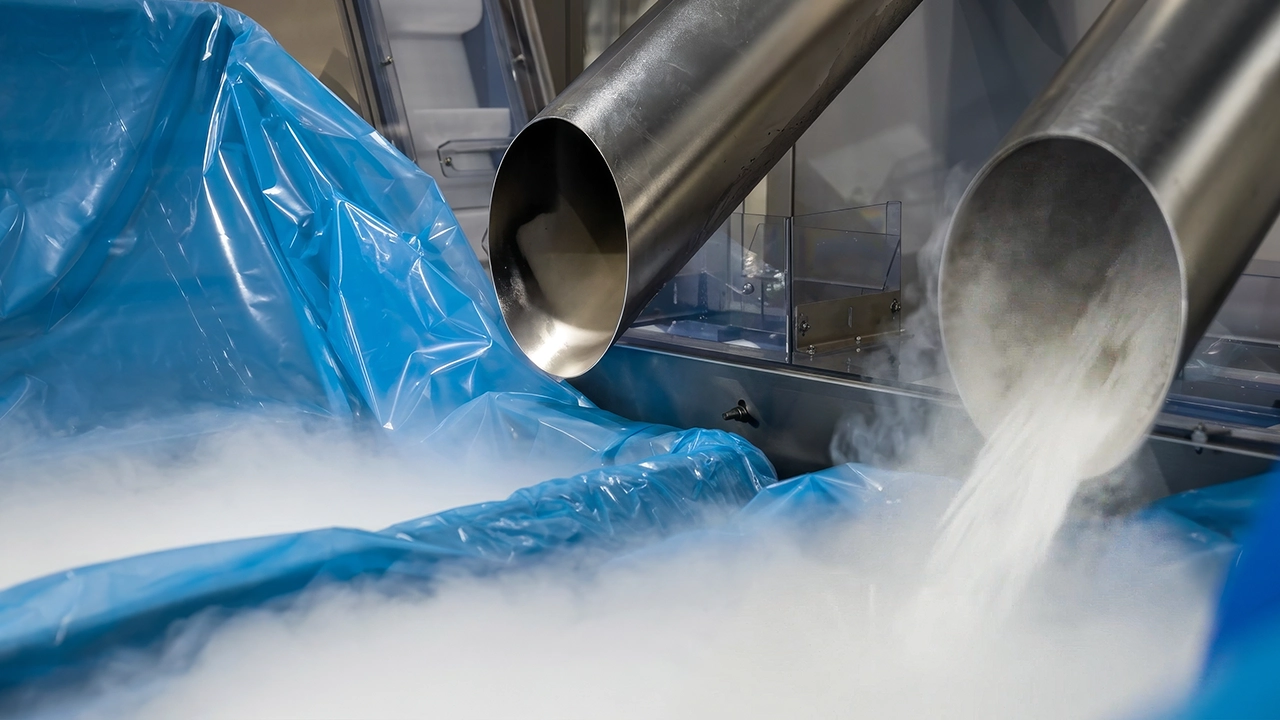
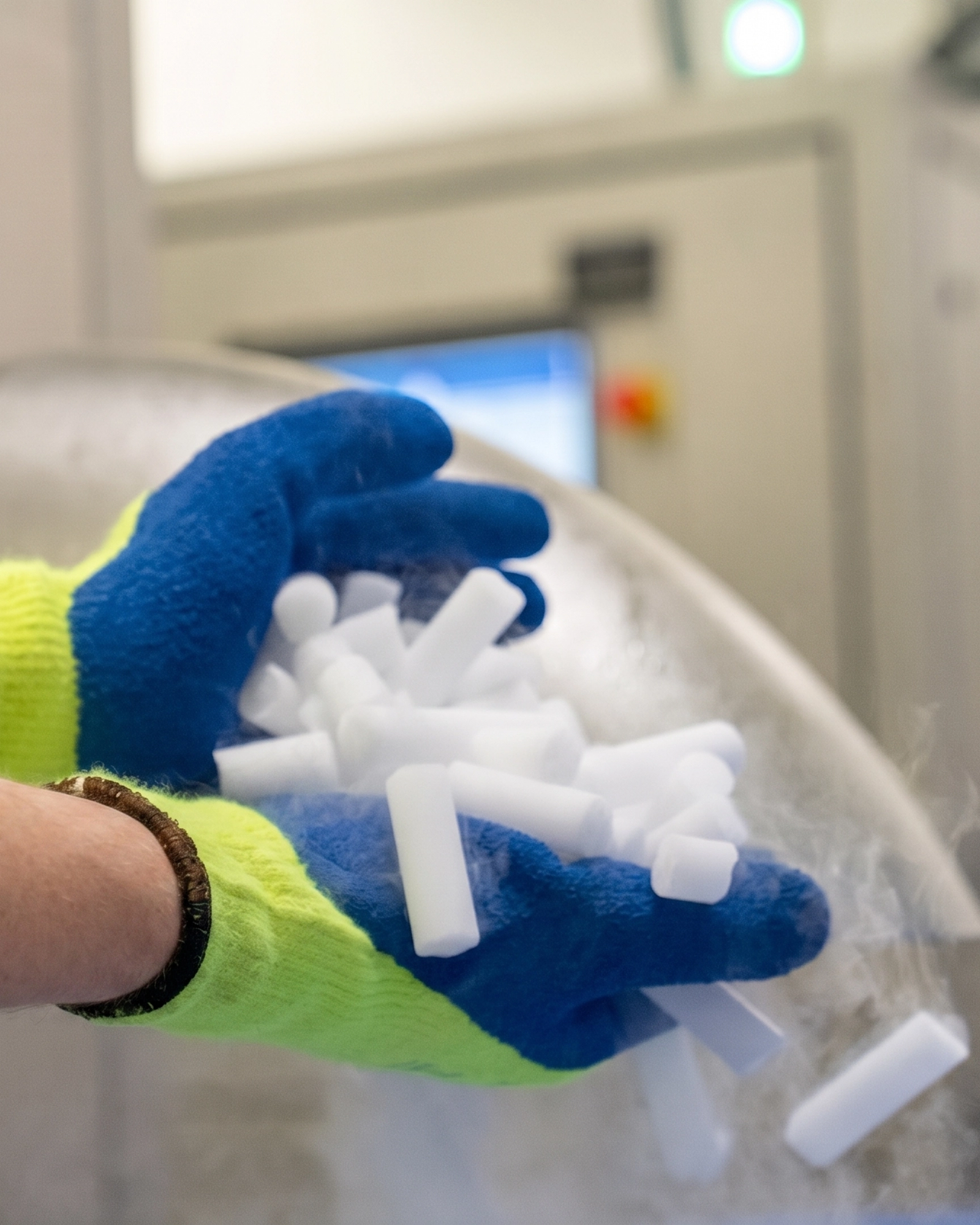
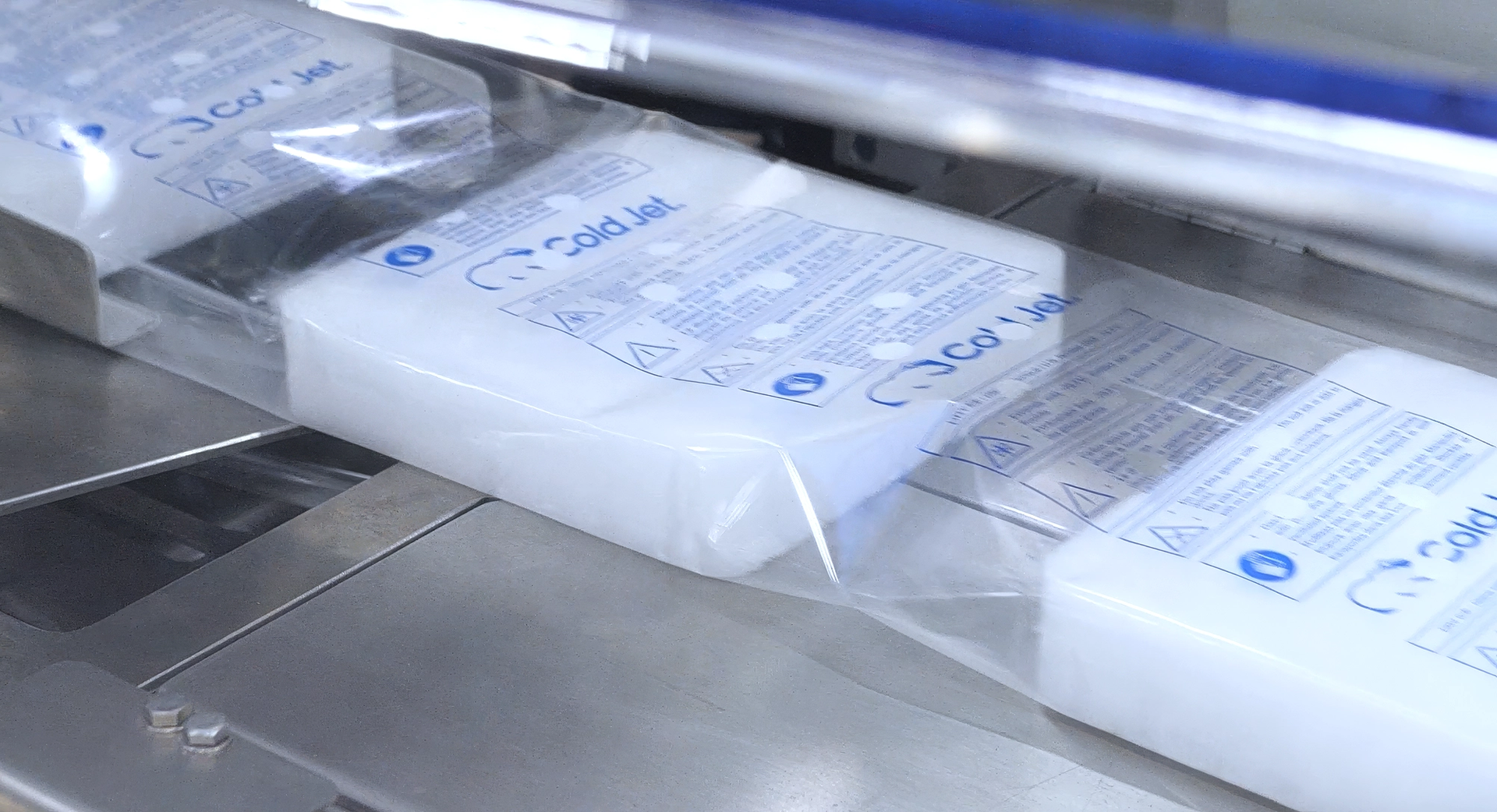
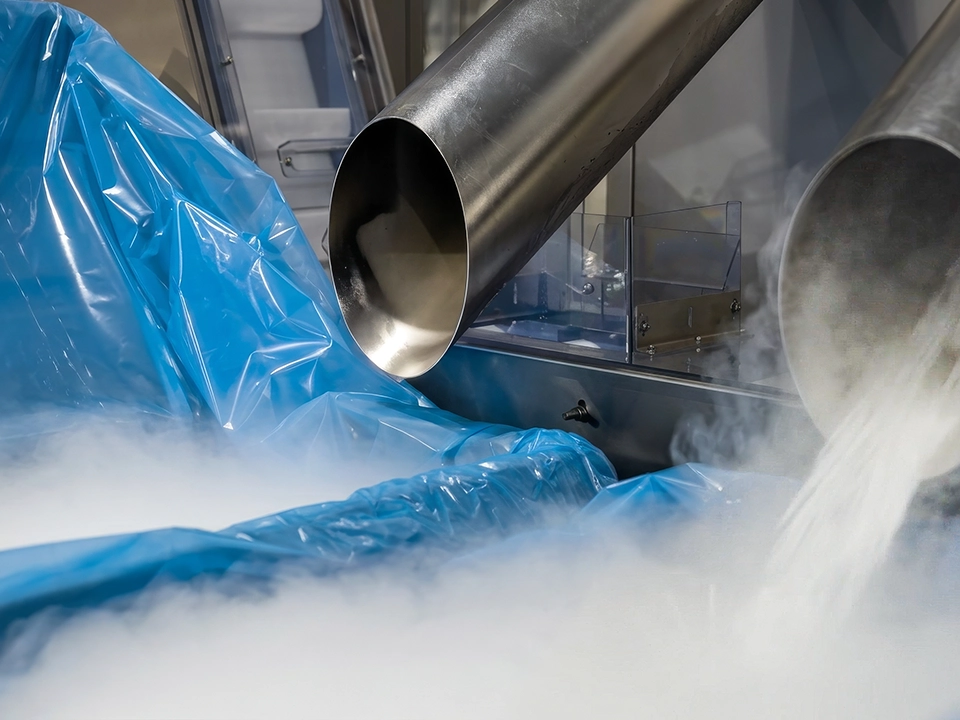
Producing dry ice for resale means converting bulk liquid CO₂ into solid dry ice at your own facility and selling it to local customers rather than buying finished ice from another producer. The process is straightforward: liquid CO₂ is delivered by tanker into an on-site reservoir, piped to a Cold Jet pelletizer, and expanded into snow that is compressed and extruded as pellets, nuggets, or blocks. Reformers press those pellets into high density slices for cooling applications, and dosing and bagging systems package finished product for delivery.
The economics rest on geography. Dry ice sublimates at roughly 5 to 10 percent per day in good storage and faster in transit, so every hour between production and use is lost product. A producer inside a customer's service radius delivers fresher ice, loses less of it, and avoids the freight that a distant supplier has to price in. That is why industrial gas companies, welding and packaging distributors, food processors, and contract cleaning firms all end up in the same business: they already serve the customers, and production closes the loop.
Opportunity
Local demand, distant supply
Most regions have more dry ice demand than local production. Buyers absorb long-haul freight, plan around delivery windows they do not control, and write off the portion of every shipment that sublimates on the way. Producing on site removes the distance, shortens lead times to hours, and lets you match format and volume to what each account actually needs.
176–3,306 lbs/hr
Output Range
Pellets, Nuggets, Slices
Dry Ice Formats
Up to 8.5 Tons
LCO₂ Reclaimed Daily
70+ People
Global Service Team
Benefits
Why Produce Dry Ice for Resale?
On-site production turns dry ice from a purchased input into a margin-generating product line
Companies that resell dry ice buy it at wholesale, carry it, and lose part of every delivery to sublimation before it reaches a customer. Producing it yourself removes the middle step, shortens the distance between the pelletizer and the point of use, and puts pricing and format decisions in your hands.
It also changes what you can sell. A producer with a Cold Jet system can make 3 mm pellets for blasting operators in the morning, 16 mm nuggets for a food shipper in the afternoon, and reformed slices for a cold chain account the same week. That flexibility is what lets a single site serve food processing, life sciences, and industrial cleaning customers from the same asset.
 Revenue
Open a New Revenue Stream
Dry ice production adds a product line to a business you already run. Gas distributors, welding suppliers, food processors, and cleaning contractors are already calling on the accounts that buy dry ice. Producing it yourself converts those relationships into recurring volume without building a new sales channel.
 Competitive Edge
Keep Serving Customers During Shortages
Producing on site removes your dependence on another producer's schedule, allocation, and price increases. You decide when to run, how much to make, and which customers get served first. During regional CO₂ shortages, producers with their own systems keep supplying accounts that competitors cannot.
 Flexibility
Sell Every Format Your Market Wants
Cold Jet systems produce 3 mm pellets for blasting operators, 16 mm nuggets for cooling and shipping, and reformed high density slices for cold chain and airline catering. Automatic die change lets you switch formats in minutes rather than scheduling a changeover, so one machine serves several markets.
 Economics
Lowest Cost Per Pound Produced
Cold Jet's patented Sub Cooling Technology delivers the lowest conversion factor on the market, meaning less liquid CO₂ per pound of finished dry ice. Since LCO₂ is the largest ongoing cost in any production operation, conversion rate is the single biggest lever on your margin.
 Quality
Denser Ice That Lasts Longer
High density dry ice sublimates more slowly, which means less product lost in storage and transit and better performance once it reaches your customer. Denser ice also means fewer pounds needed per shipment, a difference cold chain and food shipping accounts notice immediately.
 Sustainability
Make More Ice From the Same Liquid CO₂
RE-CO₂ recovery systems capture the revert gas that production normally vents, liquefy it, and return it to your tank as recycled CO₂. Producers reclaim up to 8.5 tons of LCO₂ per day and nearly double dry ice output from the same delivered volume, cutting both cost per pound and carbon footprint.
Markets
Who Buys Dry Ice in Your Region?
Dry ice demand is concentrated in a handful of industries that buy consistently and reorder on a schedule. Most producers build a book of business across several of them rather than depending on one.
Validated For
- Food Processing
- Cold Chain & Logistics
- Bio-Pharma & Life Sciences
- Dry Ice Blasting Operators
- Airline Catering
Sell Dry Ice to Food Processors, Shippers, and Caterers in Your Region
Food is the largest and steadiest source of dry ice demand. Processors use it in production, shippers use it in transit, and caterers use it to hold prepared meals, all on schedules that repeat every week.
Processing and production cooling
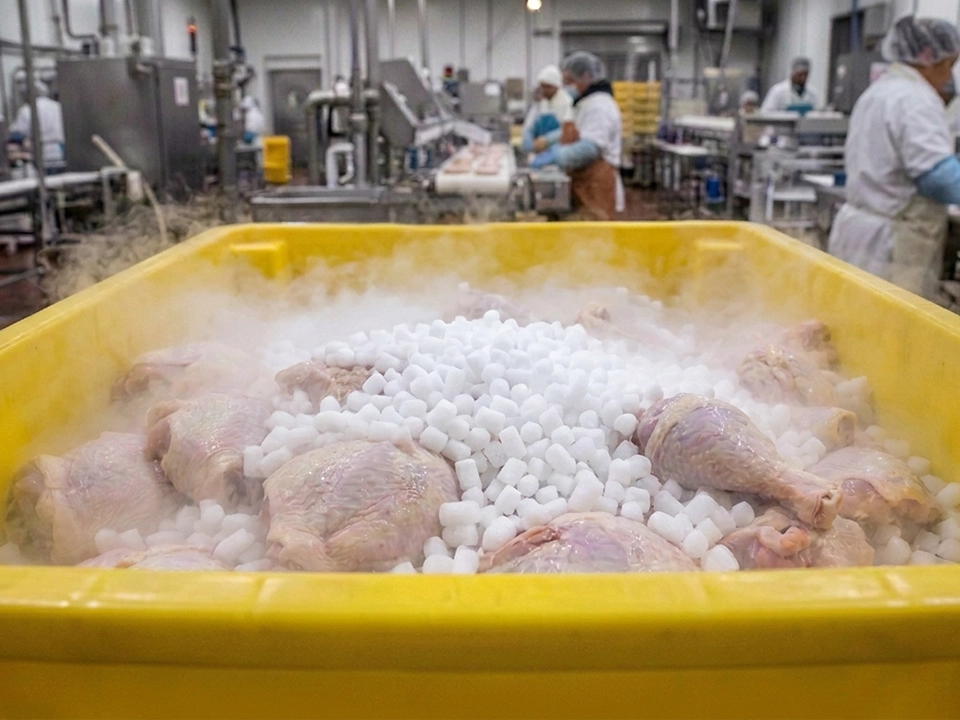
Meat, poultry, and pork plants add dry ice pellets during grinding and mixing to hold protein temperature and slow bacterial growth without adding water. Bakeries use it to control dough temperature during mixing, and wineries and breweries use it for must chilling and inerting. These are high volume, daily orders that anchor a production schedule.
Shipping, e-commerce, and home delivery
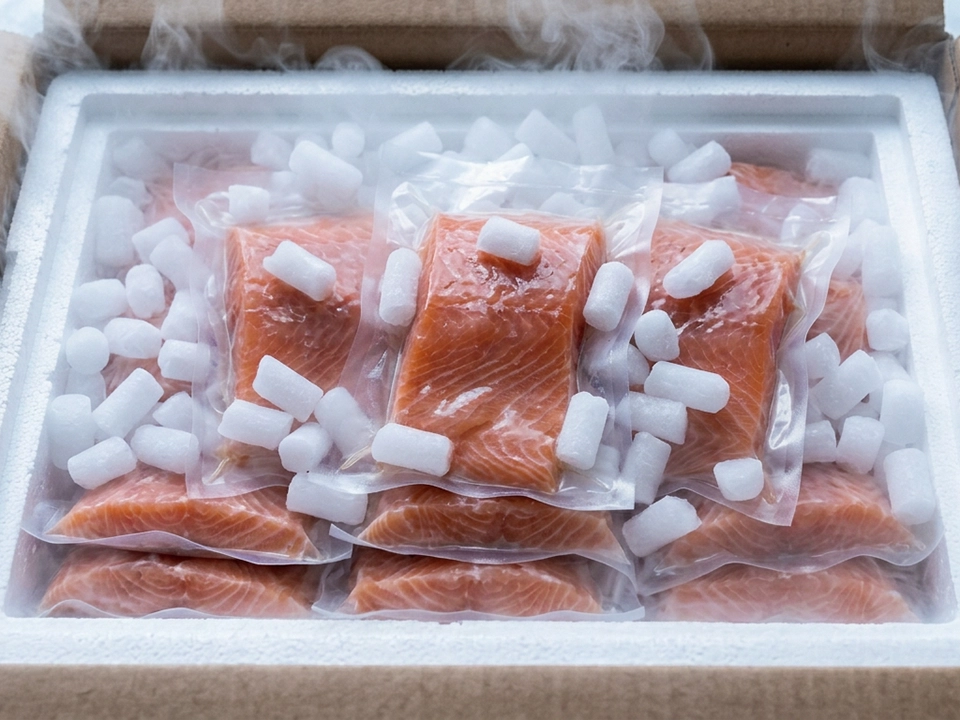
Frozen and chilled shippers depend on dry ice to survive transit, from exporting fresh salmon to delivering meal kits and frozen steaks to a doorstep. Nuggets and slices give packers a consistent, easy to dose format, and denser ice means fewer pounds per box and less product lost before delivery.
Airline catering
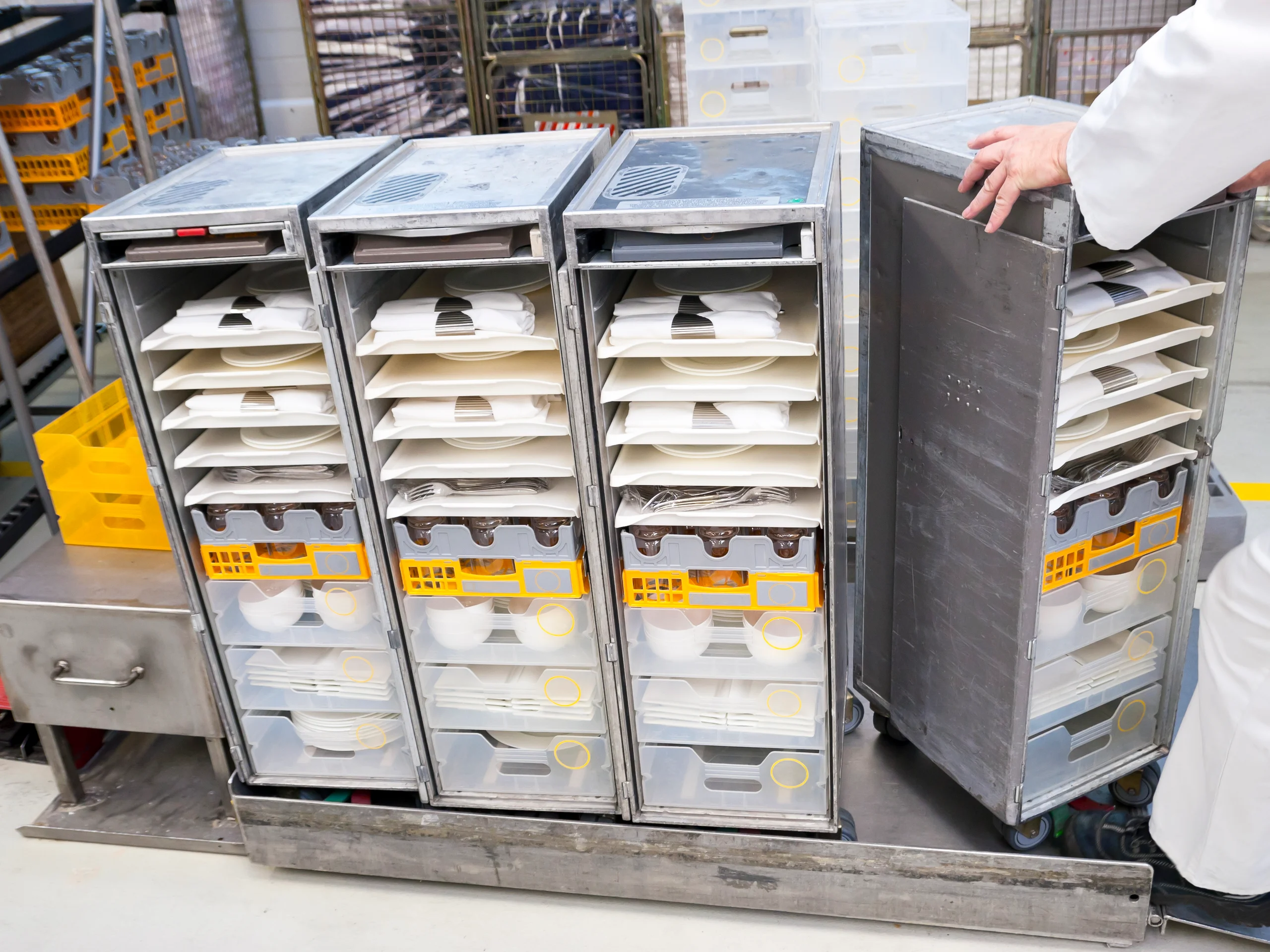
Catering operations near an airport hold prepared meals at temperature in galley carts using dry ice slices. Volume tracks flight schedules, which makes these accounts predictable and worth serving from a nearby production site.
Food Accounts to Target
- Meat & Poultry Processing
- Seafood Export
- Bakeries
- Breweries & Wineries
- Meal Kit & Grocery Delivery
- Frozen Food Distributors
- Airline Catering
- Ice Cream & Dairy
- Third-Party Logistics
- Restaurant Supply
Supply the Life Sciences Cold Chain, Where Reliability Matters More Than Price
The biopharmaceutical cold chain runs on dry ice. Vaccines, biologics, diagnostic samples, and cell and gene therapies move at temperatures no other portable medium holds as simply.
Temperature excursions are the risk you are pricing against
A single excursion can invalidate a clinical shipment or destroy a batch worth far more than a year of dry ice. Life sciences buyers select suppliers on consistency and documentation, not on the lowest quote, which makes them durable accounts for a producer who can deliver reliably.
Density is a specification, not a feature
Denser dry ice sublimates more slowly, so a shipment holds temperature longer with the same payload. For shippers validating packaging to a defined hold time, consistent density from a consistent source is what makes the validation repeatable.
Local supply shortens the critical path
Clinical logistics runs on short notice. A producer within a few hours of a hospital, laboratory, or courier hub can fill same day orders that a distant supplier cannot quote, which is often the deciding factor in winning the account.
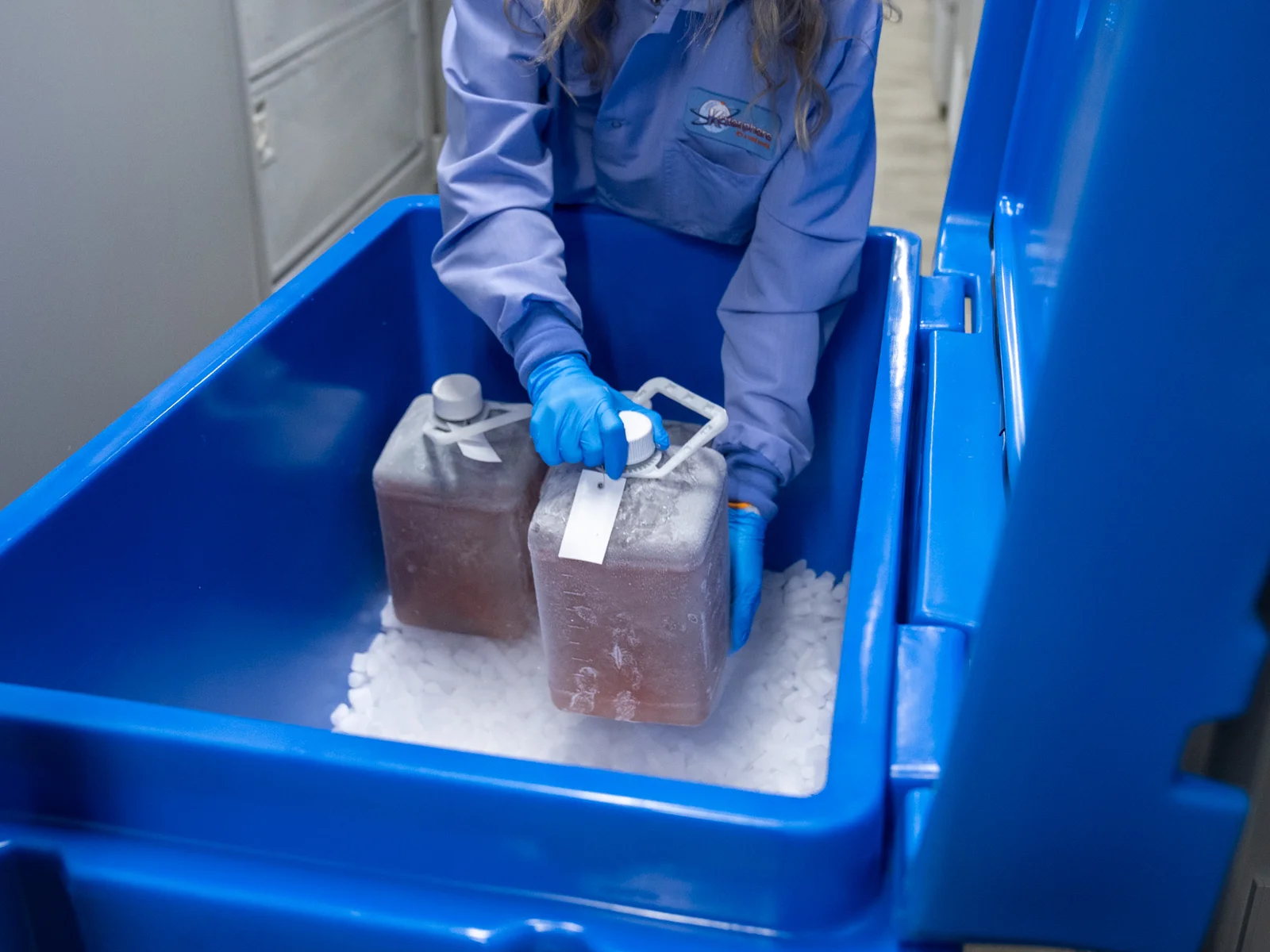
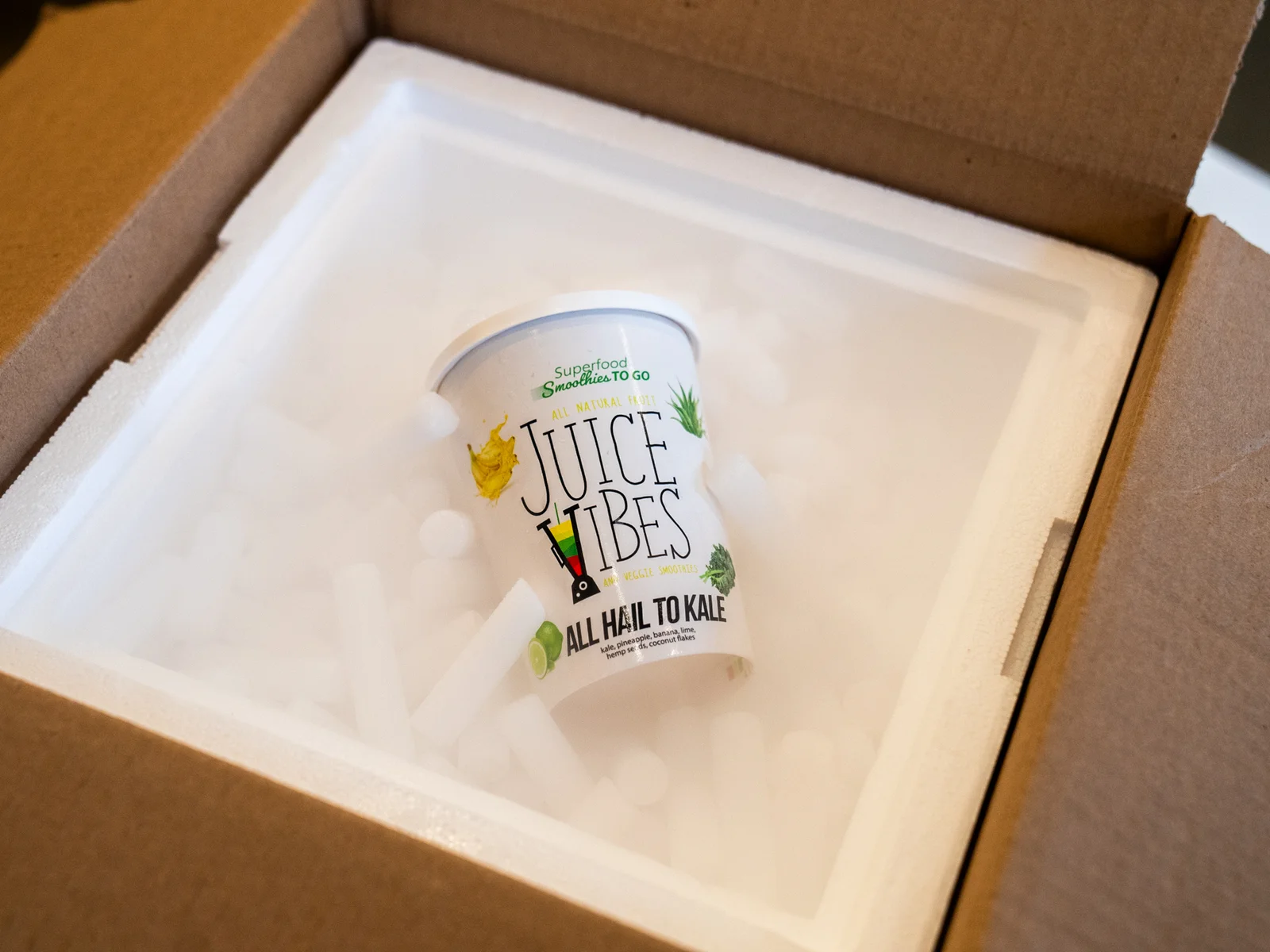
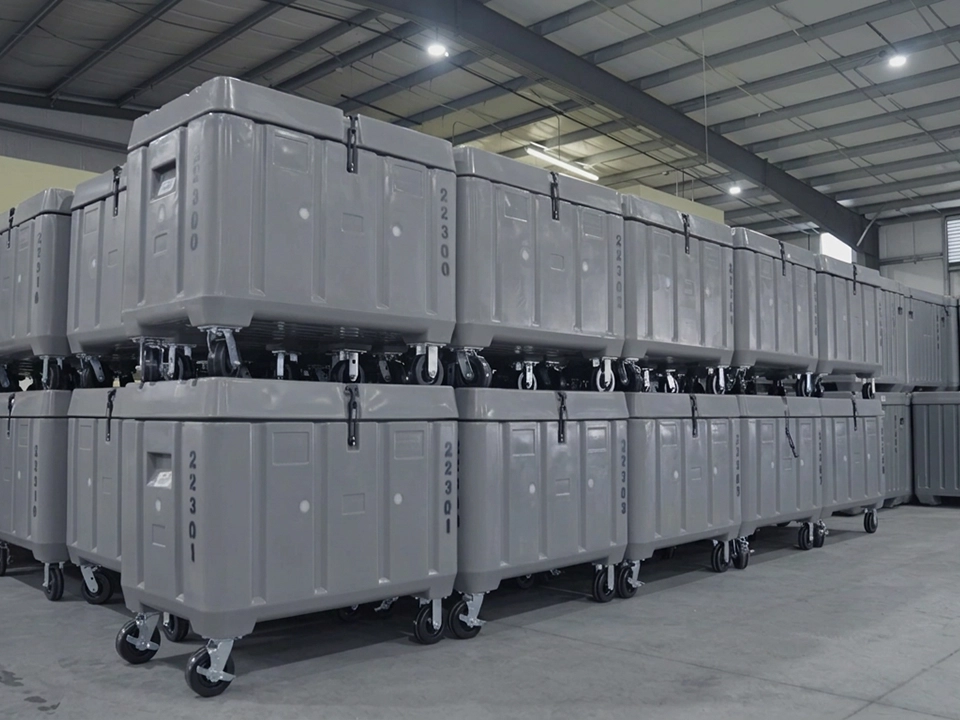
Life sciences buyers in your region may include hospital and reference laboratories, clinical trial couriers, contract manufacturing organizations, diagnostics companies, biobanks, and veterinary and agricultural genetics operations. Typical shipments include:
Cold Chain Payloads
- Vaccines
- Biologics
- Cell & Gene Therapies
- Tissue & Blood Samples
- Diagnostic Specimens
- Clinical Trial Materials
- Reagents & Enzymes
- Reproductive & Genetic Material
Become the Local Pellet Supplier for Dry Ice Blasting Operators
Every dry ice blaster in your area needs 3 mm pellets, and it needs them fresh. Blasting is the one dry ice market where the customer physically cannot stockpile, which makes proximity the whole business case.
Consumption is daily and repeatable
A blasting operator running a machine through a shift consumes pellets continuously. Contract cleaners, foundries, food and beverage plants, printers, and automotive and plastics manufacturers all run blasters, and each one becomes a standing order rather than a spot sale.
Freshness is the competitive advantage
Pellets that have sat in storage or traveled for a day lose mass and break down, which reduces cleaning performance and forces the operator to buy more. A local producer delivering fresh, high density 3 mm pellets solves a problem the customer feels every shift.
Pellet supply opens the door to equipment sales
Distributors who supply pellets are well positioned to sell and service blasting equipment as well. Producing the consumable and supplying the machine turns a single account into two recurring revenue lines.

Blasting Customers Near You
- Contract Cleaning Companies
- Food & Beverage Plants
- Foundries
- Plastics & Rubber Molders
- Automotive Manufacturing
- Printing & Packaging
- Power Generation
- Restoration & Remediation
Industries
Who Produces Dry Ice for Resale?
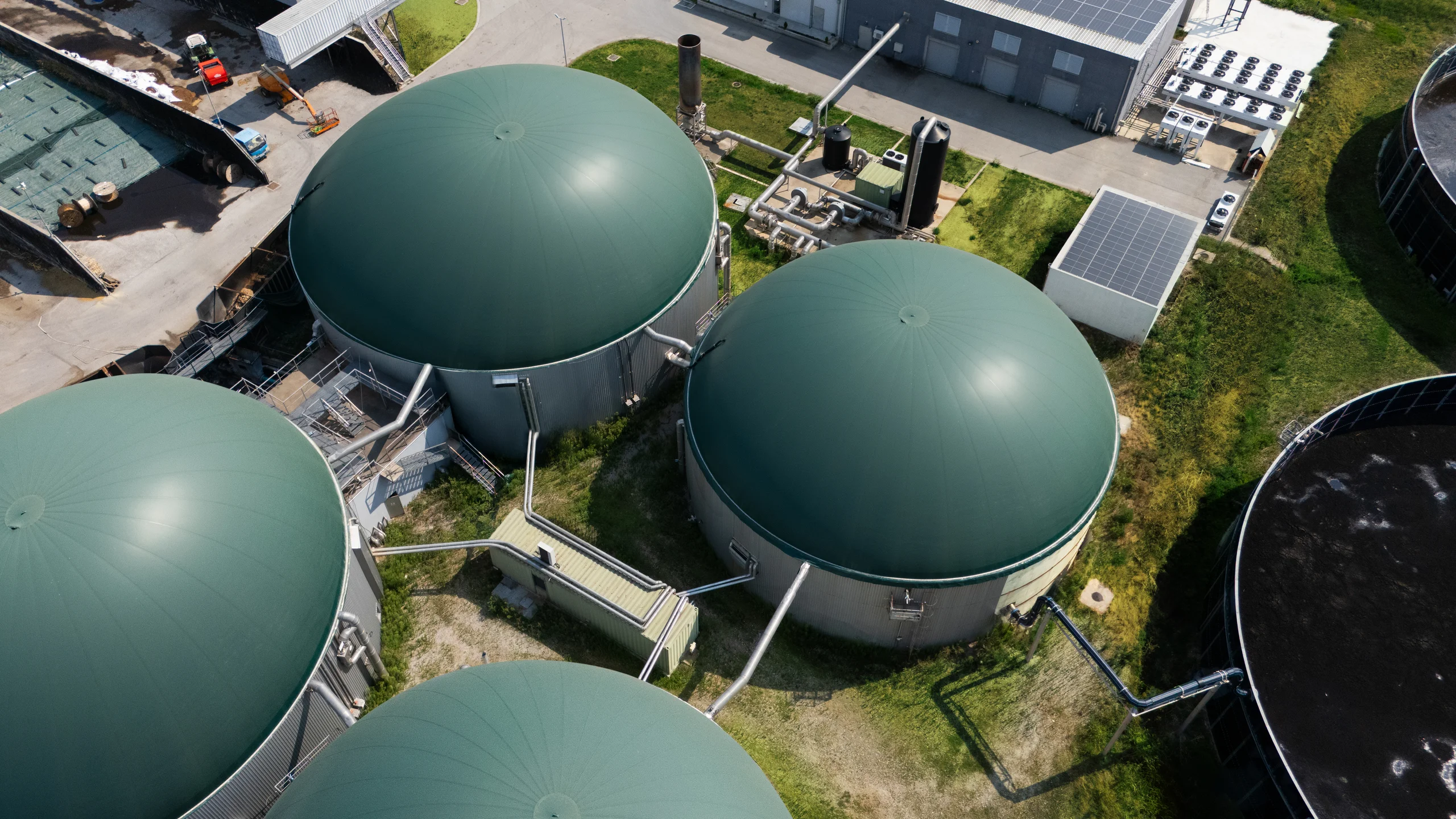
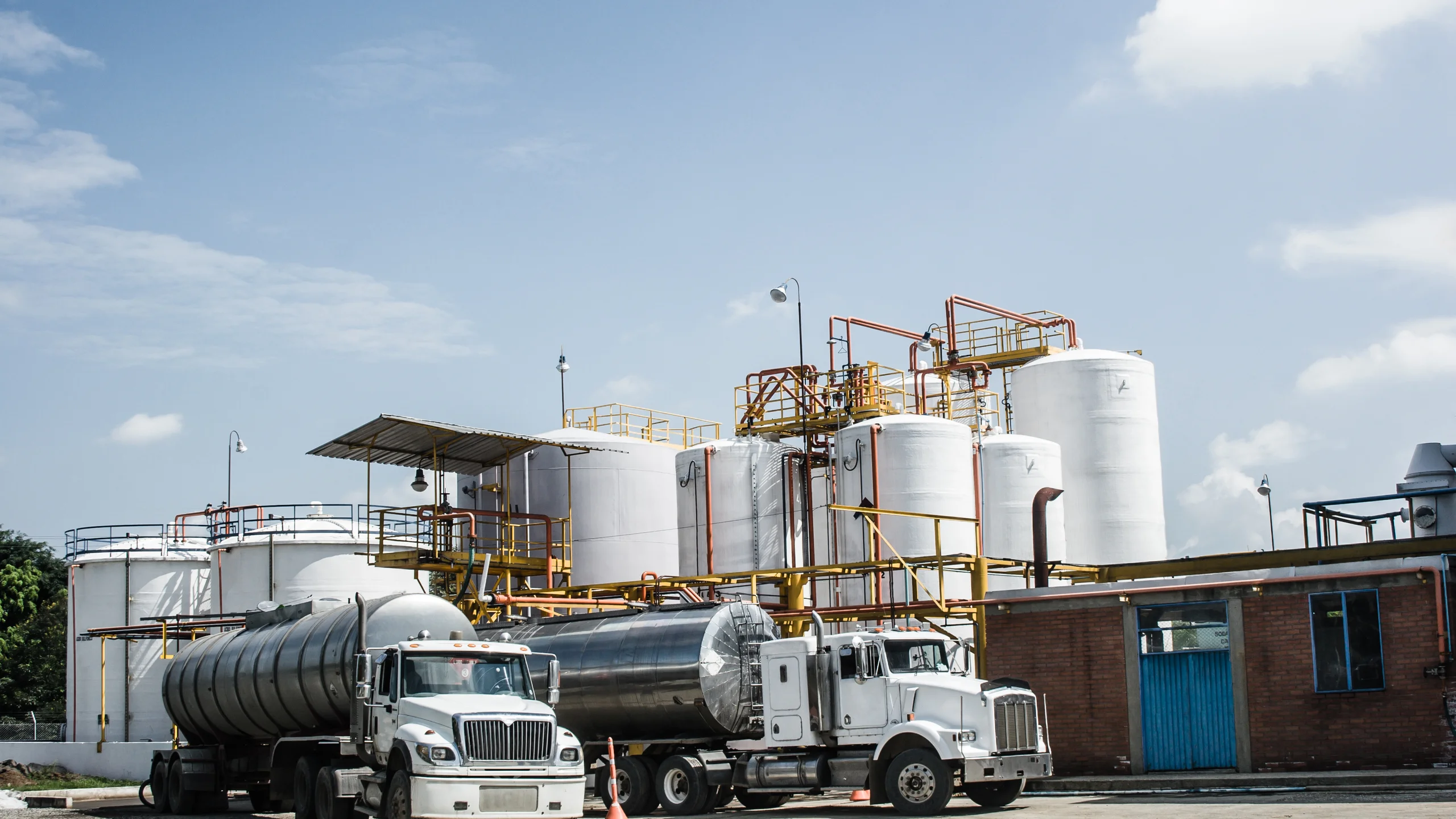
Biogas and RNG sites, industrial gas companies, and welding gas suppliers already have access to liquid CO₂, the main ingredient in dry ice. See how Cold Jet production systems help each one turn that supply into a profitable dry ice business.

Comparison
Producing Dry Ice
Versus Buying to Resell
See how on-site production compares to wholesale purchasing and distribution across the factors that determine margin and service level.
| Criteria | On-Site Production Best | Buy Wholesale & Resell | Broker Third-Party Supply | No Dry Ice Offering |
|---|---|---|---|---|
| Margin Per Pound | Highest, set by your LCO₂ conversion rate | Thin, capped by wholesale price | Commission only, no product margin | None |
| Sublimation Loss | Minimal, hours from press to customer | Significant, loss on every inbound load | Carried by whoever holds the product | Not applicable |
| Supply Reliability | You control the schedule and allocation | Subject to a competitor's priorities | No control during regional shortages | Customers source elsewhere |
| Format Flexibility | Pellets, nuggets, and slices on demand | Limited to what the supplier makes | Limited to what the supplier makes | None |
| Lead Time to Customer | Same day within your service radius | Tied to inbound delivery windows | Longest, two handoffs before delivery | Not applicable |
| Upfront Investment | Capital equipment plus site infrastructure | Storage and delivery assets only | Minimal | None |
| Scalability | Add capacity and recovery as demand grows | Constrained by supplier allocation | Constrained by supplier allocation | None |
What You Need
What Does It Take to Start Producing Dry Ice?
A dry ice production operation is more than a pelletizer. Before your first delivery, you need a reliable liquid CO₂ supply, the right utilities, a safe building, and a plan for storing and moving finished product. Cold Jet works with producers on all of it, from the first site walk to commissioning:
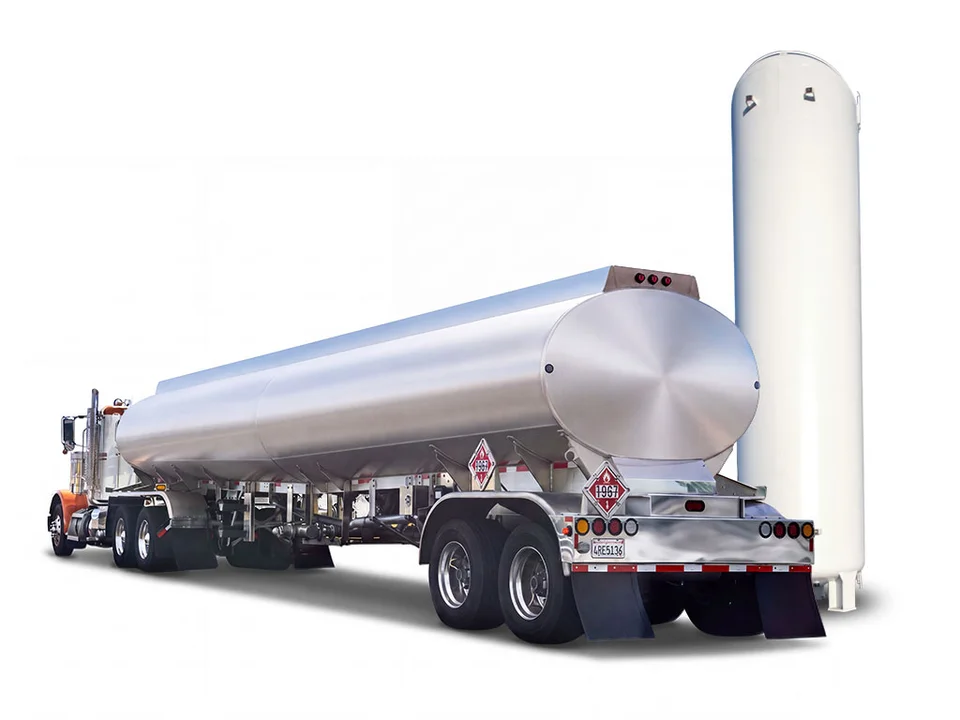
Step 01
BulkLCO₂ Supply
Liquid CO₂ Access
Everything starts with reliable access to liquid CO₂ in your region. LCO₂ is the largest recurring cost in dry ice production, so supplier terms, delivery frequency, and contract structure shape the economics more than any other input. Cold Jet can help you evaluate regional supply, including sources from biogas upgrading and other recovery streams, and introduce you to gas suppliers where you need one.
- 01. Liquid CO₂ Access — Everything starts with reliable access to liquid CO₂ in your region. LCO₂ is the largest recurring cost in dry ice production, so supplier terms, delivery frequency, and contract structure shape the economics more than any other input. Cold Jet can help you evaluate regional supply, including sources from biogas upgrading and other recovery streams, and introduce you to gas suppliers where you need one.
- 02. Reservoir, Foundation, and Piping — You need an on-site liquid CO₂ reservoir sized to your production plan, a reinforced concrete foundation to carry it, and insulated pipework connecting the exterior tank to the production system. Undersized storage forces more frequent deliveries and more downtime, so tank sizing is worth getting right at the design stage. Cold Jet can assist with tank solutions and piping.
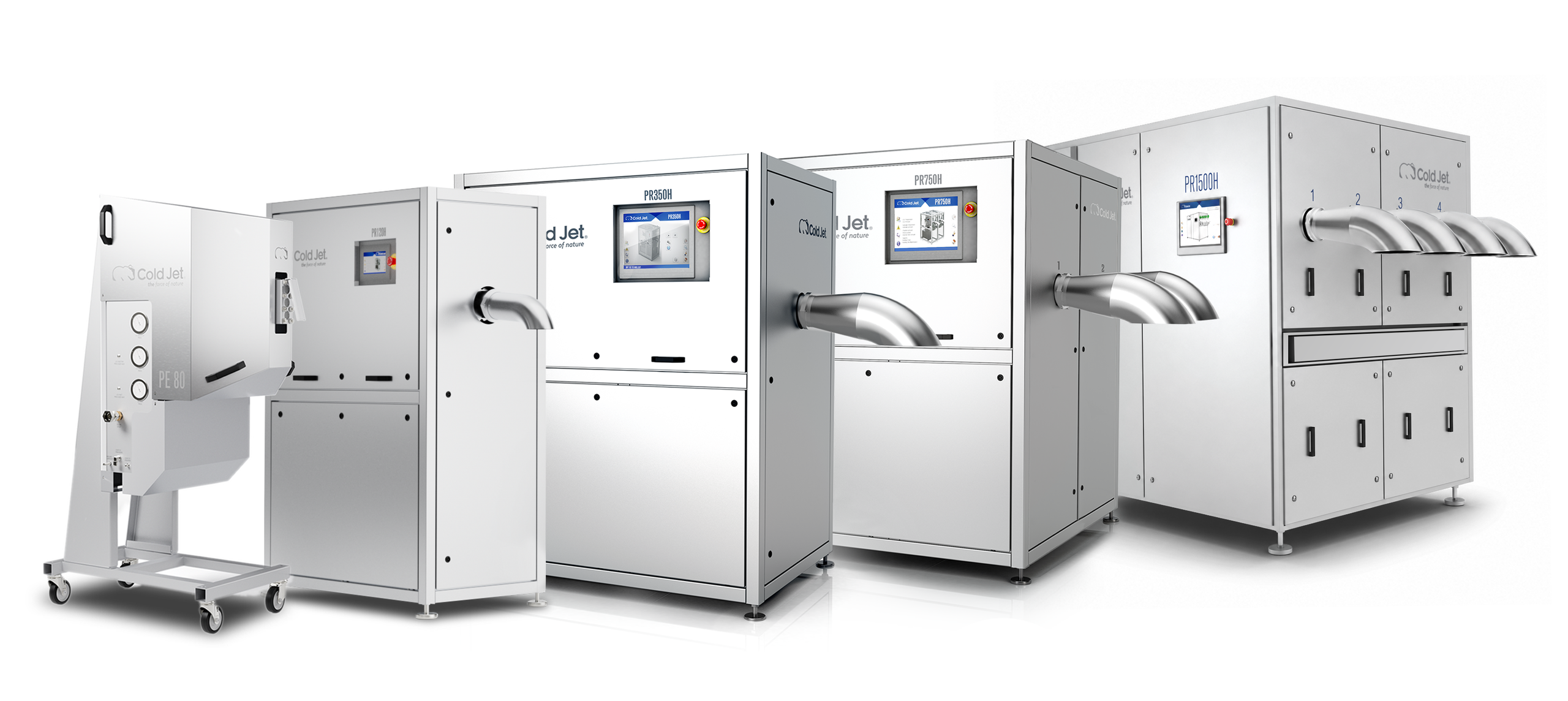
- 03. Dry Ice Production System — The pelletizer sits at the center of the operation, protected from moisture and the elements with room to work around it. Size it to the demand you can actually sell, not to a peak you hope for. Cold Jet systems scale from the PE 80 at 176 lbs per hour to the PR1500H at 3,307 lbs per hour, and reformers convert pellets to high density slices when your customers need them.
- 04. Power and Compressed Air — Dry ice production systems require a three-phase electric power source and a compressed air line. Confirm available service at the site early, since upgrading incoming power is one of the longer lead time items in a build and one of the easiest to discover too late.
- 05. Ventilation and CO₂ Monitoring — CO₂ is heavier than air and displaces oxygen in enclosed spaces. Production facilities need artificial ventilation to maintain airflow and a CO₂ PPM monitor with alarms. The OSHA permissible exposure limit is 5,000 ppm as an eight-hour time-weighted average. Operators also need insulated gloves and eye protection when handling product.
- 06. Storage, Packaging, and Delivery — Finished dry ice goes into insulated containers that minimize sublimation between production and delivery. How you package it depends on who you sell to: bulk containers for processors, automated dosing and bagging for last mile shippers, and flow packers for branded slice packaging. Cold Jet can supply containers, dosing and bagging systems, and CO₂ sensors alongside the production equipment.
Equipment
What Is the Best Dry Ice Machine
for Production and Resale?
Cold Jet offers dry ice production systems for every stage of a resale business, from high-volume pelletizers to slice reforming for new markets. Start at the scale your current demand supports and add capacity and formats as your customer base grows.
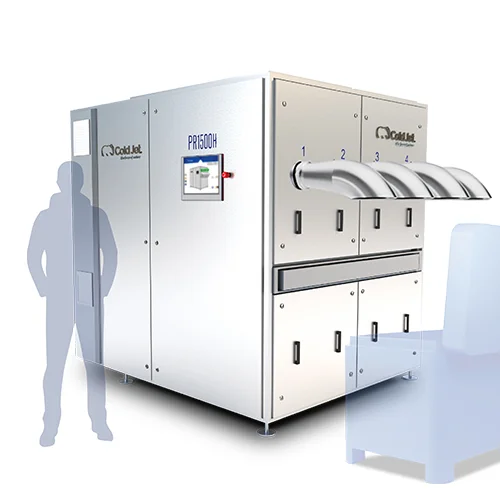
PR1500H Dry Ice Pelletizer
The PR1500H is Cold Jet’s highest-capacity pelletizer, built for industrial gas companies and large-scale producers running dry ice as a primary business line. Four independent barrels with automatic die change keep production moving between pellet sizes.
- Up to 3,306 lbs (1,500 kg) per hour
- Four barrels with automatic die change
- 3 mm to 16 mm pellets
- Integrates with plant controls via BUS/Ethernet
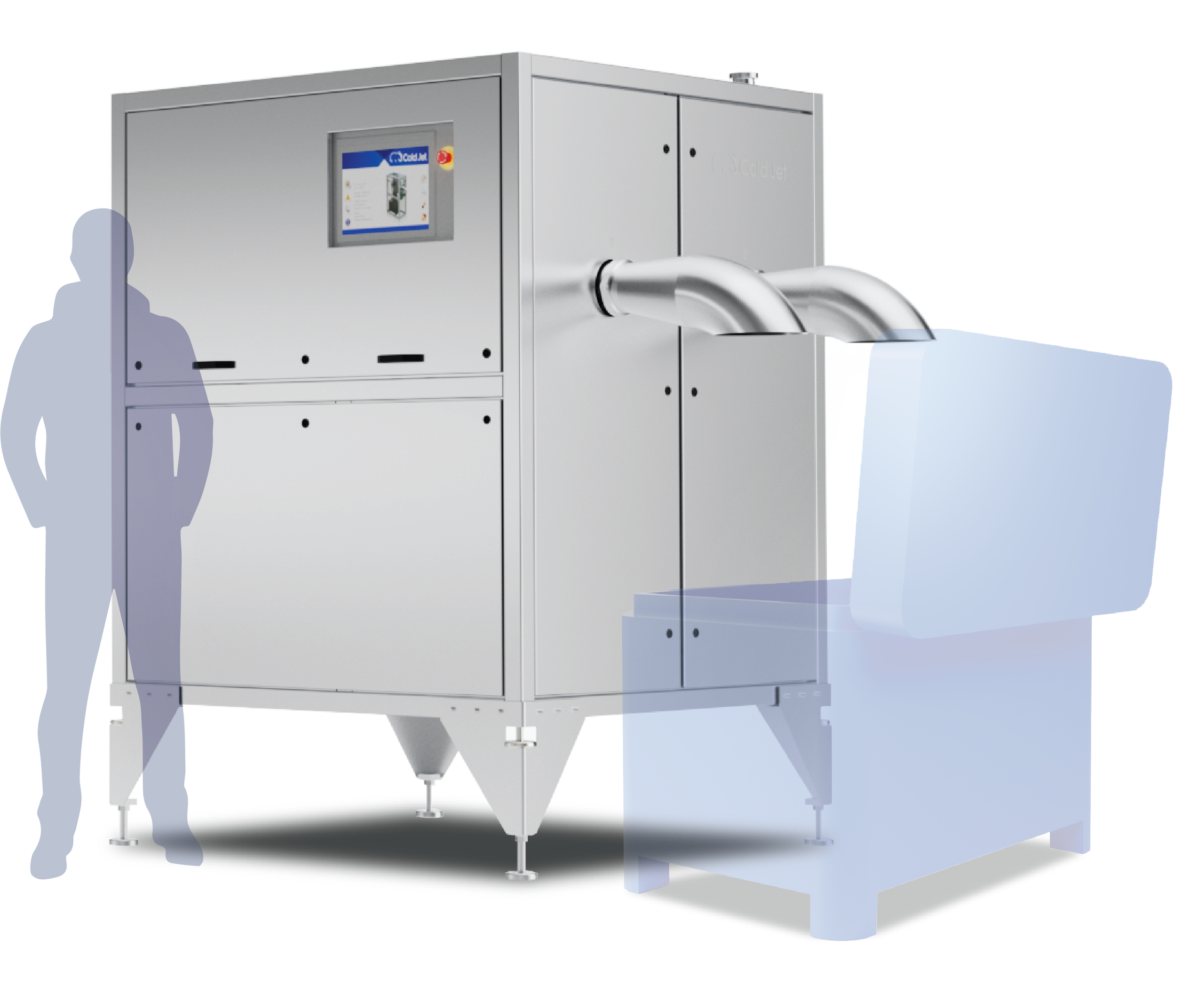
PR750H Dry Ice Pelletizer
The PR750H supports high-volume commercial production, delivering the throughput a distributor needs to serve multiple metros or supply large industrial and cold chain accounts. The complete version produces two pellet sizes at once, so you can fill different customer orders from a single run.
- Up to 1,653 lbs (750 kg) per hour
- Two pellet sizes at once
- 3 mm to 16 mm pellets
- Automatic die change
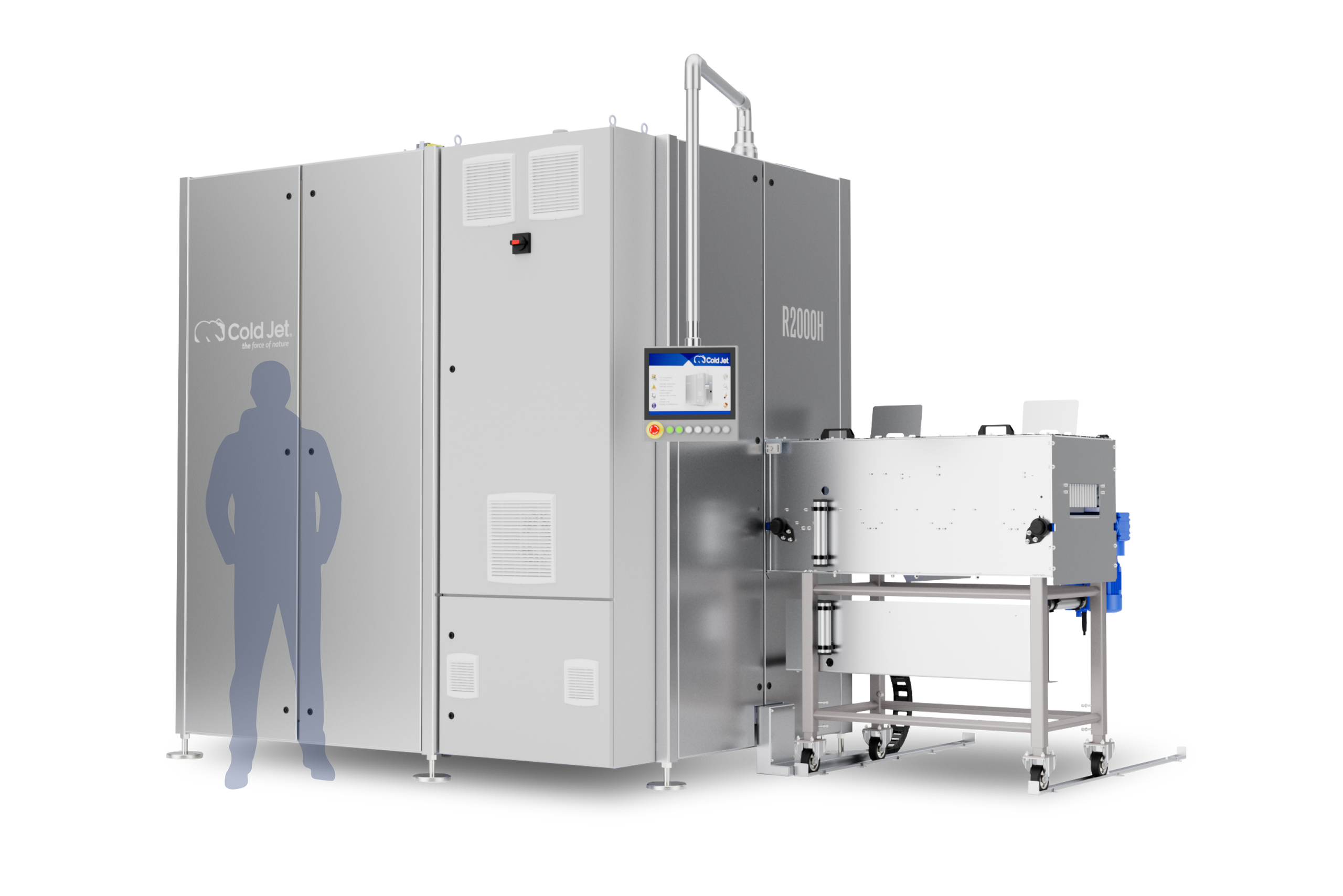
R2000H Reformer
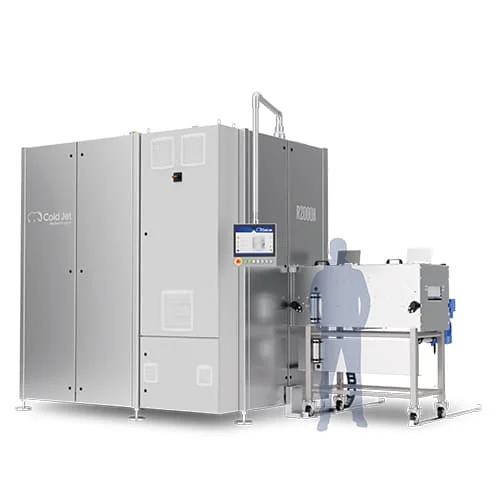
The R2000H reforms dry ice pellets into high-density slices and mini blocks, opening new resale markets in cold chain, food shipping, and airline catering. An optional flow-packer wraps slices with your branding or your customer’s, ready for sale.
- Up to 5,511 lbs (2,500 kg) per hour, depending on slice format and pellet supply
- Slices from 1.4 to 16 lbs
- Format change in under 15 minutes
- Optional branded flow-packing
Compare Systems
Which Production System Fits Your Market?
Side-by-side capacity for three systems producers choose between as they grow a dry ice business, from high-volume pellet production to slices for new markets.
PR1500H
Industrial-scale pellet production

PR750H
High-volume commercial output
R2000H
Slices for new resale markets
| Specification | PR1500H | PR750H | R2000H |
|---|---|---|---|
| Capacity | |||
| Max Output (lbs/hr) | 3,306 lbs/hr | 1,653 lbs/hr | 5,511 lbs/hr* |
| Max Output (kg/hr) | 1,500 kg/hr | 750 kg/hr | 2,500 kg/hr* |
| Approx. Output Per 8-Hour Shift | ~26,400 lbs(12,000 kg) | ~13,200 lbs(6,000 kg) | ~44,000 lbs (20,000 kg)* |
| Positioning | |||
| Role in Your Operation | Pelletizer | Pelletizer | Slice reformer |
| Input | Liquid CO₂ | Liquid CO₂ | Dry ice pellets, 3–10 mm |
| Output | |||
| Dry Ice Formats Produced | 3, 6, 10, or 16 mm pellets | 3, 6, 10, or 16 mm pellets; two sizes at once(complete version) | Dry Ice Slices, 1.4–16 lbs |
| Format Change | Automatic die change across four barrels | Automatic quick die change | Quick Change Press Head in under 15 min |
| Packaging | Not published | Not published | Optional flow-packer with your branding or your customer’s |
| Fit | |||
| Typical Producer Profile | Industrial gas company or large producer with dry ice as a primary business line | Multi-metro distributor or regional producer serving large accounts | Pellet producer adding slices to its product range |
| Best Fit Customer Mix | Large industrial, wholesale, and cold chain contracts | Food, life sciences, blasting, and cold chain accounts | Cold chain, food shipping, and airline catering |
“—” indicates the spec does not apply to this system. *R2000H output depends on slice format and pellet supply from a pelletizer. Contact a Cold Jet specialist to size a system against demand in your region.
Why Cold Jet
Why Producers Choose Cold Jet
for Dry Ice They Sell
When dry ice is your product rather than your consumable, two numbers decide whether the business works: how much liquid CO₂ it takes to make a pound of ice, and how much of that ice survives to the customer.
Cold Jet builds to both. Sub Cooling Technology drives the conversion rate, high-density output slows sublimation in transit, and RE-CO₂ recovery lets you make more dry ice from the same tank of liquid. Producers also get:
Lowest Cost Per Pound of Dry Ice
Patented Sub Cooling Technology delivers the lowest conversion factor on the market, so you spend less liquid CO₂ for every pound of finished product. On a cost line that runs every hour the machine runs, that difference compounds.
The Widest Range of Systems
From a single compact PE 80 to a PR1500H anchoring a full production line, plus reformers, recovery, dosing, and bagging. You buy the capacity your demand supports today and add to it as the business grows, rather than over-buying at the start.
Recycled CO₂ Recovery
RE-CO₂ systems reclaim up to 8.5 tons of LCO₂ per day by capturing revert gas and returning it as recycled CO₂. Producers make more dry ice from the same delivered volume, improving margin and carbon footprint at the same time.
Built for Continuous Operation
Dry ice cannot be stockpiled, so downtime is lost revenue you never recover. Cold Jet systems are designed for non-stop operation in demanding environments, with automatic extruder plate changes that let you switch formats without stopping production.
Over 70 People in Global Customer Service
Regional technicians, fast response times, and Cold Jet CONNECT® for remote monitoring and diagnostics. When your product line depends on one machine running, support response time is part of the purchase decision.
Engineered Systems Tailored to Your Facility
From automated metering and dosing to bagging pellets, nuggets, or slices, we work with you from the outset to design the installation around your building and your customers. Cold Jet can also assist with liquid CO₂, storage tanks, piping, containers, and CO₂ sensors.
Our Customers & What They Say About Us
Dry ice producers around the world rely on Cold Jet
From industrial gas majors running multiple production sites to independent distributors making ice for a single metro, producers choose Cold Jet for output quality and cost per pound.
See What Dry Ice Producers Are Saying About Cold Jet Systems
Our customers built new revenue streams by producing their own dry ice

The Cold Jet dry ice production equipment produces the purest dry ice available.

We are very satisfied from the first contact up to date. The employees at Cold Jet were very professional and helpful. We are finally able to respond to requests for flexibility from our customers and produce according to their dry ice needs. In addition, we are also excited about the quality of the dry ice.

The Cold Jet pelletizer is the only one on the market that can produce high-density, premium dry ice and is still very compact. Less scrap ice, a longer shelf life and a higher density equals higher cost savings for our company.
Standards
Standards and Regulations
Dry Ice Producers Work Within
Selling dry ice into food and life sciences supply chains means meeting your customers' quality expectations and handling a regulated product safely.
CGA G-6.2 / ISBT
Carbon Dioxide Commodity Specification
Industry commodity specifications define purity grades for carbon dioxide, including the beverage and food grades your customers will ask about when dry ice contacts product.
How We Comply
Dry ice quality begins with the liquid CO₂ you buy, so grade should be specified in your supply agreement. Cold Jet's closed chamber design and stainless steel enclosures are built to keep incoming product quality intact through production.
FDA 21 CFR 184.1240
Carbon Dioxide as a Food Substance
The FDA lists carbon dioxide as generally recognized as safe for direct addition to food, which is what allows dry ice to be used in direct contact chilling and food shipping.
How We Comply
Producers selling into food applications should source food grade liquid CO₂ and document it. Cold Jet systems produce with no additives and no contact media, so the finished dry ice reflects the grade of the liquid CO₂ supplied.
UN1845
Dry Ice Transport Classification
Dry ice is classified as UN1845, a Class 9 miscellaneous dangerous good. Air shipments fall under IATA Dangerous Goods Regulations, and ground shipments in the United States fall under 49 CFR, with marking, labeling, and quantity declaration requirements.
How We Comply
Selling to air freight forwarders, airline caterers, and clinical couriers means your customers are shipping under these rules, so packaging format and net weight per package matter. Cold Jet dosing and bagging systems produce consistent, pre-weighed packages that make declaration straightforward.
OSHA 29 CFR 1910.1000
CO₂ Ventilation and Monitoring
The OSHA permissible exposure limit for carbon dioxide is 5,000 ppm as an eight-hour time-weighted average. Because CO₂ is heavier than air, it collects in low areas and enclosed spaces such as production rooms, storage areas, and delivery vehicles.
How We Comply
Every Cold Jet production installation is planned with artificial ventilation and CO₂ PPM monitoring as part of the facility design. We can supply CO₂ sensors alongside the production equipment and advise on placement during site layout.
GDP
Good Distribution Practice: Packaging Validation Consistency
Pharmaceutical distribution guidelines require that temperature controlled products be transported under validated, documented conditions. Shippers validating a packaging configuration depend on consistent dry ice performance to make that validation hold.
How We Comply
Consistent, high density output is what makes a customer's hold time repeatable from shipment to shipment. Cold Jet systems produce to a consistent density with documented process parameters, and Cold Jet CONNECT® gives you production visibility you can share with quality-driven accounts.