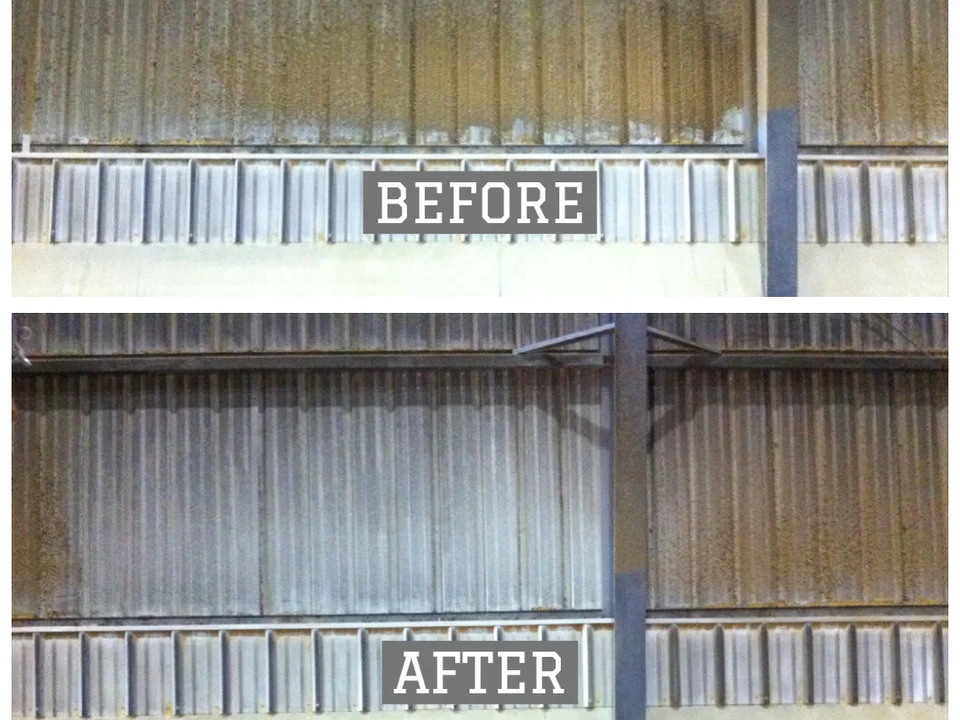
New Age Cryo Cleans Ethanol Plants with Dry Ice Blasting
New Age Cryo recommends dry ice blasting over water blasting for scheduled maintenance of ethanol producing facilities.
Of the roughly 190 plants in the U.S. ethanol industry, New Age Cryo provides dry ice blasting services to 40 of them. Prior to the introduction of dry ice blasting to the industry, many of New Age Cryo’s customers faced significant challenges with maintenance.
The two major catalysts for plant maintenance are:
- Cost savings on natural gas (one of the operators’ biggest expenses)
- Removing the byproduct of the manufacturing process, distillers dried grains (DDGs), or corn dust, from the walls to the grain pits
Maintenance of the energy center of the ethanol plant is key to efficient operations. By cleaning these items, particularly the heat recovery steam generator (HRSG) and stack coils, the equipment will operate with much greater efficiency. Resulting in average stack temperature drop of 40-60 degrees.
According to OSHA guidance, ethanol producers cannot have more than a 16th of an inch of corn dust on any standing structures.
For many ethanol producers, the only method known to clean their plants and remove the DDGs is water blasting.
There are many drawbacks to water blasting:
- The process typically takes between 36-48 hours
- It requires a 15-18 person team
- Water blasting leaves a large amount of secondary waste consisting of water, dirt, grease and corn dust
“Water simply causes too many potential problems, and many of our customers have decided to go with waterless energy centers. Instead of removing hundreds of gallons of water, treating the water, or waiting weeks to run it through plant systems, dry ice has become a popular alternative. Water does not mix with the grease or the machines, equipment with electronics has to be covered or avoided, and despite efforts to remove the water, it can be weeks before it is completely gone.
”
Dry Ice Blasting: All Benefits of High Pressure Water Without Negative Impacts
This EPA recognized process utilizes reclaimed CO2 in the form of dry ice pellets to remove the layers of DDGs from various parts and equipment within an ethanol plant.
Blasted using controlled pressurized air, the dry ice pellets sublimate upon contact with equipment without damaging the surface being cleaned and without producing any secondary waste.
With dry ice blasting, New Age Cryo is able to clean the economizer and boiler tubes, ID fans, grain tunnels, DDG tunnels and pits, gas stations, lime slurry stations, wet cake areas as well as the off-load buildings.
In addition, since dry ice blasting is a dry cleaning process, New Age Cryo can also clean electronics components without worrying about damaging the equipment.
“The process works extremely well in ethanol plants. We are able to clean these areas in the plants with fewer people and without the mess left behind by high pressure water blasting. It is safe to say that dry ice blasting will likely become the standard cleaning practice in these areas of the ethanol plants.
”
Dry Ice Blasting Delivers Results
As a result of being able to more effectively clean the equipment, ethanol producers are finding significant costs and energy savings by implementing dry ice blasting.
1. A 40-60 degree drop in stack temperatures after each cleaning, resulting in increased production, significant savings in natural gas, and less emissions.
2. Natural gas savings of up to to $100,000 per plant.
“By cleaning our stack economizers every six months, we saved $100,000 per plant in natural gas savings alone. With four plants, the annual savings totaled roughly $400,000 for the company. The economizer coils pre-heat the water for the ethanol production process, but when the coils are covered by the refractory, they are less efficient at heating the water and producing steam, so we have to use more natural gas. Dry ice blasting has allowed us to reduce the amount of gas that we use, while also helping us to run at higher rates.
”
3. A faster cleaning process that requires a much smaller team.
4. Dry ice blasting leaves no secondary waste, saving significant time and money on additional clean up.
“A reliable, durable cleaning system that cleans faster with zero secondary waste and less mess is clearly something that can help the industry. Ethanol plants across the country are identical in design and also struggle with the same cleaning challenges. That said, many ethanol plants can also realize similar savings and benefits as described above by implementing dry ice blast cleaning into their maintenance process.
”